Good morning, and welcome to The Morning Shift for Monday, October 12, 2026, your daily briefing on the most significant automotive headlines from around the globe. Today’s top stories cover a major branding retreat for Tesla in the European Union, sliding delivery numbers for the Volkswagen Group, a new trade understanding between Brussels and Beijing regarding hybrid vehicle imports, and a resounding electoral victory for United Auto Workers President Shawn Fain.
Tesla Caves to EU Regulators, Drops FSD Name
If you have followed the rollout of advanced driver-assistance systems over the years, you are likely well aware that Tesla’s use of the moniker "Full Self-Driving" for its Level 2 software has long been a lightning rod for criticism. Safety advocates, industry watchdogs, and even everyday motorists have routinely pointed out that the name creates a false sense of security, encouraging drivers to place far too much trust in a system that still requires constant human supervision.
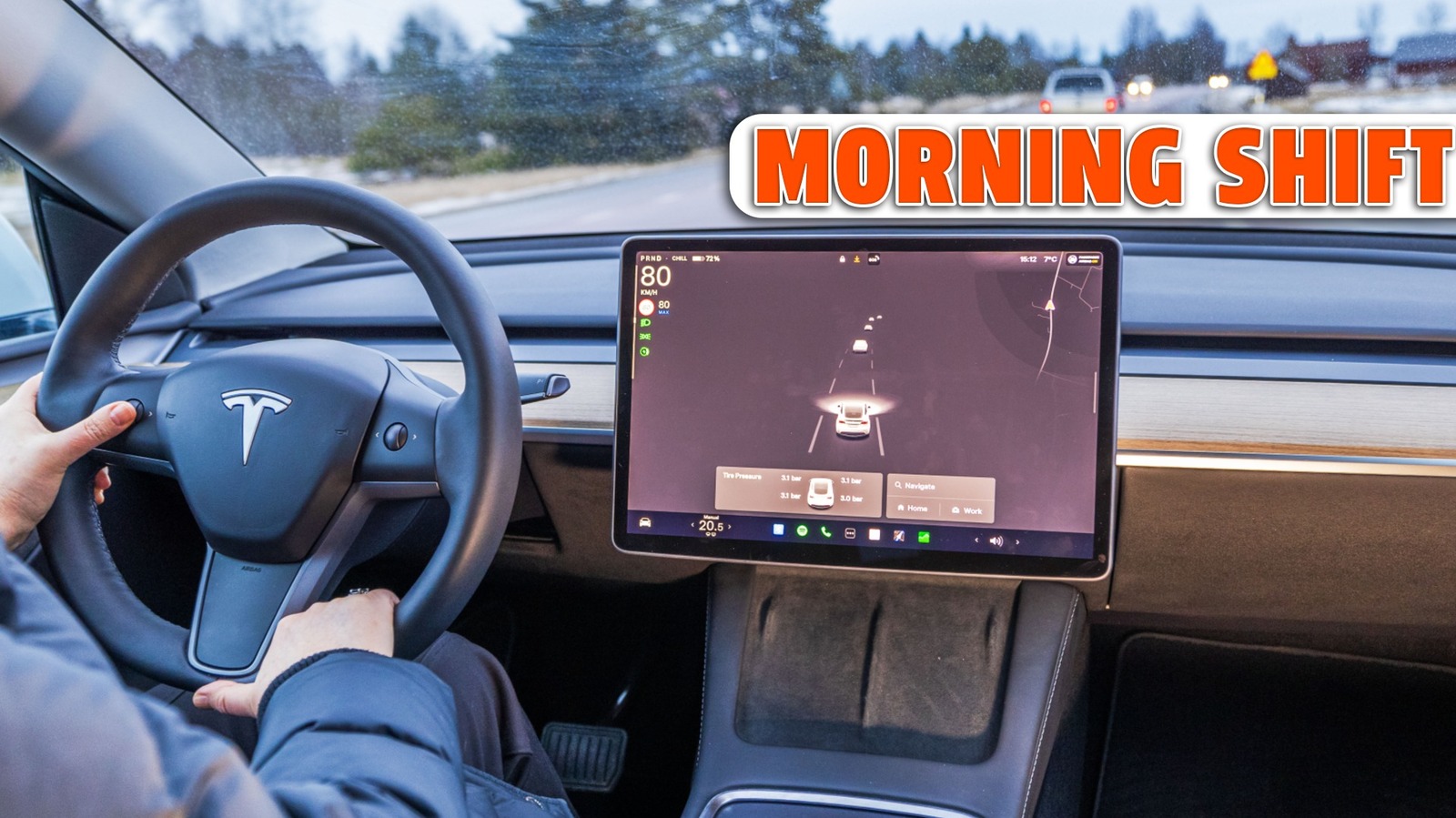
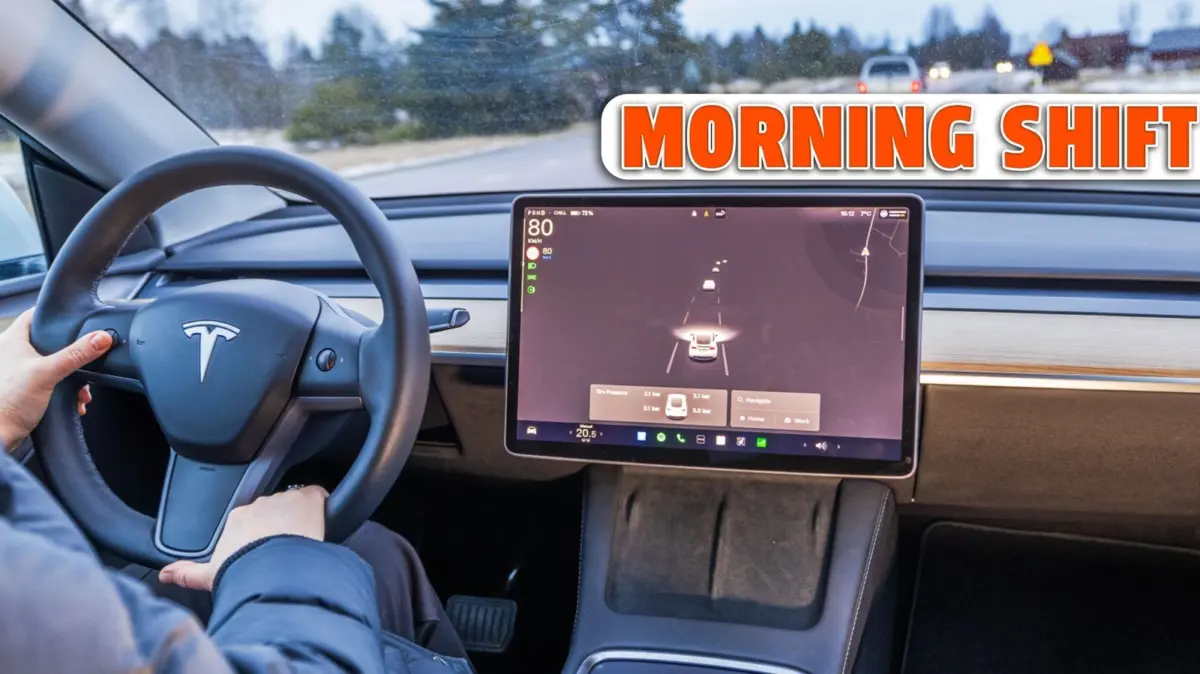
European regulators agree with that assessment. In order to clear the regulatory hurdles necessary to introduce the software within the European Union, Tesla has officially dropped the controversial "Full Self-Driving" branding for the region. The suite of features will now be marketed in Europe as "Tesla Assisted Driving."
While the new terminology has already begun populating Tesla’s European web portals, drivers in the United States continue to see the system listed as Full Self-Driving (Supervised). The branding conflict has been a persistent headache for Chief Executive Officer Elon Musk, who has frequently drawn the ire of critics and safety officials for making aggressive and sometimes unfounded claims regarding the true capabilities of Tesla’s vehicle fleet.
Despite the regulatory caution, the software remains a critical financial engine for the automaker, which typically charges consumers a subscription fee of $99 per month for access. It is also a central pillar of Musk’s broader vision to transition Tesla from a traditional car manufacturer into a pioneering tech enterprise focused heavily on autonomous vehicles and robotics.
Bringing the technology to Europe has proven difficult due to the continent’s stringent safety standards. When Dutch regulators granted provisional approval for the system earlier in the spring, they explicitly emphasized that the software deployed in Europe is a more restrictive iteration than its U.S. counterpart, noting in an official statement that "a vehicle with FSD Supervised is not self-driving." Tesla continues to pursue regulatory green lights in other jurisdictions across the continent.
The European pressure mirrors battles fought closer to home. Last year, the California Department of Motor Vehicles threatened to suspend Tesla’s sales licenses within the state over similar concerns regarding misleading marketing practices. That disciplinary action was ultimately averted after Tesla agreed to take corrective measures, which included toning down references to Autopilot and clearly communicating the mandatory supervision requirements for FSD. From a consumer safety perspective, industry observers note that a designation like Tesla Assisted Driving offers a far more accurate reflection of the technology’s actual functional limits.
VW Deliveries Are a Nightmare Wrapped in a Disaster
The news cycle remains unkind to the Volkswagen Group, with the German automotive giant posting another quarter of declining vehicle deliveries amid an ongoing slump in the crucial Chinese market. Across the global enterprise, third-quarter deliveries plummeted 14% year-over-year to 1.89 million vehicles.
The numbers are particularly bleak in China, where Volkswagen’s sales nosedived by 39% during the quarter down to just 405,800 vehicles. The struggles, however, are not confined to Asia. Volkswagen reported downward trends across nearly every major geographic operating region, with Western European deliveries slipping 2.8% and North American deliveries contracting by 5.8%. Central and Eastern Europe stood out as rare exceptions, though they were not enough to offset the broader losses.
According to corporate statements from Volkswagen, the company was unable to insulate itself from an overall contraction in the Chinese domestic market, particularly within the traditional combustion-engine vehicle segment. On a global scale, deliveries of the group’s all-electric vehicles also stumbled, falling 4.7% compared to the previous year down to 240,200 units, with Europe serving as the sole region demonstrating growth in EV uptake.
Martin Sander, a member of the group’s extended executive committee for sales, pointed to localized market pressures in their home territory. In their domestic market, leadership is observing an accelerated shift toward all-electric vehicles driven largely by elevated fuel pricing and an expanding catalog of accessible entry-level models.
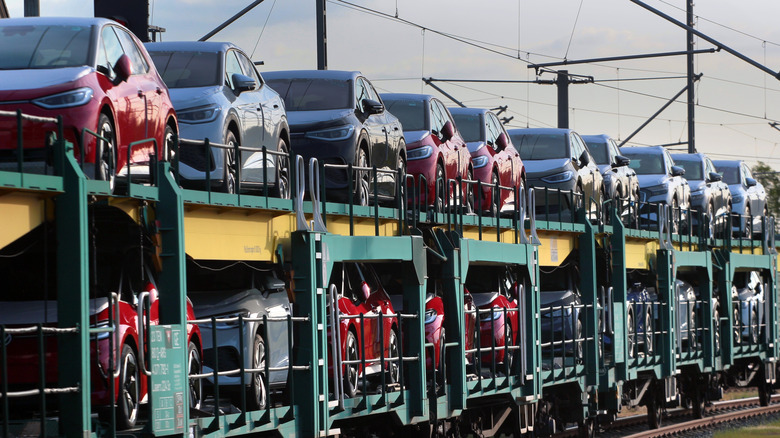
The wider enterprise is still a considerable distance away from realizing the sweeping restructuring objectives outlined by CEO Oliver Blume, which are intended to stabilize operations and modernize the brand’s portfolio. Until those long-term strategies take firm root, the automaker faces a steep uphill battle to staunch the flow of red ink.
Europe Strikes a Deal with China on Hybrids That Are Eating Their Sales
In an effort to stabilize domestic manufacturing, the European Union and China have reached a provisional understanding designed to significantly curb Chinese exports of hybrid and plug-in hybrid vehicles to the bloc. Over a four-year timeline, the framework aims to moderate the influx of these vehicles, cutting the import of millions of cars.
The agreement follows months of intensive negotiations between European Trade Commissioner Maros Sefcovic and high-ranking Chinese officials, including Commerce Minister Wang Wentao. The dialogue comes against the backdrop of swelling trade friction between Beijing and Brussels, fueled by an escalating European trade deficit with China that has recently exceeded €1 billion per day.
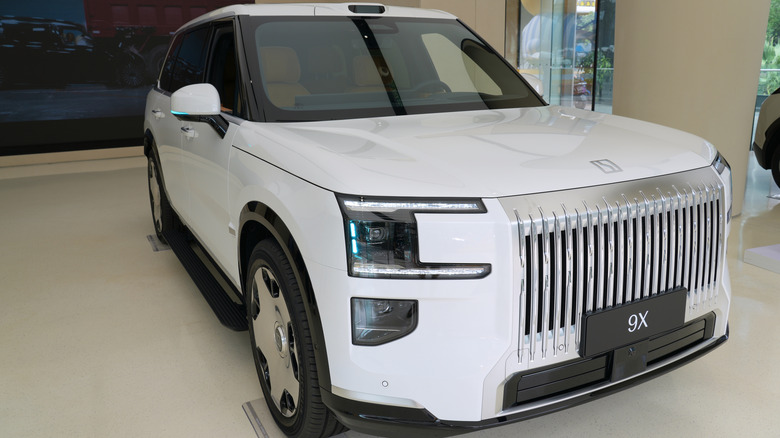
EU heads of state are scheduled to review the details of the understanding to determine whether it signals a meaningful step toward rebalancing bilateral trade. European governments have grown increasingly alarmed by the rapid escalation of affordable vehicle imports from the East, particularly as legacy automakers at home implement deep workforce reductions. Most notably, Volkswagen has announced plans to cut approximately 100,000 jobs as part of its internal reorganization.
Market data underscores the urgency felt by European policymakers. Imports of plug-in hybrids into the EU surged by 86% over a twelve-month period ending in September, accompanied by a 20% drop in average retail prices. More than half of these incoming vehicles now originate from China, a stark increase from previous years.
Beyond automobiles, the newly reached understanding touches on reciprocal trade measures. Sefcovic noted that the discussions also yielded agreements to lower Chinese import tariffs on roughly €4 billion worth of European goods, including specialized car parts, olive oil, and footwear, while also streamlining export licensing procedures for critical raw materials such as rare earths and permanent magnets.
Despite these diplomatic breakthroughs, underlying trade tensions remain palpable. Ongoing disputes over inexpensive Chinese electric vehicles led the EU to implement protective tariffs, which subsequently prompted retaliatory measures from Beijing targeting European agricultural products, dairy, and brandy—disproportionately impacting economies like France and Germany. Both sides have committed to continuing talks regarding alternative price undertakings, though Chinese EV exports to Europe have begun to creep upward once more despite existing tariff barriers.
Four More Years of Fain
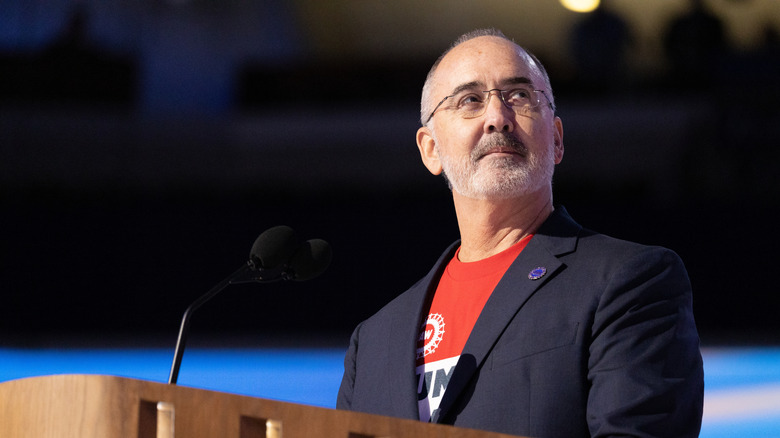
Rank-and-file members of the United Auto Workers have decisively spoken, re-electing President Shawn Fain and his slate of reform-minded allies to a second four-year term in leadership. Fain secured approximately 68% of the vote, cruising to victory over a field of five challengers following a campaign season that highlighted deep factional divisions within the union’s upper echelons.
Fain’s commanding win comes as little surprise to labor analysts, given the historic momentum he generated by successfully negotiating lucrative contract agreements with the Detroit Big Three—Ford, General Motors, and Stellantis—back in 2023. Throughout his first term, Fain frequently clashed with several high-ranking union officials whom he viewed as roadblocks to his progressive agenda, including vice-presidential rivals and the union’s secretary-treasurer.

A former Chrysler plant electrician from Kokomo, Indiana, Fain rose to national prominence from relative obscurity within the union’s Detroit headquarters during the 2023 runoff elections. His rise was part of a broader reform movement designed to distance the UAW from a devastating federal corruption scandal that ultimately resulted in prison sentences for two former union presidents. Notably, that election marked the first time the historic organization permitted its general membership to vote directly for its top leadership positions rather than relying on a closed convention of insiders.
With his leadership mandate secure, Fain and his administration will immediately pivot toward preparing for the next major round of collective bargaining negotiations with automakers slated for 2028. Key priorities for the union are expected to include fighting for the reinstatement of traditional pension benefits and securing robust protections for factory workers against the accelerating implementation of artificial intelligence and factory automation.
The Fuel Up
Drivers catching a break at the pump will find that fuel prices have dipped ever-so-slightly from weekend levels, though they remain stubbornly close to record highs. Global commodities markets reflected this persistent baseline, with WTI Crude Oil futures and Brent Crude hovering at $94 and $107 per barrel, respectively, at the time of publication.
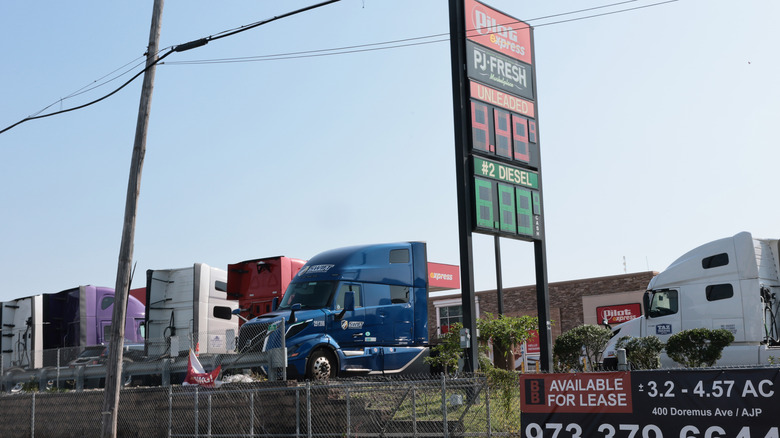
According to retail tracking data provided by AAA, the national average price for a gallon of regular gasoline remained virtually unchanged overnight, ticking down by a fraction of a cent to settle at $4.36. Diesel prices experienced a slightly more pronounced downward adjustment, falling a full cent to a national average of $6.27 per gallon.