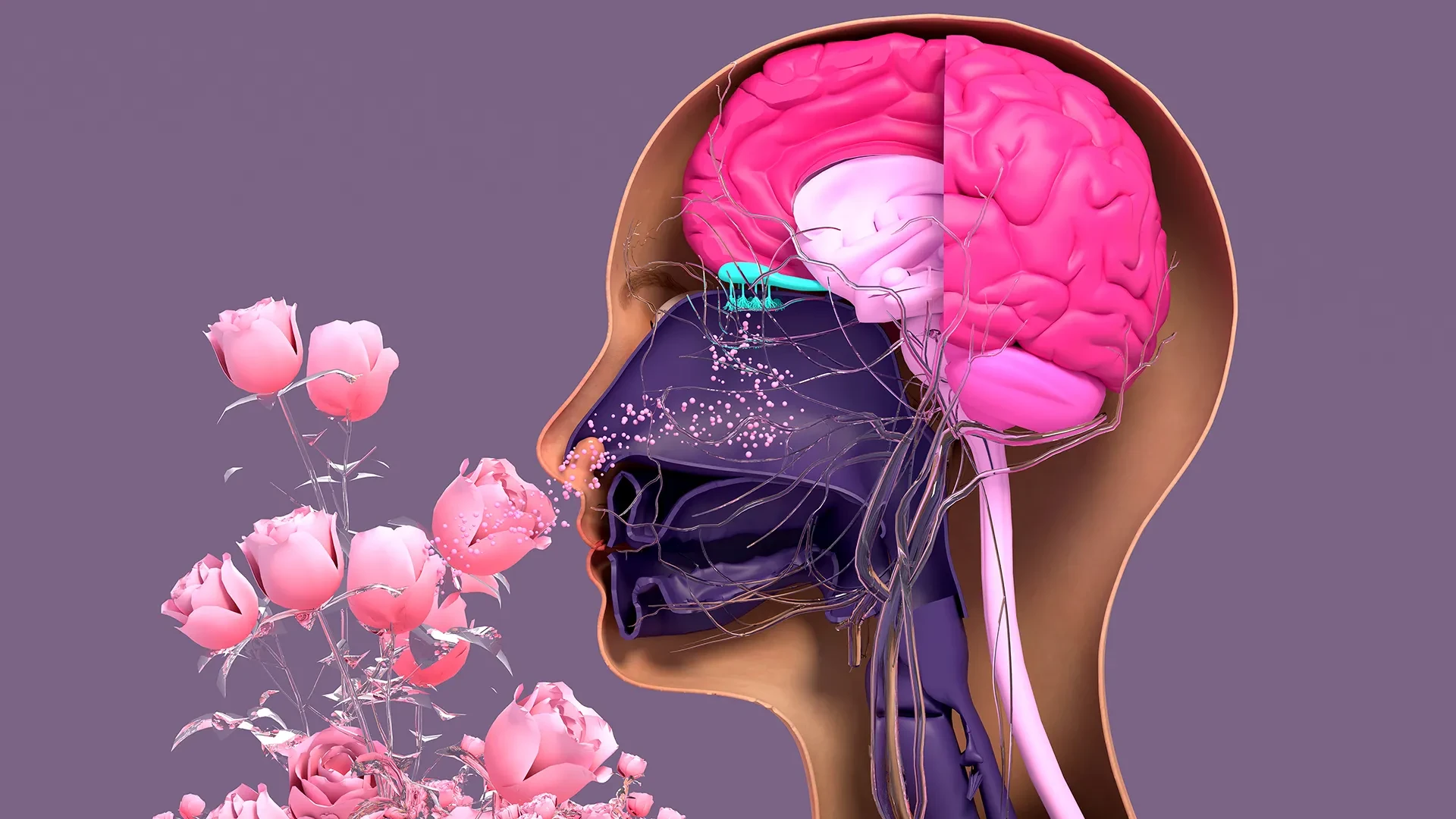
In a significant breakthrough for sensory biology, researchers at Tufts University School of Medicine and the Graduate School of Biomedical Sciences (GSBS) have unveiled a sophisticated three-dimensional model that provides new insights into how the nose regenerates nerve tissue. By observing this process in a controlled environment, the team has uncovered that a specific population of stem cells—previously dismissed as dormant—actually plays a critical, active role in preserving and repairing our sense of smell.
Unlike the neurons within the central nervous system, which are notoriously difficult to repair once damaged, the sensory neurons housed in the nasal cavity possess a remarkable, lifelong capacity for regeneration. This constant turnover allows the olfactory system to withstand the daily barrage of toxins, pathogens, and environmental pollutants it encounters. However, this regenerative ability is not infinite. Factors such as aging, exposure to harmful chemicals, and viral infections—most notably the SARS-CoV-2 virus responsible for COVID-19—can impair the function of these cells. When the delicate cycle of replication is interrupted, the result can be a partial or total loss of the sense of smell, a condition that profoundly impacts the quality of life for millions of individuals.
To better understand the mechanisms behind this decline, the Tufts research team, led by senior author Brian Lin, a research assistant professor in the Department of Developmental, Molecular and Chemical Biology, developed a novel 3D olfactory tissue mouse model. Known as an organoid, this miniature, lab-grown tissue structure mimics the cellular architecture of the nasal cavity. By providing an accessible "window" into the life cycle of olfactory neurons, the model allows scientists to study the precise conditions under which these cells are formed and, crucially, why that process falters over time.
The Interplay of Nasal Stem Cells
The study, which was recently published in the journal Cell Reports Methods, details the complex communication between two primary types of stem cells found in the nose: horizontal basal cells (HBCs) and globose basal cells (GBCs). Traditionally, the scientific community categorized GBCs as the primary drivers of neurogenesis, while HBCs were largely viewed as a dormant reserve, activated only under extreme conditions of injury.
The new research challenges this binary view. "Our research suggests that these two stem cells may be interdependent," Lin explains. "One type that we thought was largely dormant—HBCs—may actually play a crucial role in supporting the production of new neurons and the repair of damaged tissue."
Through the use of their 3D organoid model, the team identified a specific subpopulation of HBCs, characterized by their expression of the protein KRT5. These cells do not merely wait for catastrophic injury to trigger their response; rather, they are actively involved in the ongoing generation of new olfactory neurons. When the researchers selectively depleted these KRT5-expressing HBCs from the organoid cultures, the formation of new neurons dropped off significantly. This evidence confirms that these cells are essential, functional players in the maintenance of the olfactory system, serving as more than just a backup mechanism for the nasal epithelium.
Age-Related Decline and the Future of Sensory Research
The team also utilized the organoid model to investigate the physiological changes that occur as organisms age. By cultivating cells from mice of varying ages, the researchers observed a clear trend: as the mice aged, the capacity of their nasal cells to generate new neurons diminished.
"We found a decline in the ability of the older mice cells to generate new neurons," Lin notes. "We think this is due to a decrease in the GBC population as we age, but we need to do more work to test this hypothesis and, if so, develop ways to rejuvenate them."
This finding opens a new frontier in regenerative medicine. If the decline in smell sensitivity associated with aging is indeed linked to a dwindling pool of GBCs, the next step will be to explore therapeutic interventions aimed at "recharging" or stimulating these stem cell populations to restore function.
Advancing Accessible Science
A central pillar of this research project was the desire to democratize the study of olfactory regeneration. The lead author of the study, Juliana Gutschow Gameiro—a visiting Ph.D. student who joined the team from the State University of Londrina in Brazil—was instrumental in designing a model that is both effective and accessible to labs that may not have vast financial resources or highly specialized equipment.
The urgency of this work has been underscored by the global health landscape of the last few years. "Because loss of smell is associated with COVID-19, as well as with Parkinson’s disease and other conditions, a much larger number of researchers from a variety of different fields have begun researching olfactory epithelial cells in the last few years," says Lin. "We wanted to develop an easy-to-use model so that non-stem cell biologists and those working in labs with limited resources could use it to better understand how olfactory neurons regenerate and what happens that causes that process to diminish or fail completely."
By lowering the barrier to entry, the Tufts team hopes to accelerate the pace of discovery across the global scientific community. The organoid model offers a safer, faster, and more cost-effective alternative to traditional animal testing, providing a more reliable human-relevant context for pre-clinical research.
Towards Human Organoids and Drug Screening
The long-term vision for the Tufts team is to translate the success of their mouse-tissue model into a human-derived organoid. Such a tool would be invaluable for high-throughput drug screening, allowing researchers to test various compounds to identify those that might help restore the sense of smell in patients suffering from post-viral, neurodegenerative, or age-related anosmia.
While organoid technology has already seen success in modeling lungs, kidneys, and other human organs, the development of human olfactory organoids remains a formidable challenge. The primary obstacle is the difficulty of isolating pure olfactory stem cells from human samples. When doctors perform a biopsy—typically by using a brush-like instrument to collect cells from the deep nasal cavity—the sample inevitably contains a mixture of both respiratory stem cells and olfactory stem cells. Distinguishing between the two and coaxing them to grow independently in a laboratory setting has proven technically difficult.
Despite these challenges, the team remains optimistic. The success of their mouse model has provided a robust proof-of-concept, establishing the biological framework necessary to interpret data from complex tissue cultures. Their current focus is on refining the technique for separating these specific human stem cells and establishing the optimal laboratory conditions to encourage their growth and differentiation.
As researchers continue to decode the intricate communication between stem cells in the nose, they move closer to answering fundamental questions about the resilience of the human sensory system. By proving that even "dormant" cells are vital to our daily biological function, this study not only challenges established paradigms in developmental biology but also charts a clear, actionable path toward potential treatments for those who have lost their connection to the world of scent. The work of the Tufts team serves as a testament to the power of accessible, innovative modeling in the ongoing quest to understand—and eventually heal—the human body.