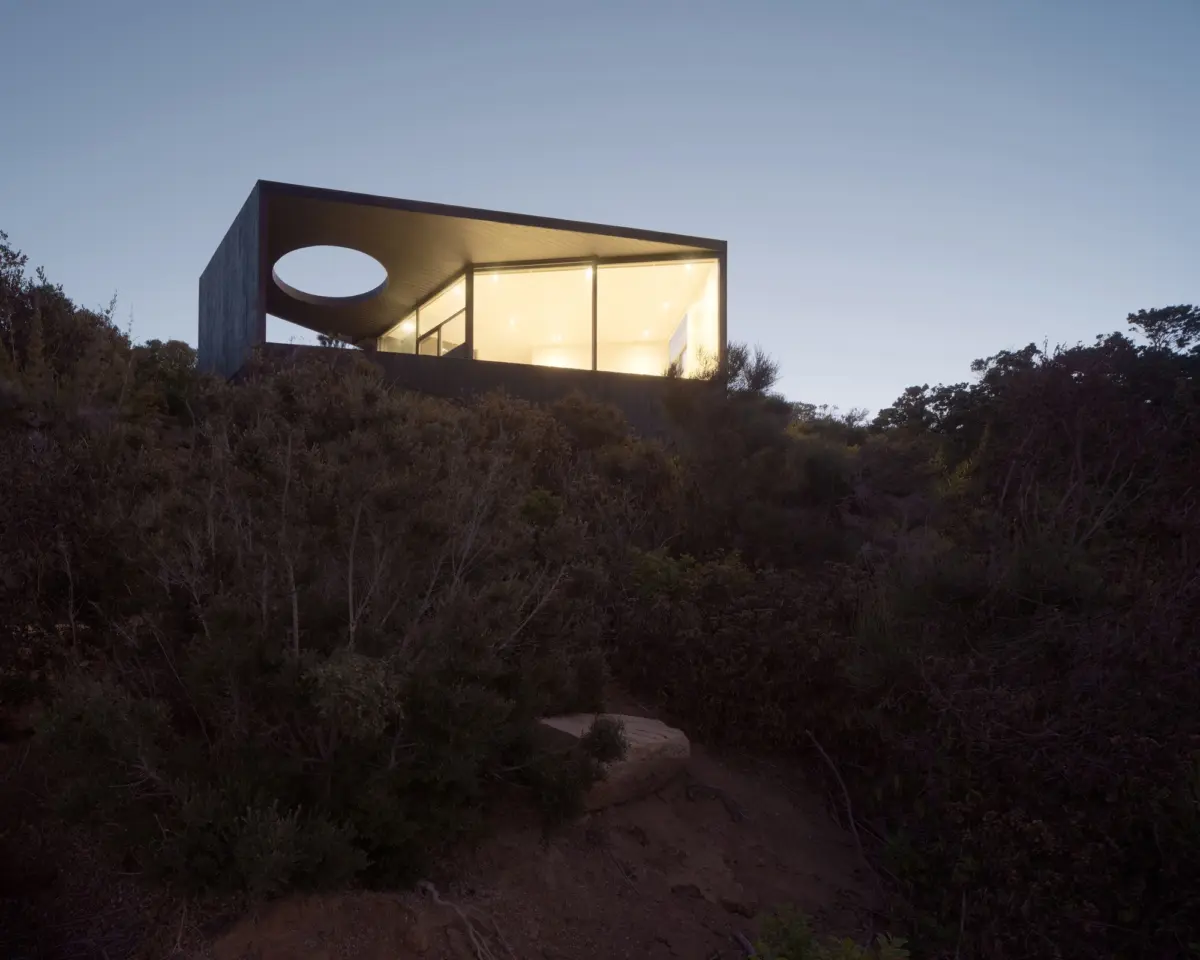
In an architectural landscape often dominated by grand civic monuments, towering commercial skyscrapers, and high-density residential developments, a quiet counter-movement is taking shape—one that prioritizes rest, human biology, and psychological well-being. Architectural studio WHALE! has captured the attention of the design community with the completion of their latest innovative commission: the "Pavilion for Good Sleep" (known in its native Spanish as Pabellón para el Buen Dormir). Curated for architectural publication by Paula Pintos and beautifully documented through the lens of photographer Felipe Fontecilla, the project introduces a deeply contemplative approach to spatial design, centering its entire existence around the fundamental human need for restorative slumber.

Unveiled in October 2026, the Pavilion for Good Sleep breaks away from conventional architectural programs by treating sleep not merely as a passive biological function to be accommodated in a standard bedroom, but as an active, restorative experience that should be carefully sculpted by the built environment. According to the design philosophy articulated by the architects at WHALE!, the very geometry and orientation of a space dedicated to rest must be thoughtfully calibrated to natural rhythms. At the core of the pavilion’s spatial strategy lies a foundational principle of bioclimatic and human-centric design: "A pavilion for good sleep requires an eastern orientation, to wake up with the morning sun."

This deceptively simple directive serves as the anchor for the entire project. By strategically orienting the pavilion toward the east, WHALE! establishes a direct dialogue between the interior occupant and the celestial mechanics of the Earth. Waking up with the morning sun is a biological trigger, deeply rooted in human circadian rhythms. Exposure to natural, low-angle morning light helps regulate melatonin production, resets the internal biological clock, and promotes alertness and emotional well-being throughout the day. Rather than relying on harsh artificial alarms or relying on blackout environments that completely sever ties with the outside world, the pavilion embraces a symbiotic relationship with daylight, allowing the gentle ingress of dawn to mediate the transition from sleep to wakefulness.

The architectural execution of the Pavilion for Good Sleep reflects a meticulous attention to detail, balancing raw functionality with a serene aesthetic. Photographed extensively by Felipe Fontecilla, the project reveals a harmonious composition of clean lines, thoughtfully integrated apertures, and materiality that encourages tactile and visual tranquility. Exterior photography highlights how the pavilion sits unobtrusively within its environment, acting as a gentle threshold between the natural landscape and the private sanctuary within. The structure avoids imposing geometries, opting instead for a subdued, low-profile footprint that respects the surrounding topography and encourages a sense of grounding.

Inside, the pavilion is organized to support the rituals of daily life that precede and follow sleep, without ever overwhelming the user with unnecessary complexity. Interior views capture spaces that feel simultaneously intimate and expansive. The integration of carefully placed windows and glass elements allows natural light to filter softly into the living quarters, kitchen areas, and bedroom spaces. In the kitchen and countertop zones, sleek surfaces and understated fixtures maintain a minimalist cleanliness, ensuring that visual clutter is kept to an absolute minimum—a crucial factor in reducing psychological stress and promoting a calm state of mind before resting.

The bedroom itself serves as the ultimate emotional and functional culmination of the architectural narrative. Rather than treating the sleeping quarters as an afterthought tucked away at the back of a floor plan, WHALE! elevates it to the primary architectural focus. Framed views through delicate glazing connect the occupant directly to the shifting tones of the morning sky, turning the act of waking up into a sensory experience. The interplay of shadow and light across the interior surfaces throughout the day reinforces a quiet, meditative atmosphere, offering a physical manifestation of slowness and pause.

As architectural practices globally grapple with the burnout culture of contemporary urban life, projects like the Pavilion for Good Sleep offer a compelling alternative vision. WHALE! has successfully demonstrated that architecture can function as a therapeutic medium, capable of actively contributing to human health and psychological recovery. By anchoring their design in the simple, profound act of orienting toward the morning sun, the architects have elevated a modest pavilion into a powerful statement on the future of wellness-oriented design. The project stands as a reminder that sometimes the most radical architectural intervention is one that simply allows us to rest better, wake naturally, and reconnect with the rhythms of the natural world.