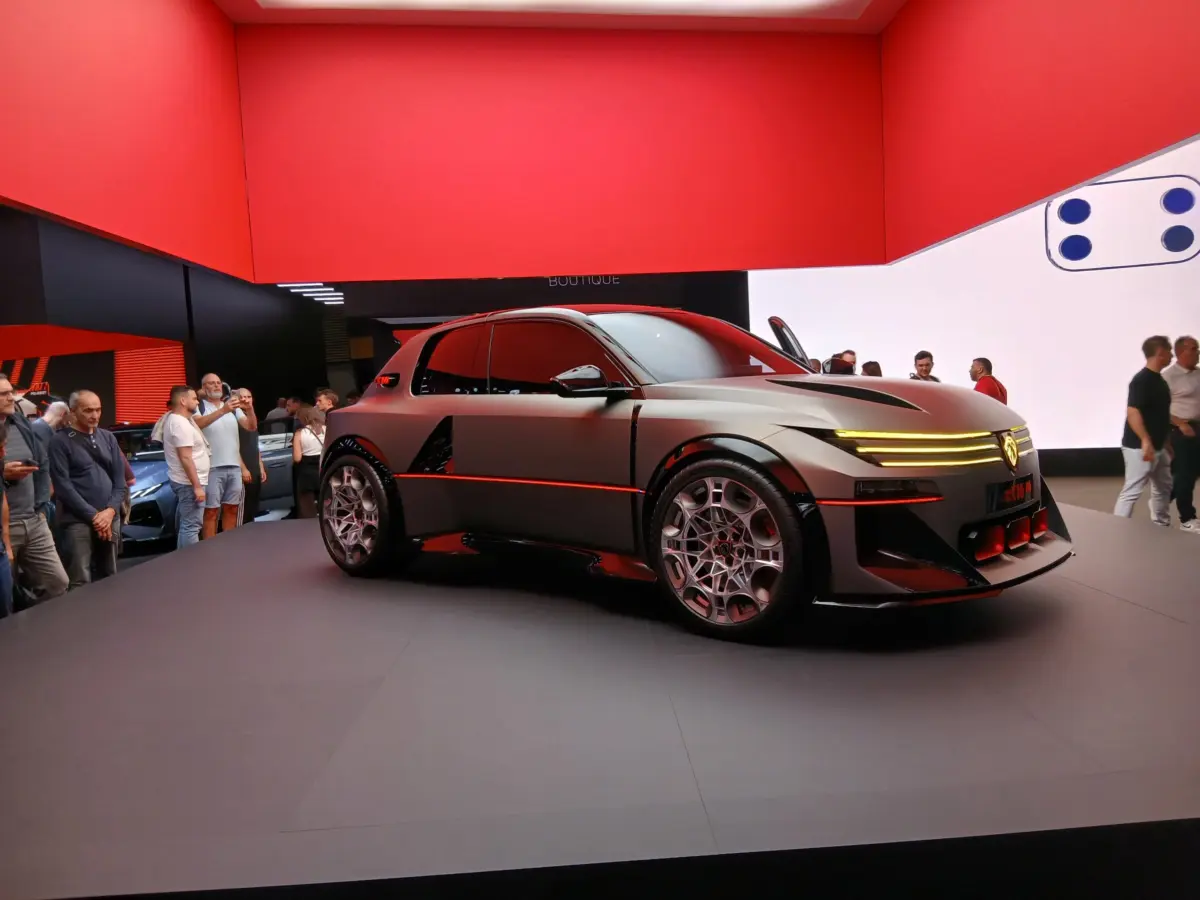
The 2026 Paris Auto Show felt fundamentally different this year. Despite notable absences from major legacy players like BMW, MG, and the majority of Japanese original equipment manufacturers, the exhibition floor was larger and more densely packed than in recent editions. This year’s event captured an automotive industry caught in the middle of seismic, fast-moving shifts, highlighted by the aggressive rise of Chinese automakers and the determined pushback from European legacy brands.
The bright, confident stands of Chinese automakers—spanning industry giants like BYD and Geely alongside agile innovators like XPENG—signaled a definitive new era in Europe’s car market. These Chinese challengers are actively capturing market share from legacy manufacturers, offering sleek, affordable electric vehicles packed with advanced technology and specifications explicitly tailored to mainstream European buyers.
European legacy brands are clearly feeling the mounting pressure, and it is showing in their strategic responses. The exhibition featured a wave of retro-futuristic reveals, faster electric vehicle development cycles, sharper pricing strategies, and a renewed emphasis on heritage-inspired design. The underlying message from European boardrooms is unmistakable: they do not intend to cede the market without a fight. After years of distant warnings, European manufacturers have finally realized that China’s automotive rise is occurring right now, directly on European soil.
Consequently, European automakers are reviving the city car category, a segment that had been largely neglected for years due to slim profit margins. Coincidentally, this is a category that most Chinese OEMs have largely bypassed during their initial European expansion, as low-margin city cars are heavily impacted by current European Union tariffs. The billion-euro question hanging over the exhibition halls is whether local original equipment manufacturers will successfully navigate this fierce new competitive landscape.
The 2026 Paris Auto Show served as a snapshot of an industry in transition, previewing several key models expected to drive high-volume sales across Europe over the next few years.
Smart #2
The Smart #2 emerged as a standout vehicle of the exhibition. After years of exploring various crossover formats and even a midsize fastback, the brand has returned to its roots by recreating its iconic tiny two-seater, now designated as the #2. Equipped with a significantly larger 36 kWh lithium iron phosphate battery, the #2 achieves a WLTP driving range of 290 kilometers, enabling it to venture beyond city limits into longer highway journeys. A 308-liter trunk provides practical luggage space.
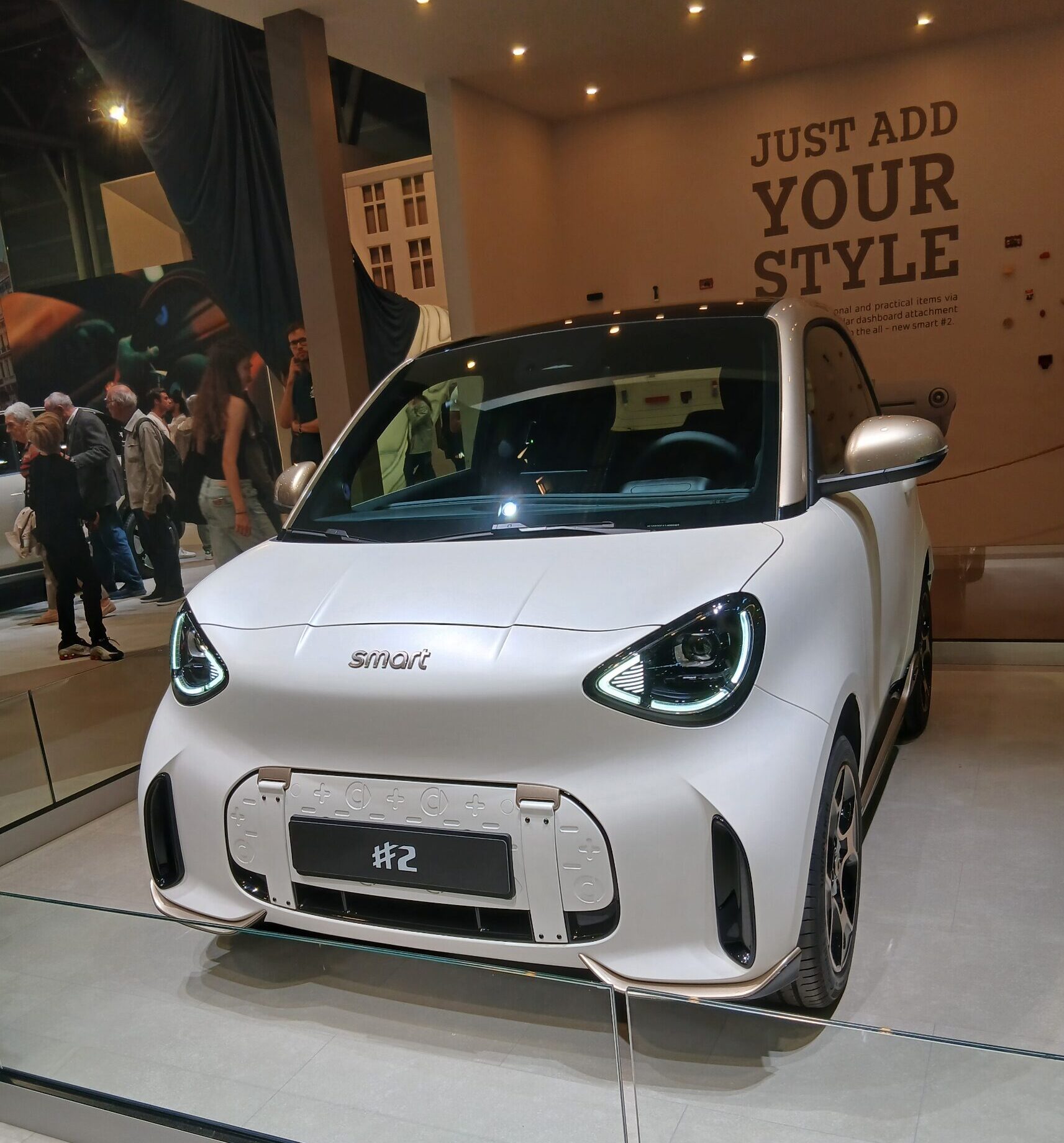
Priced starting at around 20,000 euros, it is not an ultra-budget vehicle, but brands like Smart and Mini have historically commanded a premium while maintaining strong consumer demand. The design represents an evolution rather than a revolution, retaining the distinctive styling cues that made the original two-seater instantly recognizable. While it occupies a niche market, its predecessor regularly achieved sales of around 100,000 units per year during its peak. Industry watchers project a feasible target of roughly 40,000 units annually, with potential for growth if a convertible variant launches. To ensure profitability across its city car lineup, Smart will likely require a companion model, such as a four-seater variant reminiscent of the historical Smart Forfour, which could generate an additional 30,000 units per year.
Citroën 2 CV
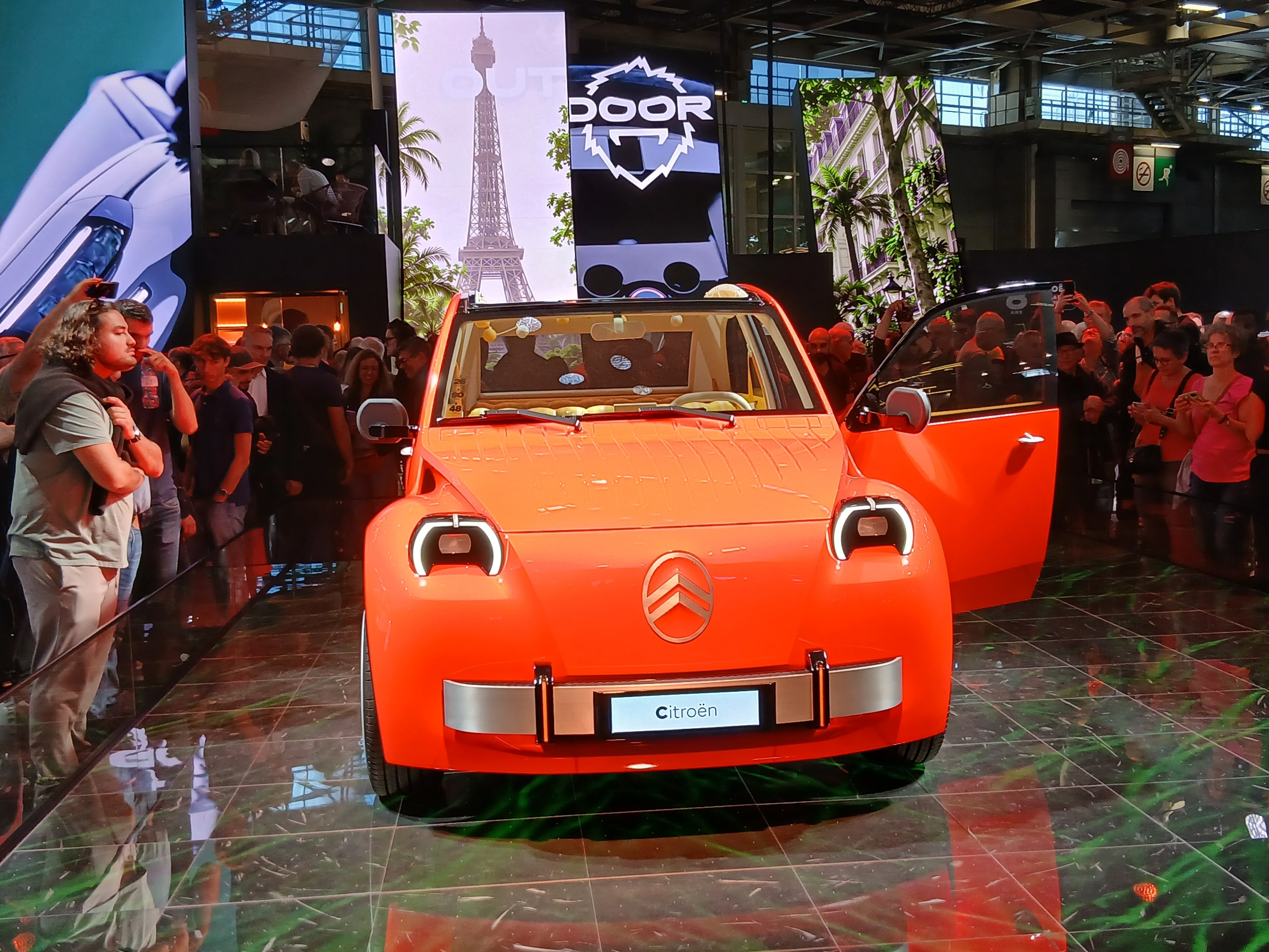
Following Renault’s success in reimagining classic models like the R5, R4, and Twingo, Stellantis has also embraced the retro wave by revisiting the Citroën museum to revive the legendary 2 CV for the 21st century. Reinventing a vehicle with such a unique historical footprint is a formidable challenge, but the design team succeeded in creating a modern, accessible city car with a competitive starting price of 15,000 euros.
However, industry observers noted two potential drawbacks. First, customer deliveries will not begin until 2028, meaning competitors such as the Renault Twingo family and Volkswagen models will already be well-established in the market. A simultaneous launch would have capitalized on immediate momentum. Second, while the original 2 CV functioned practically as an early compact crossover with rough-road capabilities, the new iteration is smaller and adopts a more traditional urban footprint. A slightly larger crossover approach, comparable to the Renault 4, might have carved out a more distinctive identity, leaving the pure city car segment to platform siblings like the next-generation Fiat Panda.
Despite these strategic considerations, analysts expect the new Citroën 2 CV to perform well, targeting roughly 50,000 units annually. Combined with the anticipated 60,000 units for the Fiat Panda and production from a third Leapmotor-platform sibling, the collective output of this Stellantis-aligned trio is projected to reach 170,000 units per year, securing solid profitability in the segment.
Dacia Spring
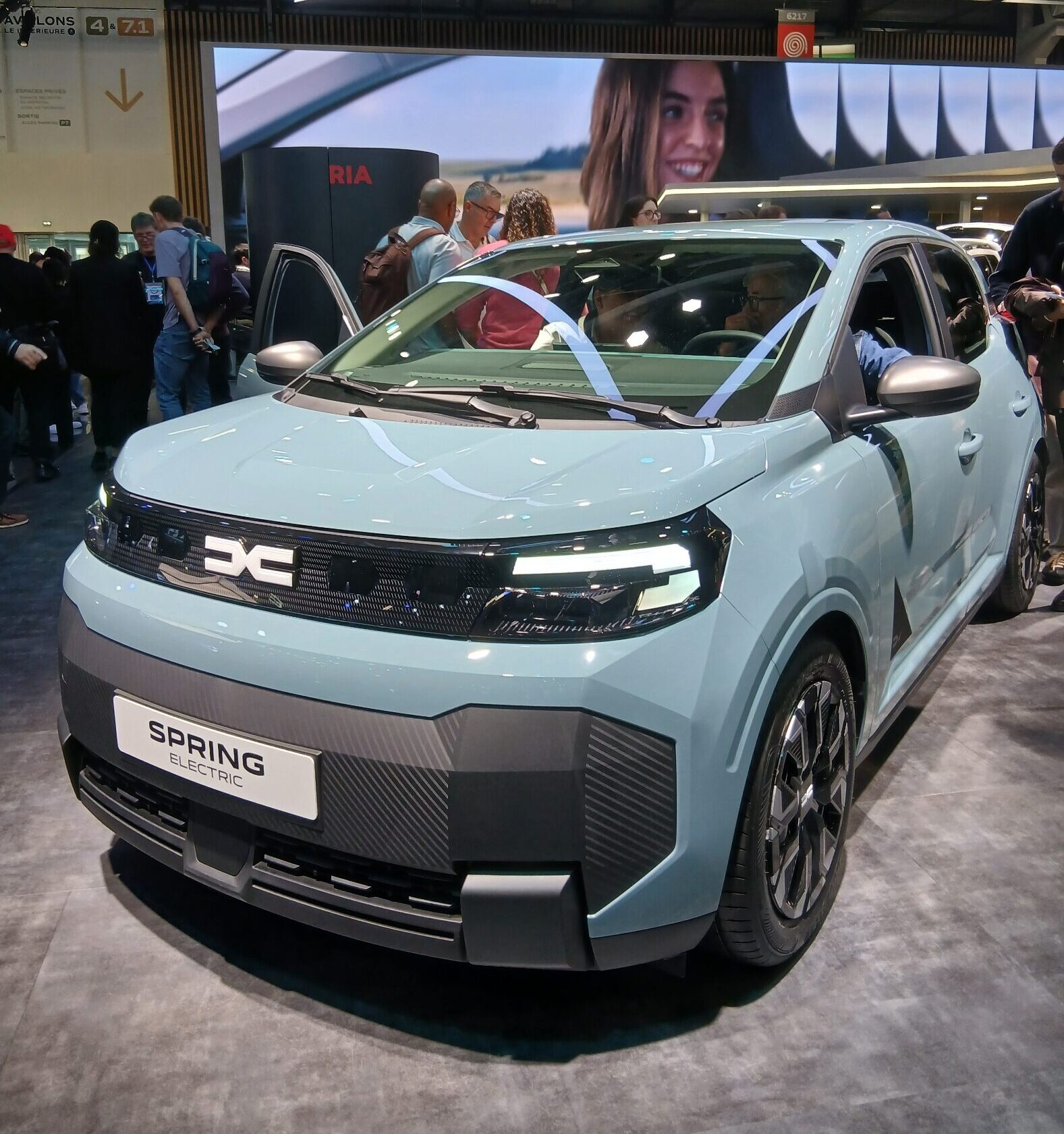
Demonstrating how identical mechanical underpinnings can yield entirely different market propositions, the new Dacia Spring contrasts sharply with its platform partner, the Renault Twingo. While the Twingo leans into a playful, fluffy aesthetic, the Spring maintains Dacia’s rugged, value-driven identity.
Retaining specifications similar to the Twingo, the updated Spring offers enhanced interior space, improved technology and refinement, and a more mature exterior design. Priced around 18,000 euros, it remains one of the most affordable electric vehicles in Europe. Furthermore, production in Novo Mesto, Slovenia, qualifies the vehicle for regional subsidies across multiple European nations, enhancing its accessibility.
While the Smart #2 captures the premium end of the urban segment and the Renault Twingo serves as the mainstream default, the Dacia Spring is positioned to remain the benchmark for budget-conscious buyers. Analysts project annual sales between 50,000 and 60,000 units. Together with the Renault Twingo’s projected 60,000 units and an anticipated 10,000 units for the new Nissan Pixo, the Renault-Nissan Alliance’s city car portfolio appears primed for commercial success.
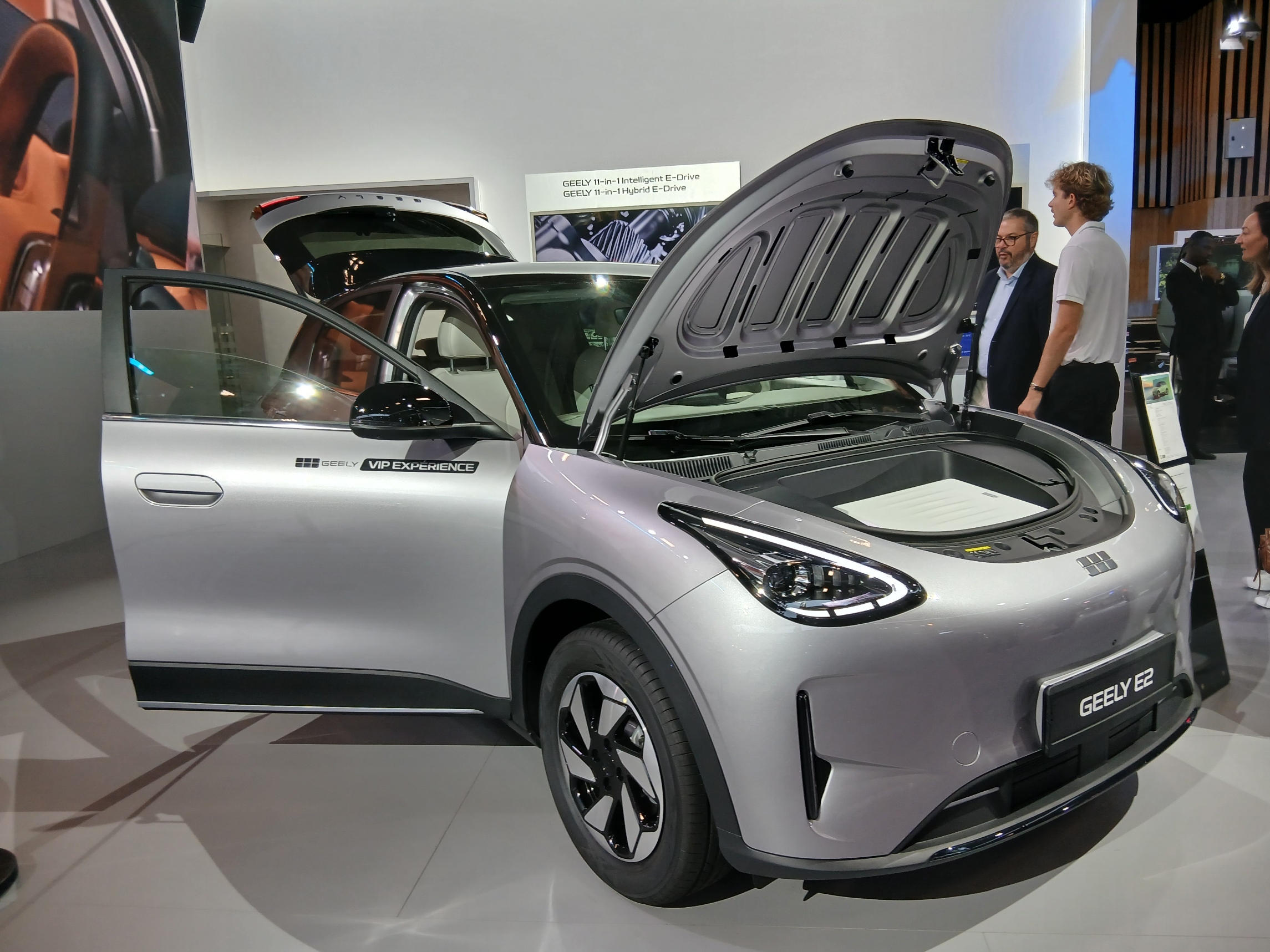
Geely E2
While its sister brand Zeekr showcased the massive 9X crossover—a vehicle better suited for North American roadways than narrow European streets—Geely presented its top-selling E2 hatchback, marketed as the Xingyuan in China and the EX2 in other export markets.
The E2 stands out for its spacious and modern interior, which includes a front trunk capable of holding carry-on luggage and material quality typically associated with a higher vehicle segment. Despite these attributes, its starting price hovers around 20,000 euros, undercutting most B-segment competitors. Rational assessments suggest it represents one of the most practical small electric vehicles available in Europe, offering substantial interior room and a 375-liter trunk, particularly in its 47 kWh configuration. The primary compromise is performance: the most powerful variant produces 116 horsepower and accelerates from zero to 100 kilometers per hour in 11.5 seconds. Nevertheless, the Geely E2 is widely expected to replicate its domestic success, with a target of approximately 60,000 units per year in Europe.
Leapmotor B03
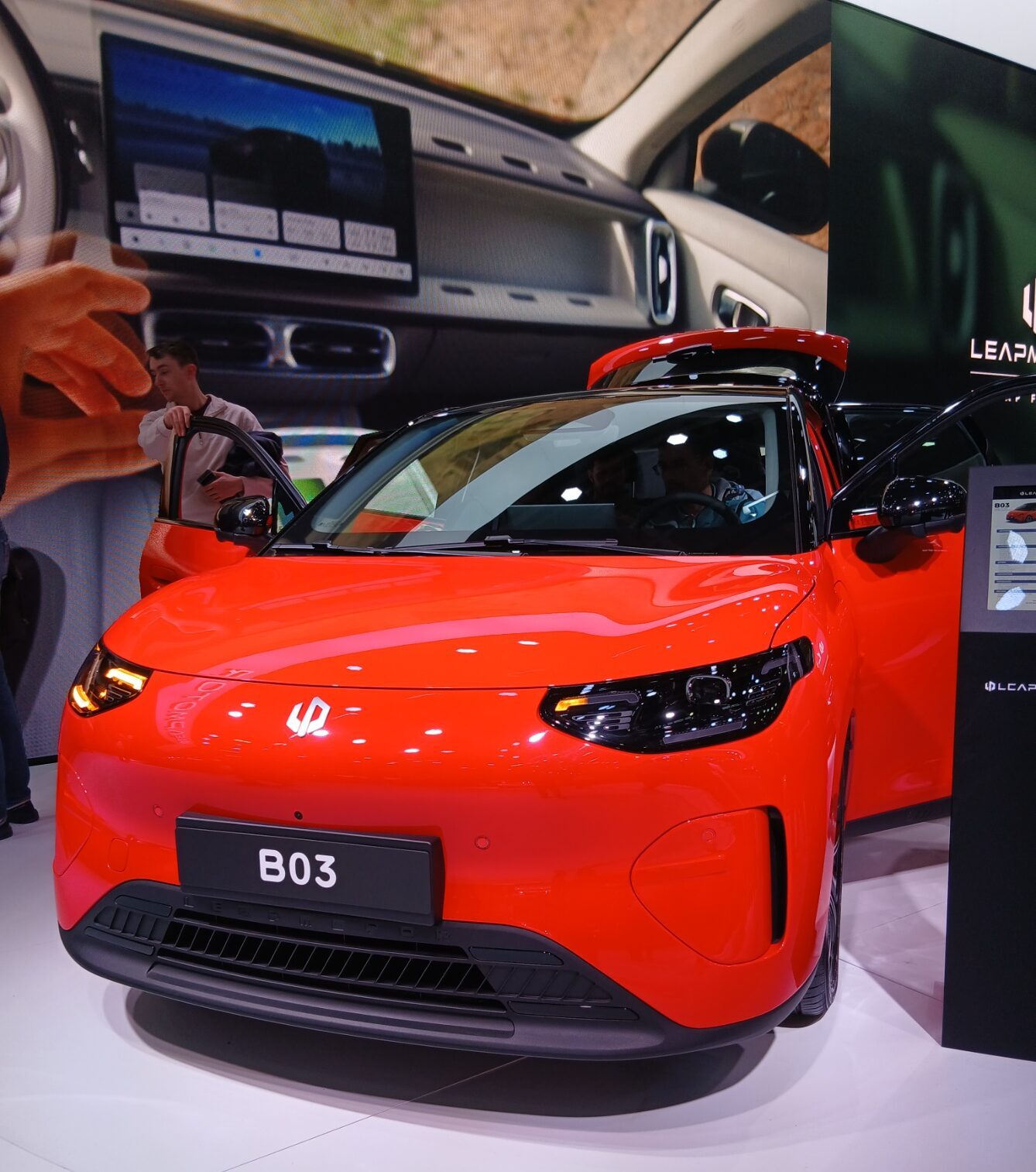
Building on the momentum of models like the Leapmotor T03 city car and the B10 crossover, the Chinese startup is introducing the B03 small hatchback to Europe. Competing directly with the Geely E2, the B03 matches its rival’s spacious interior and competitive starting price of approximately 20,000 euros.
While interior material quality slightly trails the Geely, the Leapmotor compensates with faster charging capabilities—supporting up to 133 kW compared to the Geely’s 70 kW—and slightly extended driving range. Both models present compelling value propositions, with Leapmotor targeting an annual volume of around 50,000 units in Europe.
Peugeot 208
Stellantis management also looked to motorsport history for inspiration, referencing the iconic Peugeot 205 T16 to develop a concept previewing the next-generation Peugeot 208. Alongside a design hint at high-performance ambitions, the production-bound 208 promises a WLTP driving range of up to 500 kilometers and improved charging speeds over the current 100 kW limit.
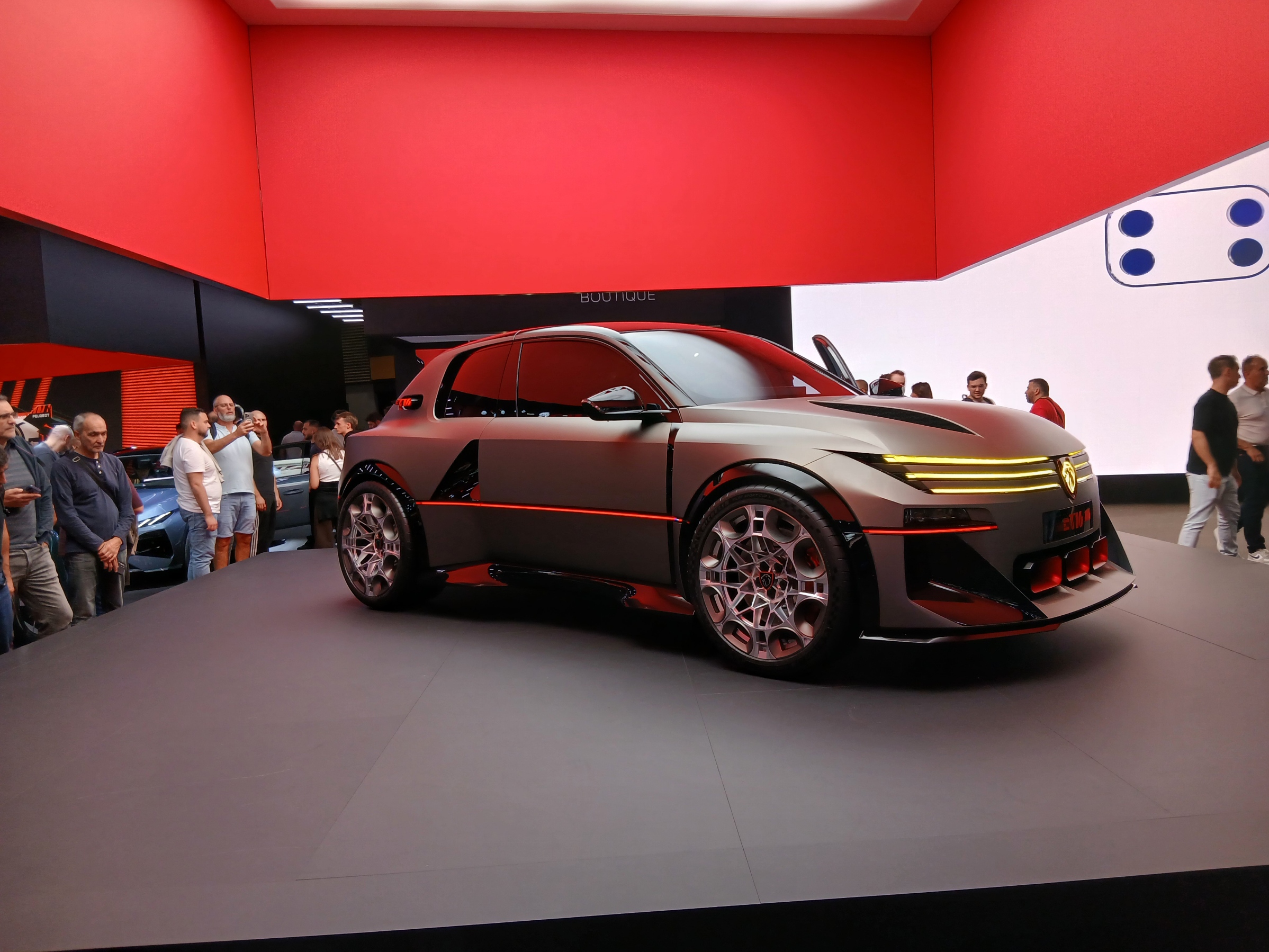
Positioned at a higher price point, the new 208 relies on distinct styling and advanced specifications to attract buyers emotionally. This approach reflects a broader strategy by European automakers to leverage design appeal as they close gaps in technology and pricing. Historically Stellantis’s best-selling model, the new 208 targets a baseline of 70,000 to 80,000 units per year.
Xpeng L03
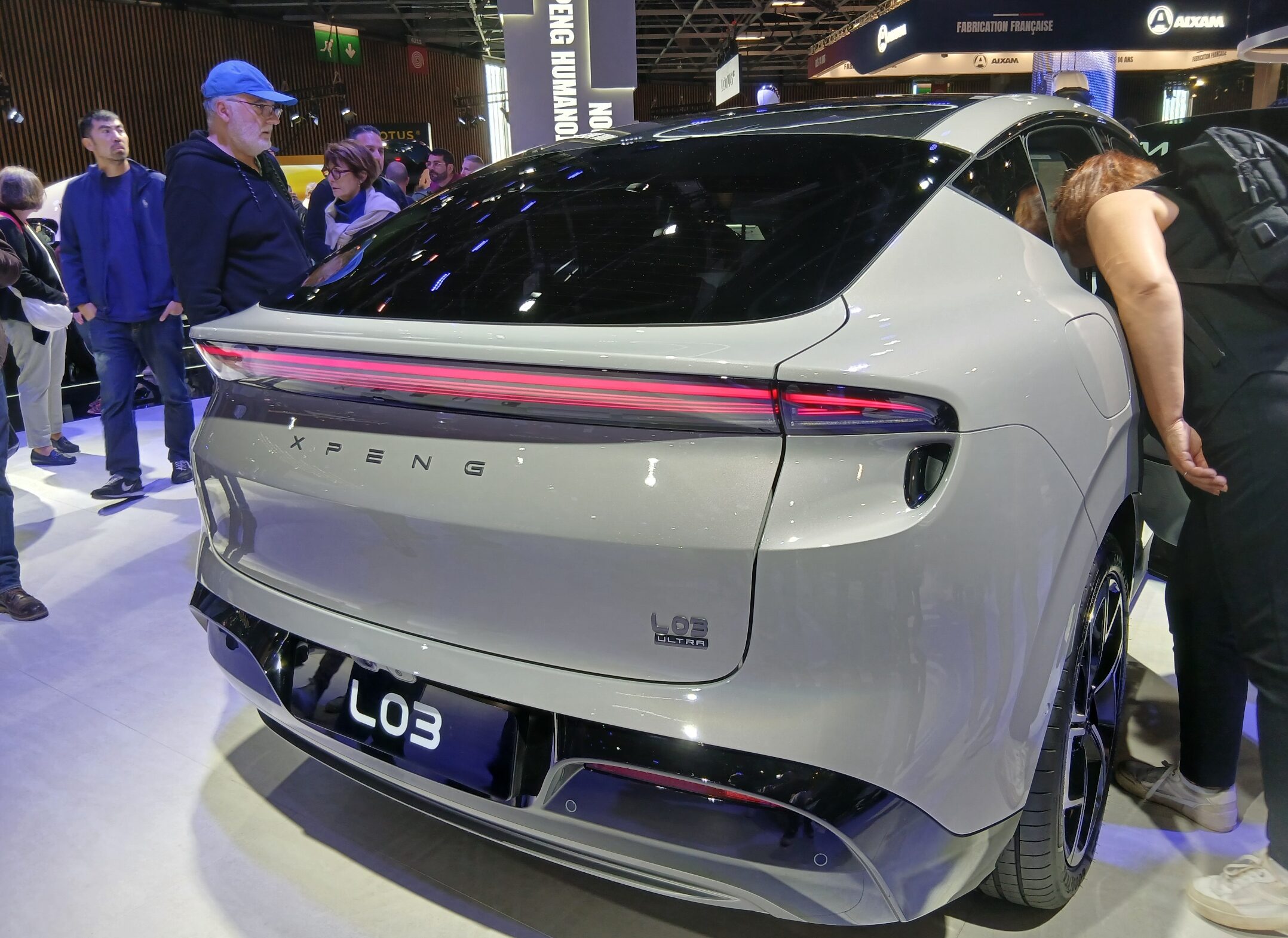
Xpeng continues to tailor its portfolio to European preferences with the L03, a compact crossover combining front styling reminiscent of Polestar with rear design cues inspired by Lotus. The vehicle incorporates signature Xpeng attributes, including a premium interior, advanced driver-assistance technology, 236 kW fast charging, a 520-kilometer WLTP range, and a competitive starting price around 35,000 euros.
Positioned as a cost-effective alternative to dominant market leaders, the L03 is projected to become Xpeng’s European best seller, with an estimated 40,000 to 50,000 units sold annually, constrained primarily by the ongoing expansion of the brand’s retail network.
Audi A2 e-tron
Audi introduced the A2 e-tron, a retro-inspired compact model sharing structural foundations with the Volkswagen ID.3. While the design echoes the original A2’s functional quirks, the vehicle delivers exceptional efficiency and a competitive WLTP range of up to 646 kilometers.
However, its high starting price of approximately 38,000 euros positions it at the premium end of the segment. Market analysts anticipate steady demand, projecting annual sales of around 50,000 units.
Additional notable vehicle appearances at the exhibition included Chery’s QQ3 EV, the Hyundai IONIQ 3 hatchback, Changan’s Nevo Q05 crossover, the new Mercedes GLA EV, and Tesla’s Cybercab. The Cybercab drew significant attention for its sleek coupé proportions adapted to Tesla’s cyber-design language, though industry analysts noted disappointment that management chose not to offer a version equipped with a traditional steering wheel and pedals for broader consumer application.