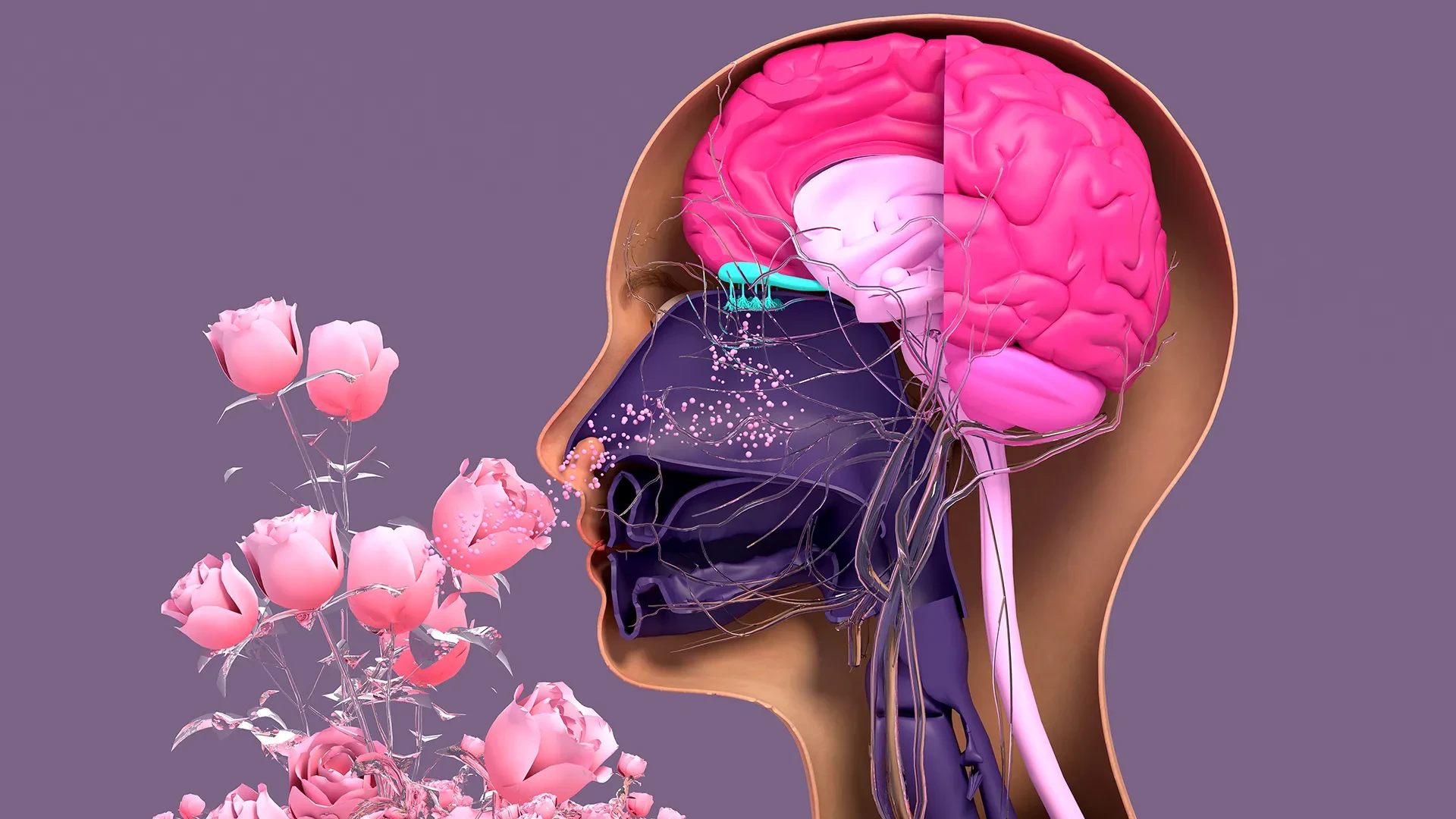
Researchers at the Tufts University School of Medicine and the Graduate School of Biomedical Sciences (GSBS) have unlocked a critical mystery regarding the human sense of smell. Using a newly devised, three-dimensional model to study the regeneration of nerve tissue in the nasal cavity, the team has discovered that a specific type of stem cell, long dismissed by the scientific community as dormant, plays a far more pivotal role in preserving olfactory function than previously understood. This breakthrough provides a promising new avenue for addressing the loss of smell, a condition that has gained significant public health attention following the COVID-19 pandemic.
The sensory neurons located in the nasal cavity possess a unique and remarkable biological characteristic. Unlike the cells of the central nervous system, which are notoriously difficult to repair or replace once damaged, olfactory sensory neurons are capable of regenerating throughout an individual’s entire life. This constant cycle of renewal is essential, as these cells are frequently exposed to the harsh, unpredictable conditions of the outside world, including pollutants, pathogens, and environmental toxins.
Despite this inherent regenerative capacity, the system is not infallible. Viral infections, such as those caused by SARS-CoV-2, chronic exposure to environmental toxins, or the natural progression of aging can significantly diminish the function of these neurons. When these cells lose their ability to replicate or maintain their integrity, patients may experience anosmia—a partial or complete loss of the sense of smell. To better understand the mechanics behind this decline, the Tufts research team developed an easy-to-create, three-dimensional olfactory tissue mouse model, or organoid. This tool allows scientists to observe the continuous formation of neurons in a controlled environment and investigate why this regenerative process eventually falters in the face of disease or senescence.
The team’s findings, recently published in the journal Cell Reports Methods, provide a detailed map of how two specific types of stem cells—horizontal basal cells (HBCs) and globose basal cells (GBCs)—interact to develop new smell-sensing tissue. Historically, HBCs were considered largely inactive or "dormant" reserve cells that only engaged during extreme injury. However, the new organoid model suggests that the biological reality is far more collaborative.
"Our research suggests that these two stem cells may be interdependent," explains Brian Lin, senior author of the study and a research assistant professor in the Department of Developmental, Molecular and Chemical Biology at Tufts. "One type that we thought was largely dormant—HBCs—may actually play a crucial role in supporting the production of new neurons and the repair of damaged tissue."
Through the use of the new 3D model, the researchers were able to identify a specific subpopulation of HBCs, distinguished by their production of the KRT5 protein. These cells were found to be active participants in the generation of new olfactory neurons. When the team selectively depleted these KRT5-positive HBCs from the organoid cultures, the generation of new neurons was significantly impaired. This observation serves as strong evidence that these cells are not merely bystanders waiting for a catastrophic event; rather, they are essential, active components of the daily regenerative process.
The study also shed light on the impact of aging on this process. By utilizing cells harvested from mice of varying ages and cultivating them within the organoid model, the team observed a distinct decline in the regenerative capacity of cells derived from older subjects. Lin notes that the team suspects this degradation is linked to a reduction in the GBC population as the organism ages. "We think this is due to a decrease in the GBC population as we age, but we need to do more work to test this hypothesis and if so, develop ways to rejuvenate them," Lin says.
An Accessible Tool for Global Research
A primary goal of this study, spearheaded by lead author Juliana Gutschow Gameiro, was to democratize access to this type of research. Gameiro, a former Ph.D. student who visited GSBS from the State University of Londrina in Brazil, focused her efforts on creating a model that is both reliable and easily reproducible in laboratory settings that may not have access to expensive, high-end equipment or massive funding.
The urgency of this work has been amplified by the global prevalence of olfactory dysfunction. "Because loss of smell is associated with COVID-19, as well as with Parkinson’s disease and other conditions, a much larger number of researchers from a variety of different fields have begun researching olfactory epithelial cells in the last few years," says Lin. By simplifying the model, the researchers hope to enable scientists—even those who are not specialized stem cell biologists—to explore the mechanisms of neuron regeneration. Making the model accessible helps researchers across the globe investigate why the olfactory system fails in certain patients and how those failures might be prevented or reversed.
The Path Toward Human Organoids
The successful development of the mouse-tissue organoid is viewed as a foundational step toward a much larger objective: the creation of a human olfactory organoid. Such a model would be an invaluable tool for pharmaceutical screening, allowing researchers to test potential drugs on human tissue to treat people suffering from chronic smell loss.
Organoids offer a significant advantage over traditional research methods, such as animal testing or existing human cell cultures. They are faster to develop, more cost-effective, and potentially more predictive of human responses to treatment. While organoid models have already been successfully created for other organs, including the lungs and kidneys, human olfactory tissue remains a significant challenge.
"It’s challenging to get pure olfactory tissue from humans," Lin explains. Currently, obtaining samples requires the patient to be anesthetized while a brush, similar to a COVID-19 test swab, is inserted deep into the nasal cavity. A significant hurdle in this process is that, unlike the mouse model, the human samples collected via this method contain a mixture of respiratory and olfactory stem cells, which are notoriously difficult to separate.
The research team is now focused on the next phase of their project: developing a simple, cost-effective technique to isolate human olfactory stem cells and cultivate them in the laboratory. By overcoming this technical barrier, the team hopes to pave the way for a new era of regenerative medicine for the sense of smell. As researchers continue to refine these organoid models, the dream of effectively treating smell loss—whether caused by viral infection, neurodegenerative disease, or the natural process of aging—moves closer to reality. The interdependency of HBCs and GBCs, once a biological enigma, is now a target for potential therapeutic intervention, offering hope to millions who have lost their connection to the world through scent.