Researchers at the Tufts University School of Medicine and the Graduate School of Biomedical Sciences (GSBS) have unlocked a critical piece of the puzzle regarding how the human nose repairs its sensory tissue. By utilizing a newly devised, three-dimensional model to observe nerve regeneration, the team discovered that a specific type of stem cell, long dismissed by the scientific community as dormant, is actually a vital engine for preserving the sense of smell.
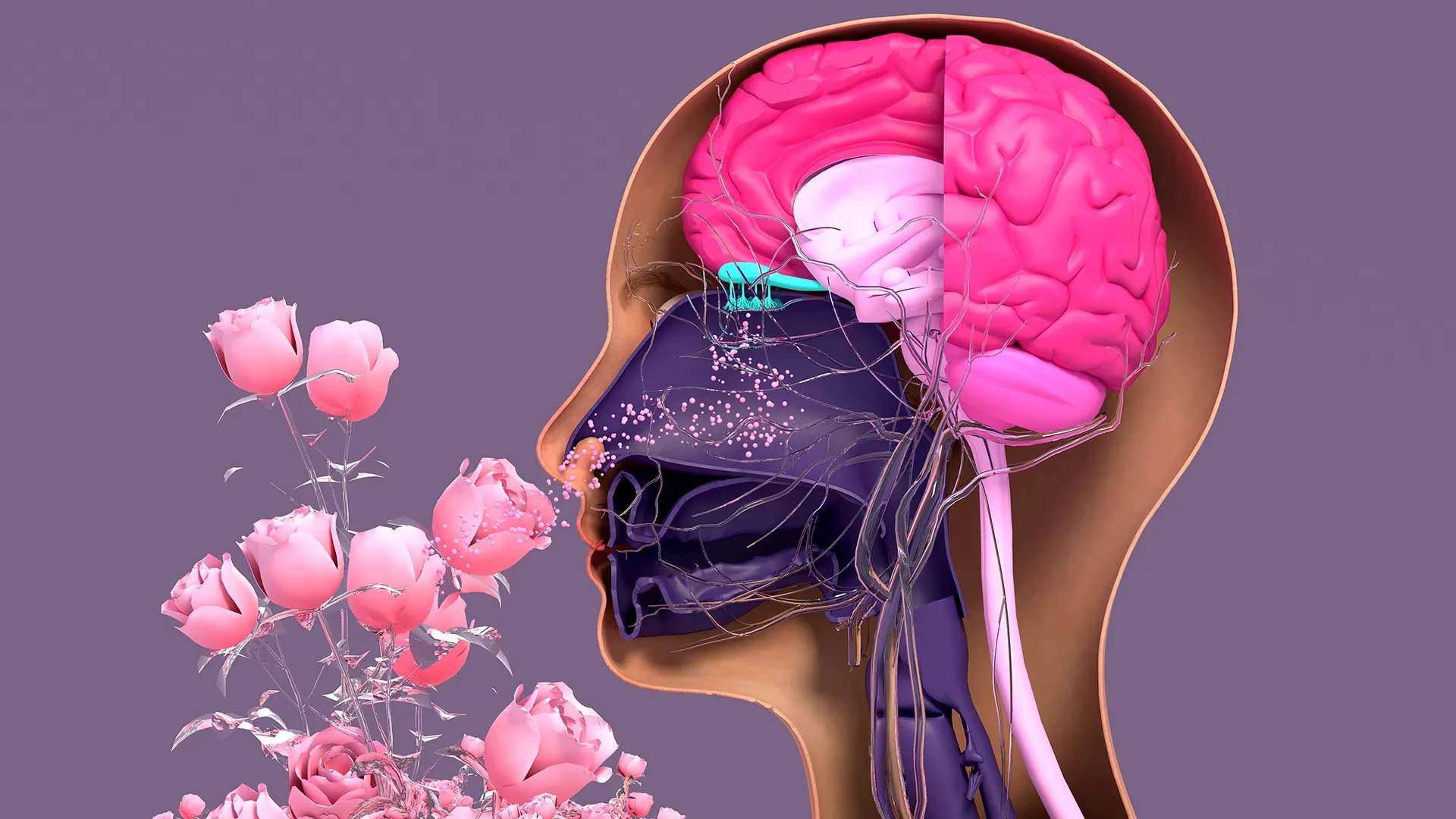
The findings, recently published in Cell Reports Methods, offer a fresh perspective on the mechanisms of olfactory health. While the central nervous system is notoriously difficult to repair after injury, the sensory neurons in the nasal cavity possess a unique and remarkable capacity to regenerate throughout a person’s entire lifespan, even as they face constant exposure to environmental pathogens and pollutants. This regenerative ability is what allows the sense of smell to endure despite the daily wear and tear of inhaling foreign particles.
However, this process is not infallible. Viral infections—most notably the respiratory inflammation associated with COVID-19—as well as toxic chemical exposure and the natural processes of biological aging can severely impair the function of these neurons. When these cells lose their ability to replicate or maintain their integrity, the result is often a partial or total loss of smell, a condition that can have profound impacts on a person’s quality of life, nutritional health, and mental well-being.
To better understand why this regenerative capacity falters in aging or disease, the Tufts research team developed a three-dimensional olfactory tissue mouse model, known as an organoid. This tool allows scientists to observe the granular mechanics of how neurons are continuously formed within the nasal cavity and, crucially, where the system breaks down when disease sets in.
The study centers on the complex interaction between two primary types of stem cells found in the nose: horizontal basal cells (HBCs) and globose basal cells (GBCs). Traditionally, the scientific consensus held that GBCs were the primary drivers of neurogenesis, while HBCs were viewed as a dormant reserve, only activated in the event of catastrophic tissue damage.
"Our research suggests that these two stem cells may be interdependent," explains Brian Lin, senior author on the study and a research assistant professor in the Department of Developmental, Molecular and Chemical Biology at Tufts. "One type that we thought was largely dormant—HBCs—may actually play a crucial role in supporting the production of new neurons and the repair of damaged tissue."
Through the use of the new 3D organoid model, the team identified a specific subpopulation of HBCs, distinguished by their expression of the protein KRT5. These cells were found to be anything but dormant; they appear to be active facilitators of new olfactory neuron generation. When the researchers selectively depleted these KRT5-producing HBCs from the organoid cultures, the ability of the tissue to generate new neurons was significantly impaired. This observation provides compelling evidence that these cells are essential, rather than peripheral, to the ongoing regenerative process.
The implications of this discovery extend to the study of aging. In their experiments, the team cultured cells from mice of different ages to observe how regenerative capacity changes over time. They noted a distinct decline in the ability of cells taken from older mice to generate new neurons.
"We think this is due to a decrease in the GBC population as we age," Lin says. "But we need to do more work to test this hypothesis and, if so, develop ways to rejuvenate them." This potential for rejuvenation is a primary goal for future research, as it could lead to therapeutic interventions for those suffering from age-related sensory decline.
An Accessible Model for Global Research
A significant contribution of this project is the accessibility of the model itself. The lead author of the study, Juliana Gutschow Gameiro, a former Ph.D. student visiting GSBS from the State University of Londrina in Brazil, focused her efforts on creating a methodology that could be easily replicated in labs regardless of budget constraints or high-end equipment.
The urgency of this work has been underscored by the global health landscape. The widespread reports of smell loss following COVID-19 infections, coupled with the known association between olfactory dysfunction and neurodegenerative conditions like Parkinson’s disease, have turned a spotlight on this field of study.
"Because loss of smell is associated with COVID-19, as well as with Parkinson’s disease and other conditions, a much larger number of researchers from a variety of different fields have begun researching olfactory epithelial cells in the last few years," Lin notes.
The goal in developing this 3D organoid was to lower the barrier to entry for scientists. By providing an easy-to-use platform, the Tufts team hopes to enable researchers who are not specialized stem-cell biologists—and those working in labs with limited resources—to participate in the effort to understand how olfactory neurons regenerate and why that process eventually fails. Providing a scalable, cost-effective model is viewed by the team as a necessary step toward accelerating global discoveries in sensory science.
The Path Toward Human Organoids
The ultimate objective of this line of inquiry is to transition from a mouse-tissue model to a functional human organoid. Such a model would serve as a powerful platform for drug screening, allowing researchers to test various chemical compounds to determine if they can effectively treat or reverse the loss of smell in human patients.
Organoids represent a significant technological leap over traditional methods of clinical research. They are faster to develop, significantly less expensive than animal models, and often provide more relevant data than simple human cell cultures grown in a petri dish. While organoid technology has already matured for other systems, such as the liver, lungs, and kidneys, human olfactory tissue remains a challenging frontier.
"It’s challenging to get pure olfactory tissue from humans," Lin explains. The standard collection method involves placing a patient under anesthesia and using a brush—similar to a swab used in a COVID-19 test—to reach deep into the nasal cavity. However, unlike the process in the mouse model, the human samples collected via this method are often a mixture of respiratory and olfactory stem cells that are notoriously difficult to separate.
The current challenge for the research team is to devise a simple, cost-effective technique that can reliably isolate human olfactory stem cells from these mixed samples and successfully coax them to grow in a laboratory environment. If successful, this would provide a vital, human-specific testing ground that could bridge the gap between basic laboratory science and clinical treatments.
As the team moves forward, the focus remains on the intersection of stem cell biology and clinical necessity. By proving that previously overlooked stem cells play a vital role in maintaining the integrity of the olfactory system, the researchers at Tufts have provided a new target for potential therapies. The work continues to refine these models, with the long-term vision of restoring a sense that, while often taken for granted, is fundamental to the human experience. Through the combination of innovative modeling and rigorous observation, the path toward mitigating the impact of disease and aging on the sense of smell is becoming clearer.