Japan is navigating a historic period of demographic and tourism-related transformation, prompted by an unprecedented influx of visitors and a record-breaking expansion of its foreign resident population. With tourism numbers skyrocketing from 25.1 million in 2023 to a staggering 42.7 million in 2025, the Japanese government has shifted its focus toward implementing more rigid boundaries for both short-term travelers and long-term expatriates. This policy pivot, characterized by increased tourist taxes and tightened permanent residency criteria, reflects a broader national effort to balance international openness with the social and economic stability of local communities.
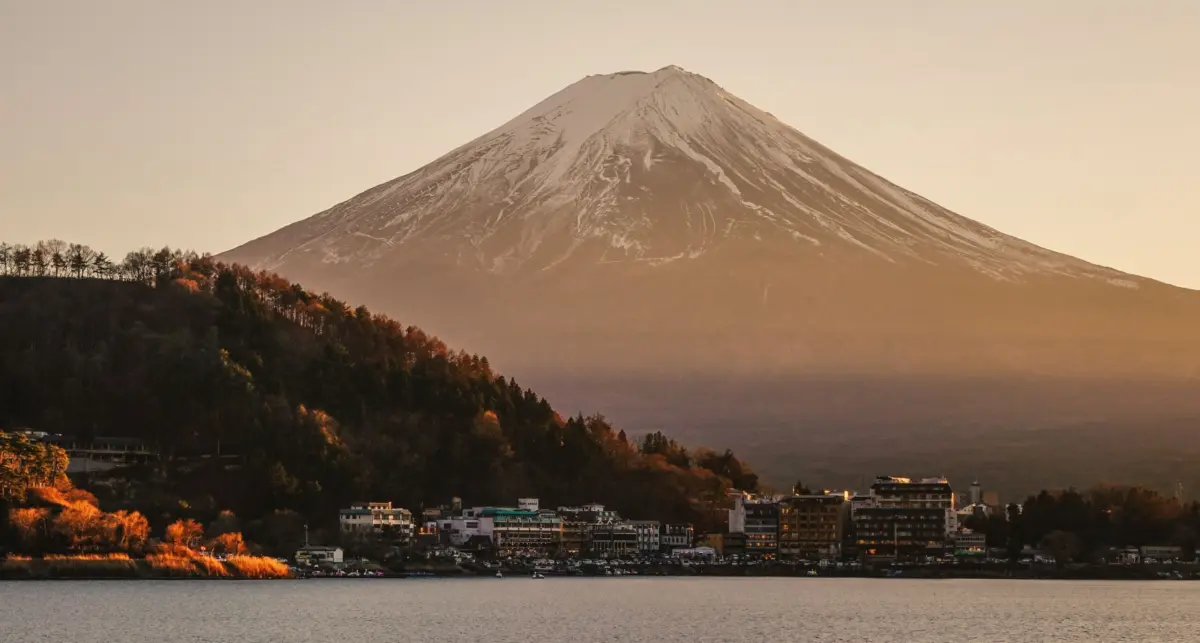
The surge in tourism has been both a boon and a burden for the archipelago. While bustling metropolitan hubs and serene, traditional onsen towns have seen economic revitalization, the sheer volume of visitors has led to reports of overcrowding and friction in popular districts, particularly near Mount Fuji and in historical Kyoto neighborhoods. In response to these pressures, the government has moved to manage the flow of visitors through fiscal measures, including the implementation of higher tourist levies. However, the government’s efforts extend well beyond the tourism sector; they are now fundamentally recalibrating the country’s relationship with its foreign residents.
As of June 2025, the number of foreign residents in Japan hit an all-time high of 3.96 million. This demographic shift, while contributing to Japan’s labor market, has prompted the Immigration Services Agency to refine its long-term residency framework. On January 23, 2026, the government formally adopted a comprehensive policy package titled "Comprehensive Measures for the Acceptance and Orderly Coexistence of Foreign Nationals." This framework serves as the primary mechanism through which Japan intends to address what Prime Minister Sanae Takaichi characterized as "anxieties and feelings of unfairness felt by some citizens" regarding the rapid demographic changes. In a statement posted on social media on September 26, the Prime Minister emphasized that these measures are essential to maintaining public order and ensuring that the integration of foreign nationals into Japanese society occurs in a controlled and mutually beneficial manner.
New Thresholds for Permanent Residency
For those seeking to establish a permanent home in Japan, the landscape has become significantly more challenging. Under the new guidelines, the criteria for obtaining a permanent residency permit—traditionally available to those who have resided in the country for at least 10 years—have been bolstered by stricter financial and linguistic requirements. The government is moving away from a system that prioritized simple duration of stay, favoring instead a model that emphasizes high-level integration and economic self-sufficiency.
One of the most significant changes involves the income threshold. Applicants must now demonstrate an annual income exceeding the average Japanese household income, which, according to recent data from the Ministry of Health, Labour and Welfare, stood at approximately $36,350 in 2024. This move is designed to ensure that new permanent residents possess the financial stability to contribute effectively to the national economy and social systems without becoming a burden on public resources.
Furthermore, the government has introduced a pension contribution requirement. Applicants are now required to provide documentation showing that their pension benefits are commensurate with what they would have accrued after 30 years in the national employee pension program. Recognizing that individual financial situations vary, the guidelines allow for the inclusion of other "financial assets" to supplement any shortfall in pension contributions, though the government has not yet issued specific guidance on what types of assets or valuations will be accepted.
The administrative cost of pursuing permanent residency has also seen a dramatic increase. The application fee has been raised 20-fold, now set at 20,000 yen, or roughly $1,260. While this is a significant jump for the applicant, it remains modest when compared to the high costs associated with residency pathways in other developed nations. For instance, obtaining similar status in the United Kingdom can cost upwards of $4,200, while the United States often requires investments or fees totaling well over $10,000.
Language and Integration Requirements
Financial metrics are only one part of the new equation. The Japanese government is also placing a renewed emphasis on linguistic competency. Permanent residency applicants will now be expected to demonstrate a proficiency in the Japanese language at or above the B1 level, as defined by the Japanese-Language Proficiency Test (JLPT) standards. While the requirement is clear in policy, the specific methodology for testing or certifying this ability remains a subject of ongoing administrative development.
These changes are not immediate for everyone; the income requirements will apply retroactively to applications filed from April 2026, while the more complex pension requirements are set to go into effect on April 1, 2027. Experts view this as a clear signal that Japan is entering a new era of immigration policy. According to Armand Arton, CEO of the citizenship firm Arton Capital, the message for prospective long-term residents is unambiguous: "Financial security alone is no longer enough. Applicants must also demonstrate a genuine commitment to living and working in the country, as well as integrating into Japanese society."
The Path to Residency and Long-Term Stays
The fundamental requirement for permanent residency remains a 10-year period of continuous residence in Japan, with at least five of those years spent under a valid work or residence visa. The government maintains a strict stance on the continuity of this stay; applicants who have spent more than six consecutive months outside the country, or a cumulative total of two-and-a-half years over the decade without a documented "reasonable" justification, may face significant hurdles or even disqualification.
Exceptions do exist for specific categories of individuals. Those categorized as "highly skilled foreign professionals" or those who have been married to a Japanese resident for at least five years—provided the Japanese spouse has lived in the country for at least three continuous years—may qualify for accelerated processing or exemptions from certain time-based requirements.
The application process itself requires meticulous preparation. Once an individual meets the updated financial, linguistic, and residency criteria, they must submit their application to a local immigration office. This involves gathering a comprehensive suite of documentation, including proof of timely resident tax payments and health insurance enrollment. Given the complexity of the new rules, the immigration agency has advised that applicants should expect a processing timeline of four to six months.
Alternative Pathways for Relocation
For those who do not meet the stringent criteria for permanent residency, Japan continues to offer several temporary pathways that cater to specific professional and personal circumstances. The "highly skilled professional" visa remains the most common route for individuals who can demonstrate that their work in research, academic, or high-level professional fields provides a tangible benefit to the Japanese economy. These visas are often granted for up to five years, offering a degree of stability for those whose skills are in high demand.
Working visas are also available for a variety of industries, including specialized culinary arts and entertainment. These permits range in duration from three months to five years, depending on the nature of the employment and the industry sector. Additionally, for individuals with Japanese ancestry, the long-term resident visa provides a pathway to stay in the country for periods ranging from six months to five years.
More recently, the Japanese government has also introduced a digital nomad visa, acknowledging the global shift toward remote work. This visa allows eligible remote workers to stay in Japan for up to six months, offering a way for global professionals to experience life in the country without the need for a long-term residency commitment. For those exploring these options, the Ministry of Foreign Affairs provides a comprehensive portal detailing the requirements for each visa category, ensuring that prospective residents can navigate the increasingly complex, yet still accessible, immigration landscape. As Japan continues to balance its global appeal with the need for social cohesion, these evolving policies will remain a focal point for both the government and the international community.