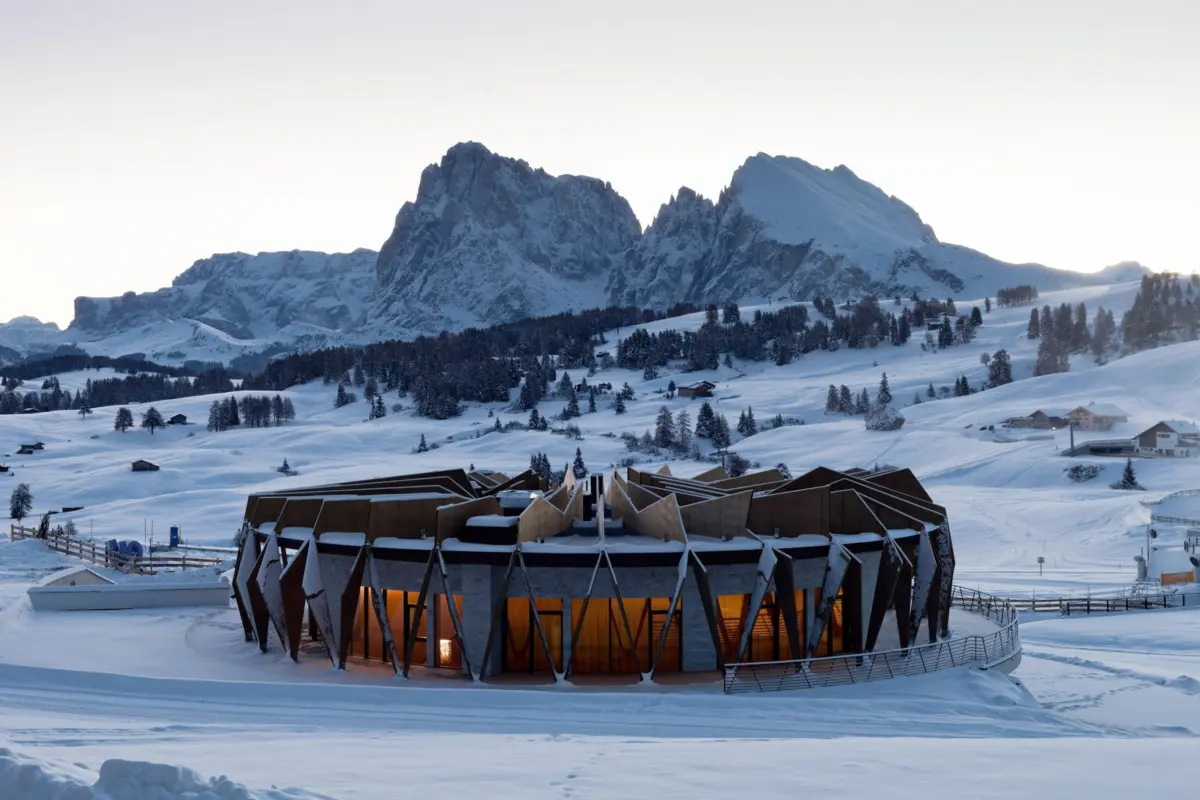
The Italian Dolomites have long occupied a singular space in the European imagination, a jagged, limestone cathedral that shifts its personality with the turn of the seasons. In the winter months, the region transforms into a quintessential snowglobe, where dusted pine forests and glittering, frozen lakes provide a dramatic backdrop for some of the continent’s most esteemed hotels. As the temperatures rise and the frost recedes, the landscape undergoes a metamorphosis, revealing the "hills are alive" aesthetic of vibrant buttercup meadows and lush, verdant valleys framed by the sheer, imposing rock faces that define the range. This maddeningly beautiful geography, characterized by cinematic vistas and clusters of storybook chalet towns, has solidified the Dolomites’ status as one of Italy’s most precious treasures. It is precisely this dramatic, versatile landscape that recently thrust the region into the global spotlight, serving as a primary host for the upcoming 2026 Winter Olympics.
The appeal of the Dolomites lies in a rare balance between international accessibility and the preservation of a deeply rooted local identity. Visitors who traverse these mountain passes often find themselves struck by the enduring presence of Ladin culture—a unique Rhaeto-Romance heritage that distinguishes the region from its neighbors. Despite the area’s rising profile and the inevitability of modernization, the Dolomites maintain a palpably authentic atmosphere. This is bolstered by the influx of weekenders from Rome and Milan, who prioritize the region for its refined, homegrown charm rather than a manufactured tourist experience. For these travelers, the Dolomites represent a sanctuary where the Italian tradition of "la bella figura" meets the rugged reality of high-altitude mountain life.
As the region prepares for the eyes of the world to descend upon it in 2026, the hospitality industry has responded with a sophisticated approach to guest experiences. The best hotels in the Dolomites have moved beyond simple lodging, evolving into destinations that mirror the dual nature of the environment. Whether one is looking for a restrained, eco-conscious boutique hotel that offers seamless, ski-in/ski-out access to the world-class slopes of the Sella Ronda, or a traditional spa stalwart that features steaming, infinity-edge outdoor pools overlooking pastoral valleys, the variety of accommodation is staggering. These establishments are designed to bridge the gap between the extremes of the seasons, offering year-round appeal that ensures the region remains a vital part of the Italian travel circuit regardless of the calendar.
The architectural landscape of the Dolomites is a testament to this blend of tradition and modernity. In the valleys, one finds historic alpine farmhouses—some dating back centuries—that have been meticulously restored to serve as luxury retreats. These structures often feature the classic, dark-wood balconies and steeply pitched roofs that define the local aesthetic, yet their interiors are frequently overhauled to include contemporary design elements, minimalist furnishings, and high-end wellness facilities. This architectural marriage is not merely for show; it serves to protect the cultural heritage of the Ladin villages while meeting the expectations of modern travelers who demand comfort without sacrificing a sense of place.
When winter blankets the peaks, the focus shifts entirely toward the mountain’s infrastructure. The Dolomites are home to some of the most challenging and scenic ski runs in the world. However, the experience of the best local hotels is not just about the proximity to the chairlift. It is about the "apres-ski" culture that has been elevated to an art form. After a day spent navigating the slopes, guests retreat to hotels that prioritize warmth and sensory comfort. This might mean an afternoon spent in a wood-paneled library with a view of the sunset hitting the pale, limestone faces of the mountains, or a session in a panoramic sauna where the glass walls allow the snowy landscape to become a part of the interior experience. The focus remains on the relationship between the human inhabitant and the immense scale of the surrounding geology.

Transitioning into the summer, the narrative of the region changes, but the quality of the hospitality remains constant. The meadows that lie beneath the peaks become a playground for hikers, cyclists, and those seeking the cooling air of the high altitude. The hotels shift their operations, opening up sun-drenched terraces and organizing guided excursions that highlight the unique flora and fauna of the Dolomites. The food and beverage programs, which in winter might lean toward hearty, traditional Ladin dishes like canederli or wild game, adapt to incorporate the freshness of the summer harvest. It is this adaptability that characterizes the best establishments in the area; they understand that the Dolomites are not just a static backdrop for a vacation, but a living, breathing ecosystem that demands a different pace of life depending on the time of year.
The anticipation surrounding the 2026 Winter Olympics has naturally accelerated investments in the region’s tourism infrastructure. There is a palpable sense of excitement in villages like Cortina d’Ampezzo, which serves as a central hub for the games. However, for the seasoned traveler, the true value of the Dolomites remains in the quiet, tucked-away corners where the pace of life hasn’t yet been touched by the frantic energy of global sporting events. The finest hotels in the region have managed to remain islands of tranquility, shielding their guests from the broader bustle while still offering the high-touch service and logistical convenience required by an international clientele.
Sustainability has also become a defining characteristic of the newer, more contemporary hotel offerings. As the climate becomes a more central concern in mountain regions, many of the best properties in the Dolomites are leaning into "eco-boutique" status. This involves sourcing materials locally, utilizing renewable energy sources to heat their vast, sprawling complexes, and working with local communities to ensure that the influx of tourism benefits the region as a whole. This is not just a marketing trend but a necessity for a region whose primary asset—its pristine natural beauty—is also its most vulnerable.
For those planning to experience this fairy tale landscape firsthand, the choice of where to stay is paramount to the overall experience. The best hotels in the Dolomites are, in many ways, the gatekeepers of the region. They provide the context for the scenery, whether through the design of their windows, the curation of their menus, or the expertise of their staff who act as conduits for the local culture. As the mountains prepare for their next chapter on the global stage, these hotels continue to prove that the Dolomites are not merely a place to pass through, but a destination that demands to be savored slowly, through every changing season and every shift in the light.
Ultimately, the enduring success of the Dolomites as a premier travel destination stems from its ability to remain profoundly itself. It does not try to be the French Alps or the Swiss mountains; it remains resolutely Italian, deeply Ladin, and unapologetically dramatic. From the frost-covered pines of January to the blooming meadows of July, the region offers a consistent promise: that the landscape will provide a sense of wonder, and the hospitality will provide the comfort necessary to truly appreciate it. As travelers continue to seek out places that feel both authentic and extraordinary, the Dolomites stand ready, as they have for generations, to welcome them into a landscape that feels pulled straight from the pages of a storybook.