Madrid has long cemented its reputation as one of Europe’s most compelling city-break destinations, a vibrant capital where the rhythm of life is defined by its deep cultural roots and an irrepressible modern energy. For the traveler, the city offers a sensory feast: world-class artistic institutions that house centuries of masterpieces, a dining scene that ranges from historic taverns serving timeless tapas to avant-garde restaurants pushing the boundaries of Spanish gastronomy, and an architectural backdrop that spans from the regal to the whimsical. As the city continues to reinvent itself, its hospitality sector has kept pace, evolving from a collection of traditional, stately grand hotels into a multifaceted landscape that caters to every variety of discerning traveler.
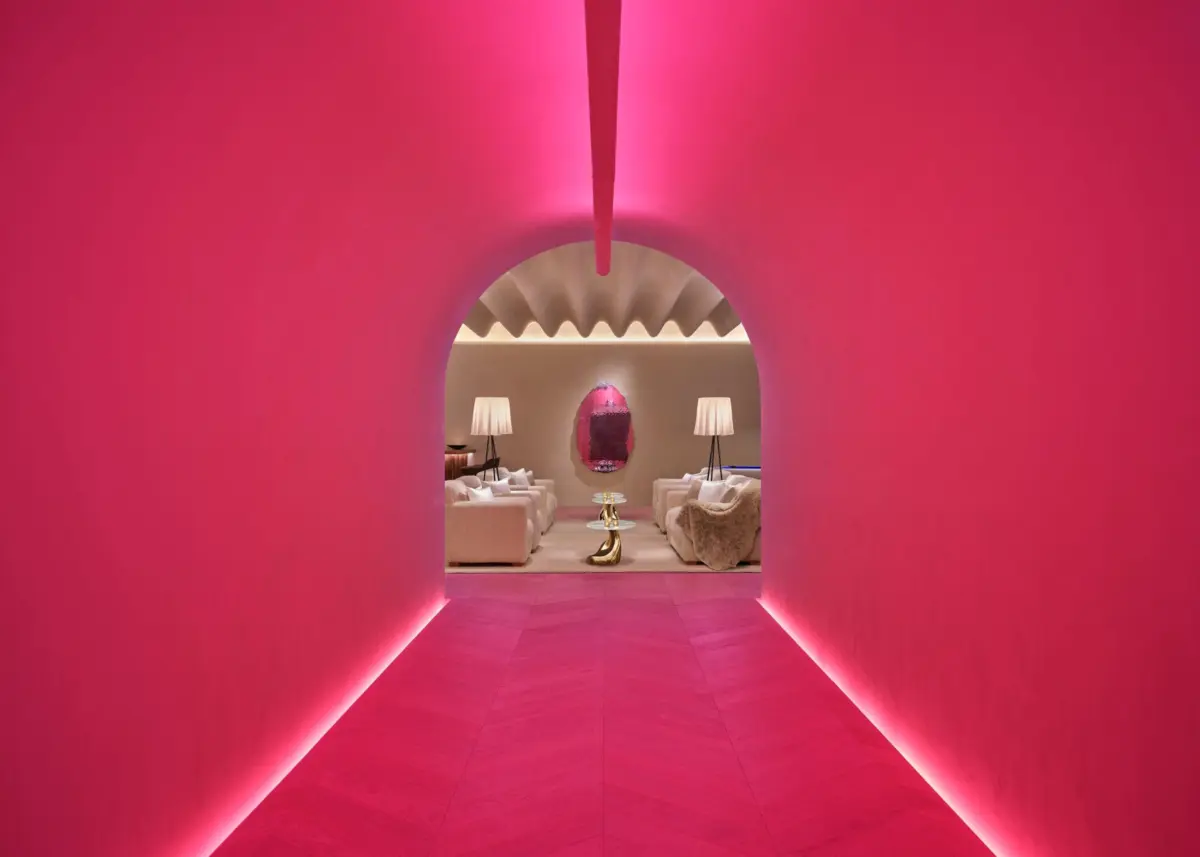
The current hotel scene in Madrid is a fascinating study in contrasts. Visitors can now choose between sleeping within the gilded walls of meticulously restored historic palaces, immersing themselves in contemporary art-gallery-meets-hotel hybrids, or tucking themselves into understated, design-forward addresses that hide Michelin-starred restaurants behind modest facades. This diversity is precisely what makes the city’s accommodation landscape so dynamic; it is no longer just about providing a bed for the night, but about offering a gateway into the specific, nuanced culture of the Spanish capital.
In recent years, the market has seen a significant shift toward inclusivity and variety. While the traditional luxury sector remains robust, there has been a notable rise in "new-gen" hostels and sleek, apartment-style setups that cater to travelers seeking a more autonomous, locally integrated experience. These properties often prioritize communal spaces, sustainable practices, and neighborhood connection, reflecting a broader trend toward experiential travel. Yet, the high-end market has not stood still. The arrival of marquee international brands, such as the Four Seasons and the Mandarin Oriental, underscores Madrid’s growing stature on the global stage. These institutions have elevated the city’s luxury offering, blending international standards of service with the distinct, warm hospitality that is quintessentially Madrilenian.
For those planning their next excursion to the city, the sheer volume of options can be overwhelming. To navigate this, it is helpful to understand the geography of the city’s hospitality hubs. Many of Madrid’s most sought-after hotels are strategically positioned in or around Centro, the beating heart of the city. For travelers who wish to be in the thick of the action—within walking distance of the bustling Gran Vía, the iconic Plaza Mayor, or the historic charm of the Literary Quarter (Barrio de las Letras)—this central district offers an unparalleled density of cultural landmarks and nightlife.
Conversely, for those who prefer to step back from the frantic energy of the center, the district of Salamanca offers a more refined, tranquil alternative. Known for its grand, tree-lined boulevards, upscale boutiques, and elegant architecture, Salamanca is home to some of the city’s most sophisticated, yet often unassuming, boltholes. Properties such as the Rosewood Villa Magna and Hotel Único Madrid exemplify this style, offering a sense of sanctuary that feels worlds away from the tourist thoroughfares while remaining perfectly connected to the rest of the capital. These hotels are designed for the traveler who values discretion, space, and impeccable service as much as they value proximity to the city’s major attractions.
The process of selecting these premier addresses is rigorous. A truly great hotel in Madrid must do more than just provide comfort; it must act as a reflection of the city’s character. Journalists and editors from Condé Nast Traveler have long maintained a tradition of firsthand exploration to curate these recommendations. This ensures that every property listed has been experienced directly, with a focus on authentic, insider perspectives rather than superficial branding. When evaluating these locations, the criteria extend beyond mere aesthetics. Editors carefully consider a property’s ability to offer a genuine sense of place, the quality of its service, its strategic location, and its commitment to sustainability. Whether the price point is accessible or ultra-luxurious, the goal remains the same: to highlight establishments that contribute positively to the visitor’s understanding of Madrid.
This commitment to quality is what distinguishes the current Madrid hotel scene from many other European capitals. It is a city that respects its history—evidenced by the preservation of grand, 19th-century structures—while embracing a forward-looking design philosophy that appeals to the modern aesthetic. The rise of the hybrid hotel, for instance, has allowed artists and local creatives to influence the interiors of spaces that were once purely transactional. This creates an environment where a stay in a hotel becomes a cultural event in its own right, often featuring curated art collections, rotating exhibitions, or partnerships with local chefs that bring the city’s culinary excellence directly into the lobby.
As the tourism sector continues to rebound and grow, the emphasis in Madrid has moved toward quality over quantity. Newer developments are increasingly focused on the guest experience, ensuring that even the most compact rooms are optimized for comfort and functionality. The "low-key" stay, which has gained popularity among younger travelers and long-term visitors, often provides the most authentic view of Madrid life. These properties prioritize local partnerships, helping guests navigate the city’s hidden gems rather than just the well-trodden tourist paths.
For the prospective visitor, the takeaway is clear: Madrid is no longer a one-size-fits-all destination. Whether your preference leans toward the heritage-rich corridors of a repurposed palace, the sleek minimalism of a boutique property in the heart of the Golden Mile, or the vibrant, communal atmosphere of a modern urban hostel, the city offers a specialized experience for every need. The best hotels in Madrid are those that succeed in bridging the gap between the traveler and the city, acting not just as a place to sleep, but as an essential component of the journey itself. As the city evolves, these accommodations will continue to be the primary facilitators of the Madrid experience, providing a home base that is as sophisticated, diverse, and welcoming as the capital itself.
The ongoing refinement of these establishments reflects a city in transition—one that is confident in its traditions but eager to define its future. As you prepare for your next visit, consider what kind of experience you are looking to cultivate. Are you seeking the grandeur of a historic landmark, or the quiet, curated luxury of a residential-style retreat in Salamanca? Regardless of your choice, the current landscape of Madrid ensures that you will find a property that serves as the perfect launchpad for your exploration of this enduring, vivacious, and endlessly fascinating European capital.