In a delightful subversion of one of the most anticipated cinematic events of the year, Tony and Grammy-winning powerhouse Cynthia Erivo took the stage during her recent guest-hosting stint on "SNL U.K." to deliver a comedic take on the beloved musical Wicked. Erivo, who is currently at the center of the cultural zeitgeist for her portrayal of the iconic Elphaba in the big-screen adaptation of the stage classic, pivoted from her dramatic roots to inhabit a wildly different version of the story: "Nigerian Wicked."
The sketch served as a lo-fi, melodramatic reimagining of the source material, trading the polished, high-budget spectacle of the Hollywood production for the stylized, high-energy aesthetic often associated with Nollywood cinema. Instead of the sweeping, gravity-defying emotional arcs familiar to fans of the Broadway stage production, this iteration opted for sharp, comedic pivots, rapid-fire dialogue, and a series of absurd escalations that kept the audience in stitches.
A New Take on the Dynamic Duo
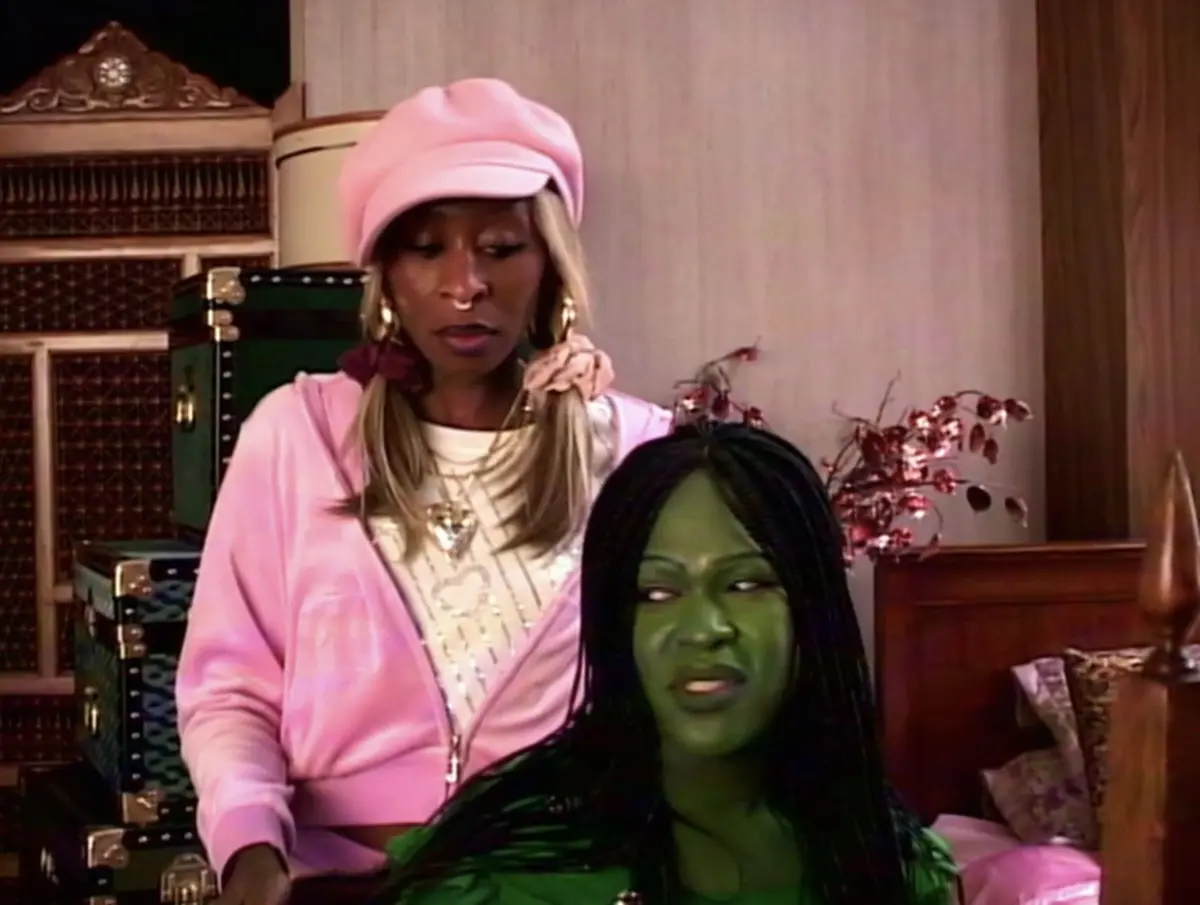
For this reimagining, Erivo took on the role of Glinda the Good Witch. The transformation was visual and immediate; Erivo appeared on stage sporting a bright blonde wig and a casual pink velour tracksuit, a stark departure from the elaborate, voluminous gowns traditionally worn by the character. Opposite her was Ayoade Bamgboye, who stepped into the role of Elphaba.
The chemistry between the two performers anchored the sketch, as they portrayed the classic "enemies-turned-friends" trope through the lens of a chaotic, fast-paced parody. In the original Wicked, the tension between Elphaba and Glinda is famously explored through the musical number "What Is This Feeling," a song that captures the initial, mutual annoyance between the two roommates. In "Nigerian Wicked," the nuanced psychological friction was replaced with a more direct form of conflict: a sharp, sudden slap across the face delivered by Glinda.
The beat was played for maximum comedic effect. Following the slap, Bamgboye’s Elphaba reacted with genuine, albeit melodramatic, shock. "Glinda, you slapped me!" she exclaimed. Erivo’s response was delivered with a cool, deadpan arrogance that perfectly encapsulated the "mean girl" caricature of Glinda: "Yes, because you are very classless." This reversal of tone set the stage for the remainder of the sketch, which continued to poke fun at the intense emotional investment audiences have in the relationship between the two leads.
Reimagining Iconic Scenes
The sketch went on to deconstruct several of the most recognizable moments from the Wicked narrative. One such scene involved the famous makeover sequence, where Glinda attempts to transform Elphaba’s aesthetic to better fit into the social circles of Shiz University. In the parody, the sentiment remained, but the financial realities were brought to the forefront. "Glinda, I can’t afford this!" Bamgboye’s Elphaba cried out, highlighting the absurdity of the high-fashion expectations imposed upon the characters.
Erivo’s Glinda, ever the optimist—or perhaps just the manipulator—brushed off the concern with a promise of future fortune. "When we go to the wizard, it will all pay off," she assured her companion. The joke served as a meta-commentary on the plot of the original musical, where the characters’ motivations are often driven by their desire to meet the powerful, enigmatic figurehead of their world.
The sketch took a turn toward the surreal when the conversation shifted to the journey itself. When Glinda mentioned the Wizard, Bamgboye’s Elphaba interjected with a frantic, "The wizard? But I’m a virgin!" The line, delivered with impeccable timing, played on the melodramatic tropes often found in genre-specific cinema. The scene then leaned into the popular fan culture surrounding the musical; the two characters nearly shared a kiss, an overt nod to the "shipping" community that has long interpreted the relationship between Elphaba and Glinda as having a romantic subtext.
The Road to the Emerald City
As the narrative progressed, the duo eventually reached their destination, described in the sketch as the "emerald, white and emerald city." Upon arrival, the expectations of the two characters were revealed to be hilariously superficial. Erivo’s Glinda made it clear that her primary goal in meeting the Wizard was to secure a Birkin bag—a symbol of status that contrasted sharply with the magical objectives usually associated with the quest.
Meanwhile, Bamgboye’s Elphaba had a different, thoroughly modern priority: she wanted a "skinny BBL" (Brazilian Butt Lift). The absurdity of the request was heightened by the voiceover from the Wizard himself, played by Hammed Animashaun, who chimed in with a booming proclamation: "She wants a BBL that defies gravity!" The line was a clever play on the musical’s most famous anthem, "Defying Gravity," grounding the epic, soaring spirit of the original song into the trivial, aesthetic desires of the parody’s characters.
The climax of the sketch arrived when the pair finally gained an audience with the Wizard. The grand reveal, however, was a letdown of epic proportions. The Wizard, far from being the all-powerful, omnipotent ruler they expected, was revealed to be struggling financially. Erivo’s Glinda immediately spotted a tell-tale sign of his diminished status. Pointing at the Wizard’s watch, she dismissively labeled it, "That’s a nolex."
The comedic rhythm of the sketch remained tight as the characters grappled with their disappointment. With the Wizard failing to provide the luxury goods and cosmetic enhancements they had traveled so far to receive, Erivo’s Glinda turned to her counterpart with a question that mirrored the uncertainty of the entire production: "What do we do now?"
In a final, bold stroke of parody, the two characters leaned in to share a kiss. Just as the moment reached its peak, an explosion effect engulfed the entire screen, signaling a chaotic end to the narrative. The voiceover from the Wizard returned to deliver a final, punchy line: "Nigerian Wicked: LGBTQ!"
The sketch was a highlight of the episode, showcasing Erivo’s versatility and her willingness to engage with the massive cultural moment surrounding her current career. By leaning into the campy, fast-paced, and irreverent style of "Nigerian Wicked," Erivo and the SNL U.K. team managed to pay homage to the original musical while simultaneously stripping away its sentimentality to reveal a version that was undeniably, hilariously original. The performance served as a testament to Erivo’s range, proving that whether she is embodying the complex, tragic figure of Elphaba or the superficial, fashion-forward parody of Glinda, she commands the stage with equal charisma and precision.