At 1,292 miles from its nearest inhabited neighbor, Pitcairn Island, and a staggering 2,200 miles from the coast of continental Chile, Rapa Nui—widely known as Easter Island—represents the pinnacle of geographic isolation. Located at the lonely eastern frontier of the Polynesian Triangle, the island sits in such profound solitude that the horizon appears to curve with the very geometry of the planet. This extraordinary setting serves as the backdrop for one of archaeology’s most enduring and haunting enigmas: Why did the early Polynesian settlers carve nearly 1,000 monolithic human figures, known as moai, transport them across rugged volcanic terrain to ceremonial platforms over the course of centuries, and ultimately topple them? While the theories are numerous and the definitive answers remain elusive, this mystery adds a layer of profound allure to a landscape already defined by its dramatic, windswept beauty.
Today, this Chilean territory functions as a living, open-air museum. Following seven decades of painstaking restoration efforts, many of the enigmatic moai—which serve as representations of ancestral figures—have been returned to their original, upright positions, staring stoically across the island they once protected. However, to perceive Rapa Nui solely through the lens of its prehistoric, superhuman achievements is to overlook the vibrant, living narrative of the present. The island’s distinct Polynesian heritage remains a vital, breathing force, particularly within the bustling hub of Hanga Roa. Here, as dusk falls, the air is frequently filled with the rhythmic strumming of ukuleles and the graceful, hip-swirling movements of traditional dance, proving that the culture is not merely a subject for historians but a contemporary way of life. Beyond the town, the island offers a mosaic of experiences: a vast and untamed sea, windswept volcanic plains that recall the ruggedness of Ireland, and a culinary scene that draws deeply from the island’s maritime bounty and ancient agricultural traditions.
Getting to and Navigating the Island
For the vast majority of visitors, arriving at Rapa Nui is a journey in itself. Unless one is traveling via one of the dozen or so annual expedition cruise ships—such as the National Geographic Resolution or Silversea’s Silver Cloud—the only practical way to reach the island is by air. Travelers land at Mataveri International, widely recognized as the most remote commercial airport on the planet. LATAM remains the sole carrier providing service to the island, operating at least one daily flight from Santiago, Chile. The journey takes approximately five and a half hours, crossing two time zones and vast stretches of the Pacific Ocean.

Once on the island, the logistics of exploration have shifted in recent years. Visitors typically base themselves in Hanga Roa, the only town on the island, and arrange for day trips to the various archaeological sites, which are conveniently located within a half-hour drive of one another. A significant change in the island’s management occurred in 2017, when the Chilean government officially transferred the administration of Rapa Nui National Park to the Ma’u Henua Indigenous Community. This organization, governed by elected members of the Rapa Nui people, has taken a proactive approach to conservation. To mitigate the impacts of overtourism, the community has increased entrance fees—currently set at approximately CH$95,000, or about $100 USD—and implemented new initiatives designed to encourage longer, more immersive stays.
Central to these new regulations is the requirement that visitors must be accompanied by a certified guide when exploring archaeological sites outside the immediate vicinity of Hanga Roa. This shift has fundamentally changed the traveler’s experience; the days of renting a car or bicycle to wander the island’s sites independently have largely become a thing of the past, replaced by a more structured, educational, and protective approach to the island’s fragile heritage.
A Culinary Landscape Rooted in the Sea
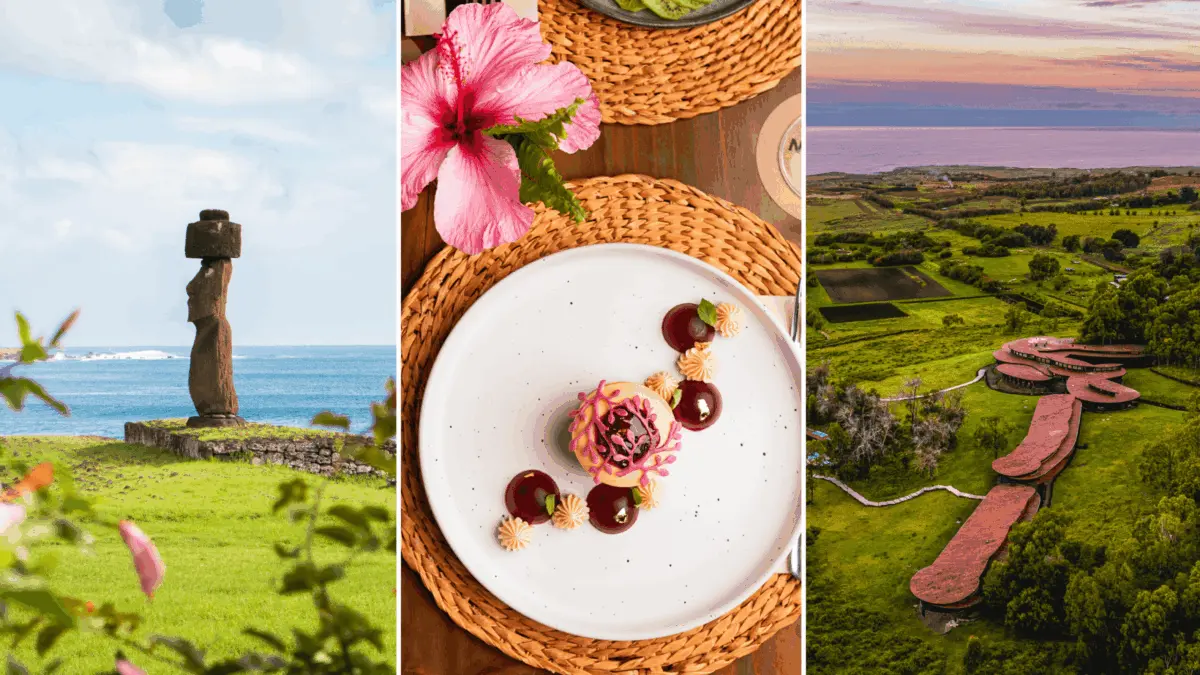
The culinary scene in Rapa Nui is as much a testament to its isolation as its history. Seafood is the undisputed protagonist of the dining experience; the local tuna is so exceptionally fresh that it is frequently served raw in the form of ceviche, carpaccio, or tiradito—a preparation featuring thinly sliced fish bathed in a spicy, citrus-forward sauce. Te Moai Sunset has gained a reputation for a particularly artistic version of this dish. When paired with a classic pisco sour and a view over the modern "Peace Moai" during the golden hour, it offers one of the most quintessential island experiences.

For those seeking a more immersive atmosphere, the tiki-style restaurant Te Moana serves sublime mahi-mahi accompanied by roasted local sweet potatoes. Meanwhile, the dockside lunch experience at La Kaleta provides a rare, authentic glimpse into the daily lives of the local fisherfolk. Diners can enjoy their fresh ceviche while watching the boats return to the harbor, effectively bridging the gap between the island’s natural resources and its modern hospitality.
For the more adventurous or refined palate, Kotaro stands as a hidden gem of Hanga Roa. This small, eccentric Japanese restaurant is renowned for its impeccable tasting menus. However, it is not for the casual diner; the establishment maintains strict protocols, such as a prohibition on children and a firm rule against idle chatter with the chef, as outlined on their website. For a more relaxed, off-the-beaten-path experience, Neptuno Sunset offers a stunning seafront location near the end of the airport runway. While their seafood pasta is the standout, any meal on the island should be rounded off with po’e, a dense, sweet sponge cake traditionally made from mashed ripe bananas.
Exploring the Archaeological and Natural Wonders
While many travelers arrive with expectations of lush, jungle-covered hills similar to Hawaii or Tahiti, Rapa Nui offers a different aesthetic. The island is primarily defined by sprawling, grassy plains that bear a striking resemblance to the Irish countryside. While there are two picturesque beaches on the northern coast, Ovahe and Anakena—the latter of which is suitable for swimming—this is not a conventional resort destination. The focus here is firmly on the intersection of nature and human history.

The Rapa Nui National Park contains two primary archaeological sites that define the moai-building era. Ahu Tongariki is the largest ahu (ceremonial platform) on the island, featuring 15 massive statues that are most frequently photographed in silhouette against the dawn sky. The second, Rano Raraku, is a volcanic crater and quarry site. It is here that the ancient Rapa Nui people crafted approximately 95 percent of the island’s statues; even today, about 400 remain in situ, frozen in various stages of completion. Beyond these major landmarks, dozens of other ahu sites, many featuring restored moai, are scattered across the landscape.
Another essential historical destination is the stone village of Orongo, situated on the rim of the Rano Kau volcano. This site served as the ceremonial center for the religious festivals dedicated to the creator god, Makemake. Just offshore from Orongo lie the Los Motu—small islets that were once the focal point of the annual Tangata Manu or "Birdman" competition. Held between the 17th and 19th centuries, the competition was a grueling and perilous race that saw participants descend the sheer cliffs of Rano Kau, swim through the Pacific, and climb the sea cliffs to retrieve the first unbroken egg of a sooty tern.
Today, these waters are highly regarded for snorkeling. With gin-clear visibility, visitors can explore vibrant coral reefs and encounter 142 marine species found nowhere else on earth, including the rare Easter Island butterflyfish. The Mike Rapu Diving Center remains one of the most respected operators for those looking to explore the underwater landscape. For those preferring to remain on land, the island offers excellent hiking opportunities, particularly the ascent of Terevaka, the island’s highest point at 1,675 feet, or the rugged trails of the Poike Peninsula, where travelers can discover lesser-known petroglyphs and massive rock carvings.

Contemporary Culture and Where to Stay
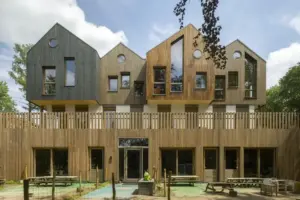
Modern Rapa Nui culture is vibrant and resilient, maintained by a population of roughly 7,750 people. While souvenir shops are common, those interested in genuine local craftsmanship should visit the Mana Gallery on the north end of Hanga Roa to view authentic woodcarvings, paintings, and jewelry. The musical heritage of the island is also thriving, thanks in part to the Toki Rapa Nui music school. Co-founded by the renowned classical pianist Mahani Teave, the school hosts occasional concerts and offers visitors the chance to tour its innovative, sustainable Earthship building, constructed in the shape of an eight-petal flower.
Evening entertainment often centers on traditional Polynesian dance performances. Groups such as Kari Kari and Te Ra’ai offer high-energy shows, with the latter often accompanied by a traditional umu feast, where food is slow-cooked over hot stones in an underground earth oven. For a less formal, more contemporary experience, local music venues like Iti Lafken offer a window into the current artistic pulse of the island.
For accommodations, travelers have a range of choices that reflect the island’s commitment to both comfort and conservation. The Explora Rapa Nui hotel, located about 15 minutes outside of Hanga Roa, provides an all-inclusive experience that prioritizes high-quality food and expert-led daily adventures. For those seeking more flexibility, the Nayara Hangaroa—a Leading Hotels of the World property—offers oceanfront views, three distinct dining concepts, and architecture inspired by the homes found in the ancient Orongo village. More affordable options are also available, such as the centrally located Hare Nua Hotel Boutique or the Pikera Uri Eco Lodge, which features lush gardens and opportunities to explore the island on horseback. Regardless of where one stays, it is worth noting that the cost of living and travel on the island is significantly higher than on the mainland, a reflection of the logistical challenges inherent in sustaining a community in such a remote corner of the globe.