Hang out in a group of car enthusiasts for long enough, and the conversation will invariably turn toward bench racing. Whether you happen to possess the money, time, workshop space, and mechanical ability to pull it off or not, you mentally piece together a neat car with cool details and offer it up to the group for them to judge its coolness. Sometimes those dream builds actually make it out of the proverbial group chat and into a garage, but more often than not, they remain in the realm of imagination. Whether you can realistically commit to the build or not, or if it is destined to stay a thought experiment forever, there is immense value in getting your idea out into the open. Sharing these concepts might just inspire someone else to finally get started on their own project, or even pivot their own idea because yours happens to be a stroke of mad-scientist genius.
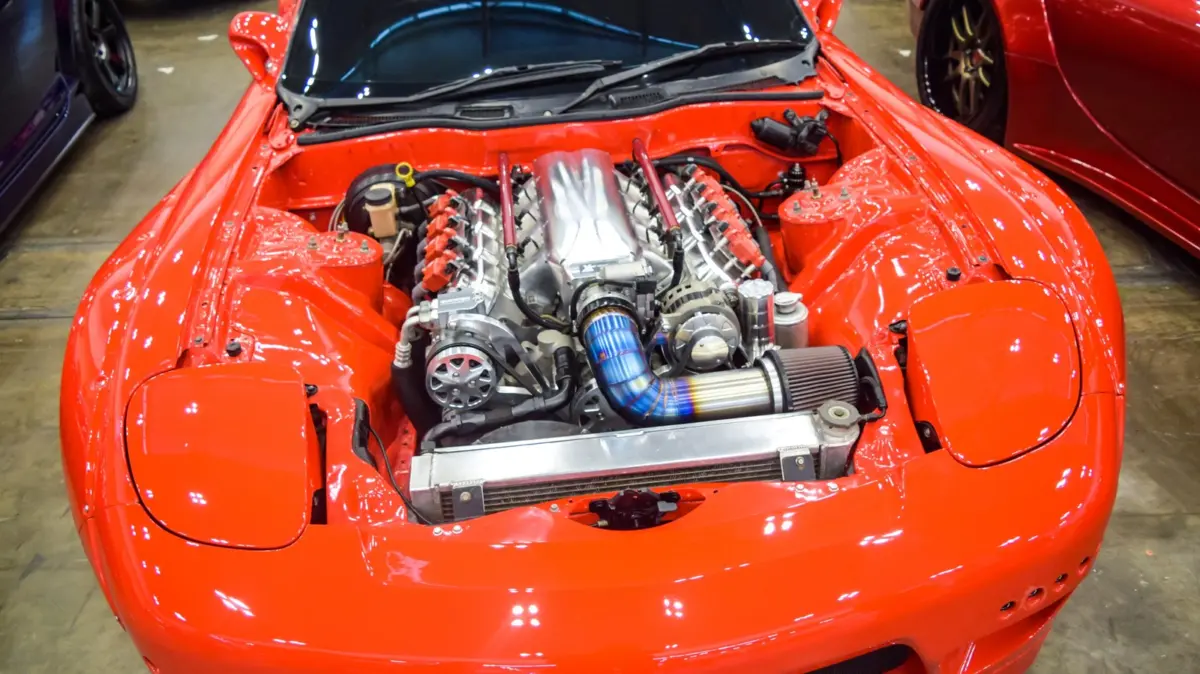
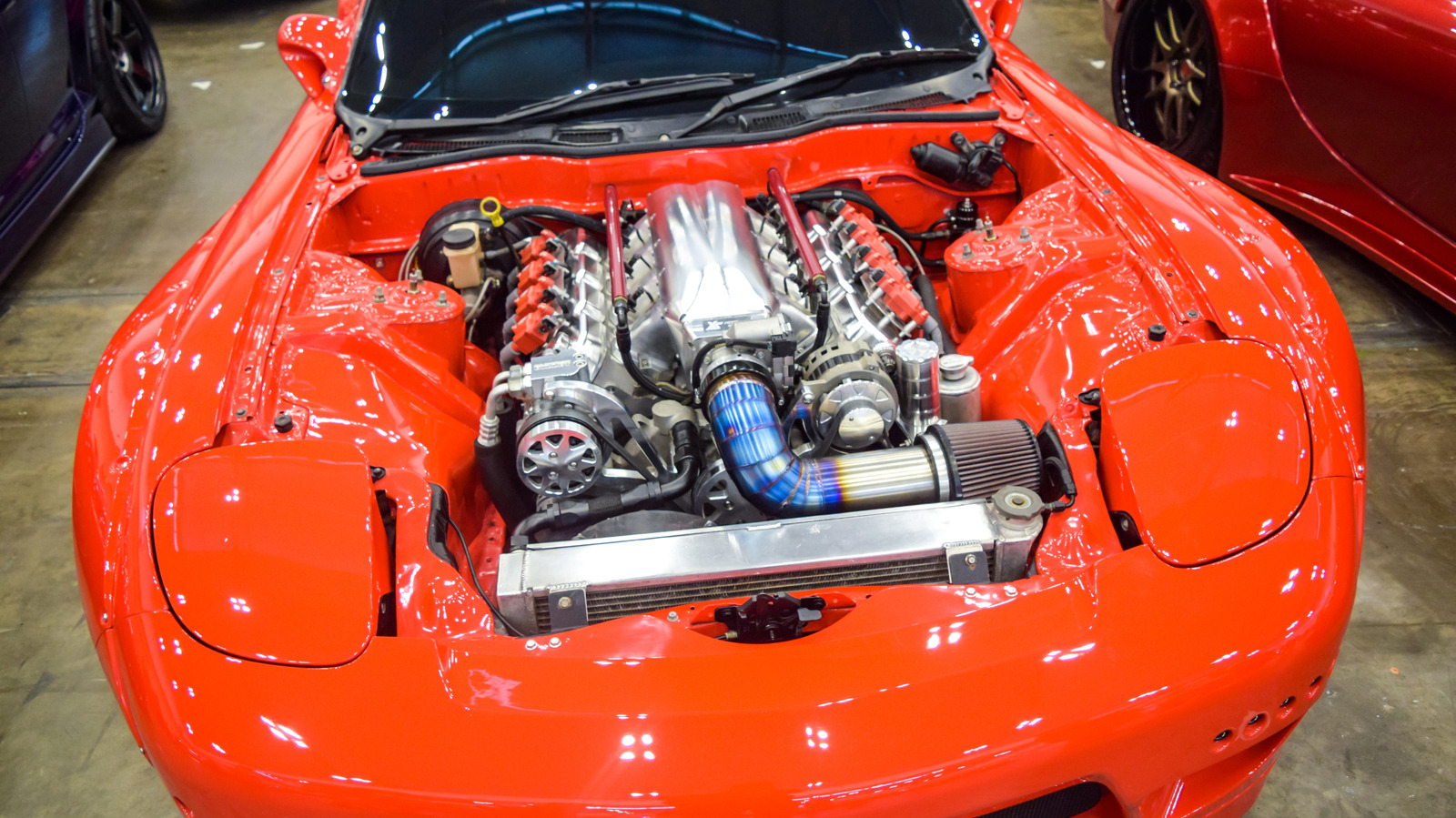
For one reason or another, major automotive manufacturers do not always put their best engine into their best chassis, even though they easily could if market segments and corporate strategies allowed for it. Thankfully, there are backyard engineers, garage fabricators, and home mechanics everywhere who are more than capable of shoving whatever engine they want into a car. This often includes powerplants sourced from entirely different manufacturers, or perhaps even engines that were never originally available in production passenger cars at all, such as a high-revving motorcycle engine swap engineered to scream past conventional redlines.
Maybe your favorite car simply did not come from the factory with an engine that would make it truly perfect. Enthusiasts everywhere frequently ponder these mechanical incompatibilities, leading to a universal question across the car community: What is your dream engine swap? Do you want to shove a GM LS V8 into the back seat of a humble Geo Metro? Do you want to tuck a Honda K-series into the bay of an old Datsun Roadster? Do you want to completely convert a classic Lincoln Continental into an EV? It is time to chat about the endless possibilities of automotive customization. Sound off in the comments with your thoughts on engine and drivetrain swaps so we can discuss the engineering hurdles, and next week, a few of our favorite responses will be selected and recapped for everyone else to enjoy.
Don’t let your dreams be dreams
Personal automotive history often begins with questionable financial decisions and deeply flawed machinery. The first genuinely fun car ever acquired by our editorial staff was a well-used 1976 Triumph TR-7, featuring a Buick 231 V6 tucked under its wedge-shaped hood. Unfortunately, that particular swap was far from professionally executed, and the car seemed perpetually possessed by mechanical demons. Shortly after bringing it home, it became glaringly apparent that the body had significant rust damage hiding beneath the surface, and the engine was considerably more worn out than the previous owner had promised. Rather than abandoning the project immediately, the engine was pulled, and an entire winter of cold nights and weekends during college was dedicated to rebuilding it from the bare block up.
While that particular Triumph was eventually scrapped due to structural fatigue, the Buick V6 was salvaged and still sits on an engine stand somewhere, awaiting a purpose that has yet to be determined. Looking back, that TR-7 was genuinely an abysmal car, and purchasing it was likely a massive mistake that defied all common sense. Yet, that frustrating experience fundamentally helped shape a lifelong automotive enthusiasm and nurtured an enduring love for complex engine swaps.
The vehicle currently holding the record for the longest continuous ownership in that same garage is a Porsche 912E, which has unfortunately been plagued by stubborn ignition and fueling issues for the last three years or so. Whenever those gremlins act up, the temptation arises to pull the original air-cooled 2-liter flat-four engine and replace it with something that delivers a bit more power and loves to rev higher. While a completely sane and rational person would probably just go out and buy a used flat-six from a later model 911, taking the factory-correct route can sometimes feel a bit too predictable and boring for an enthusiast looking for a unique mechanical challenge.
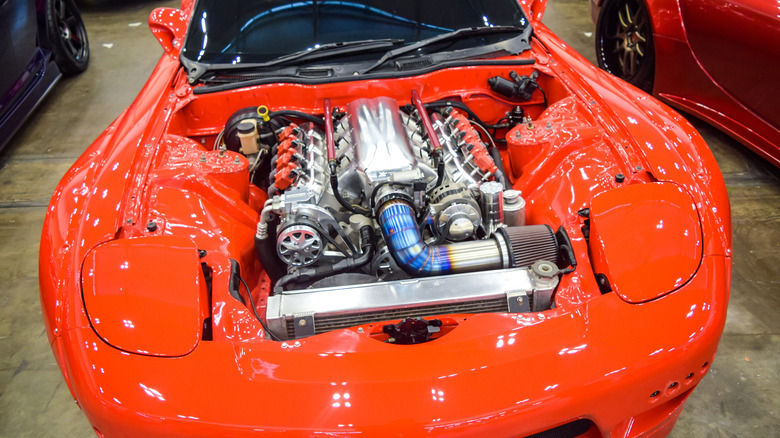
Lately, consideration has shifted toward building a Mazda 13B rotary engine to drop into the back of this classic German sports car. While the 912E was originally sold to the public with a modest 88 horsepower, and a subsequent 2019 engine rebuild managed to push that figure into the 110-horsepower range, the goal would be to extract 150 horsepower or more out of this lightweight machine. For context, a carbureted Formula Mazda 13B track engine naturally produces around 180 horsepower, while a modern Renesis rotary pushes just over 200 horsepower. Either option should provide more than enough momentum to transform the driving dynamics entirely.
Consider for a moment how fascinating a rotary powerplant would be packaged inside a classic Porsche chassis. It remains sufficiently unorthodox to instantly pique the curiosity of fellow enthusiasts at a weekend cars and coffee gathering, yet it occupies a well-trodden enough segment of the custom car world that a builder wouldn’t be walking completely blind into uncharted wilderness. It is substantially lighter than a traditional six-cylinder, produces considerably more power by a massive margin, and will easily sweep across the tachometer well past 4,500 rpm while emitting that unmistakable, high-pitched rotary wail. With the colder months approaching, gathering the necessary components to turn this conceptual project into reality is becoming an increasingly tempting proposition, and the ongoing progress may well be shared with readers in the near future.