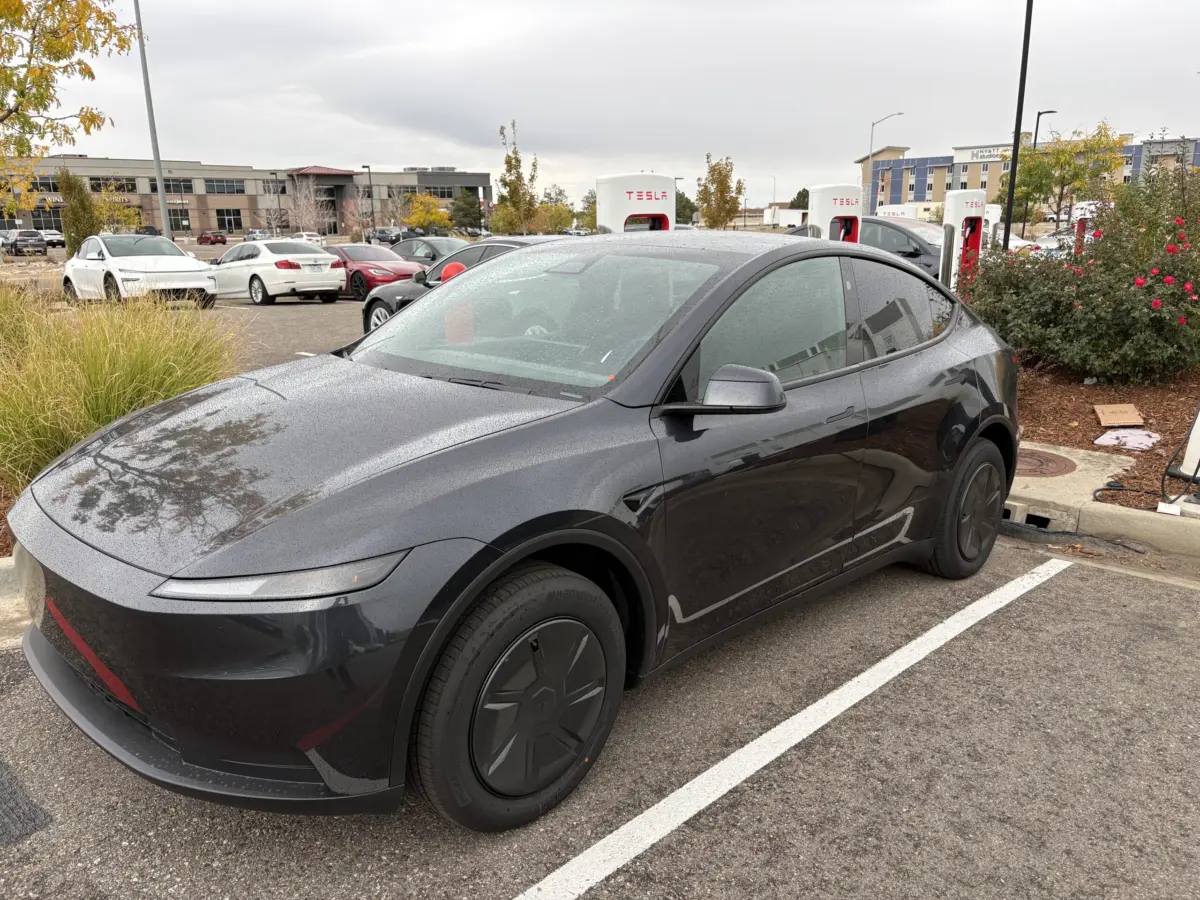
During a recent trip to visit relatives in Colorado, I finally had the opportunity to experience three of Tesla’s newest additions in person at a bustling showroom in Superior, a famously progressive enclave in the state. While the dealership was not quite as chaotic as it had been during the historic expiration of the federal EV tax credits last year, showroom traffic remained exceptionally steady. My primary mission was to get a firsthand look at three vehicles that have dominated discussions among electric vehicle enthusiasts over the past year: the long-awaited Tesla Model YL, the budget-conscious Model Y Standard, and the updated Model 3 Standard. Having spent considerable time driving two of these variants and inspecting the third, the visit provided a clearer picture of how Tesla is adjusting its lineup to target broader market segments.

Tesla Model YL
Ever since the Model YL made its initial debut in overseas markets like China, it has generated intense curiosity. As a parent of three children and a veteran owner of three minivans over a span of thirty years, I am intimately familiar with a frequent critique leveled against Tesla: that the company has historically lacked a vehicle truly optimized for large families. While the Model X offered a partial solution, it carried significant drawbacks, most notably its high price tag and certain spatial compromises.
Naturally, my primary interest was seeing whether the Model YL successfully resolved these two hurdles. The short answer is that it has successfully tackled the pricing hurdle, though the space question remains somewhat nuanced. The premium launch edition is priced at $61,990 and includes roughly $11,000 worth of bundled options, making it reasonably accessible—though still positioned slightly above a traditional minivan or a mainstream three-row utility vehicle like the Toyota Grand Highlander. When configuring a standard Model Y Premium with comparable features, including a third row, the total lands right around $60,000. This pricing trajectory indicates that once the Launch Edition phase concludes, the standard Model YL will likely retail for approximately $53,000, representing roughly a $3,000 premium over standard variants, mirroring the pricing structure observed in international markets.
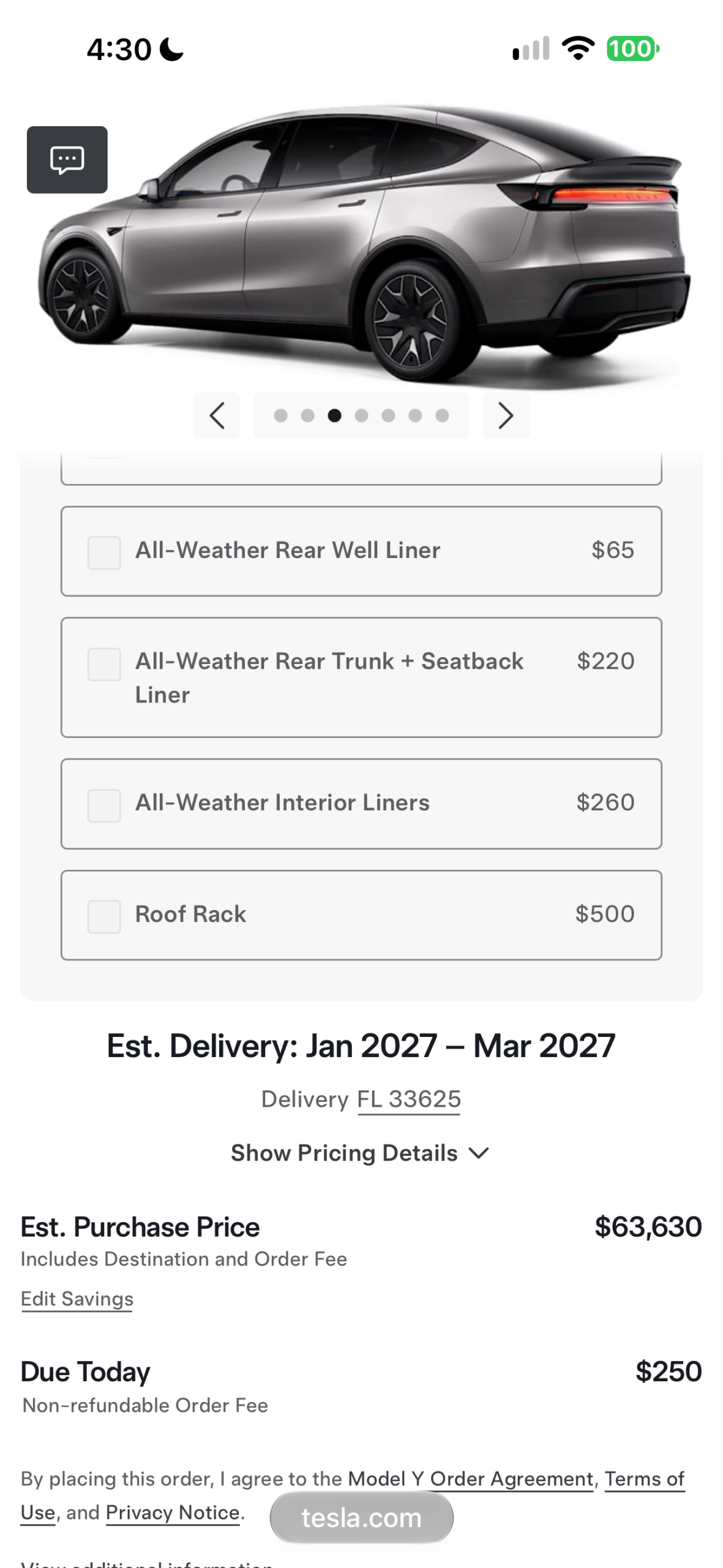
When it comes to interior volume, the Model YL tracks relatively close to the Model X. It offers more than enough utility for many households, though it still falls short of the cavernous interior space found in traditional minivans, the Grand Highlander, or a full-size Chevrolet Tahoe. High demand is already evident; online ordering portals indicate that the Model YL is sold out for the remainder of the year, with delivery timelines stretching into March of the following year for prospective buyers visiting local showrooms.
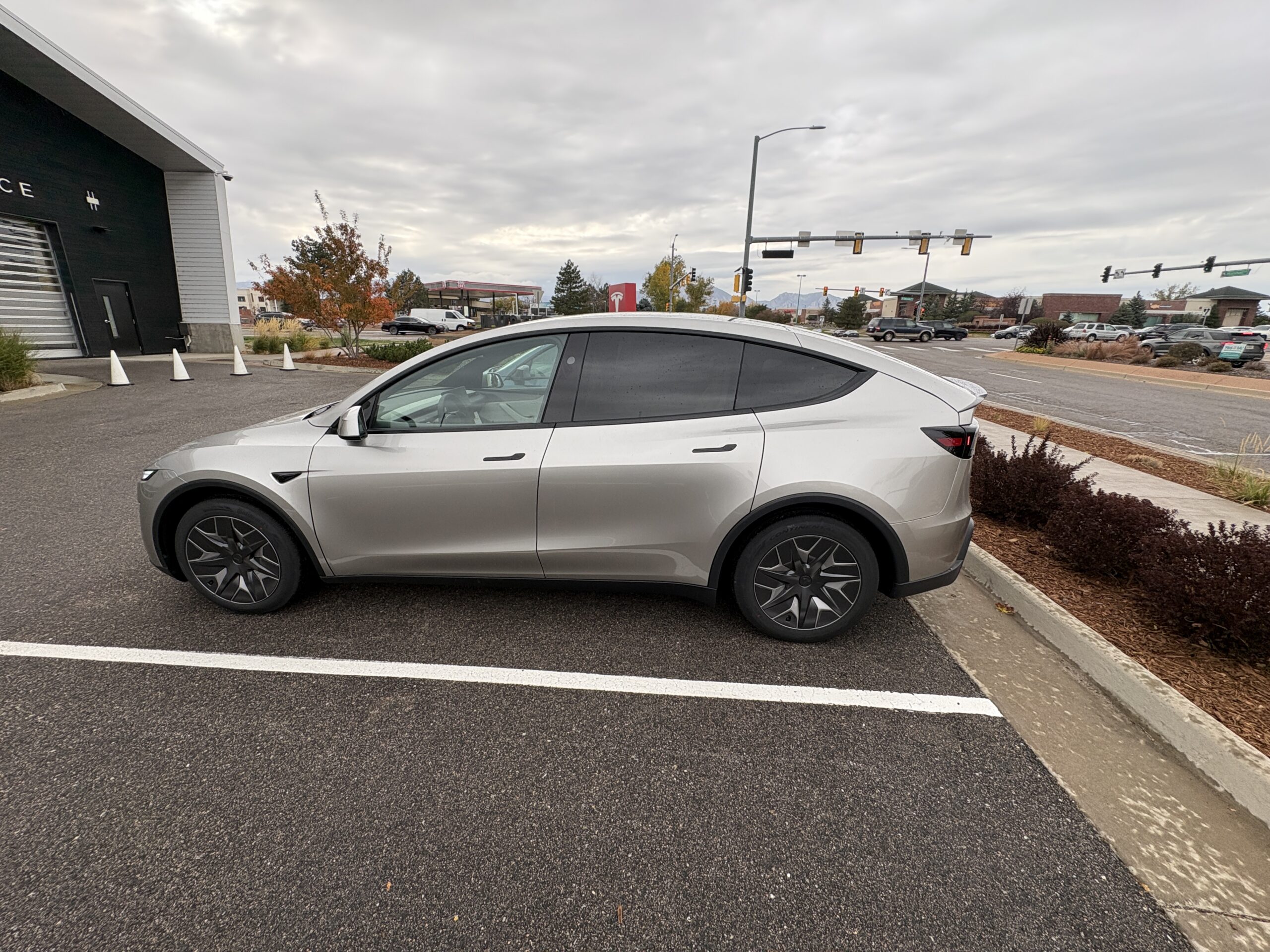
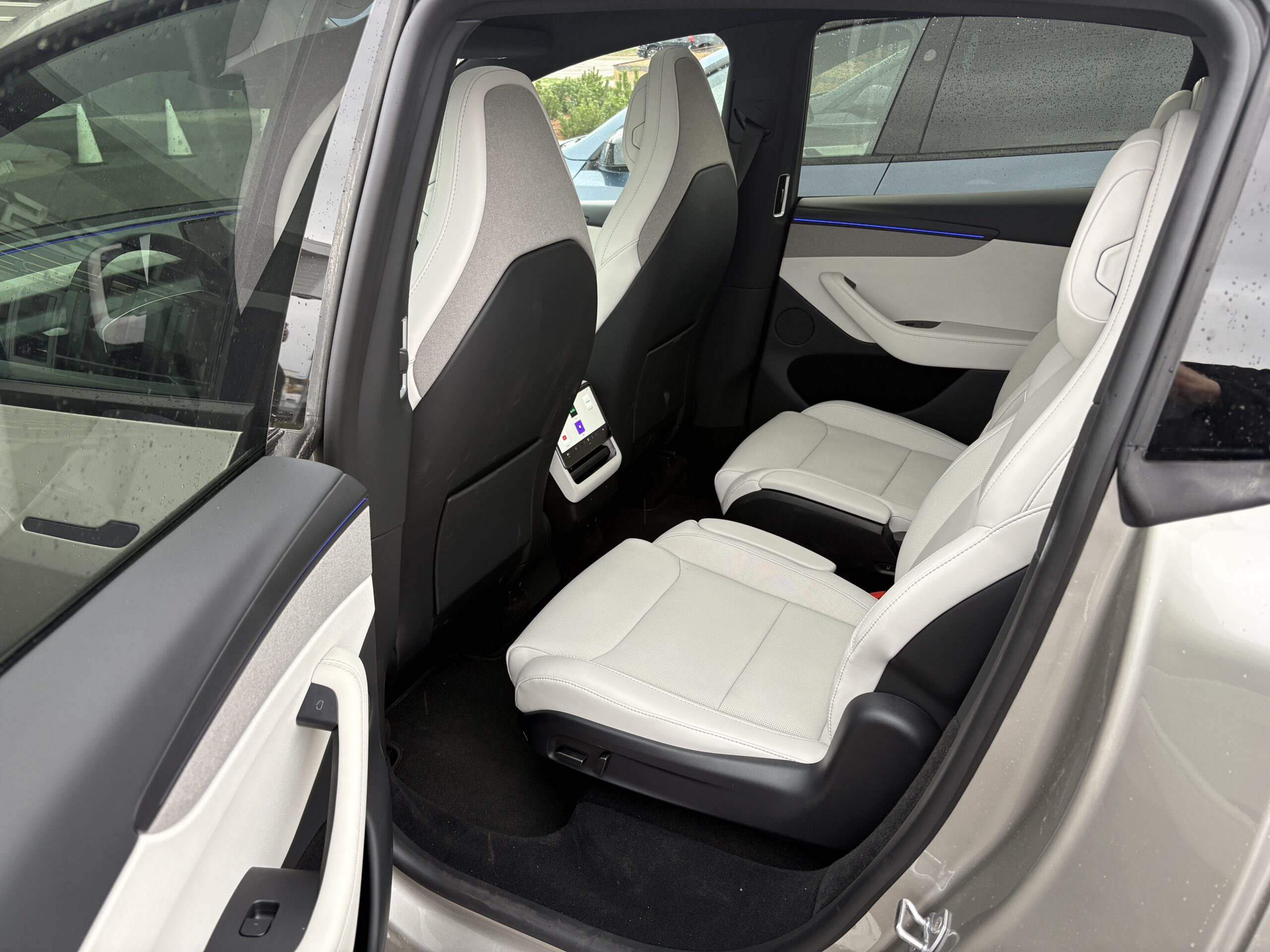
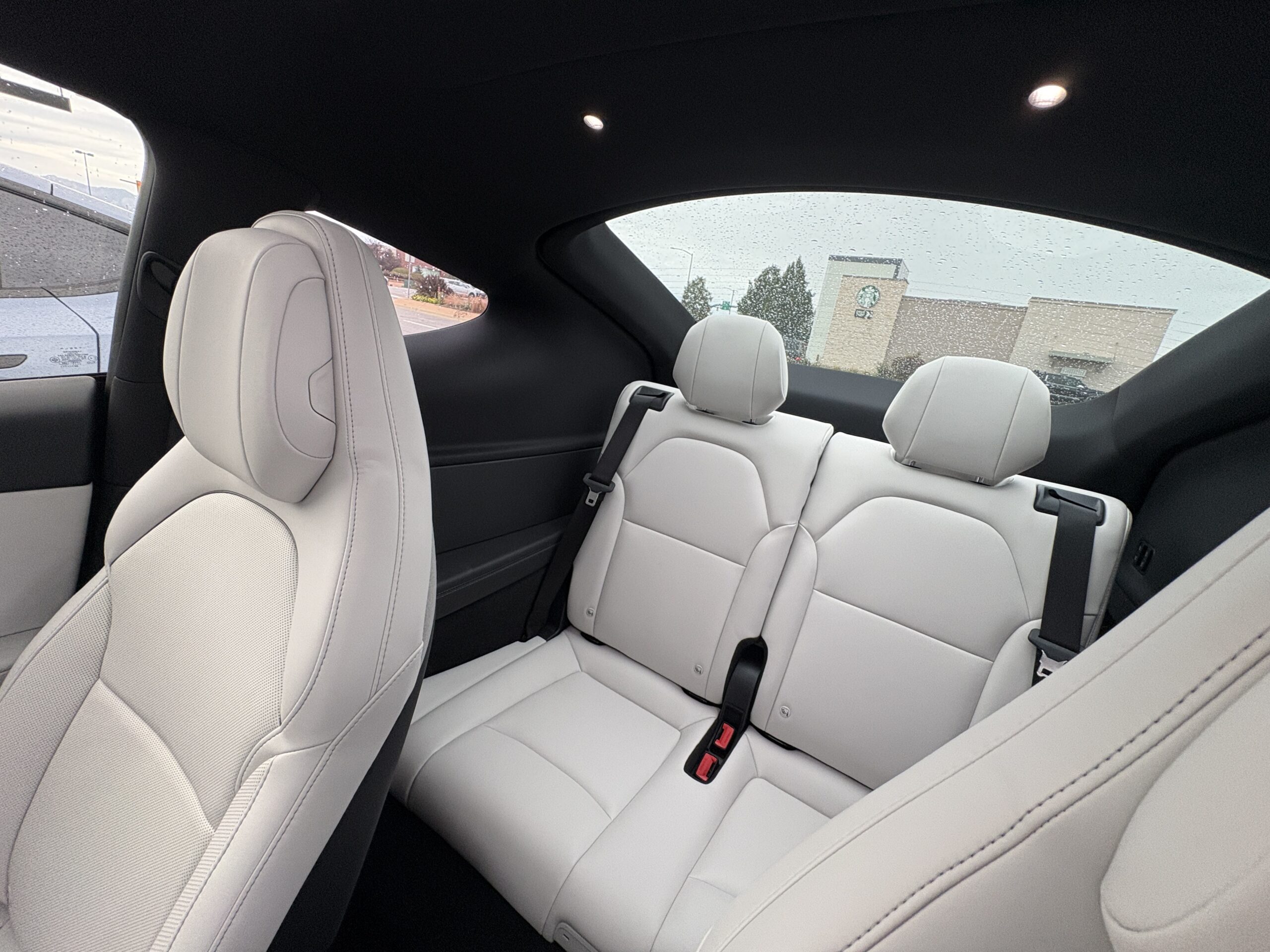
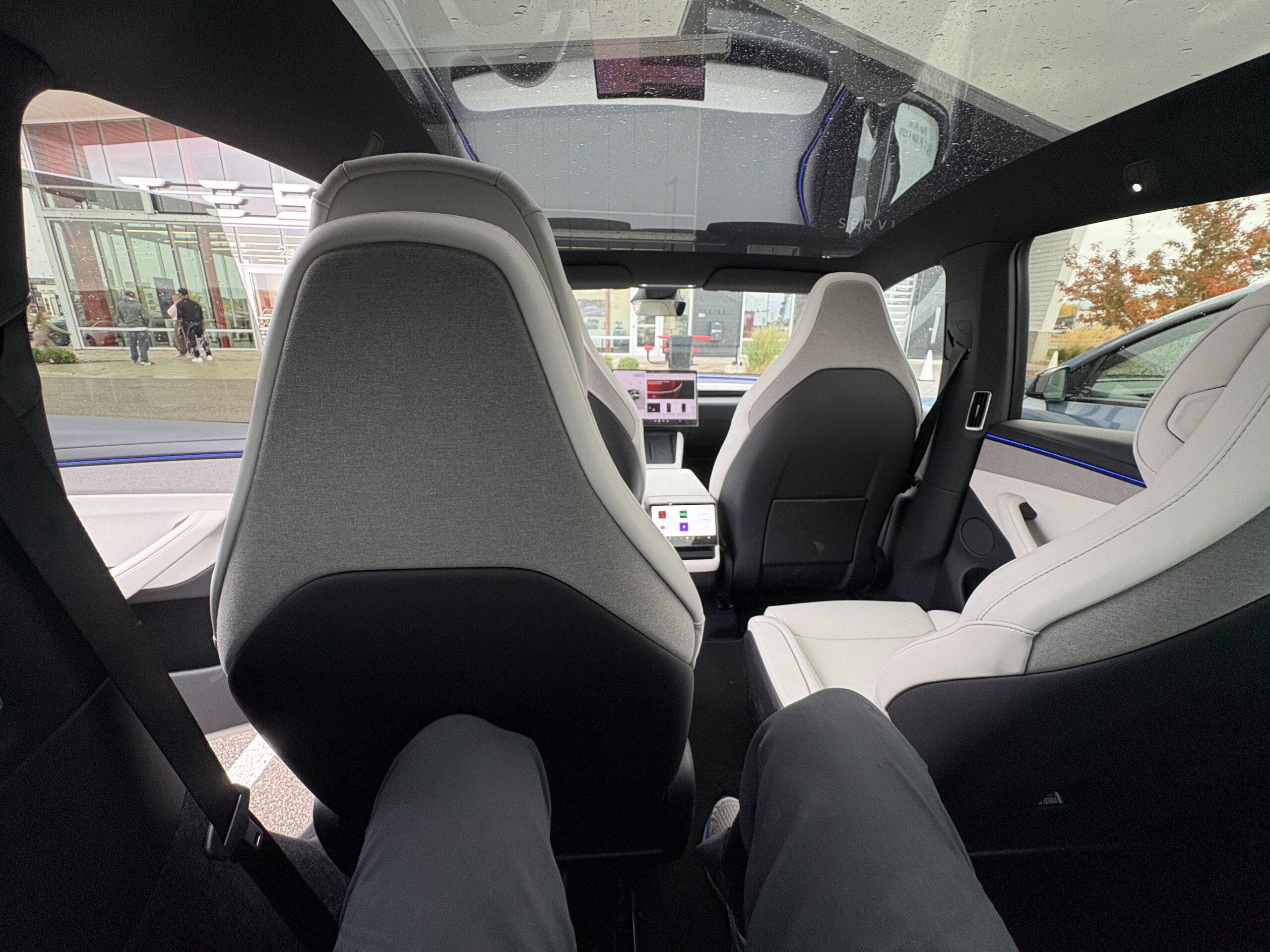
Visually, the Model YL blends seamlessly into the broader Model Y family. At a quick glance, distinguishing it from its standard counterpart proved surprisingly difficult. However, stepping inside reveals notable updates. The second row represents a dramatic upgrade over the conventional Model Y, offering exceptional comfort, integrated heating and cooling capabilities, ample legroom, and fully adjustable headrests.
The third row, on the other hand, presents a more mixed dynamic. While the rearmost seats feature built-in heating—though notably lacking active ventilation—and dedicated climate control vents for both heating and air conditioning, accessibility is somewhat constrained. At six feet and two inches tall, I found that once I settled into the back row, the space was comfortable enough to endure a long-distance road trip without feeling unduly cramped. Surprisingly, I even maintained an inch or two of overhead clearance. However, getting back there requires squeezing through the gap between the two second-row seats, as the middle row does not slide forward automatically like it does in many competing vehicles or even the standard Model Y. For older drivers or passengers with limited mobility, navigating into the rearmost seats could prove cumbersome.
On the road, the driving dynamics closely mirrored a dual-motor Model Y Premium, featuring swift acceleration and confident handling. Where the Model YL truly distinguishes itself is in ride quality. Equipped with electronically controlled dampers tuned specifically for comfort, the vehicle absorbs road imperfections more smoothly than the passive, frequency-dependent dampers on the standard 2026 Model Y, and offers a vast improvement over the notoriously firm ride of older 2021 models. Furthermore, a brief demonstration of Full Self-Supervised Driving handled the test route flawlessly under the guidance of the local sales advisor.
Tesla Model Y Standard
Transitioning to the Model Y Standard brought a sense of familiarity, bearing a strong resemblance to a family member’s 2024 Model Y Rear-Wheel Drive. Compared to its premium sibling, the standard trim introduces a slightly more audible cabin environment and a firmer overall ride. It also foregoes luxury amenities like ventilated seats and the upgraded premium audio system. Nevertheless, for many budget-conscious buyers, a price delta of roughly $6,000 makes these omissions easy to overlook, while others may still find the premium tier well worth the investment.
One notable mechanical highlight on the Model Y Standard is its inclusion of smaller 18-inch wheels. While the Model Y Premium restricts buyers to 19-inch or 20-inch configurations, the 18-inch setup not only aids in maximizing driving range but also provides a thicker tire sidewall, offering better protection against severe potholes on poorly maintained roadways. Inside, adjusting the seating positions requires interacting with the central touchscreen interface, as physical adjustment controls are omitted from the seats entirely. Much like the rest of the lineup, the Full Self-Supervised Driving system operated without fault during the evaluation.
Tesla Model 3 Standard
Although I did not take the Model 3 Standard out for a test drive during my visit, inspecting it closely in the showroom highlighted how far Tesla’s entry-level sedan has evolved. The current iteration offers a compelling value proposition compared to the original Model 3 variants that first ignited massive consumer demand nearly a decade ago. Today’s entry-level sedan delivers superior driving range, sharper acceleration capabilities, and advanced driver-assistance technology at a price point that remains fiercely competitive within the modern automotive landscape.
Conclusion
Experiencing the Model YL, Model Y Standard, and Model 3 Standard firsthand underscores a broader strategic shift for Tesla. The company is actively broadening its appeal, ensuring its most popular platforms become more accessible to everyday buyers without sacrificing the foundational engineering and performance traits that originally popularized the brand.
The introduction of the Model YL directly addresses historical criticisms regarding Tesla’s absence of a viable vehicle for larger households. While it stops short of matching the sheer volume of a minivan or a massive three-row SUV, it provides a functional and realistic alternative for families needing three rows of seating without stepping up to the luxury pricing tier of a Model X or competing electric utility vehicles.
Meanwhile, the Model Y Standard demonstrates Tesla’s ability to cater to cost-sensitive consumers by paring back non-essential luxuries in exchange for substantial financial savings and efficiency-oriented features like 18-inch wheels. Combined with the enduring competitiveness of the Model 3 Standard, these vehicles continue to command strong interest, as reflected by steady showroom traffic and firm delivery timelines. Ultimately, this refreshed lineup provides much more pragmatic choices for larger households and value-oriented shoppers alike.