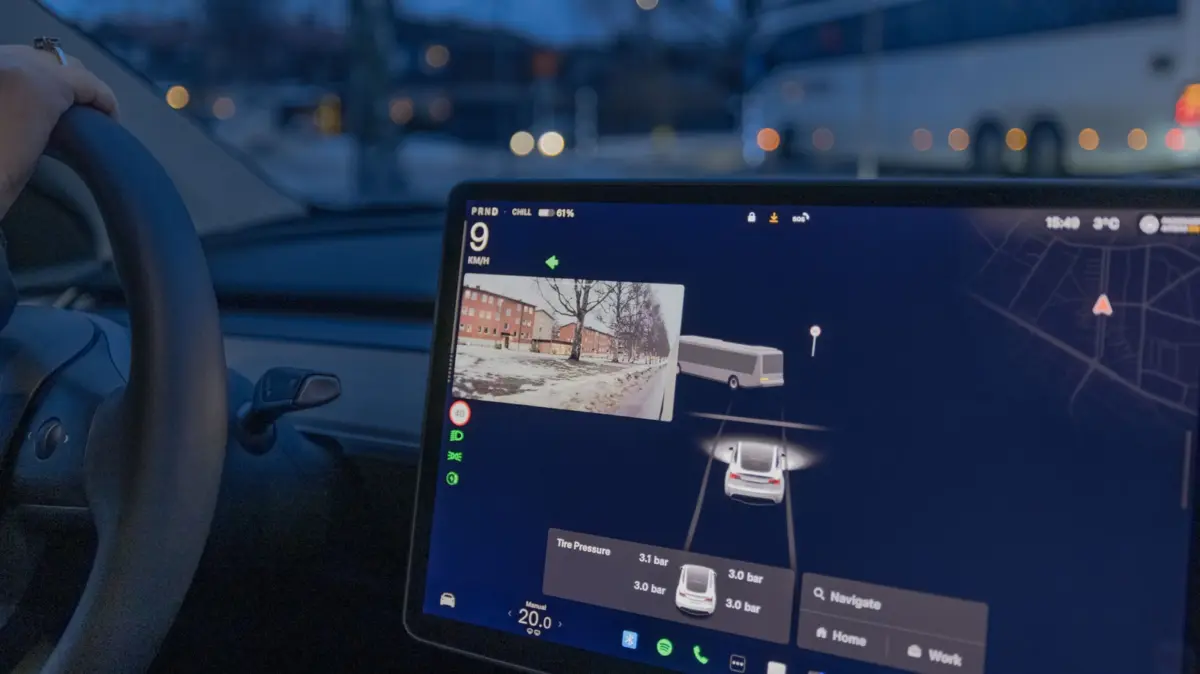
Tesla is facing a major regulatory showdown in South Korea, where consumer advocates and thousands of vehicle owners are accusing the American automaker of deceptive marketing regarding its controversial driver-assistance software. While Tesla has frequently found itself in hot water in various global markets for overstating the actual technical capabilities of its "Full Self-Driving" (FSD) system, the situation in East Asia’s fourth-largest economy takes a different and potentially more legally precarious turn. According to an impending formal complaint, Tesla has allegedly marketed FSD to South Korean buyers while fully aware that the vast majority of vehicles it was selling in the country could not legally utilize the software, all while collecting thousands of dollars per customer for the unusable feature.
The complaint, which is set to be filed with the Korean Fair Trade Commission (KFTC)—the nation’s primary consumer protection agency—stems from a widening gap between Tesla’s aggressive software marketing and South Korea’s strict regulatory environment. For years, prospective Tesla buyers in the country have been encouraged to add the FSD package to their vehicle purchases, a lump-sum option costing approximately $6,726. However, a significant portion of these customers soon discovered that the software could not even be activated on their cars, plunging tens of thousands of motorists into frustration and prompting calls for official accountability.
The core of the dispute revolves around the manufacturing origin of the Tesla vehicles being sold in South Korea and how those origins intersect with local vehicle safety laws. Preliminary testimony provided last month by Tesla Korea country manager Seo Young-deuk revealed a stark division in the fleet: only about 20% of the Teslas currently registered in South Korea are legally permitted to run FSD. This specific minority of vehicles meets U.S. vehicle safety standards, which South Korea recognizes under the framework of a bilateral free trade agreement.
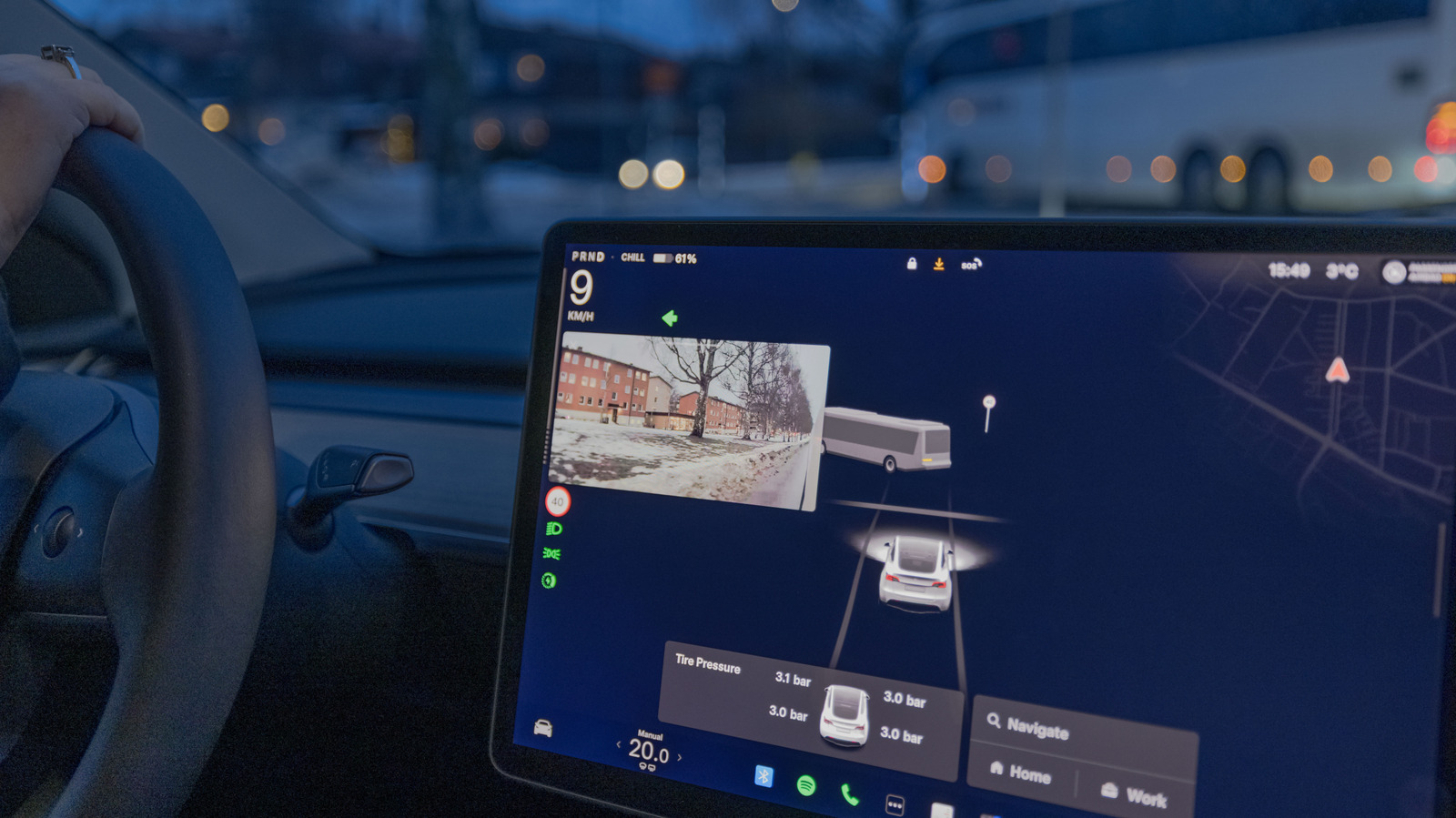
The complication, however, lies in the fact that the vast majority of Teslas on South Korean roads are manufactured in China. Under current regulatory frameworks, vehicles built in China do not enjoy the same reciprocal safety standard exemptions as their American-built counterparts. Despite this well-known legal roadblock, Tesla continued to aggressively market and sell the FSD package to buyers of China-made vehicles for over three years. It was only recently, according to available industry insights and regulatory tracking, that the automaker finally initiated the arduous and time-consuming process of attempting to secure FSD certification for vehicles produced in its Chinese factories.
Bilking Customers
The scale of the potential consumer impact is substantial. While the exact number of motorists who paid for FSD subscriptions or lump-sum activations on ineligible vehicles remains difficult to pinpoint precisely, public sales data underscores the massive volume of imported vehicles involved. Reuters reports that Tesla has sold more than 170,000 China-made vehicles in South Korea since 2023 alone. As sales of these ineligible vehicles surged in recent years, Tesla’s software marketing efforts marched onward largely unabated. By last year, an astonishing 99% of all new Teslas sold in the South Korean market were technically incapable of legally running the FSD software they were often marketed alongside.
The consumer advocacy group preparing the complaint points to specific promotional practices that they argue crossed the line into deceptive advertising. According to reports detailing the upcoming KFTC filing, Tesla promoted FSD as a feature "coming soon" as recently as last year. Furthermore, the company reportedly published a promotional demonstration video filmed directly within South Korea without prominently or clearly disclosing that the sophisticated driver-assistance technology could only be operated on a microscopic fraction of the vehicles it was actively selling to the public.
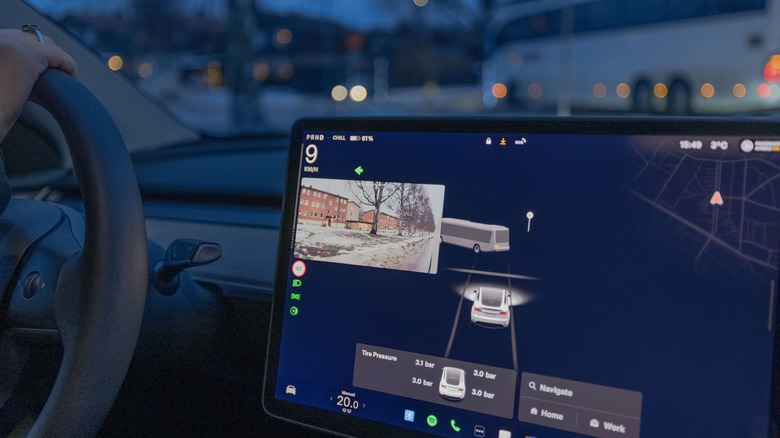
Armed with these allegations, the consumer advocacy group is pressing the KFTC to take decisive regulatory action. Their demands include issuing a temporary cease-and-desist order to halt the marketing of FSD for ineligible vehicles, levying substantial administrative fines against Tesla Korea, and officially referring the case to state investigators for potential criminal inquiry into corporate deception.
Yet, holding the corporate giant accountable through legal channels has already proven to be an uphill battle for affected consumers. Just last month, a court in Seoul dismissed a civil lawsuit filed by a group of Tesla owners who were seeking direct financial refunds for the pricey FSD option they had purchased. In its ruling, the court rejected the plaintiffs’ argument that Tesla had fundamentally failed to deliver a functional driver-assistance system. Instead, the judicial body placed the primary responsibility for the rollout bottleneck onto external regulatory and legal restrictions that had limited the company’s operational capacity to deploy future functions, rather than finding the automaker directly liable for deceptive contract practices.
The dismissal has left many consumer advocates and affected owners frustrated, viewing the court’s rationale as an inadequate justification for a multi-national corporation collecting substantial sums of money for software products that could not legally function upon delivery. With the impending KFTC complaint now shifting the battleground from civil courts to regulatory oversight, Tesla Korea will soon be forced to answer directly to consumer protection watchdogs regarding how it marketed, sold, and collected revenue for automated driving technologies across its massive imported fleet.