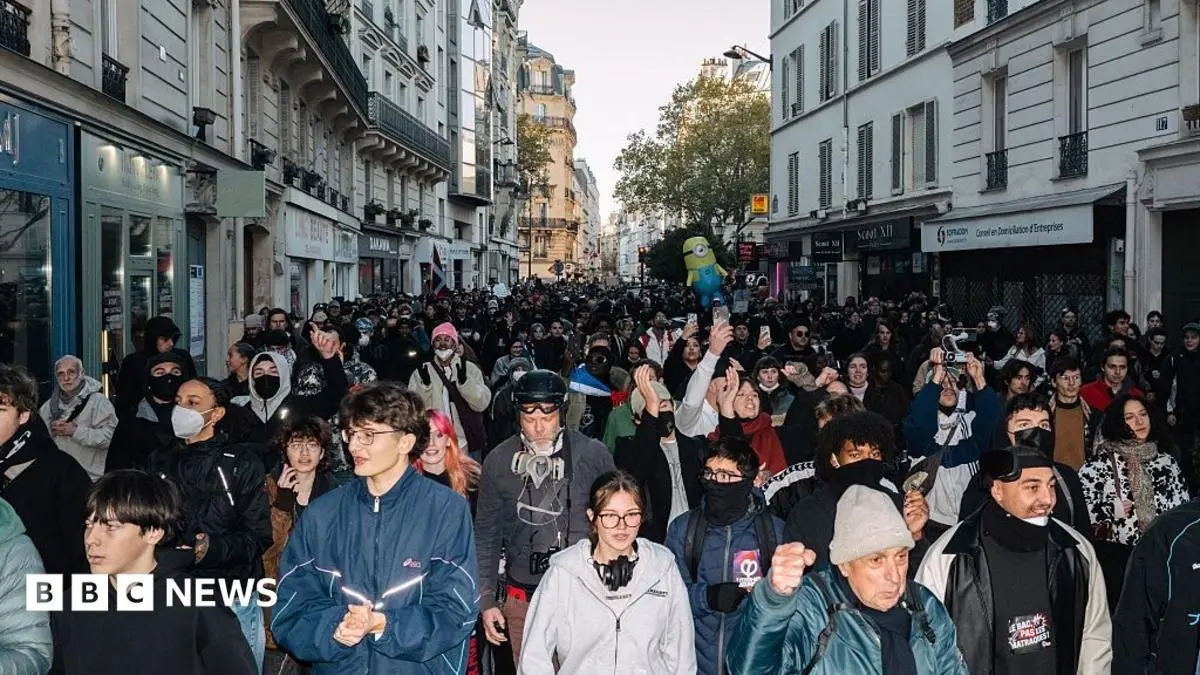
Police authorities in Paris have enacted a sweeping five-day ban on protests in the immediate vicinity of 10 secondary schools and five universities, a move intended to curb weeks of escalating blockades and violence that have gripped educational institutions across the French capital. The emergency administrative order prohibits any unauthorized gatherings, marches, or demonstrations within a 100-meter radius of the designated sites, beginning November 16 and remaining in effect through November 20.
The decision, announced by Paris police chief Patrice Faure, marks a significant escalation in the state’s efforts to restore order as France grapples with a volatile period of civil unrest. According to official statements, the prohibition is a direct response to a sustained pattern of disruptions that have paralyzed academic environments, compromised public safety, and placed an undue strain on law enforcement resources.
Chief Faure underscored that the measure was deemed necessary due to the "numerous disruptions and blockades" that have plagued secondary schools and higher learning establishments throughout the city. Highlighting the severity of the situation, the police chief pointed to "persistent violence" that has characterized many of the recent demonstrations. These incidents, he noted, have frequently spiraled beyond peaceful assembly, resulting in significant damage to public property, acts of aggression directed at members of the educational community—including teachers, administrators, and students—and direct, often heated, clashes with law enforcement officers tasked with maintaining the peace.
The current wave of social agitation, which began in September, originated from student-led grievances regarding the quality of infrastructure and conditions within secondary schools. As the movement gained momentum, however, it expanded rapidly to include a broader spectrum of society. The initial focus on educational reform soon acted as a catalyst for a wider, more complex protest movement, drawing in university students, organized labor, and the burgeoning "yellow-vest" movement, which has centered its grievances on the rising cost of living and perceived economic inequality.
This convergence of disparate groups has created a challenging operational environment for Parisian authorities. The educational venues, originally the site of localized student protests, have become focal points for this broader social friction, with blockades serving as a primary tactic to force governmental attention. For the police, the challenge lies in distinguishing between the right to protest and the necessity of maintaining access to essential public services and ensuring the safety of those within the school system.
The scale of the intervention is reflective of the pressure placed on local officials. Reports from local media indicate that mayors representing eight different Parisian districts reached out to the regional education authority to formally request urgent measures to "secure the entrances and exits" of secondary schools that had been systematically blockaded. For these local leaders, the primary concern remains the continuity of education and the protection of students, many of whom have been unable to attend classes due to the obstruction of school premises.
The impact of the protests on the city’s security apparatus has been substantial. Providing an update on the intensity of the unrest, Chief Faure revealed on Sunday that a total of 1,548 people have been arrested in Paris since the protests began in September. This figure serves as a sobering indicator of the frequency and intensity of the encounters between demonstrators and the state. The arrests include individuals detained for various offenses, ranging from public order violations and property damage to more serious allegations involving physical confrontation with police.
The five-day ban is viewed by observers as a tactical "cooling-off" period. By establishing a 100-meter buffer zone, authorities aim to prevent the physical barricading of school gates and reduce the potential for face-to-face confrontations between protesters and those attempting to access the buildings. The measure is a direct attempt to decouple the educational sector from the broader political demonstrations that have been playing out on the streets of Paris for months.
Critics of the policy, however, argue that such restrictions on assembly could potentially exacerbate tensions rather than alleviate them. They contend that the right to protest is a cornerstone of French public life and that restricting the proximity of these demonstrations to the very institutions that are the subject of many grievances—the schools and universities—might stifle the democratic expression of the student body. Conversely, supporters of the police order maintain that the primary responsibility of the state is the protection of its citizens and the guarantee of access to public education, which they argue has been held hostage by the persistent blockades.
As the ban takes hold, the city remains on high alert. The intersection of the secondary school protests with the broader economic demonstrations has created a complex landscape where the government must navigate the delicate balance between maintaining public order and addressing the underlying socio-economic concerns of its citizens. The regional education authority, now working in tandem with the prefecture of police, is tasked with ensuring that the 15 targeted sites can operate without the threat of physical obstruction or intimidation.
The situation remains fluid, with both the government and protest organizers observing how the enforcement of the 100-meter buffer zone will impact the dynamics on the ground. For now, the administration has signaled that it will not tolerate the continued disruption of the educational system, marking a firm stance against the tactics that have become synonymous with the recent months of unrest. As the November 20 deadline for the order approaches, the focus remains on whether these measures will provide the necessary stability to allow for dialogue to replace the cycle of blockades and arrests.
The logistical challenge for the police in enforcing this perimeter is significant, requiring a visible and constant presence at multiple sites simultaneously. This deployment, while aimed at securing the schools, represents a major drain on resources that have already been stretched thin by the ongoing, city-wide demonstrations. The authorities have reiterated that their priority is to prevent further damage to public property and, crucially, to ensure that the educational community can carry out its work in a secure environment.
As Paris moves through this period of heightened tension, the academic community finds itself at the center of a national debate. The protests, which began as a call for better conditions for students, have evolved into a wider reflection of the state of the nation. Whether the current police measures will prove sufficient to de-escalate the situation or whether they will serve as a flashpoint for further conflict remains a central question for officials and the public alike. For the time being, the 15 schools and universities identified by the authorities will be subject to strict security protocols, a testament to the severity of the disruptions that have necessitated such a restrictive and targeted response from the state.