Architecture has long served as a bridge between communities and their natural surroundings, yet urban development frequently turns its back on the very waterways that birthed civilizations. In response to this urban disconnect, the renowned architecture practice Natura Futura has completed "El Embarcadero," an innovative floating cultural center designed to re-establish a profound physical and emotional connection between the city and its river. Curated by Valentina Díaz, the project emerges as a vital piece of public architecture aimed at reclaiming collective memory, honoring local heritage, and fostering entirely new frameworks for social coexistence and sustainable community development along the waterfront.
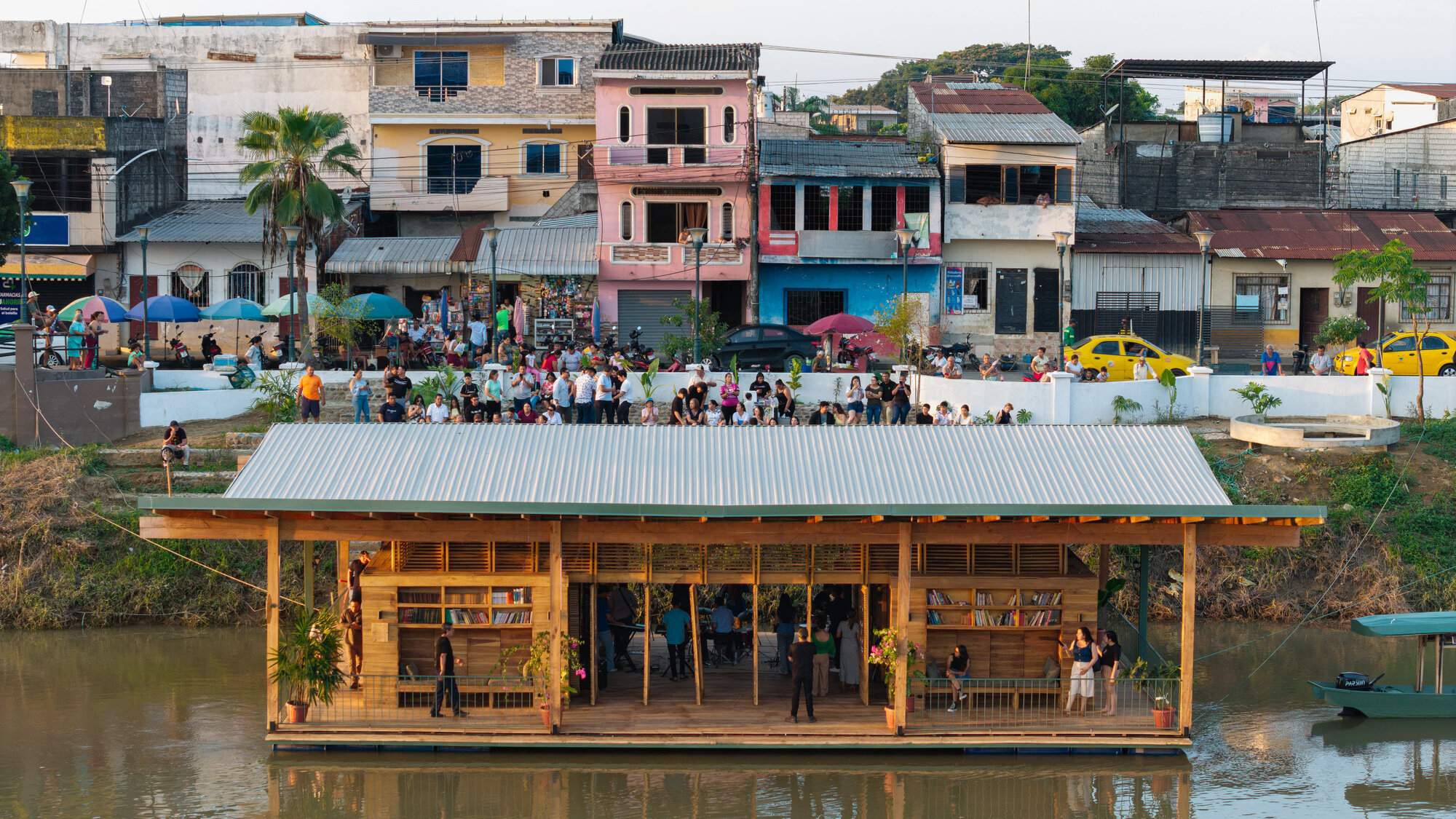
The concept behind El Embarcadero is rooted in a desire to heal the fractured relationship between urban centers and aquatic landscapes. Rivers historically functioned as the vibrant hearts of cities, acting as primary conduits for trade, communication, and social gathering. Over time, however, industrialization, infrastructural changes, and urban expansion often transformed these vital waterways into neglected edges or physical barriers within the urban fabric. Natura Futura’s floating pavilion confronts this historical oversight directly, utilizing floating architecture as a flexible, sensitive, and non-invasive strategy to reactivate the water’s edge. By placing a cultural venue directly on the water, the design transforms the river from a forgotten boundary into an active public square.
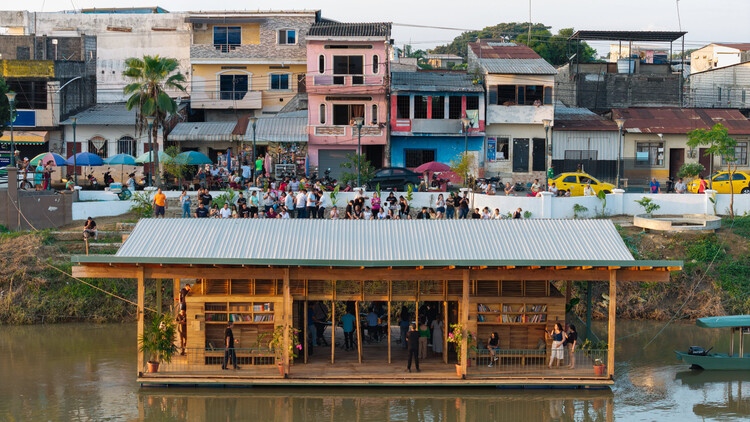
At its core, El Embarcadero functions as more than just a physical structure; it is a catalyst for collective memory and community engagement. The architects designed the space to host a wide array of cultural, artistic, and educational activities that bring diverse groups of people together. By providing a dedicated venue for local gatherings, workshops, exhibitions, and dialogue, the floating center gives the community a renewed sense of ownership over its public spaces. This approach to architecture emphasizes social sustainability, ensuring that the built environment actively contributes to the cultural vitality and psychological well-being of the population it serves.
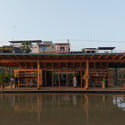
The architectural realization of El Embarcadero reflects Natura Futura’s signature sensitivity to local contexts, materiality, and craftsmanship. Floating structures require a careful balance of naval engineering and architectural expression, demanding lightweight yet durable systems that can gracefully respond to changing water levels, tides, and environmental conditions. The design makes thoughtful use of timber and regional building traditions, creating a warm, inviting atmosphere that contrasts sharply with the cold, concrete infrastructure often found along modern urban waterfronts. Through its structural expression, the pavilion demonstrates how contemporary design can harmonize with natural ecosystems rather than dominate them.
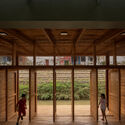
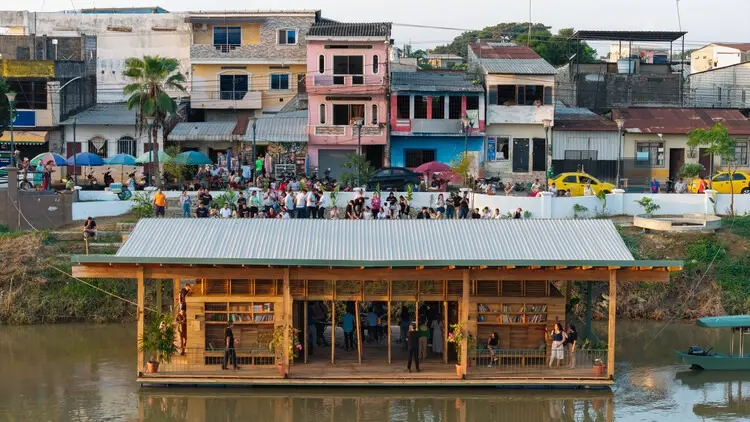
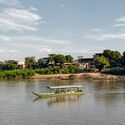
Photographed by Mavix, the completed project reveals a harmonious dialogue between the built form and the surrounding aquatic landscape. The exterior views capture how the floating center sits naturally upon the water, serving as a welcoming beacon for pedestrians and boaters alike. Inside, the architecture prioritizes openness, visual connectivity, and spatial flexibility. Large apertures and carefully aligned timber frames frame sweeping views of the river and the opposite banks, constantly reminding visitors of their immediate natural context. The interplay of light, shadow, and natural materials creates an interior environment that feels both grounded and fluid, echoing the rhythmic movement of the water below.
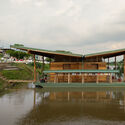
The unveiling of El Embarcadero contributes to a broader, ongoing global conversation about climate adaptation, waterfront revitalization, and the role of public architecture in fostering community resilience. As cities face the mounting challenges of climate change, fluctuating water levels, and rapid urbanization, traditional fixed waterfront developments are increasingly vulnerable. Floating architecture offers an adaptive, resilient typology that can rise and fall with environmental shifts while leaving minimal ecological footprints on fragile riverbeds. By demonstrating the viability and beauty of floating public spaces, Natura Futura’s project serves as a compelling model for other cities seeking to reconnect with their water bodies in a sustainable manner.
Ultimately, El Embarcadero stands as a testament to the power of thoughtful, community-driven design. By weaving cultural programming together with sensitive waterfront architecture, Natura Futura has created a living monument to public life and collective memory. The floating cultural center successfully bridges the gap between urban density and natural fluidity, inviting citizens to step out onto the water, rediscover their local heritage, and participate in the ongoing creation of their city’s cultural future.