Psychological thriller television series hold a uniquely captivating space in the modern entertainment landscape. Because of their episodic structure, these narratives are uniquely positioned to allow fear, anxiety, and dread to build gradually, cultivating a palpable sense of suspense that makes the underlying story far richer and more immersive. Shows like Mr. Robot and Dexter demonstrate how vastly different creative approaches can yield incredible results within the same genre, sharing a distinct penchant for rich character studies and profound moral complexity.
Some psychological thriller productions choose to utilize the time-tested procedural format to keep viewers continuously engaged, while others prefer to draw out a central, overarching mystery by layering unexpected, shocking reveals episode after episode. Ultimately, the core objective of these stories is to impress, entertain, and deeply unsettle audiences by fearlessly exploring the darkest, most complicated recesses of the human mind.
Unfortunately, many of the most popular and critically acclaimed genre entries—such as the breakout global phenomenon Squid Game or David Fincher’s meticulous crime drama Mindhunter—remain locked behind paid subscriptions for major streaming services like Netflix, Prime Video, or Max. For viewers who would rather bypass monthly subscription fees and watch a compelling psychological thriller show for absolutely no cost, alternative platforms like Pluto TV, Plex, and the Roku Channel provide viable, completely legal viewing options. With that accessibility in mind, here is an examination of five of the absolute best psychological thriller TV shows that can currently be streamed at no charge from the comfort of your home.
Twin Peaks
Where to watch: Pluto TV
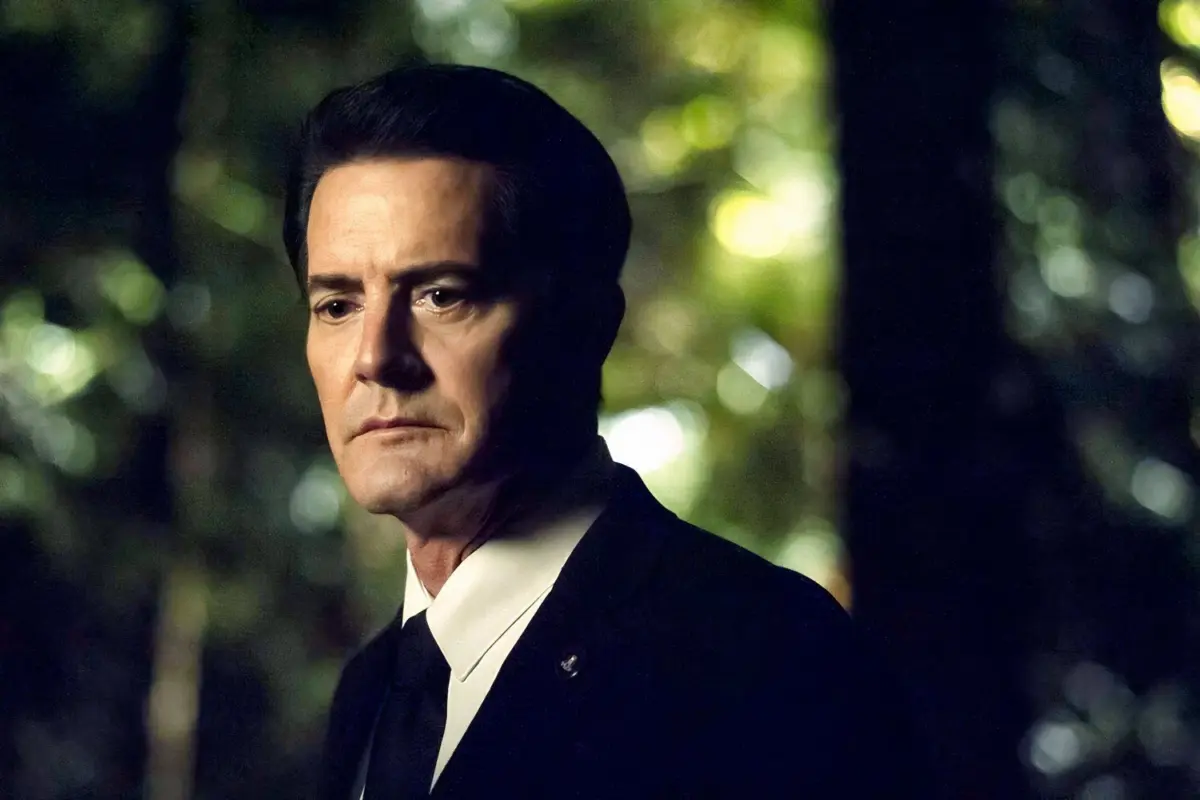
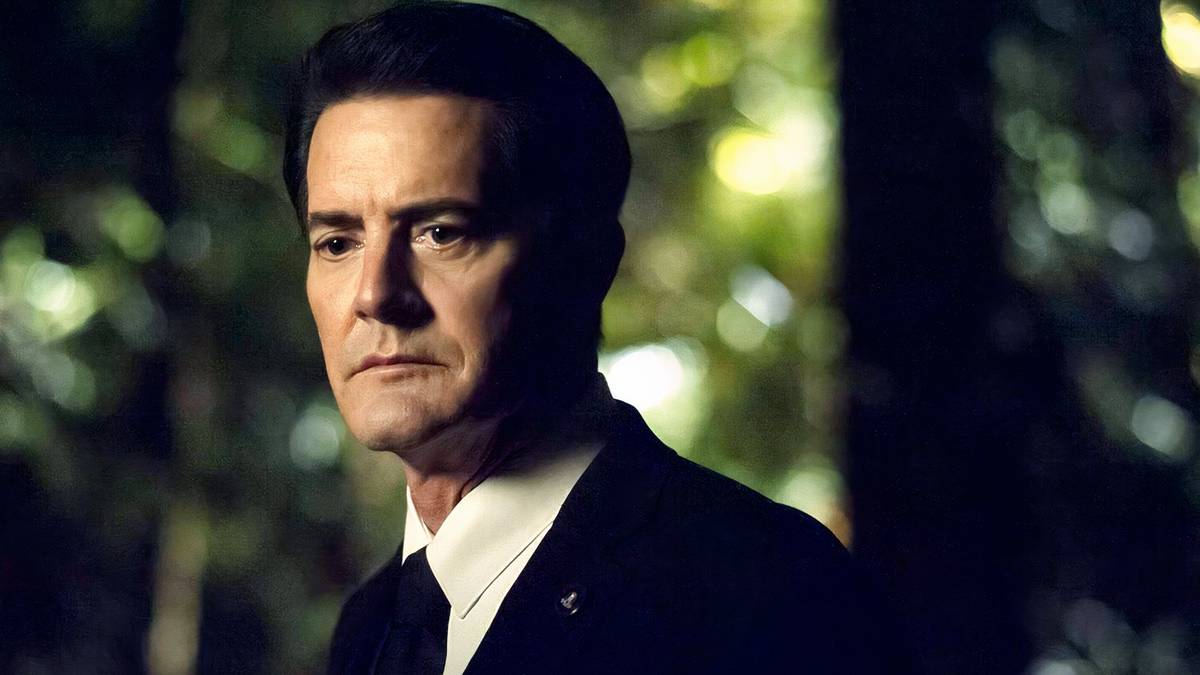
Created by David Lynch and Mark Frost, Twin Peaks famously resists rigid genre categorization. Operating part as a conventional crime procedural and part as a subverted, eccentric soap opera, the series also features a generous sprinkling of surreal horror to flesh out its eerie atmosphere. Alongside these elements, Twin Peaks functions brilliantly as a slow-burn psychological thriller. The peaceful, picturesque facade worn by the seemingly idyllic logging town of Twin Peaks is completely shattered on a cold morning when the dead body of local teenager Laura Palmer, played by Sheryl Lee, washes ashore wrapped in plastic.
While the harrowing mystery surrounding her grisly murder serves as the foundational focal point for the police investigation that immediately ensues, FBI Special Agent Dale Cooper, portrayed by Kyle MacLachlan, quickly finds himself deeply embroiled in the esoteric, supernatural secrets that actively haunt the town. Although Lynch’s lifelong artistic preoccupation with dream logic, uncanny doppelgängers, and psychosexual metaphors slowly unravels over the course of three distinct seasons, Twin Peaks remains primarily a complex crime drama at its core.
The characters within the community are persistently haunted by profound grief and unresolved trauma, elements that gradually manifest as tangible, cosmic evil within a town hiding a terrifying and seedy underbelly. The psychological implications that define Laura Palmer’s final moments gain special significance as the narrative progresses, because all narrative roads ultimately lead back to the profound darkness she fought and endured. Decades after its original broadcast, Twin Peaks continues to stand as a gold standard for mystery-centered television, expertly balancing tactile thrills and profound psychological depth in ways few other programs have ever managed to replicate.

The Fall
Where to watch: Roku
In the gripping crime drama The Fall, Superintendent Stella Gibson, portrayed by Gillian Anderson, is brought in to assist the Police Service of Northern Ireland in assessing an open, high-pressure murder investigation that has stalled local authorities. Simultaneously, an elusive serial killer named Paul Spector, played by Jamie Dornan, is moving through the shadows of Belfast, systematically attacking women and prompting Stella and her colleagues to urgently try to identify and apprehend him before he strikes again. This mission proves considerably easier said than done, as Spector has carefully refined a flawless double life as a devoted, doting family man and a professional grief therapist.
Rather than relying on a traditional whodunit framework, The Fall operates much more like an inverted procedural—often described as a "howcatchem"—wrapped in the tense, claustrophobic trappings of a psychological thriller that revels in intricate mind games and deeply dubious human intentions. Both Stella and Paul are depicted as brilliant, exceptionally methodical individuals, a characteristic that establishes a uniquely charged psychological dynamic between them. Paul’s violent crimes are driven by deeply complicated, compulsive psychological urges that Stella must systematically decipher in order to anticipate his next move and ultimately catch him.
Because Paul’s victims are exclusively single, professional women, the narrative points toward a hyperspecific, chilling mindset shaped entirely by an overwhelming need to exert absolute power and control. The Fall explores these dark themes with remarkable nuance. The show successfully cultivates a palpable sense of anxiety by highlighting the uncomfortably real threat of crimes against women who fall victim to systemic and interpersonal violent misogyny. It is simultaneously thrilling and deeply unsettling to observe the high-stakes cat-and-mouse games that lie at the very center of this powerful drama.
Hannibal
Where to watch: Plex
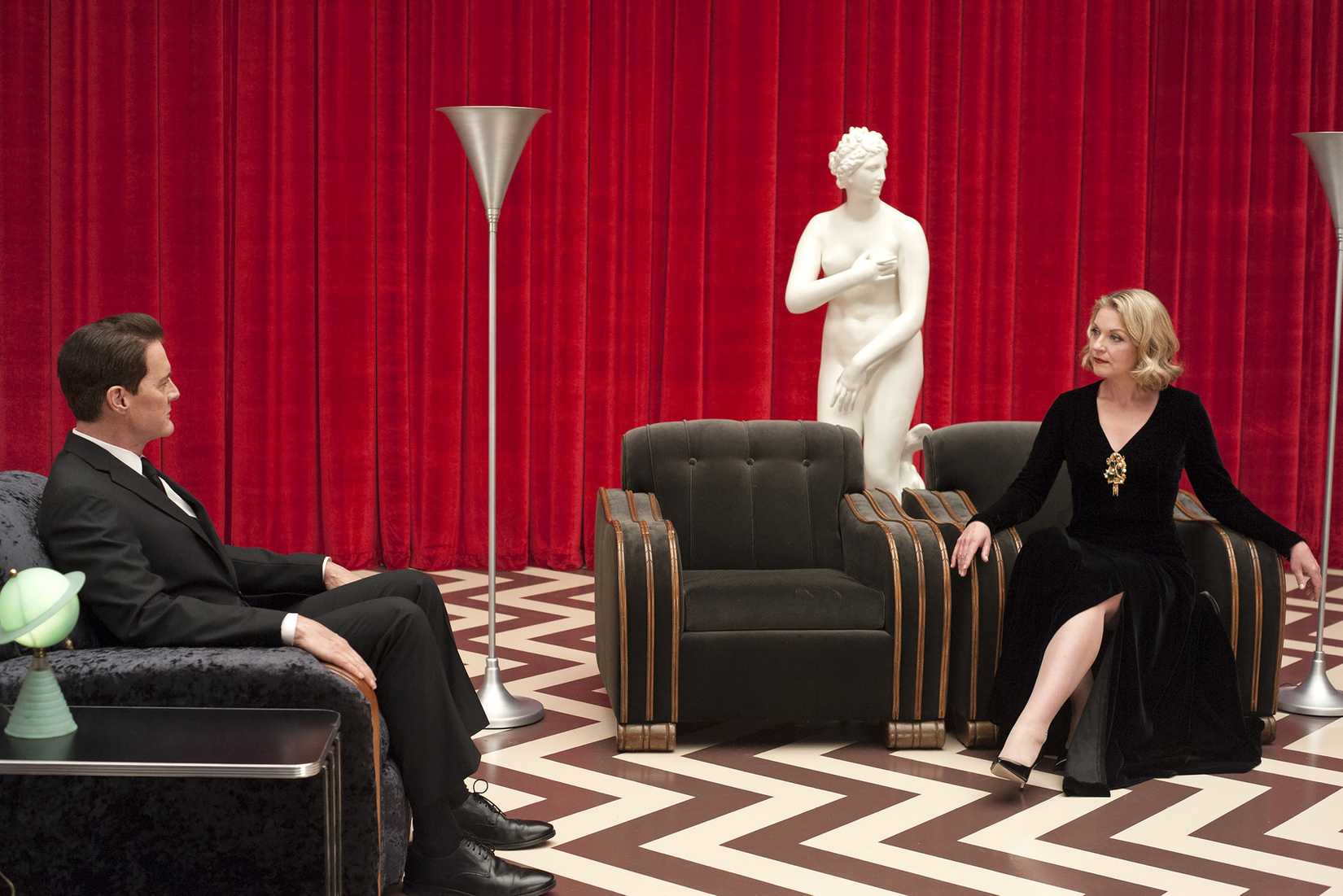
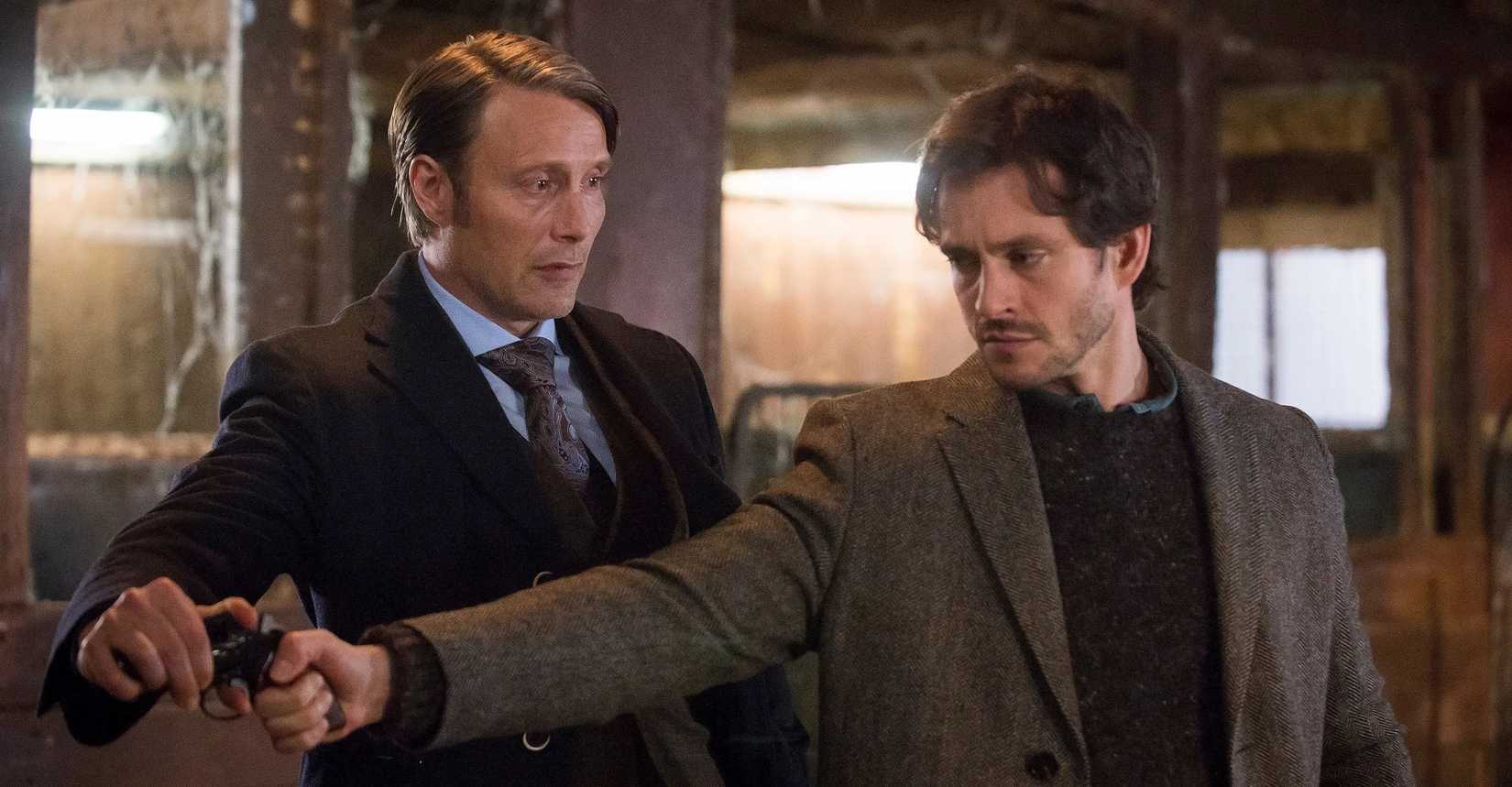
While showrunner Bryan Fuller built Hannibal on the already-solid narrative foundation established by Thomas Harris’s classic source material, this acclaimed NBC series transformed into an entirely inimitable genre gem. Although Harris’s novel Red Dragon originally fleshed out an intriguing intellectual and psychological dynamic between the brilliant Dr. Hannibal Lecter, played by Mads Mikkelsen, and troubled FBI special investigator Will Graham, played by Hugh Dancy, Fuller morphs their relationship into a beautiful, twisted, and profoundly intimate connection that serves as the beating heart of the entire television adaptation.
This version of Will Graham is relentlessly haunted by his own psychological demons, as his overwhelming, hyper-active empathy allows him to solve complex homicide cases through vivid, first-person psychological reconstructions of grotesque crime scenes. Hannibal actively challenges standard television procedural conventions by taking a macabre, almost poetic aesthetic approach to crime, violence, and extreme psychopathy. The classic predator-and-prey dynamic between Hannibal and Will remains integral to the narrative engine, but the show also utilizes drawn-out, case-of-the-week investigations to explore deviant human psychology in fascinating detail.
The primary thriller aspect manifests significantly in the dramatic irony created by the gap between the audience’s objective perception of Hannibal’s true nature and the other characters who remain blissfully oblivious to his horrific crimes. This includes figures like Jack Crawford, played by Laurence Fishburne, who is completely blindsided once the devastating truth is finally brought to light. Hannibal accomplishes all of this and much more utilizing lush visual metaphors and unforgettable dialogue, establishing an entirely new benchmark for psychological thrillers that are never afraid to embrace the unexpected.

Terror in Resonance
Where to watch: Roku
Shinichirō Watanabe is globally celebrated for his groundbreaking anime masterpieces like Cowboy Bebop and Samurai Champloo, but his lesser-discussed psychological thriller Terror in Resonance stands as an equally compelling entry that boasts exceptional animation and sharp, sophisticated writing. The story follows two enigmatic teenage boys known only by their codenames, Nine and Twelve, who successfully steal a nuclear bomb prototype from a secure facility and broadcast a chilling video threatening to detonate the device in Tokyo unless a cryptic, riddle-based challenge is solved by the public.
Although their destructive motivations appear entirely nefarious at first glance, Nine and Twelve are actually driven by a far more complex agenda focused on exposing a deeply concealed government conspiracy connected to the traumatic abuse they suffered as children inside a clandestine medical experiment facility. Veteran police detective Kenjiro Shibazaki is tasked with getting to the bottom of the unfolding crisis before time runs out, proving to be a monumental challenge given the catastrophic gravity of the threat.
Terror in Resonance makes wonderful use of tense narrative pacing and a deliberately muted color palette to evoke a modern urban world resting on the precipice of ruin. Detective Shibazaki is depicted as both deeply dedicated and fiercely competent, but he must constantly battle corrupt bureaucratic institutional forces just to comprehend the underlying truths Nine and Twelve are attempting to force the world to acknowledge. While the series incorporates a clever narrative bait-and-switch that delivers a tremendous emotional and psychological payoff, Terror in Resonance remains at its absolute best when it explores the lingering shadow of psychological trauma and its devastating, alienating effects on the youth. Isolation feels like a literal death sentence throughout this gripping series, as it continuously breeds apathy, fear, and profound distrust, leaving virtually no room for tender human connections.
Bates Motel
Where to watch: The CW
Serving as an inspired, contemporary prequel to Alfred Hitchcock’s landmark cinematic masterpiece Psycho, Bates Motel chronicles the formative adolescent years of a young Norman Bates, played by Freddie Highmore, alongside his fiercely protective mother, Norma Bates, portrayed by Vera Farmiga, prior to the tragic events depicted in the 1960 film. Following the sudden and suspicious death of Norma’s husband, she impulsively purchases a rundown motel in a quiet coastal Oregon town so that she and Norman can pack up their lives and start completely afresh.
Unfortunately, a series of increasingly violent and traumatic local events immediately alters their plans, sparking a complex murder investigation that the mother-son duo must constantly work to keep at bay. Bates Motel is intensely focused on examining the toxic, deeply codependent psychological relationship shared between mother and son, an unhealthy dynamic that is continuously exacerbated by untreated mental illness, repressed memories, and festering personal trauma.
While Hitchcock’s original Psycho alternates its cinematic pacing to deliver sharp, sudden edge-of-your-seat thrills, Bates Motel deliberately adopts a much more languid, atmospheric approach to building out Norma and Norman’s engrossing, multi-layered character studies. Pre-existing narrative assumptions based strictly on the plot of the classic film are consistently challenged, subverted, and reframed over the course of the series, with the production successfully oscillating between a moody psychological thriller and a gripping, small-town soap opera. Elements of systemic small-town corruption serve as yet another major focal point of the overarching narrative, allowing a wide roster of morally dubious and compelling characters to take center stage as the psychological walls slowly close in around the Bates family.