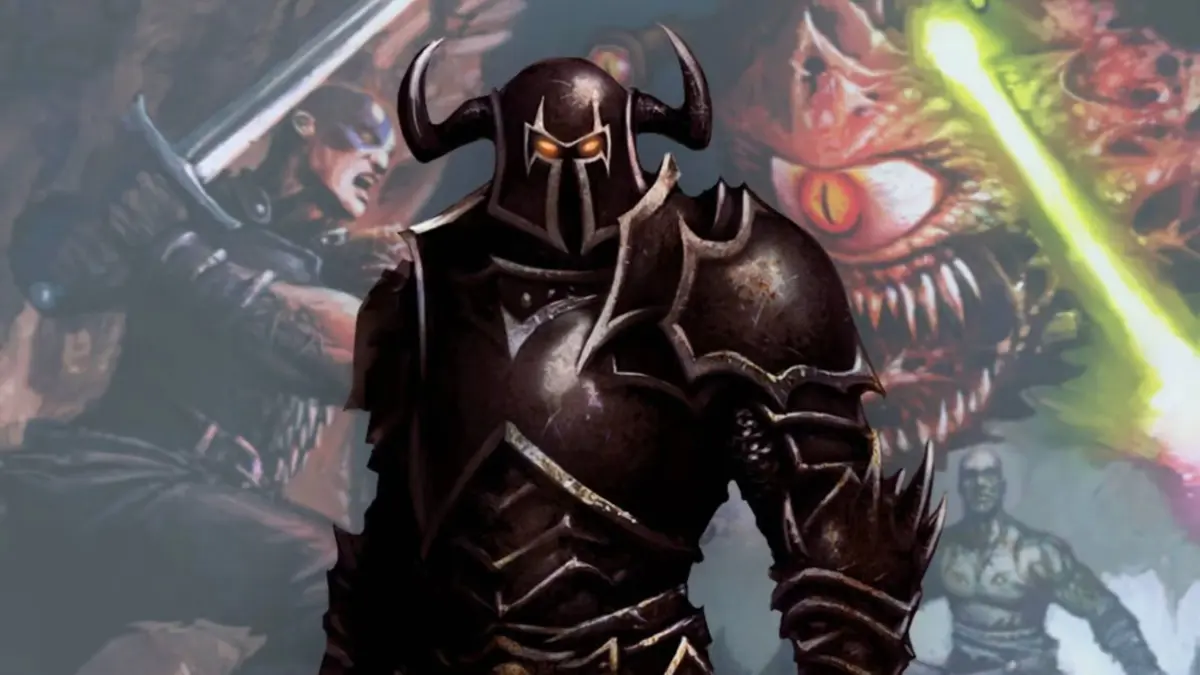
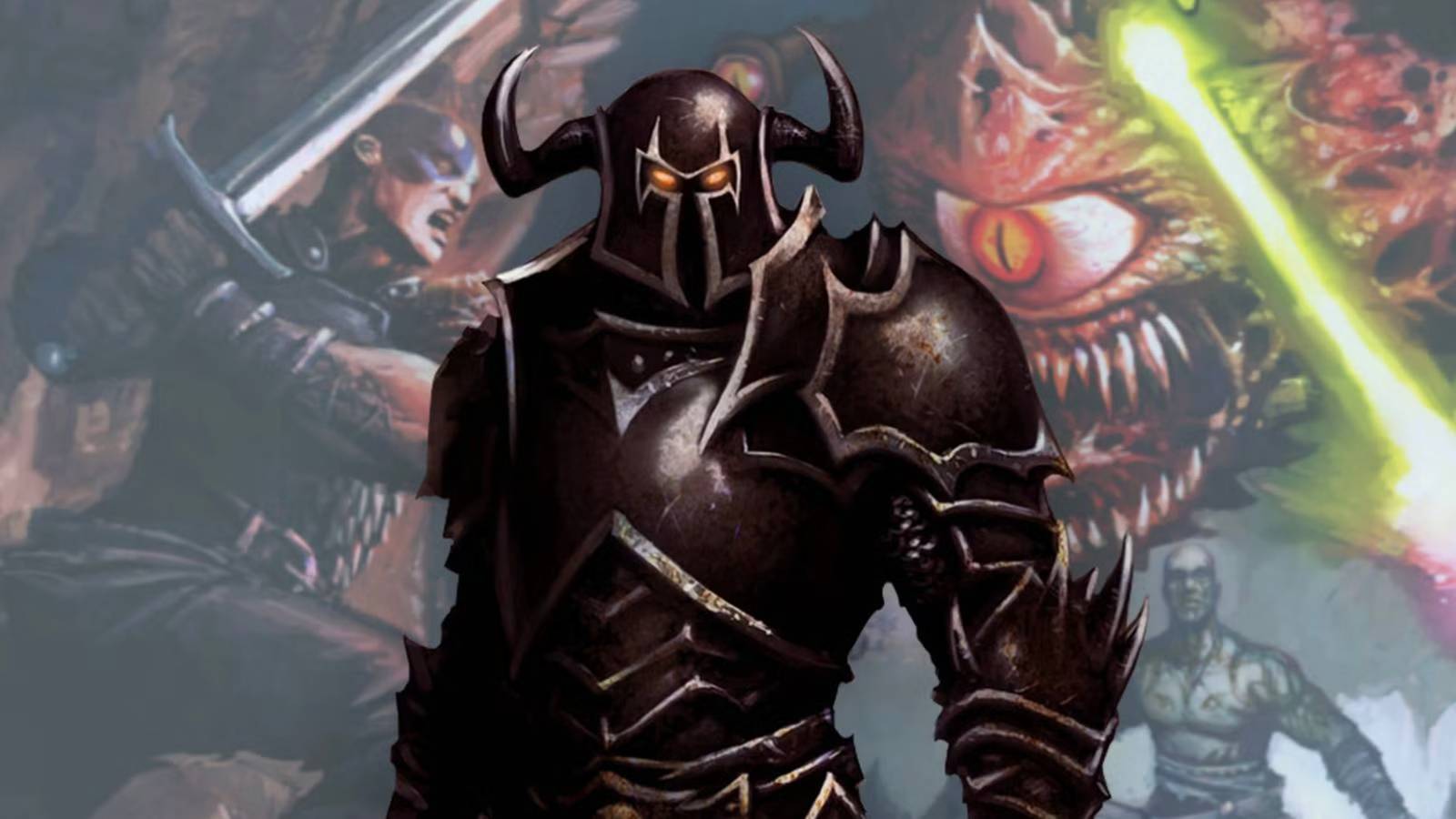
Released in the year 2000 by BioWare, Baldur’s Gate 2 established a creative blueprint that has yet to be decisively beaten, serving as the foundational DNA for some of the most legendary role-playing franchises of the past twenty-five years. While Baldur’s Gate 3 earns universal praise for its cinematic presentation and reactive storytelling, looking back at its predecessor reveals a masterclass in narrative depth, world-building, and character-driven design that shaped the modern gaming landscape.
BG2 is the best Baldur’s Gate game
Fully playable on modern Windows PCs, Baldur’s Gate 2: Shadows of Amn picks up directly from the events of the original Baldur’s Gate, though it functions seamlessly as a standalone adventure. Players step into the shoes of a Bhaalspawn, one of a multitude of mortal descendants fathered by Bhaal, the now-deceased god of murder. Across the Sword Coast, individuals carrying this divine spark are hunted for the celestial blood running through their veins.
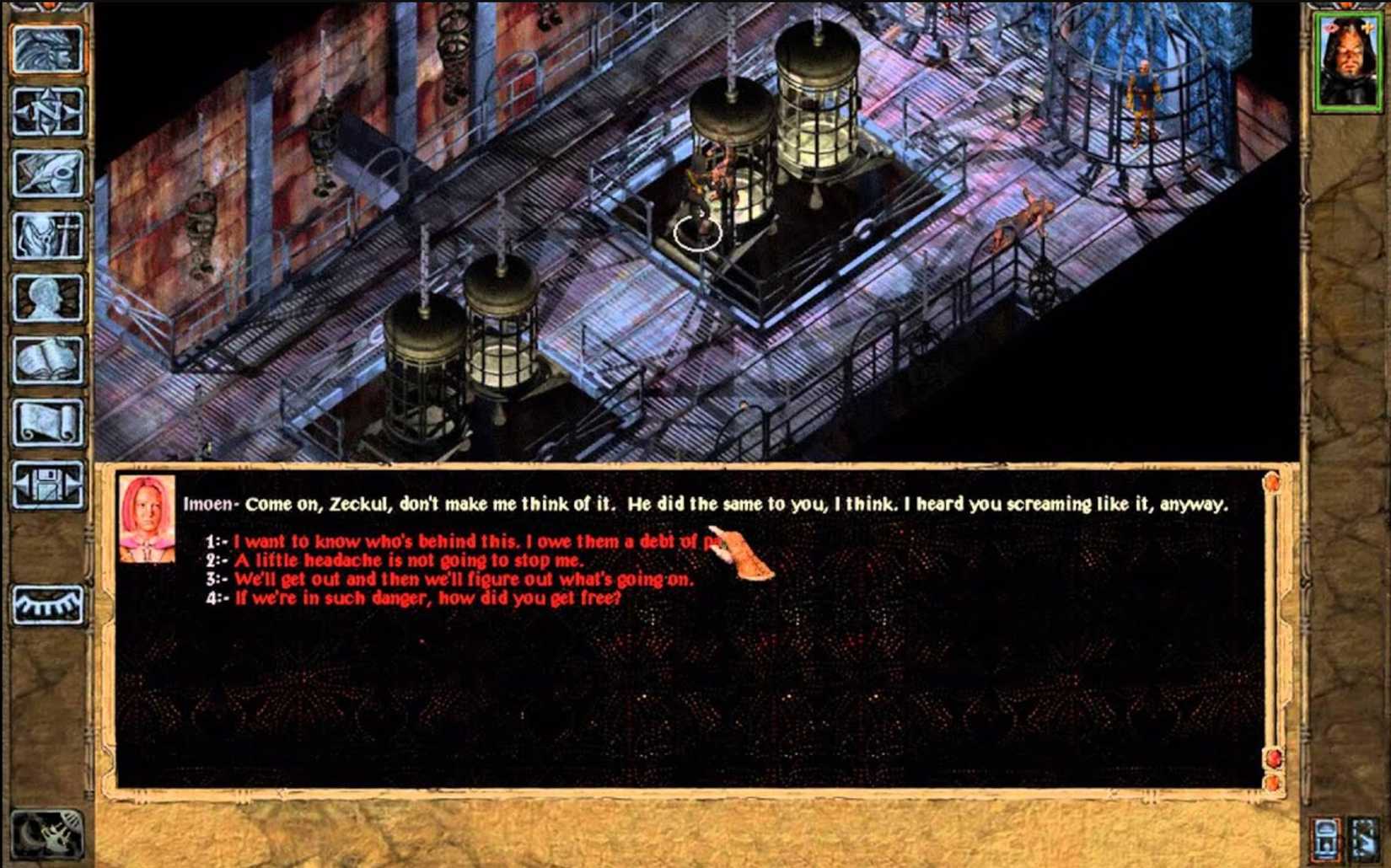
The game opens with a rude awakening: your character is trapped and chained inside a secure cell deep beneath the sprawling city of Athkatla. Nearby, your faithful companions are locked in separate cages while a mysterious, calculating wizard subjects them to cruel, incremental experiments. At the outset, players have no idea what their captor truly wants or how they will manage to survive.
That captor is Jon Irenicus, a skin-crawling, deeply malevolent villain whose cruelty sets a high bar for antagonists in the medium. Once a respected elven mage, Irenicus was exiled by his own people for conducting forbidden experiments on living beings—a dark hobby he has clearly not abandoned. Early in the campaign, players stumble upon a grove of dryads that Irenicus has completely drained of life simply to test his horrific methods, reducing proud tree spirits to withered, silent husks.
Overcoming Irenicus requires leaning on a roster of companions, each burdened by their own profound psychological trauma. Jaheira, a series regular from the first game, is grieving the devastating loss of her husband before the core campaign even truly begins. Aerie has spent her formative years trapped as a clipped-wing circus performer, struggling to heal both physically and emotionally. Anomen is an ambitious squire whose desperate need to prove his worth often results in catastrophic collateral damage, including potential tragedy for his own family. Viconia DeVir, a dark elf priestess, faces constant hostility after being exiled from the Underdark for the unpardonable crime of showing mercy to the vulnerable.

As players navigate these intricate relationships, the narrative dynamically responds to their decisions. Long before the term "open world" became a ubiquitous marketing buzzword, Athkatla presented a breathing, vibrant urban environment. Its docks, slums, and government districts were fully explorable from the moment the player arrived, packed with countless side activities that could be approached in any order.
Furthermore, Baldur’s Gate 2 introduced distinct class-based stronghold questlines. Fighters could take charge of a military keep, thieves could seize control of a criminal guild, and clerics were tasked with restoring a neglected temple. These were not mere cosmetic differences; they offered entirely separate narrative arcs gated strictly behind the identity of the character the player chose to build. This rigorous design fueled immense replayability. Some dedicated fans spent well over a decade diving back into the campaign with different classes to uncover every hidden angle of the world.
The enduring legacy of BioWare’s blueprint
The sheer scope of Baldur’s Gate 2 is vast. Over the course of a typical seventy-hour playthrough, players endure psychological torture, form uneasy alliances with fellow prisoners who prove just as dangerous as their captors, uncover the horrifying true scope of Irenicus’s ambitions, and grapple with their own monstrous divine heritage. As the terrifying Slayer form clawed its way out of the protagonist’s skin, players were forced to confront a definitive moral question: Would they prove strong enough to ascend Bhaal’s vacant throne when absolute godhood was finally offered, or would they perish as just another failed vessel?
The mechanics and storytelling philosophies pioneered in Baldur’s Gate 2 directly influenced BioWare’s subsequent legendary projects. Star Wars: Knights of the Old Republic utilized a similar alignment and late-game companion twist in 2003. Mass Effect in 2007 channeled the spirit of stronghold missions through its intricate loyalty quests, while Dragon Age: Origins in 2009 adopted a comparable approach to distinct origin stories and character-driven narratives.
Even modern triumphs like Baldur’s Gate 3 inherit the seeds planted by BioWare decades ago. The presence of reactive companions who judge your every move, coupled with an ultimate choice regarding whether to embrace or resist a terrifying physical transformation for the sake of power, echoes the structural pillars of the 2000 classic.
While contemporary gamers continue to find endless enjoyment and fresh playthrough ideas in Larian Studios’ modern epic, the foundational brilliance of Baldur’s Gate 2 remains untouched. For those seeking a deeper appreciation of the genre’s roots, revisiting the halls of Athkatla offers a stark reminder of why Jon Irenicus remains one of the most unforgettable villains in role-playing history.