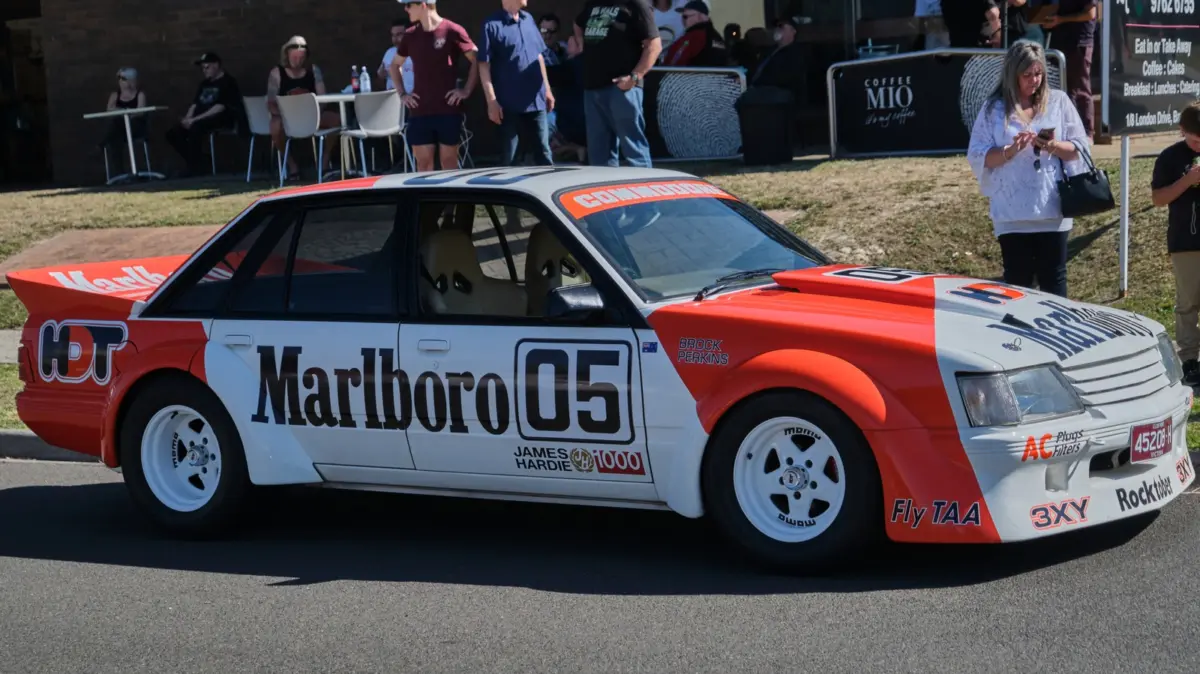
Racing is widely celebrated as one of the few sports that possesses a genuinely living history, allowing fans to witness vintage machines compete wheel-to-wheel just as they did decades ago. However, modern legislative changes and public health regulations are increasingly threatening this rolling heritage. Motorsport Australia recently updated its official regulations to comply with current federal public health laws, and these unexpected adjustments have inadvertently barred historic racing cars featuring period-accurate tobacco sponsorship liveries from active competition. The decision came to light following a sudden broadcasting boycott by Fox Sports Australia, which refused to air a historic touring car race to avoid falling foul of stringent anti-tobacco advertising statutes.
While Australia first began restricting tobacco advertising back in 1993, the nation’s legal framework underwent a sweeping modernization under the Public Health (Tobacco and Other Products) Act 2023. According to reports from automotive and motorsport news outlets, Motorsport Australia was largely unaware that the amended law would impact historic motorsport until late last year, even though the legislation formally took effect in 2024. The updated Act features a strict and comprehensive prohibition on the display, publication, or promotion of any regulated tobacco product on any vehicle’s livery. Previously, the legal landscape accommodated historic motorsport by providing specific carve-outs for vintage and classic cars that originally competed with tobacco sponsorships before December 24, 1992.
Australia has long maintained an intense passion for touring car racing, famously anchored by the decades-long rivalry between Ford and Holden, as well as the country’s marquee endurance event, the Bathurst 1000, which enjoys renown across the global motorsport community. Given this rich cultural backdrop, a vast number of vintage Ford Falcons, Holden Toranas, and other classic touring cars adorned with iconic period liveries such as Marlboro, John Player Special, Benson & Hedges, and Craven Mild are still actively raced and maintained today. Naturally, the passionate owners and preservationists who have poured immense time, money, and care into keeping these machines race-ready are deeply frustrated that the cars they worked so hard to preserve are suddenly being barred from competition.
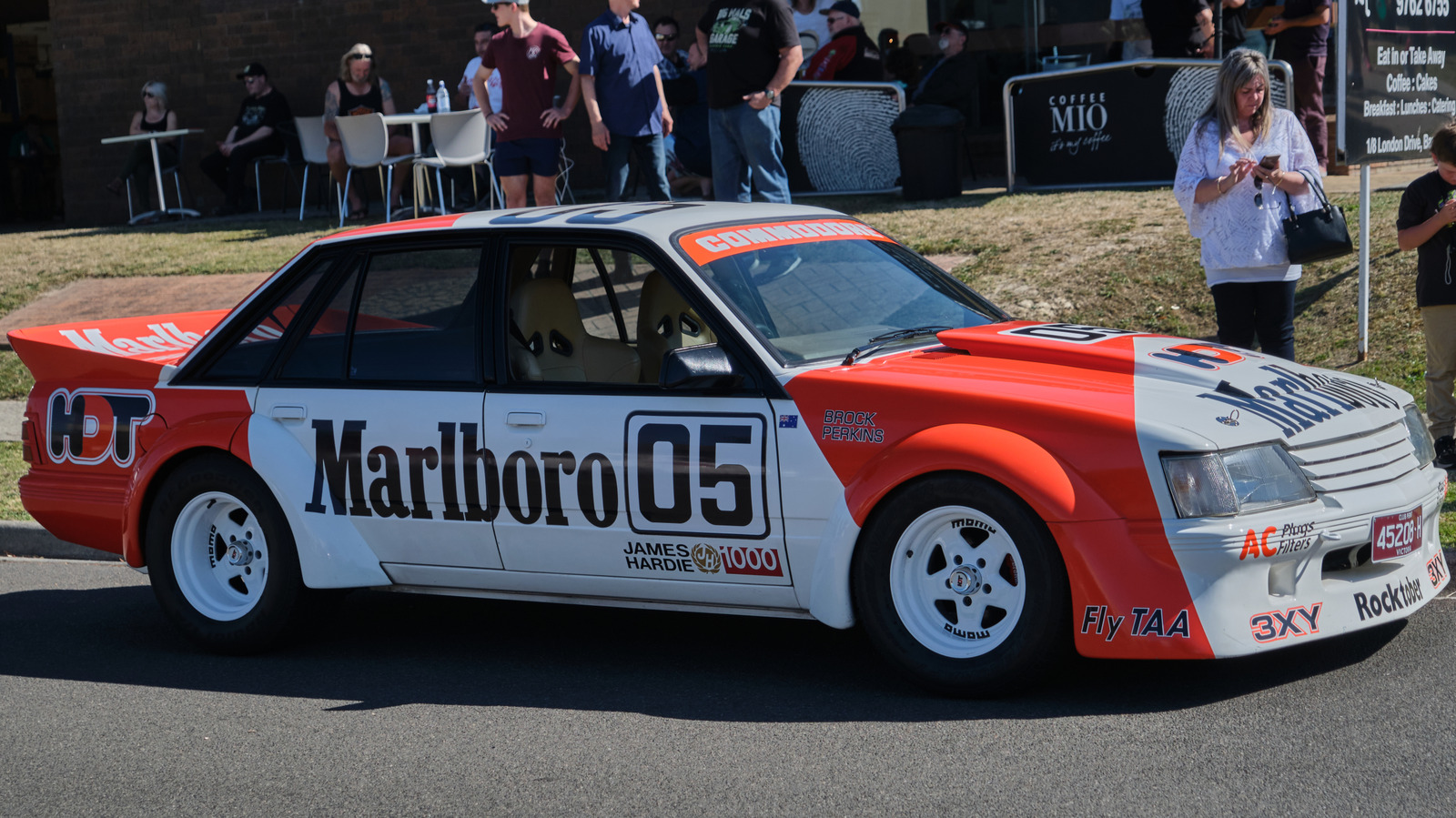
Fox Sports refusal made Motorsport Australia aware of amended law
The regulatory crisis boiled over when Motorsport Australia was forced to alter its competition rules following a decision by Fox Sports Australia to refuse airtime for a Touring Car Masters race at Sydney Motorsport Park. Instead of broadcasting the scheduled historic event, viewers were greeted with a replay of a recent Supercars race accompanied by an on-screen message explaining that the network was unable to broadcast the Touring Car Masters race due to legal reasons.
The Touring Car Masters category is designed specifically for touring cars that originally competed between 1963 and 1980—an era when television broadcasts were still captured in standard definition. In an official statement addressing the controversy, Touring Car Masters competition manager Dean Bryant detailed the precarious legal position facing broadcasters, series organizers, and vehicle owners alike.
Bryant emphasized that the primary television broadcaster was merely taking necessary precautions to shield itself from severe legal liabilities. He noted that Foxtel was simply protecting itself from potential lawsuits that could arise from airing race car footage that infringed upon Australian government anti-tobacco advertising legislation, making it clear that the broadcaster was not the enemy in the situation.
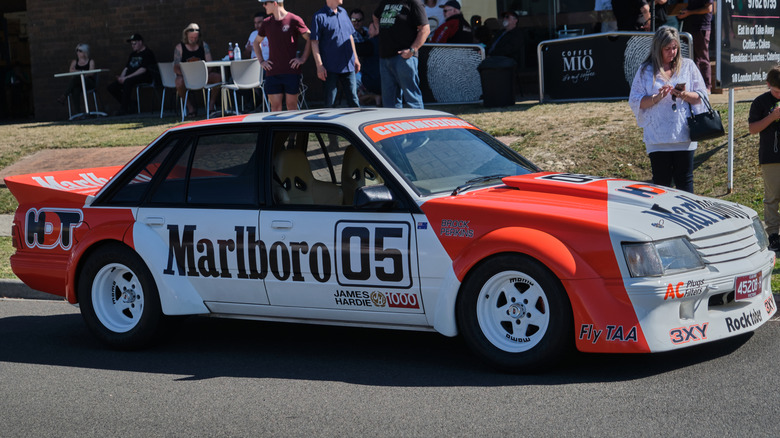
Furthermore, Bryant explained that the premier Supercars championship maintains strict commercial obligations to Foxtel and therefore cannot afford to become entangled if the Australian government or a trademark owner decides to take legal action over footage depicting cars in breach of the law. He reiterated that Supercars officials were likewise acting out of legal necessity rather than animosity toward historic racing.
Down the legal chain, Motorsport Australia found itself in an equally difficult position. Bryant described the sanctioning body as the second-to-last link in a massive legal chain, compelled to act to protect everyone involved from the very real threat of enforcement actions or penalties brought by trademark holders or government regulatory authorities. Ultimately, the absolute end of this extensive legal liability falls squarely upon the individual car owners, who face the immediate prospect of regulatory penalties if their meticulously restored machines turn a wheel in public with their historical liveries intact.
The unfolding situation highlights a growing tension between vital public health initiatives and the preservation of motorsport heritage. Tobacco advertising is rightly and comprehensively banned in modern society due to the well-documented and severe public health harms associated with smoking and tobacco use. However, critics of the strict enforcement argue that motorsport organizers and preservationists should not be forced by legislators to censor the sport’s historical record.
These historic racing cars are not utilized as part of modern marketing campaigns or contemporary advertising initiatives designed to influence consumer habits. In fact, many of the brands emblazoned on their bodywork, such as Craven Mild, have been defunct for decades. Instead, these machines function as dynamic artifacts operating within the unique confines of what amounts to a living museum. As owners, officials, and legal experts grapple with the fallout of the updated legislation, the future of period-correct historic racing liveries in Australia remains uncertain, leaving a cherished era of motorsport facing an unprecedented roadblock.