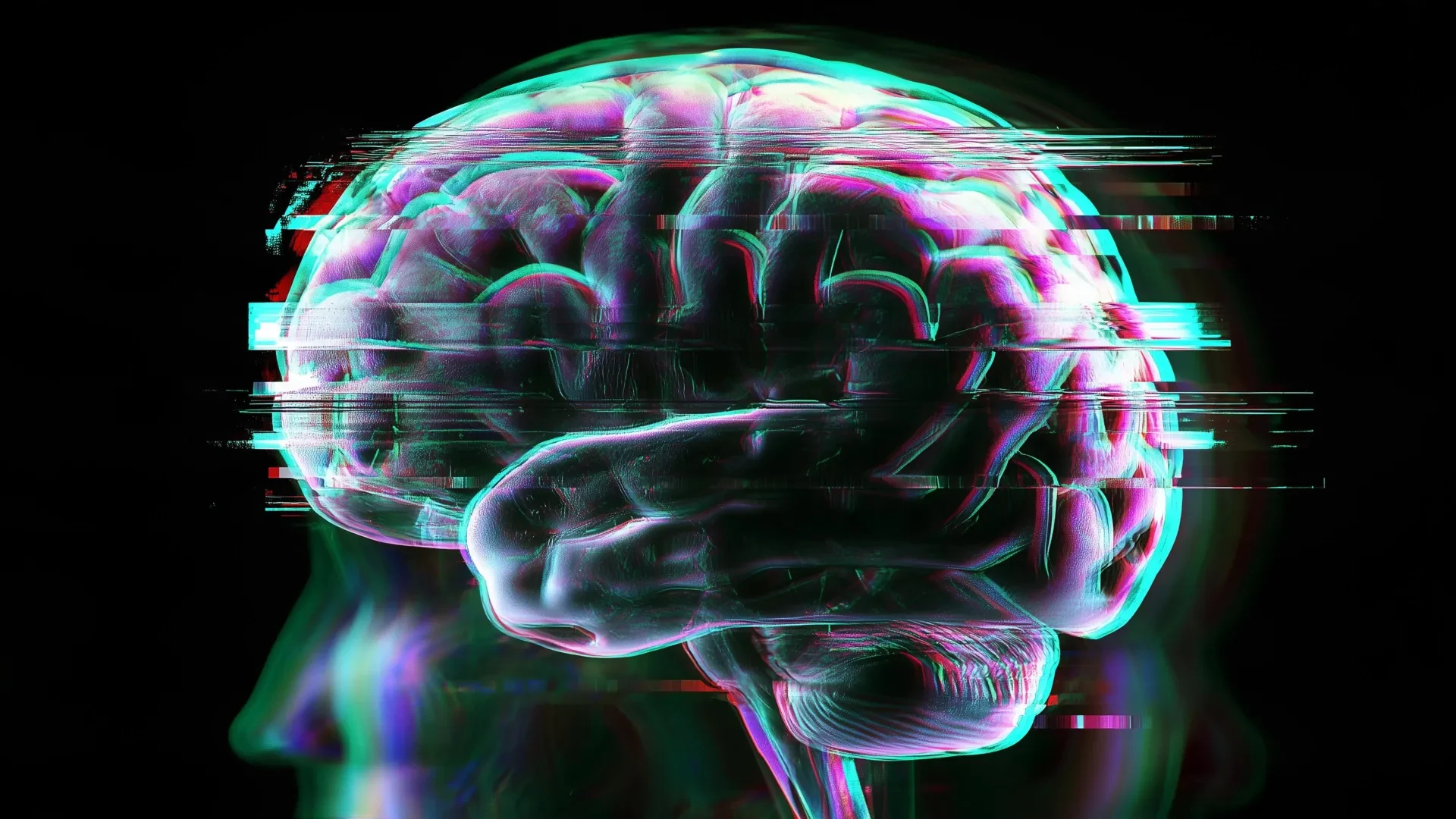
A groundbreaking brain imaging study led by researchers at the Centre for Addiction and Mental Health (CAMH) has provided what scientists describe as the most compelling evidence to date that long COVID is fundamentally linked to physical damage within the brain’s dopamine-releasing neurons. The study, published in the peer-reviewed journal eBioMedicine, offers a potential biological explanation for the debilitating, persistent symptoms that have long confounded medical professionals and patients alike. By identifying a tangible physiological mechanism for conditions such as severe fatigue-related loss of motivation, slowed motor function, and cognitive impairment, these findings open a promising new frontier for diagnostic and therapeutic interventions.
A Growing Global Health Crisis
Long COVID is a complex, multi-system condition currently estimated to affect approximately five percent of the global population. In Canada alone, it is believed that roughly two million people are struggling with the lingering effects of the virus. The condition is clinically defined by a wide array of symptoms that persist for at least three months following an initial SARS-CoV-2 infection. Patients frequently report a debilitating constellation of neurological issues, including "brain fog," profound fatigue, memory lapses, and persistent low mood.
Despite the sheer scale of the crisis and the life-altering nature of the symptoms, the medical community has struggled to provide effective, evidence-based treatments. This gap in care is largely due to the fact that, until now, the underlying biological mechanisms occurring within the brain remained poorly understood. Without a clear map of the pathology, clinical efforts to mitigate these symptoms have been largely experimental and inconsistent.
Brain Scans Reveal Changes in the Dopamine System
To probe the mysteries of the post-viral brain, researchers at CAMH utilized positron emission tomography (PET), a sophisticated imaging technique capable of measuring biological activity and chemical markers deep within the brain’s structures. The research team focused on a well-established biological marker that serves as an indicator of the health, density, and integrity of dopamine neurons. By comparing PET scan results from patients suffering from long COVID with those from a control group of healthy participants, the researchers were able to pinpoint distinct differences in brain chemistry.
The data revealed significantly lower levels of the dopamine marker in long COVID patients across all major areas of the striatum. The striatum is a critical cluster of brain regions responsible for the orchestration of movement, the regulation of motivation, and the processing of complex cognitive tasks. The reduced levels of the marker identified in the scans suggest a measurable decrease in the density of dopamine nerve terminals.
Crucially, the study identified specific patterns of this marker loss that directly correlated with the diverse symptoms reported by patients. For instance, lower levels of the marker in the ventral striatum were linked to a greater loss of motivation, a condition often described by patients as a profound inability to initiate tasks. Reductions in the dorsal putamen were associated with slower physical movement, while lower levels in the caudate putamen were found to be connected to the memory and cognitive difficulties that many long COVID survivors describe as "brain fog."
"Our findings provide compelling evidence that long COVID involves the loss of dopamine-releasing neurons," says Dr. Jeffrey Meyer, Senior Scientist at the Brain Health Imaging Centre, Canada Research Chair, and senior author of the study. "This kind of injury is well known to produce symptoms like lack of motivation and motor slowing, and may contribute to memory difficulties in other neurological conditions. Our results suggest a similar process is occurring in long COVID."
Earlier Research Pointed to Brain Inflammation
This new discovery does not exist in a vacuum; rather, it builds upon a growing body of work from the same research team at CAMH. Previous investigations conducted by the group had already identified that individuals suffering from long COVID exhibit unusually high levels of inflammation within the brain. Notably, that inflammation appeared to be most pronounced in brain regions known to harbor high concentrations of dopamine-releasing neurons.
The current study bridges the gap between those earlier observations and the reality of neuronal damage. "We know that inflammation can injure dopamine neurons," Dr. Meyer explains. "While our earlier research showed high levels of inflammation in those regions, this study provides direct evidence that the dopamine neuron marker is reduced in the same regions—and that this loss correlates with patients’ symptoms."
When the findings are viewed in tandem, the two studies suggest a causal chain: persistent, post-viral brain inflammation may be creating an environment that actively damages the dopamine system, leading to the chronic neurological symptoms that define the long COVID experience.
A New Direction for Long COVID Treatment
The implications of this research are significant, potentially altering the scientific trajectory regarding how clinicians approach the biology of long COVID. Historically, much of the academic and medical focus has been centered on systemic inflammation and general immune system dysregulation. While these areas are undoubtedly important, the focus on dopamine-releasing neurons has been minimal. Very few clinical trials to date have investigated the possibility of targeting the dopamine system directly.
"These results indicate that long COVID is, at least in part, a disorder of the brain’s dopamine system," Dr. Meyer notes. "This suggests that repurposing medications that augment the function of dopamine-releasing neurons, including dopamine precursors and inhibitors of dopamine metabolism, could be a promising approach."
For those living with the daily reality of long COVID, the study offers more than just a potential path to a cure; it provides a long-awaited biological validation of their experiences. Because long COVID symptoms can be elusive and difficult to measure via standard diagnostic tools, many patients have faced skepticism from both society and the medical establishment.
Susan Deuville, a lived experience research advisor to Dr. Meyer, has been at the forefront of this journey. "For five years I have been seeking answers on what happened to me after I contracted COVID in 2021," she says. "It was a crushing loss of the life I had and the person I was before. The research of Dr. Meyer brings hope. It also validates what long COVID sufferers have always known—long COVID is real and the effects are devastating."
Clinical Trial Planned to Target Dopamine Function
Armed with these findings, the research team is not waiting to put their theories to the test. They are currently preparing to launch a clinical trial in the coming months specifically designed to target dopamine function in patients with long COVID. The primary objective of this trial will be to determine whether pharmacological interventions intended to modify or restore dopamine activity can result in tangible improvements in memory, motivation, and fatigue levels.
The upcoming trial is a collaborative effort between CAMH and the University Health Network (UHN), representing a strategic partnership between the hospitals designed to bridge the often-fragmented gap between mental and physical health care. The research is supported by the Canadian Institutes of Health Research (CIHR), underscoring the national importance of addressing the neurological consequences of the pandemic. As the medical community turns its attention toward these dopamine-centric pathways, there is a renewed sense of optimism that effective treatments for long COVID may finally be within reach.