The promise of automated license plate readers, such as those manufactured by Flock Safety and Axon, is often sold to the public as a high-tech shield against crime. Proponents argue that round-the-clock government surveillance is a necessary trade-off for public safety, offering law enforcement the tools to track dangerous individuals swiftly. However, the operational reality of these automated systems frequently proves far more complex and hazardous.
Across the country, these surveillance networks face persistent criticism over misuse by law enforcement officers and systemic algorithmic errors. When these technologies misfire, the consequences for ordinary citizens can be devastating, resulting in wrongful arrests and severe legal jeopardy. Despite repeated warnings from civil liberties advocates and promises of reform from authorities, these systemic failures continue to ensnare innocent people.
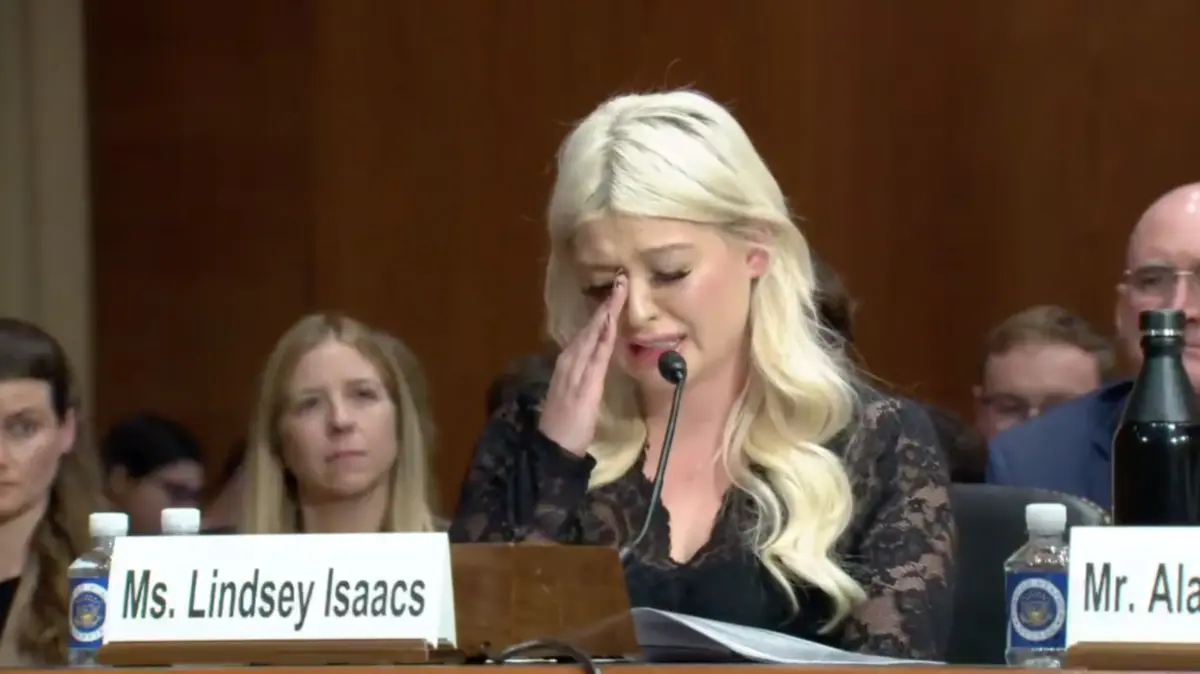
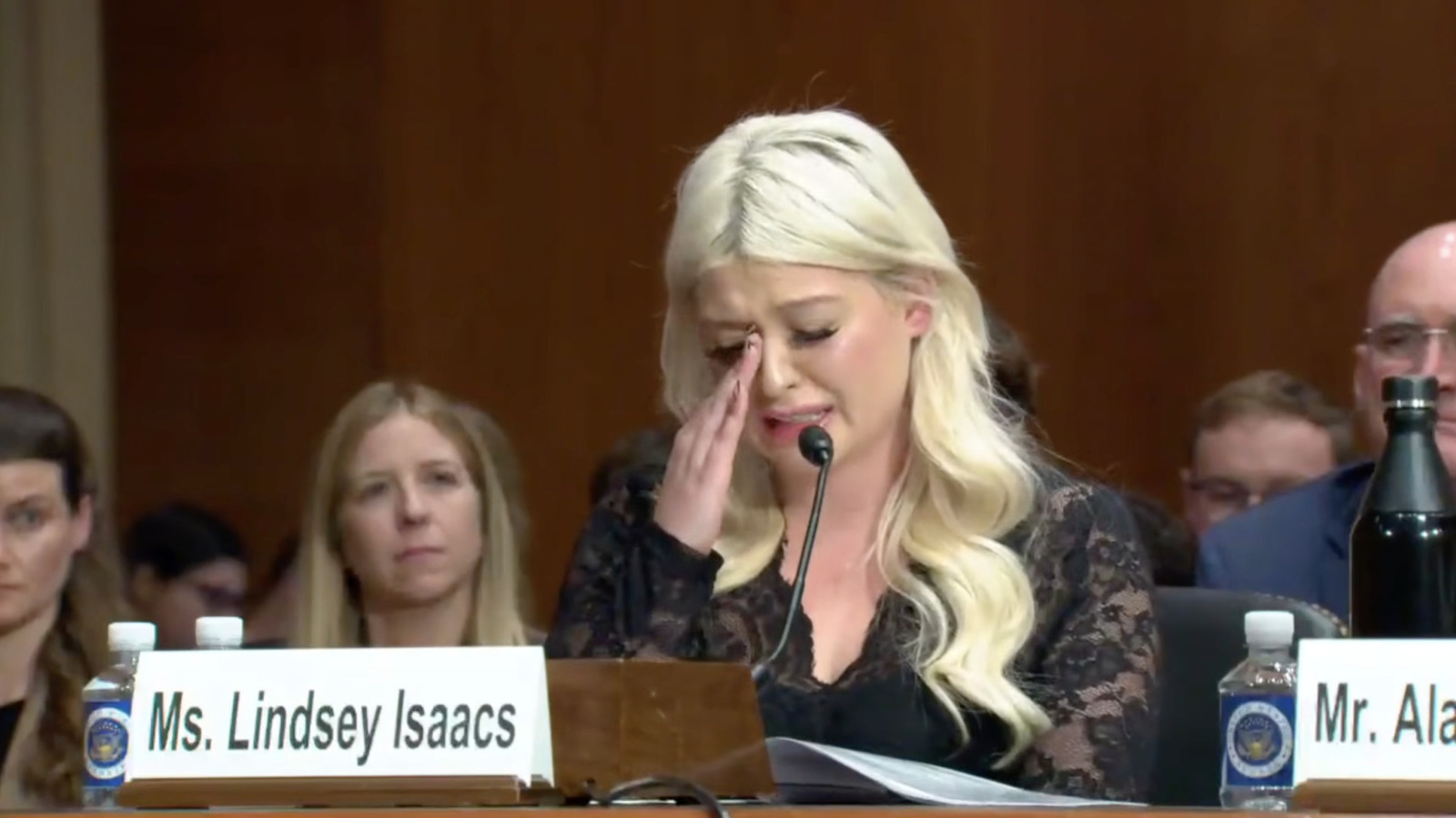
A stark illustration of this technological and procedural breakdown recently unfolded before the Senate Judiciary Subcommittee on Crime and Counterterrorism. There, 23-year-old Lindsey Isaacs delivered harrowing testimony detailing how a cascade of automated surveillance errors and deficient police work led to her wrongful arrest on eight felony charges, culminating in nearly four days of isolation in solitary confinement.
The sequence of events began on October 4, 2025, following a tragic multi-vehicle crash on Interstate 4 in Volusia County, Florida, which resulted in the deaths of three people. According to reports from local news outlets including WFTV and CBS12, investigators immediately launched a search for a Dodge Durango believed to be connected to the fatal collision.
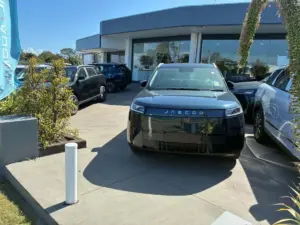
During their preliminary canvas, authorities discovered a record from a Flock Safety automated license-plate recognition (ALPR) camera that had captured Isaacs’ black Dodge Durango traveling roughly two to three miles away from the crash scene. That single digital footprint quickly became the cornerstone of the criminal investigation, ultimately serving as the primary justification for her arrest.
However, security and legal experts have repeatedly emphasized the fundamental limitations of ALPR technology. These systems are designed strictly to capture vehicle characteristics, license plate numbers, and location data to generate investigative leads. They do not identify who was operating the vehicle at a given moment, nor do they establish probable cause that a specific vehicle caused a crime or an accident. Flock Safety has publicly reiterated this distinction, noting that its camera networks provide leads rather than definitive determinations of identity or guilt.
Ignore all other evidence
Despite the limitations inherent in ALPR technology, investigators reportedly focused on Isaacs’ vehicle, concluding that her Durango must have been involved in the fatal incident. This rush to judgment overlooked critical discrepancies that standard, methodical police work should have quickly uncovered.
According to witness accounts gathered during the preliminary investigation, the vehicle sought by authorities was of a different color than Isaacs’ SUV. Furthermore, a physical inspection of Isaacs’ vehicle revealed no structural damage consistent with a high-impact highway collision or a hit-and-run accident. Despite the absence of physical evidence and conflicting eyewitness descriptions, the investigation proceeded rapidly toward her arrest on multiple felony charges, including vehicular homicide.
Appearing before the Senate committee, Isaacs described the immediate aftermath of her arrest, recounting how she was placed in solitary confinement for approximately 86 hours. Jail officials reportedly justified the extreme isolation by citing the severity of the charges against her and the need for a pending administrative or psychological evaluation.
The ordeal did not end with her release from solitary confinement. Following the three-and-a-half-day isolation period, Isaacs was transferred to a mental-health unit for roughly 24 hours before being moved to maximum-security housing. According to her testimony and subsequent reporting by The Center Square, she remained in maximum-security conditions for the remainder of her 13-day detention.
During her testimony, Isaacs reflected on the psychological toll of the detention, describing moments of profound despair while behind bars. That detail, drawn directly from her statements to the Senate subcommittee, underscored the severe emotional trauma inflicted by the wrongful imprisonment.
Ultimately, prosecutors moved to drop all charges against Isaacs after further investigation pointed toward another individual. Subsequent law enforcement findings identified a different motorist, Alisa Montalvo, as the driver allegedly connected to the fatal crash, according to reporting by Fox 35.
In the wake of her exoneration, Isaacs has pursued legal recourse, filing a civil lawsuit against the Florida Highway Patrol and specific troopers involved in the case. The allegations contained in the lawsuit remain pending and have not yet been resolved or adjudicated by a court of law.