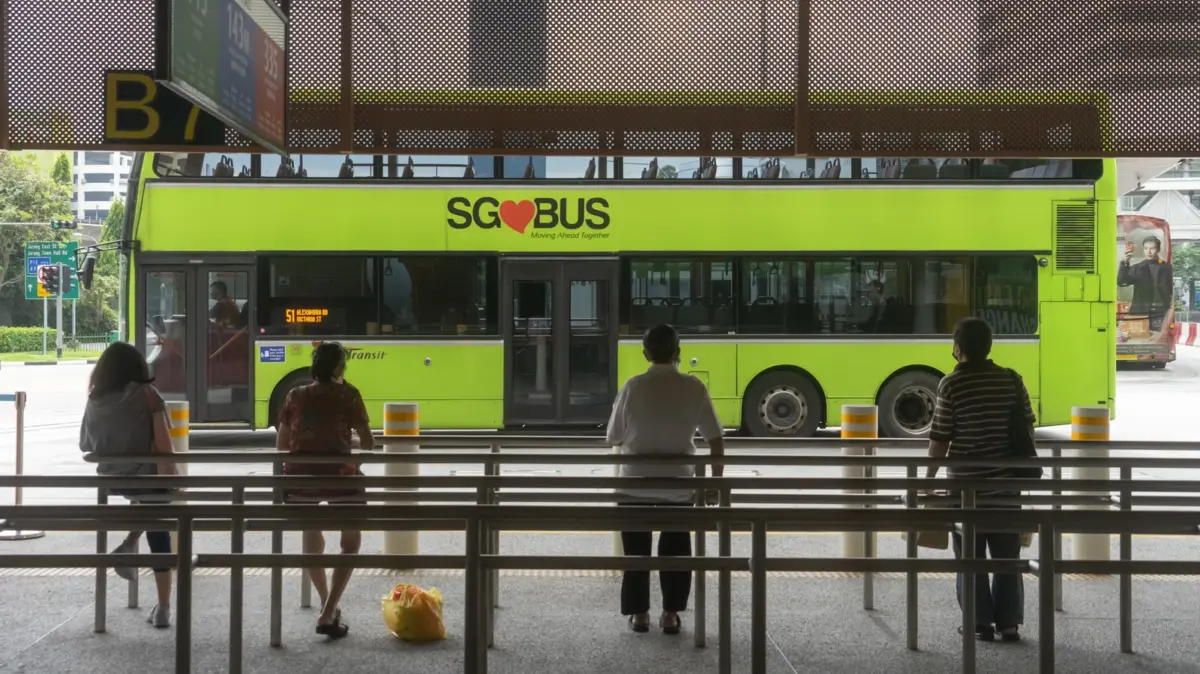
As global energy costs and fuel prices reach unprecedented heights, commuters across the United States and around the world have increasingly turned to public transportation as a reliable and cost-effective alternative. Leaving the car at home and opting for buses, subways, and commuter trains has become a practical way to save a few extra dollars each month. Unfortunately, stepping onto shared transit also means interacting directly with the general public—inviting a wide range of unpredictable experiences, from minor annoyances to the kind of bizarre transit horror stories that riders swap for years. While mass transit systems everywhere struggle with how to manage disruptive behavior, Singapore is taking a decisive stand, reinforcing and expanding existing laws to crack down on discourteous riders with hefty new fines, according to reports by CNN.
The journey toward stricter enforcement in Singapore has been unfolding over the past few years. Informational signs offering gentle guidance to public transit riders regarding appropriate social etiquette began appearing on buses across the city-state in December 2024. These notices advised passengers to keep their voices and music down to reasonable levels, utilize only a single seat, and refrain from sitting on the floor, as reported by The Independent. While these initial guidelines served as educational reminders, the city-state’s parliament took a much firmer legislative step by passing an amendment giving public authorities the legal backing to directly address and penalize problematic behavior.
Previously, bus drivers had limited options, typically restricted to asking disruptive individuals to step off the vehicle or calling in law enforcement officers for serious incidents. Under the updated regulatory framework, authorized staff members representing the various public transit operators now possess the authority to issue formal administrative notifications to passengers suspected of committing an infraction. Following these notifications, the Land Transport Authority retains the power to launch formal investigations into the disruptive actions, paving the way for financial penalties.
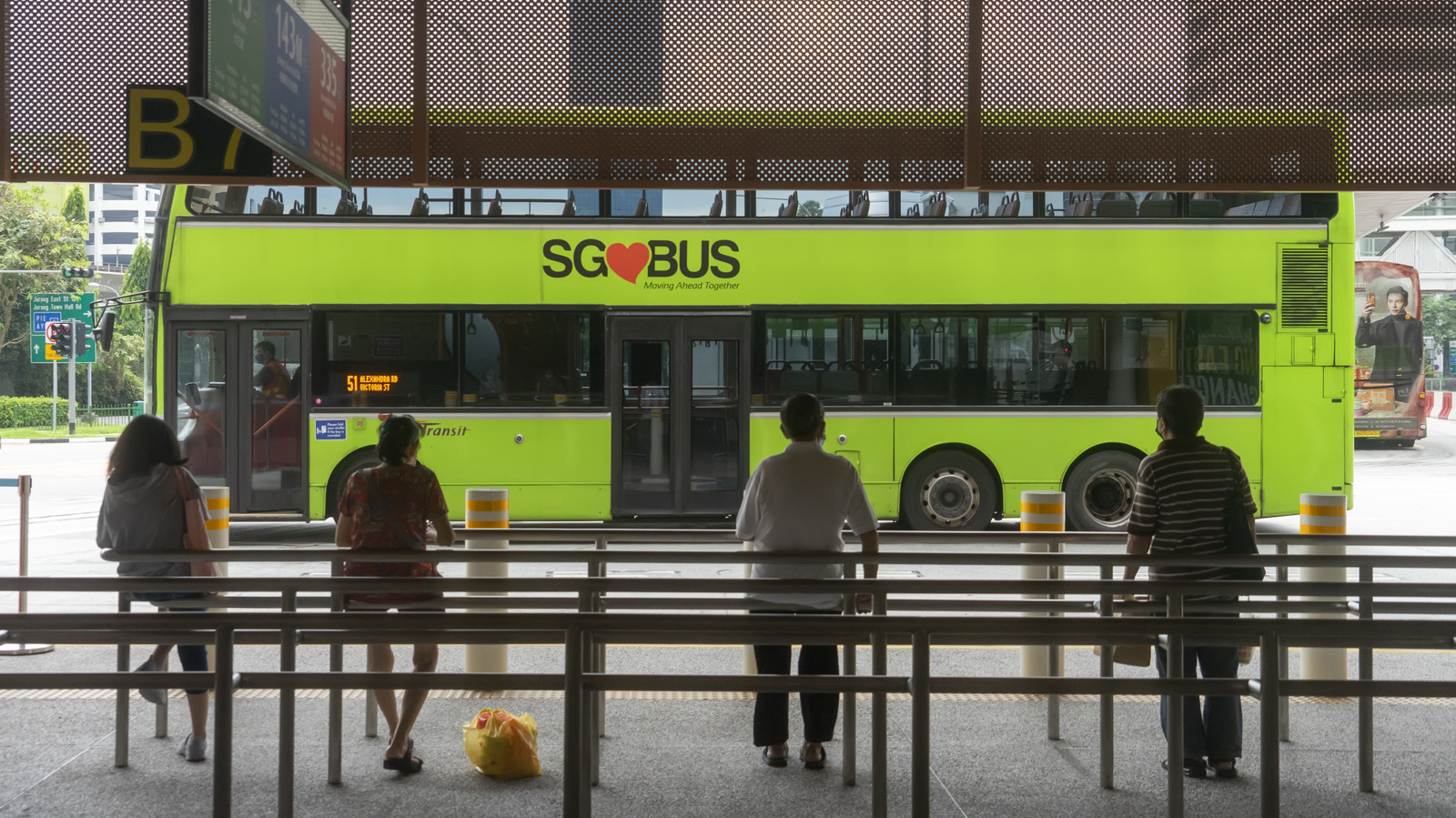
These newly established administrative notifications can result in substantial fines for behavior that compromises the comfort or cleanliness of shared public spaces. Actions such as placing feet on seats—regardless of whether footwear is pristine or muddy—playing phone calls, music, or social media videos on loudspeaker at high volumes, littering, or consuming food and beverages can now cost offending riders approximately 500 Singapore Dollars, equivalent to roughly $390 USD. More severe infractions, such as intentionally soiling the property of transit operators or engaging in behavior that poses a direct safety hazard to fellow commuters, carry significantly steeper penalties of up to 5,000 Singapore Dollars, or about $3,900 USD. These rigorous fee structures and blanket behavior rules successfully align bus networks with the strict behavioral standards long enforced across Singapore’s modern subway system.
Imagine a future without loud obnoxious phone calls and music everywhere you go
Public transportation networks across various Asian metropolitan areas have long held international reputations for exceptional cleanliness, efficiency, and order. In many of these cities, strict prohibitions against eating, drinking, and playing un-headphoned audio are standard practice, creating shared spaces where passengers naturally maintain a quiet atmosphere and respect the peace of their fellow travelers. Unsurprisingly, these systems also tend to feature remarkably clean stations and vehicles, lacking the sticky floors and neglected messes found elsewhere.
While this culture of mutual respect has not universally taken root across every global transit network, a growing number of major metropolitan areas are actively attempting to shift commuter culture through new rules and targeted enforcement. Cities such as Beijing, Kraków, and Toronto have all implemented formal bans prohibiting passengers from playing audio out loud without headphones while riding public transit. Similarly, European transportation hubs are stepping up enforcement against disruptive audio habits. In France, a passenger was recently issued a $200 fine at Nantes Station after initiating a loud conversation on speakerphone and stubbornly refusing to disconnect when requested by railway staff.
Other major global cities have experimented with public awareness campaigns paired with severe financial penalties to curb the phenomenon of noisy commuting. Last year, transit authorities in London launched a high-profile etiquette campaign aimed at encouraging Tube passengers to wear headphones. According to coverage by The New York Times, British commuters who engaged in what local media dubbed "sodcasting"—playing loud media through phone speakers—or who refused to comply with requests to silence their devices faced potential fines of up to £1,000, roughly $1,350 USD, alongside being ordered to leave the train.
As these policies roll out worldwide, the long-term effectiveness of heavy fines in permanently curbing annoying and unsanitary public transit behaviors remains to be fully measured. Yet, the prospect of a quieter, more orderly commute sparks intriguing possibilities for transit systems globally. Implementing similar frameworks across the limited public transit infrastructure found in the United States could theoretically generate a modest revenue stream while dramatically improving the daily commuter experience.
Expanding such regulations beyond subways and buses to encompass planes, trains, and taxi services would fundamentally alter the shared travel experience. While government agencies frequently pursue massive funding initiatives for technological projects and infrastructure updates, enforcing basic standards of public courtesy offers a remarkably straightforward method of accountability. For the everyday commuter, the widespread adoption of these rules would ultimately translate to a much more peaceful journey, free from the discomfort of stray feet resting near head level and shielded from the deeply personal details of strangers’ private lives broadcasted at maximum volume across crowded cars.