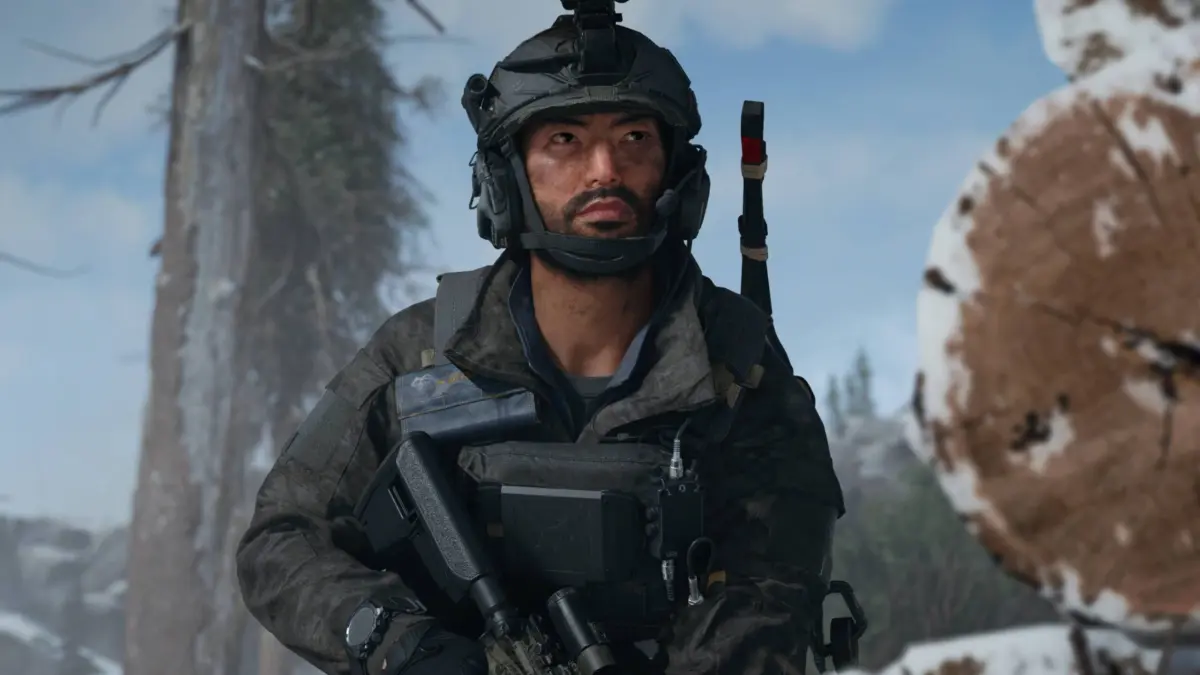
Infinity Ward has long held the reputation as the foundational studio behind the single-layer pillars of the Call of Duty franchise. While foundational titles like the original Call of Duty 4: Modern Warfare and Modern Warfare 2 remain celebrated milestones in the series’ history, and the 2019 franchise reboot provided a compelling modern resurgence, the studio’s latest entry solidifies its place among the greatest single-player experiences the franchise has ever produced. Despite a relatively brief runtime, Call of Duty: Modern Warfare 4 delivers a cinematic and gripping campaign that easily ranks near the top of the entire series.
Dual Narratives and High-Stakes Realism
The narrative structure of Modern Warfare 4 unfolds across two distinct storylines operating simultaneously, offering contrasting perspectives on a rapidly escalating global crisis. The first perspective follows Sierra-1, a combined unit consisting of South Korean and United States military personnel, as they fight desperately against a devastating invasion by North Korea. Over the course of several intensive missions, players battle through the war-torn streets of the fictional Hajin City, navigate a frozen, snow-covered wasteland in North Korea, and fight through heavily fortified trench systems to prevent a nuclear reactor from suffering a catastrophic meltdown.
Interwoven with the Sierra-1 campaign is a more traditional, covert narrative thread centered on the legendary Captain John Price. Following the events of Modern Warfare 3, which concluded with the assassination of the traitorous General Shepherd, Price finds himself hunted and on the run. His relentless pursuit of the Russian defense minister—known only as the Archer, portrayed by Mads Mikkelsen—takes Price and his unlikely allies, including members of a cartel, across the globe to New York, Paris, Mumbai, and eventually into North Korea.
This narrative approach grounds Modern Warfare 4 in a chilling sense of contemporary realism, drawing clear inspiration from real-world geopolitical headlines. The scenario of a North Korean invasion bolstered by Russian support feels plausibly threatening within the game’s universe. This realism resonates most strongly through the eyes of the Sierra-1 squad, where soldiers are primarily fighting for basic survival and experiencing the war at ground level. Protagonist Park Hyun-Jun and his fellow unit members endure a gritty, visceral reality that contrasts sharply with the high-level espionage and political maneuvering navigated by Price and Ghost.
MW4 is One of the Good Types of COD Campaigns
Historically, Call of Duty single-player campaigns generally fall into two distinct camps: those that leave a lasting, unforgettable impression long after the final credits roll, and those that fade quickly from memory. Last year’s installment, Black Ops 7, leaned heavily into the latter category, criticized for its confusing hallucinatory sequences and exaggerated boss fights that strayed far from the grounded identity of the franchise.
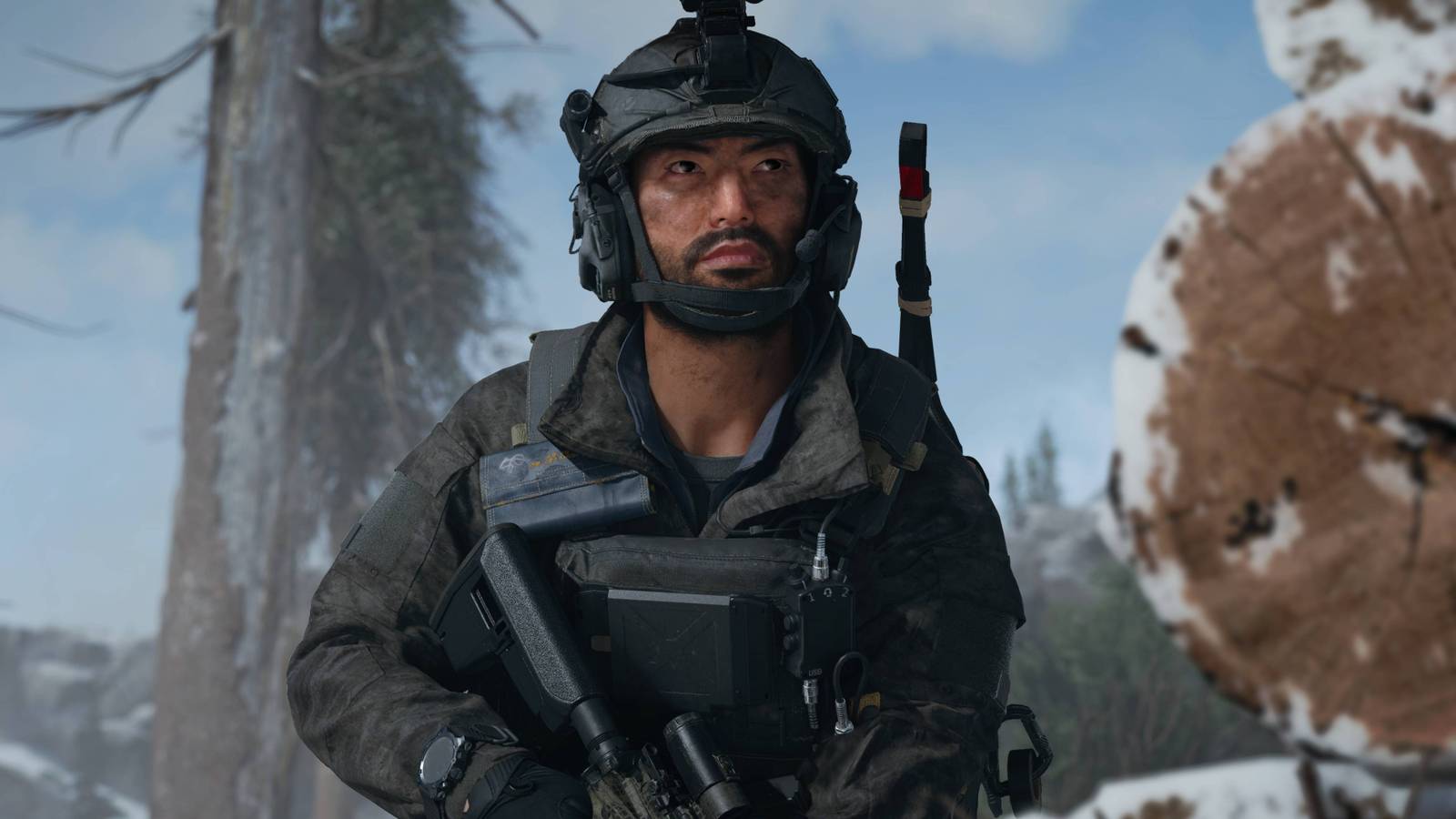
Modern Warfare 4, by contrast, firmly anchors itself in the former group. From the opening mission—which plunges players into darkness after an EMP strike cripples Hajin City and tasks them with taking down descending paratroopers from inside a sports stadium—the campaign maintains an unrelenting momentum. Almost every mission features standout peaks designed to deliver unforgettable cinematic set-pieces.
The game leans confidently into its cinematic influences with striking effectiveness. In one standout sequence, Captain Price channels the energy of an action thriller while hunting down Vladimir Makarov, the enduring antagonist of the Modern Warfare arc, inside a bustling New York nightclub. Meanwhile, Sierra-1’s desperate push to retake Hajin City evokes the gritty, suppressive atmosphere of historic amphibious assaults, with allied troops disembarking naval landing craft under heavy enemy fire.
Infinity Ward has also significantly refined hand-to-hand combat and stealth mechanics. Several missions place players in deeply vulnerable positions, heavily outnumbered and outgunned. These scenarios offer a choice between utilizing stealth to bypass heavily armed patrols or executing silent takedowns from the shadows. The resulting tension evokes survival-horror atmospheres, drawing thematic comparisons to psychological horror titles during quiet, nerve-wracking explorations of prison corridors and underground facilities.
MW4 Dabbles in Open-World Frameworks
The campaign briefly shifts its design philosophy during the "Stranded" mission, transitioning from a tightly curated, linear rollercoaster into an open-world sandbox reminiscent of modern open-world shooters. This segment introduces enemy outposts to clear, supply crates scattered across the environment, vehicles to hijack, and regular enemy patrols to evade. Players are given a central base to which they must return collected supplies in order to craft specialized weapons and equipment.
This experimental structure builds upon a trajectory that began with Modern Warfare 3‘s open combat missions, which saw incremental improvements in Black Ops 6‘s "Hunting Season" before previous iterations faced criticism. In isolation, the "Stranded" mission offers a competent diversion filled with secrets, multiple tactical approaches, and three primary objectives. However, because the rest of the campaign maintains a relentless, high-octane pace from one major set-piece to the next, the sudden introduction of a slower, exploratory sandbox can disrupt the narrative flow.

Players do have the option to bypass the open-world exploration entirely by fast-traveling directly to the primary objectives. Yet doing so carries a heavy gameplay penalty, as skipping resource collection leaves players with severely restricted loadouts for the mandatory tasks ahead. Without thorough exploration, players might find themselves lacking essential tools like night vision goggles for dark underground bunkers or suppressed weaponry for stealth-oriented mountain ascents. Furthermore, skipping these sandbox segments significantly shortens an already brisk campaign runtime.
The ambitious scope of the game is occasionally hindered by technical bugs and general polish issues. During testing, certain scripted sequences led to erratic squadmate behavior—such as allied soldiers tracking a player-deployed recon drone as if it were the player character rather than maintaining tactical cover. Other minor technical hiccups included projectile detection inconsistencies during animations, erratic flight paths for deployable bomb drones, and collision errors involving rooftop geometries that allowed players to fall through seemingly solid surfaces. In one instance, a save-and-quit action rendered interactive elements unresponsive upon reloading, necessitating a complete mission restart.
Despite these technical blemishes and a relatively brief runtime that hovers around eight hours, Modern Warfare 4 establishes itself as an exceptional addition to the franchise, easily securing a position among the finest campaigns in Call of Duty history. While the Sierra-1 narrative arc reaches a definitive conclusion, Captain Price’s story leaves critical plot threads dangling for future installments, likely Modern Warfare 5. Although the two concurrent storylines never fully intersect—primarily due to Price’s missions occurring as prior flashbacks—the overall package delivers a memorable, high-impact narrative experience that leaves a lasting mark on the series.