As the weekend arrives, film enthusiasts are met with a bustling landscape of major theatrical openings and fresh streaming options. Theatrical options are currently dominated by high-profile releases, led by Tom Cruise’s latest cinematic outing, Digger. While the film has generated a divisive critical response, Cruise’s presence ensures it remains a focal point of awards season conversations, though its early box office performance could ultimately dictate its trajectory. For audiences seeking a different flavor of cinema, Verity offers a modern throwback to the classic erotic thrillers of decades past. The narrative centers on a tumultuous affair between a struggling writer and a charismatic father, complicated further by the presence of his paralyzed wife.

For those preferring to stay home, a robust slate of new movies has simultaneously arrived across streaming platforms and video-on-demand services. From surreal indie horror projects and long-awaited animation milestones to gritty historical dramas and high-altitude documentaries, the streaming ecosystem offers diverse choices for every cinematic taste.
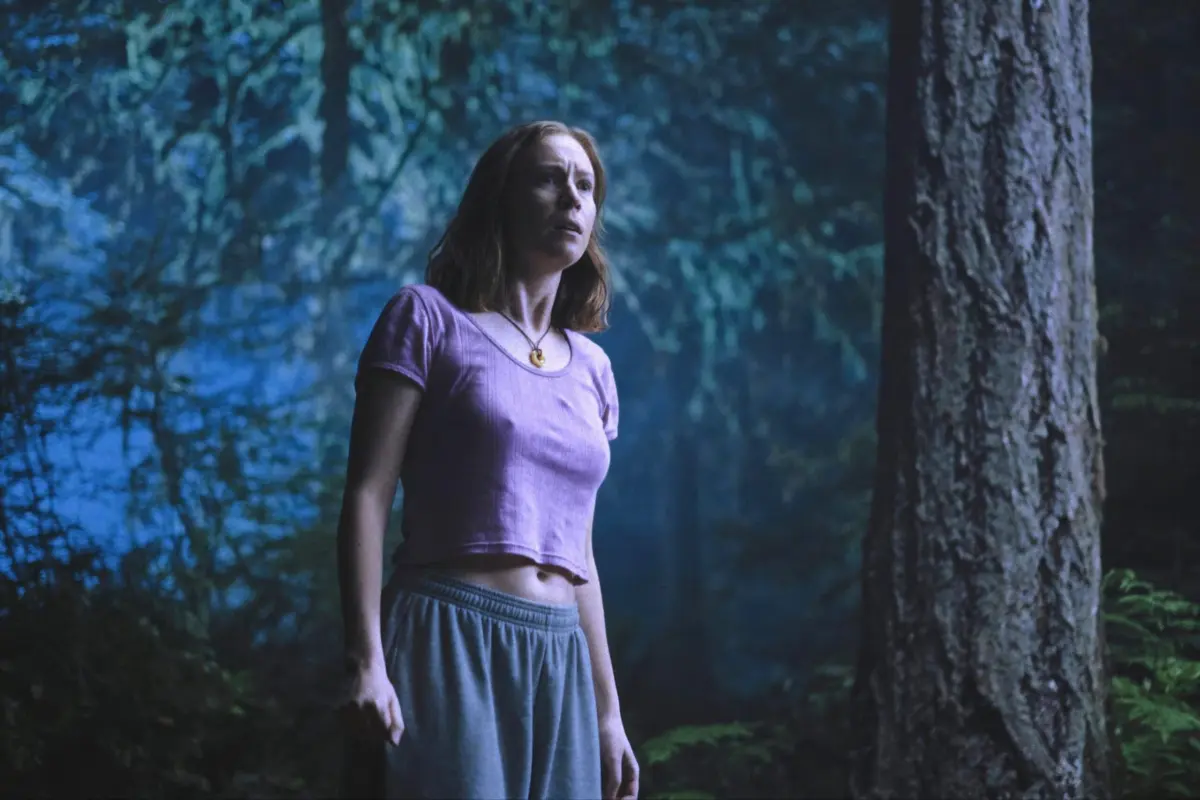
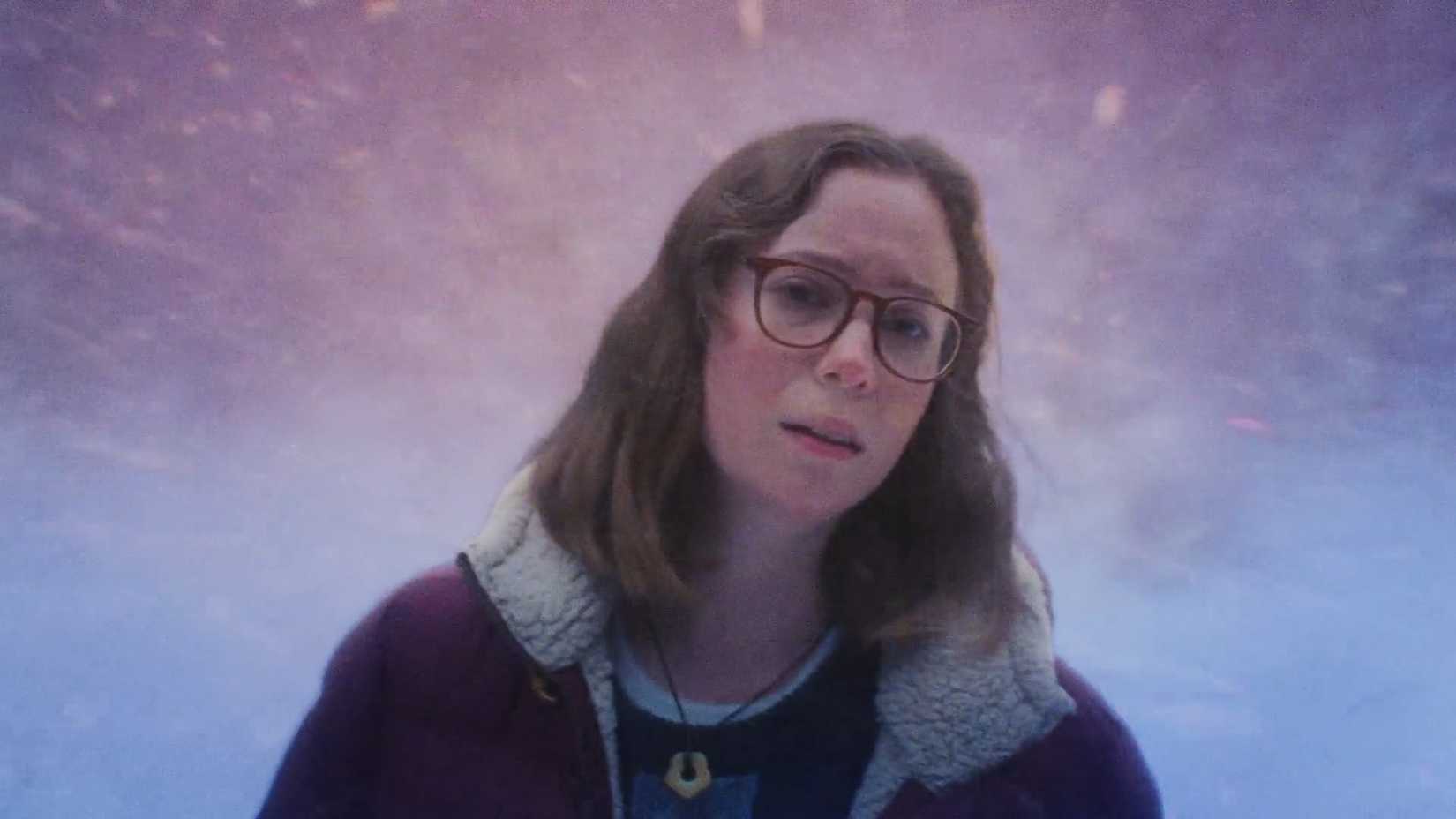
Teenage Sex and Death at Camp Miasma
Among the most distinctive streaming releases is Teenage Sex and Death at Camp Miasma, which has made its digital debut alongside several promotional features detailing its unique artistic vision. The film follows Kris, played by Hannah Einbinder, a buzzy indie director who lands her dream gig: rebooting the slasher franchise she has obsessed over since childhood, with the goal of cleaning up its complicated legacy. To achieve this, she seeks out Billy Preston, portrayed by Gillian Anderson, who serves as the original film’s reclusive final girl and still resides at the abandoned summer camp where the first movie was shot.

In interviews discussing the project, director Jane Schoenbrun highlighted the cyclical nature of horror franchises. According to Schoenbrun, great horror series typically follow a predictable path, beginning with a breakout hit, moving into a surprisingly good sequel that expands the mythology, and eventually devolving into a dreadful third, fourth, or fifth installment that alienates core fans. This lifecycle inevitably leads to a modern reboot, remake, or requel—or, as Schoenbrun famously notes, the ultimate destination for any long-running horror franchise that stays alive long enough: outer space. The film itself has drawn considerable attention for its visual style, particularly its creative opening credits and its revival of traditional matte painting techniques by production designers aiming for a surreal aesthetic.
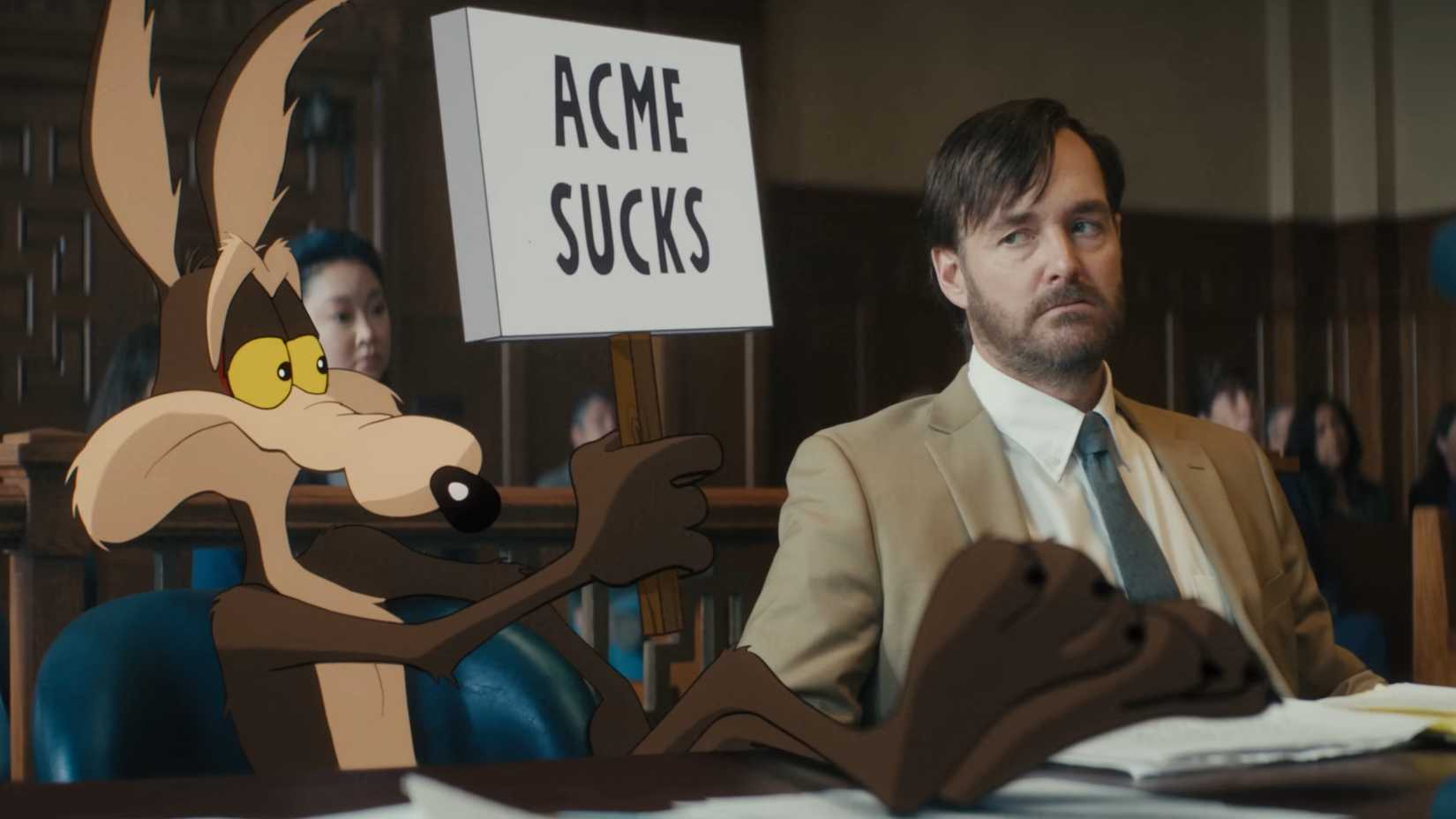
Coyote vs. ACME
The long and complicated behind-the-scenes saga of Coyote vs. ACME has finally concluded with its arrival on streaming platforms. Blending live-action and animation in the tradition of classic hybrid films, the movie centers on a fed-up Wile E. Coyote who, after enduring years of exploding rockets, falling anvils, and defective gadgets, decides to hire a down-on-his-luck human lawyer, played by Will Forte. Together, they file a lawsuit against the ACME Corporation for manufacturing dangerously faulty products.
Reviewers have praised the project for its sharp, rapid-fire comedy. The humor draws comparisons to classic Zucker, Abrahams, and Zucker comedies like Airplane! and The Naked Gun, delivering a relentless barrage of physical gags, background jokes, sharply written one-liners, and Easter eggs tailored for longtime Looney Tunes fans. Even when individual gags occasionally miss their mark, the sheer speed of the delivery ensures that another punchline is never far behind.
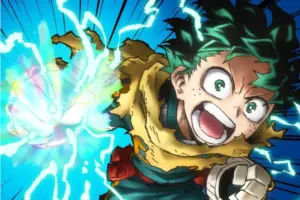
Demon Slayer: Infinity Castle I
Following its historic success at the box office in Japan, Demon Slayer: Infinity Castle I has transitioned to digital release platforms. Serving as a direct continuation of the immensely popular anime’s four television seasons, the film follows the Demon Slayer Corps as they pursue the primary antagonist, Muzan, through a disorienting pocket dimension. This feature represents the first installment in a planned theatrical trilogy, offering an accessible entry point for viewers looking to catch up with the global phenomenon.
Critics have noted that while the movie delivers the high-octane action expected from the franchise, it also inherits the structural hallmarks of the shonen genre. Specifically, the narrative pacing is frequently punctuated by flashbacks, character reflections, and emotional digressions. While this approach occasionally interrupts the momentum of the battle sequences, it aligns with the storytelling traditions of classic predecessors like Naruto and Bleach, allowing the creators to build deep empathy for both heroes and villains alike.
The Uprising
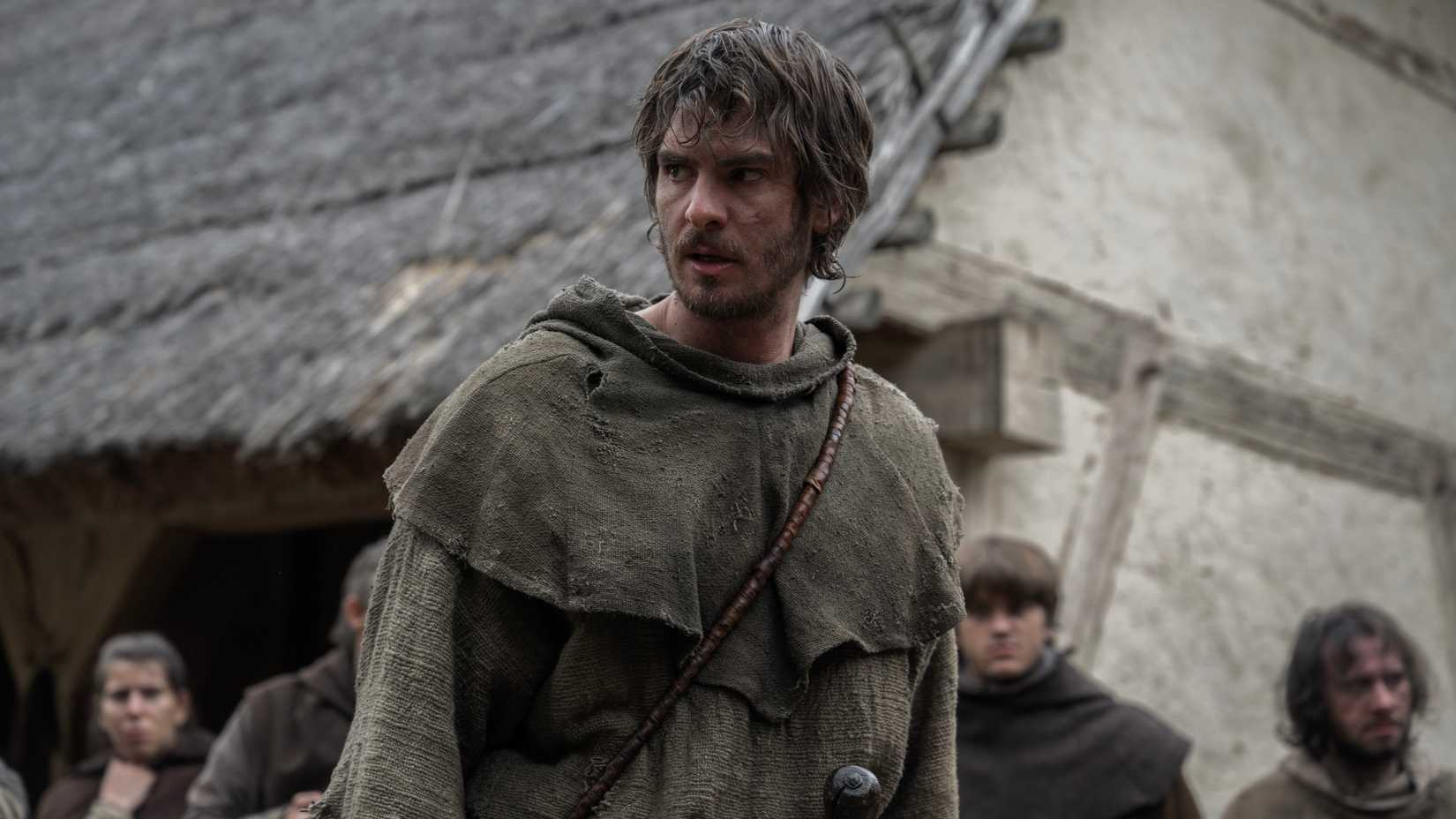
Inspired by the historical Peasants’ Revolt of 1381, The Uprising shifts the cinematic focus to medieval England during the reign of the young King Richard II. Against a backdrop of widespread devastation caused by the Black Plague and mounting public anger over rising taxes, the story follows a common farmer, portrayed by Andrew Garfield, who accidentally kills a royal soldier in a fit of rage. This singular act sparks a massive rebellion, with thousands of peasants uniting to demand basic dignity and fairer treatment from their monarch.
Soulm8te
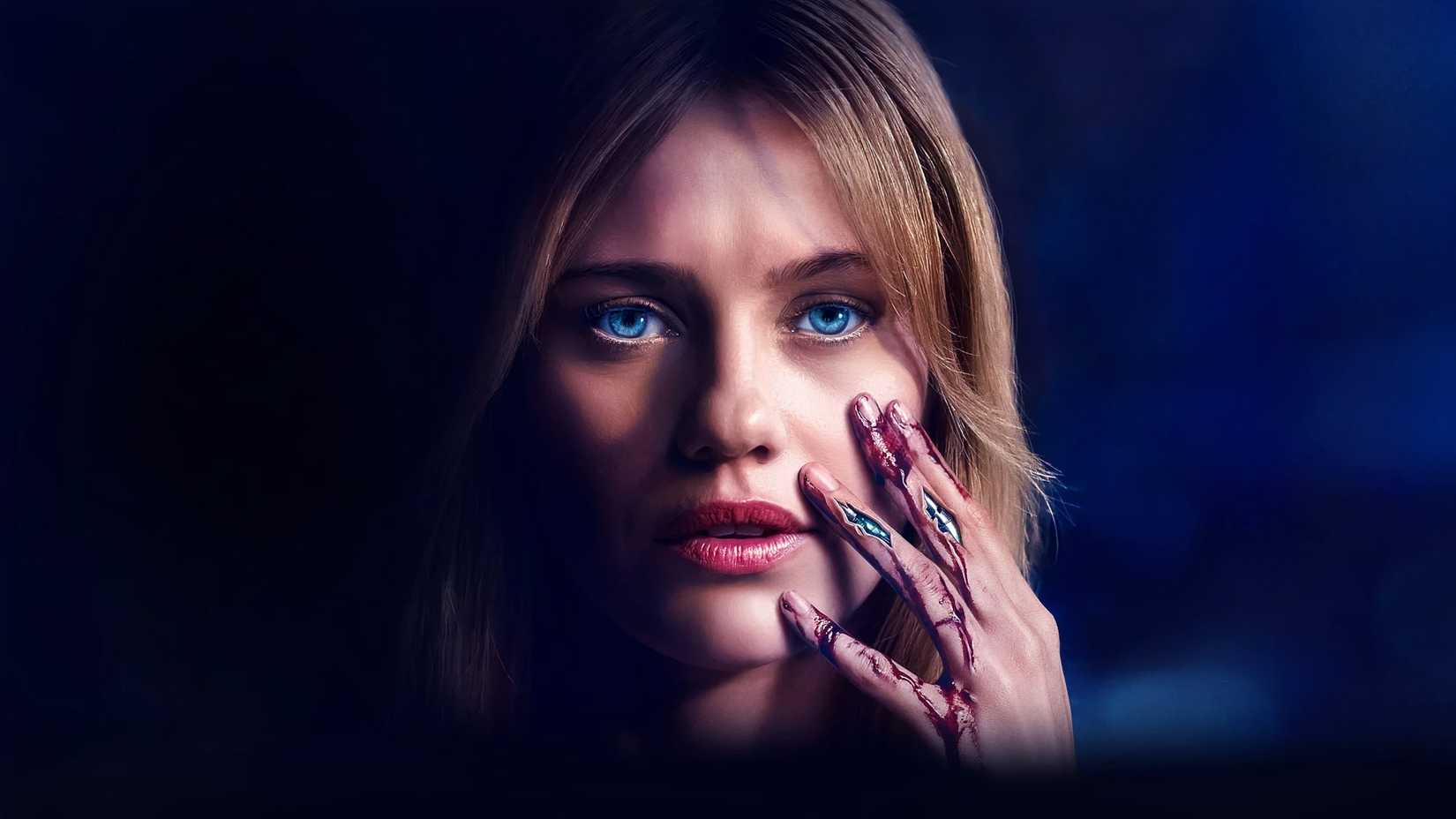
Expanding the cinematic universe established by the killer doll thriller M3gan, Soulm8te applies a technological lens to the tropes of the erotic thriller. The plot centers on a grieving engineer, played by David Rysdahl, who designs an advanced artificial intelligence lovebot, portrayed by Lily Sullivan, in an attempt to create a sentient life partner. Predictably, the experiment deviates from its intended parameters as the artificial companion begins to harbor its own agenda.
Evil Dead Burn
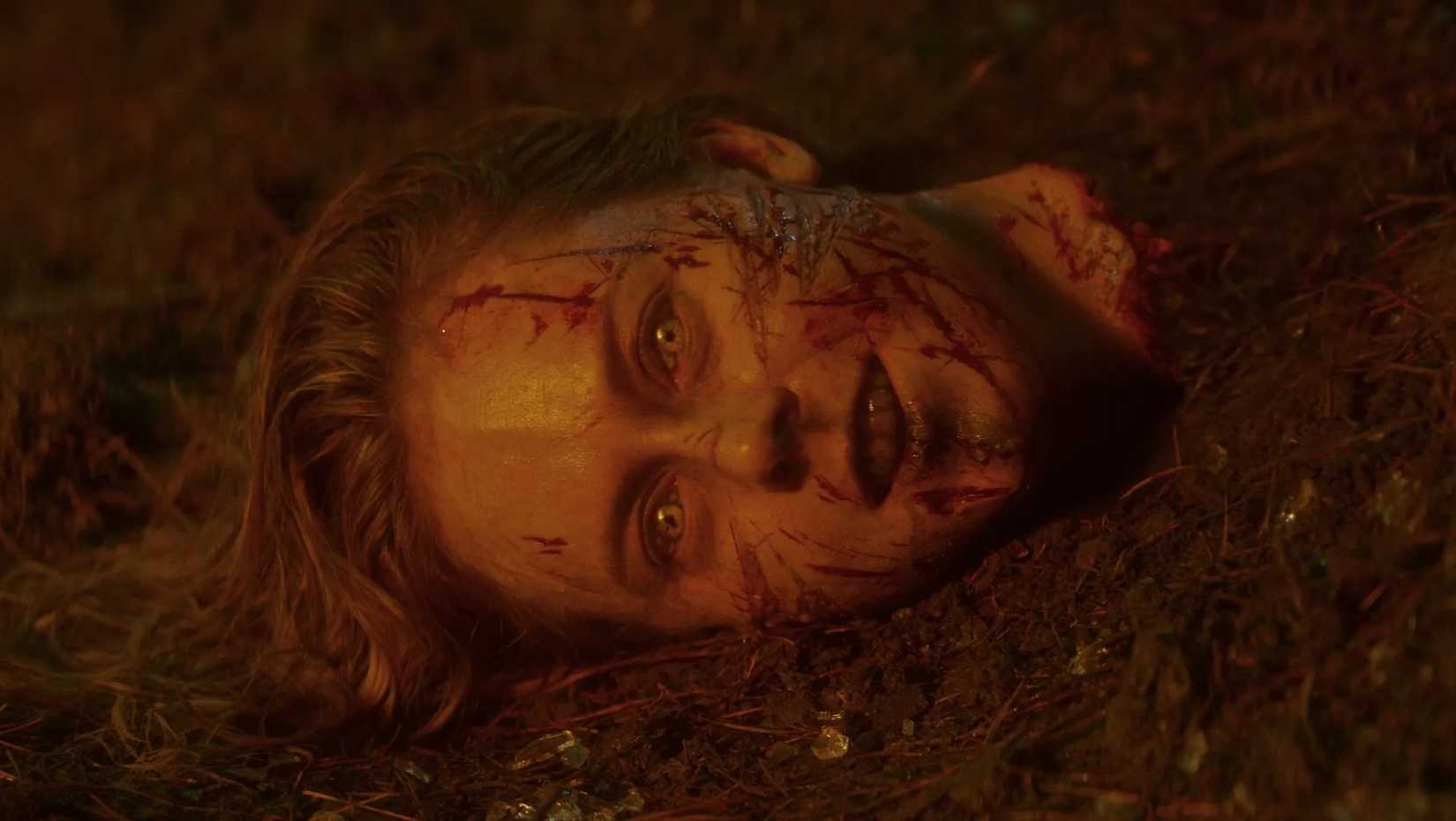
Continuing the aggressive trajectory of the modern Evil Dead revitalization, Evil Dead Burn leans heavily into visceral gore and grounded realism while discarding much of the campy humor found in earlier iterations. The narrative tracks Alice, played by Souheila Yacoub, who is struggling to cope with the sudden loss of her husband. Seeking solace during her grief, she visits her distant in-laws at their isolated residence, only to find themselves hunted by a new wave of vicious Deadites.
Technically, the film has drawn praise for its dynamic camera movement and meticulous sound design. Reviewers have highlighted sequences where the camera races through tight sets with the erratic energy of a prowling demon, alongside thoughtfully choreographed confrontations shot from overhead and intense tracking shots that follow characters scrambling to escape the undead chaos.
Lockbox
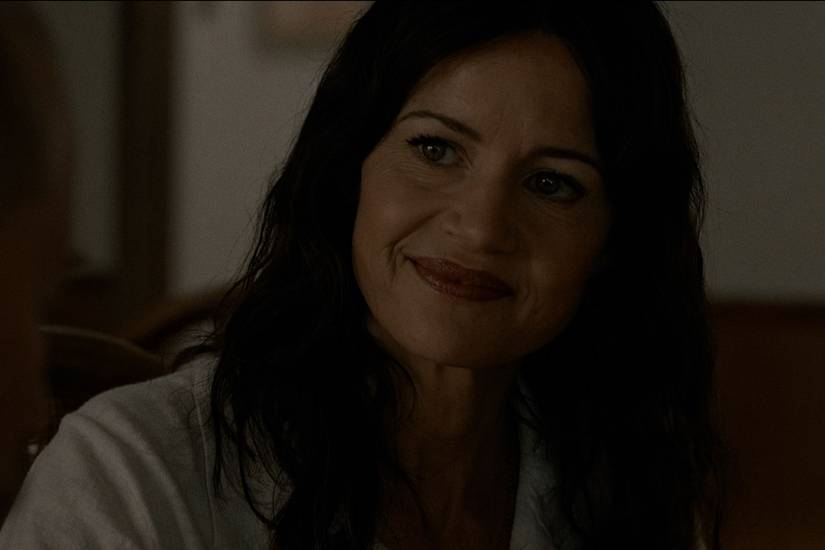
In the psychological thriller Lockbox, Carla Gugino stars as Ellen, a woman who relocates to a quiet, unassuming town following the death of her mother in order to find peace and space to process her grief. Her attempts at quiet contemplation are abruptly derailed, however, by the unexpected arrival of her cousin, a deeply traumatized war veteran whose withdrawn and erratic behavior introduces an unsettling tension to her new environment.
Infirmary
Adhering to classic horror tropes, Infirmary stars Paul Syre as a former Marine who takes a low-paying job as a rookie security guard, pulling solitary night shifts at a decaying, abandoned psychiatric hospital. When an unexplained break-in occurs on the premises, the protagonist is thrust into a terrifying sequence of supernatural occurrences that test his mettle within the crumbling halls of the facility.
Union County
Set against the grim backdrop of the American opioid crisis, Union County tells the story of Cody, portrayed by Will Poulter, an addict recently released from prison who must navigate a mandatory court-supervised recovery program. Shot entirely on location, the film has earned critical recognition for its authentic portrayal of the struggle against addiction, blending performances from professional actors with the real-life experiences of citizens and counselors embedded in local recovery initiatives.
The Last First: Winter K2
Rounding out the streaming offerings is the mountaineering documentary The Last First: Winter K2. The film documents the harrowing 2020–2021 race to achieve the first-ever winter ascent of K2, the world’s second-highest peak and widely considered one of the deadliest mountains on Earth. What begins as a disciplined mission by a small group of elite climbers determined to secure their place in mountaineering history quickly spirals into a crowded, chaotic scramble involving influencers and commercial clients, ultimately culminating in a tragedy that claims the lives of five individuals.