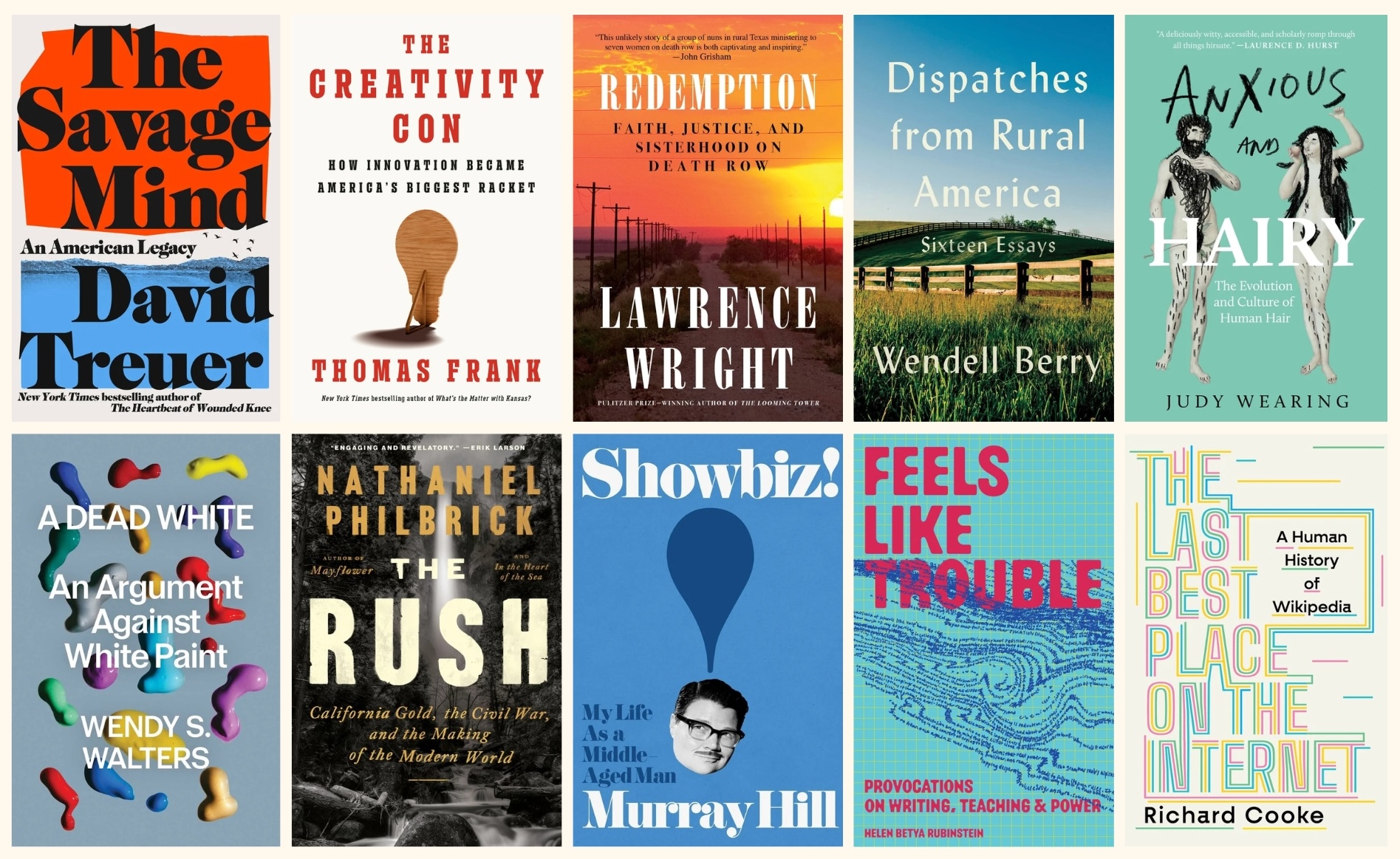
The literary calendar for October brings forward an extraordinary selection of nonfiction releases, offering readers deep dives into the complex realities of American history, systemic injustice, cultural eccentricities, and the digital architecture of modern life. Featuring prominent new works by acclaimed authors such as David Treuer, Wendy S. Walters, Thomas Frank, Lawrence Wright, and others, the upcoming month’s publishing slate promises to engage readers with incisive social critiques, gripping narrative histories, and deeply reflective personal essays.
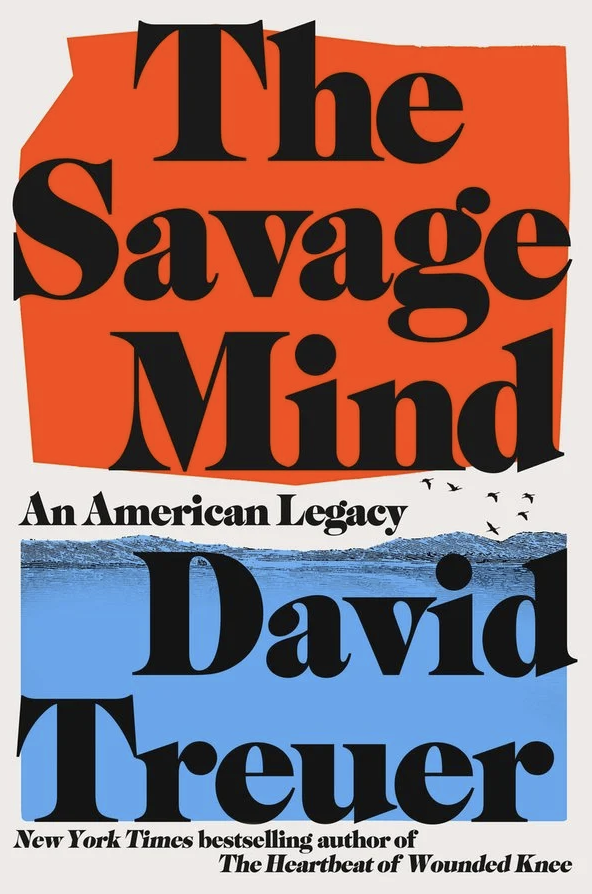
David Treuer Confronts the Myth and Reality of the Frontier in Savage Mind
David Treuer has established himself as a versatile and formidable literary force, moving fluidly between acclaimed fiction and deeply felt memoir. Perhaps his most recognized contribution to national discourse prior to this season was his 2019 historical work, The Heartbeat of Wounded Knee, which earned status as a finalist for the National Book Award. With his latest release, Savage Mind, Treuer expands his repertoire into the epistolary treatise.
Structured as an extended letter addressed to his three teenage children, the book opens with a striking, atmospheric tale of reservation life reminiscent of the stark prose of Denis Johnson. From there, Treuer shifts into his signature synthesis of history and personal narrative, offering a wide-ranging examination of the American frontier. The book investigates both the historical reality of the frontier as a landscape defined by brutal violence and cruelty, and its enduring dominance as a mythic imaginary that continues to permeate every facet of the nation’s domestic and foreign imperial projects.
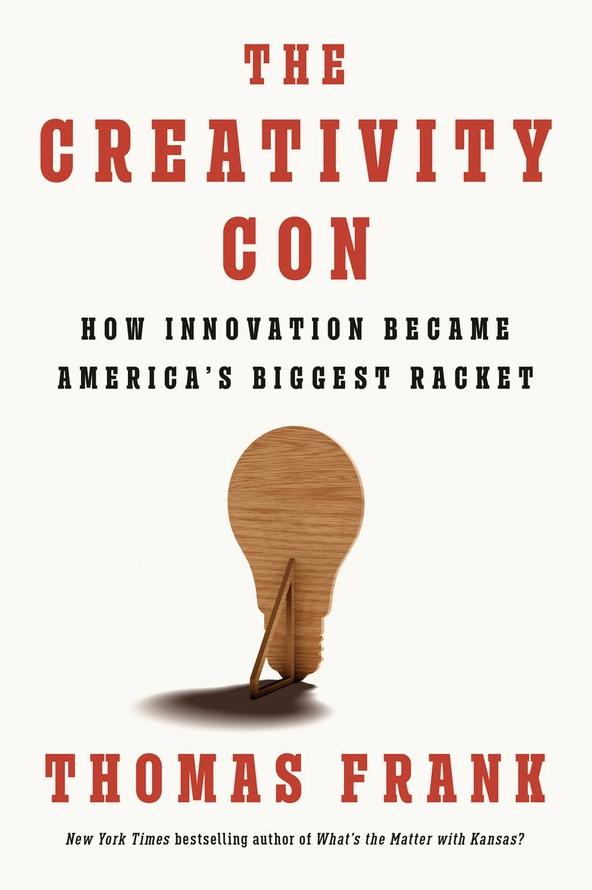
Thomas Frank Examines the Hollow Promises of the "Innovation" Economy in The Creativity Con
Thomas Frank, long recognized as one of the nation’s sharpest critics of power structures and political demographics, turns his characteristic skepticism toward the modern tech ethos in The Creativity Con. Utilizing his trademark erudition and acid wit, Frank trains his critical eye on the post-war lineage of hucksters, conmen, and corporate evangelists who have adopted the "move fast and break things" mantra. He argues that these figures have consistently weaponized the rhetoric of "innovation" to mask a superficial, quick-fix approach to social progress—one that systematically siphons wealth from the bottom to the top while leaving the general population economically and socially worse off.
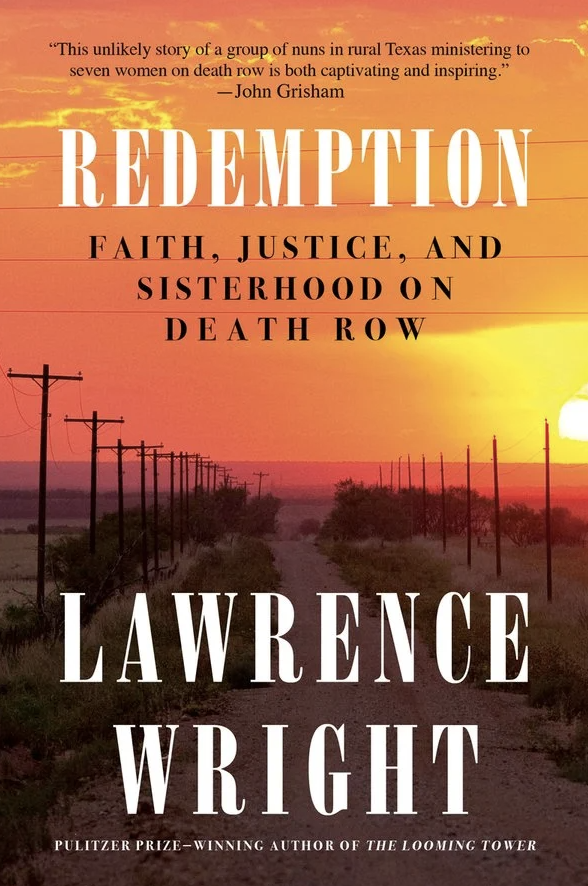
Lawrence Wright Investigates the Moral Crisis of Capital Punishment in Redemption
As one of the preeminent narrative journalists of the modern era, Lawrence Wright brings his rigorous reporting to one of America’s most pressing moral and legal dilemmas: capital punishment. In Redemption, Wright explores the unexpected and profound relationship between a group of nuns and the women residing on death row at a prison facility in Gatesville, Texas. Through the prism of these women and the spiritual and emotional support provided by the religious order, Wright exposes the deep-seated contradictions, systemic injustices, and moral failings entrenched at the heart of the American legal apparatus.
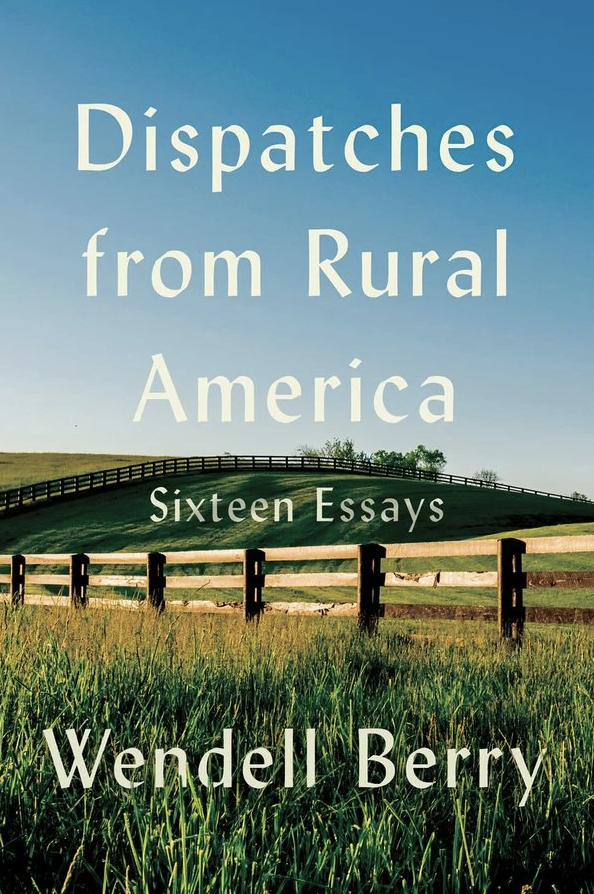
Wendell Berry’s Enduring Voice Echoes in Dispatches From Rural America
The literary community continues to mourn the loss of Wendell Berry, who passed away last month at the age of 92. Dispatches From Rural America serves as a vital primer on his expansive body of work, offering a timely reminder of his contributions to American thought. While Berry has occasionally been narrowly categorized simply as an "American pastoralist" in the lineage of Ralph Waldo Emerson and Henry David Thoreau, this collection highlights his gritty, down-to-earth pragmatism. That unyielding perspective made him an exceptionally potent critic of modernity—a role that feels especially fitting given the compounding crises of late capitalism over the past fifty years.
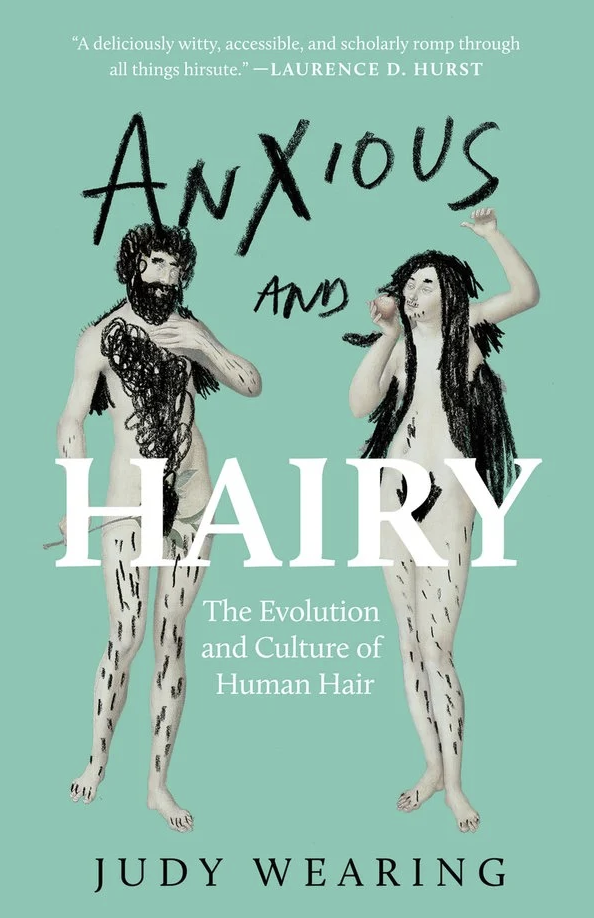
Judy Wearing Explores the Aesthetics and Anxieties of Body Hair in Anxious and Hairy
Cultural histories of everyday human phenomena require a delicate balance of humor and intellectual rigor, a balance that Judy Wearing achieves in Anxious and Hairy: The Evolution and Culture of Human Hair. Wearing investigates the history, aesthetics, social taboos, and biological science surrounding human body hair, acknowledging the inherent levity of the subject while treating it with genuine analytical seriousness. Personal yet universal, the book offers a playful yet intellectually stimulating exploration for readers drawn to unconventional cultural narratives.
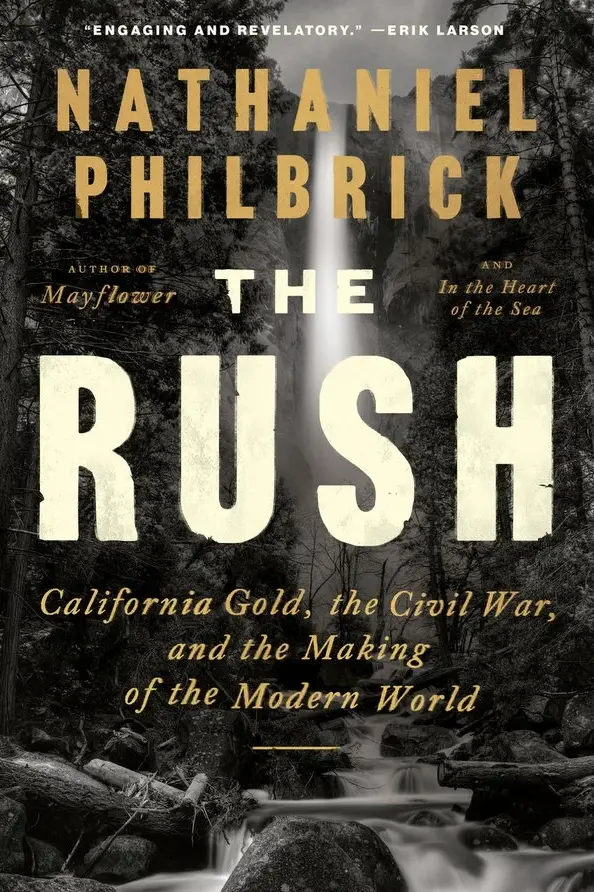
Nathaniel Philbrick Connects the Gold Rush to the Formation of Modern America in The Rush
Nathaniel Philbrick has built a reputation for crafting historical nonfiction that reads with the narrative momentum of a novel. The California Gold Rush provides an ideal canvas for his talents, allowing him to spotlight vivid historical characters and meticulous, granular details. Building on his past work—such as his precise, unflinching depictions of extreme physical endurance in In the Heart of the Sea—Philbrick argues compellingly in The Rush that the chaotic, high-stakes era of the Gold Rush fundamentally forged the architecture of contemporary American society.
Murray Hill Chronicles an Unconventional Life in Showbiz! My Life as a Middle-Aged Man
A celebrated fixture of the New York cabaret and comedy scene centered around venues like Joe’s Pub, Murray Hill has also charmed television audiences with his standout work on the acclaimed series Somebody Somewhere. In Showbiz! My Life as a Middle-Aged Man, Hill brings his trademark showmanship to the page, offering a memoir filled with colorful anecdotes gathered over the course of a thoroughly unconventional and vibrant career path.
Wendy S. Walters Investigates the Ubiquity of Whiteness in A Dead White
Wendy S. Walters stands out as one of contemporary literature’s most distinct essayists, carrying forward the impressionistic, politically astute, and deeply personal tradition of the continental feuilleton, reminiscent of writers like Joseph Roth. Following her acclaimed 2015 collection, Multiply/Divide, Walters returns with A Dead White, a work that straddles the line between an extended monograph and a focused essay collection.
The book’s genesis occurred during a routine school drop-off for her son, when Walters began noticing the pervasive presence of white paint across modern public and private spaces. Once observed, the phenomenon became impossible to ignore. Through her incisive analysis, Walters reveals how the absolute ubiquity of white paint reflects underlying societal value systems, unexamined passive choices, and a collective, misguided aspiration toward a self-serving and ultimately false sense of neutrality.
Richard Cooke Documents the Human History of Wikipedia in The Last Best Place on the Internet
For readers old enough to remember when citing Wikipedia was viewed as the ultimate academic shortcut, the platform has since transformed into an indispensable cultural tool and a rare digital public good. Richard Cooke explores this evolution in The Last Best Place on the Internet: A Human History of Wikipedia. By examining the site’s humble origins, its internal governance structures, and the dedicated community behind its maintenance, Cooke makes a persuasive case that Wikipedia’s impact on human knowledge is far more profound than even its most frequent users realize.
Helen Betya Rubinstein Challenges Literary Norms in Feels Like Trouble
At a time when creative writing and academic institutions face mounting pressures, Helen Betya Rubinstein’s Feels Like Trouble: Provocations on Writing, Teaching & Power offers an invigorating defense of dissent from within. Rubinstein critically examines the comfortable conventions and unchallenged frameworks routinely accepted by writers and students alike, using the ubiquitous "compliment sandwich" feedback model in writing workshops as a starting point. Grounded in rigorous argument and intellectual curiosity, the book invites readers to rethink the mechanics of pedagogy and creative power, even when sparking polite disagreement along the way.