It is the Fourth of July in the Northern California redwoods, a setting where the towering trees stand as silent witnesses to generations of shifting history. Across social media feeds, the phrase "250 Years of Independence" inundates screens. Yet, the overwhelming response from users is not one of uncritical celebration, but rather a critical chiding of the intended meaning—highlighting the contradictions of the euphemism, and for some, viewing it as an outright lie.
It is a perspective that invites deep reflection on what it means to mark historic milestones while occupying a complex cultural space in the United States. And yet, amid these systemic contradictions, personal life continues in all its vibrant, everyday paradoxes. Plans are excitedly made to watch the United States men’s national soccer team take on Belgium, searching for a venue that is loud and friendly, yet devoid of the specific brand of supporters shouting "USA! USA!"
For many within the Latino community, this internal negotiation captures the essence of being Latino in the United States at this fraught moment in history. When considering what this cultural friction has to do with Latinx literature or Latine identities, the answer is simple: everything. The very struggle to settle on a single descriptor—whether to use Chicano, Hispanic, Latino, Latinx, Latine, or the brief historical fashion of Latin@—reflects a deeper psychological ambivalence.
Writers often grapple with editors who reject essays for shifting between terms without explanation. Yet this fluidity is precisely the point, echoing the philosophy of literary icons like Gloria Anzaldúa, who refused to translate her work or kowtow to a singular kind of reader or language. Embracing the discomfort, confusion, and chaos that these words engender allows writers to mix and match Latino, Latinx, and Latine consciously and whimsically. At the same time, this practice draws criticism from those who argue that it minimizes the importance of self-definition, pride, and the very terminology that gives people power. It is a debate with valid arguments on both sides, mirroring the larger question of whether to root for the United States, Mexico, or any of the interconnected cultures that shape a dual identity.
Statistical research underscores this internal diversity. According to Fernanda Figueroa, who researched U.S. Latinos for AP News, this growing community is far from being a monolith. From shifting identities and increasing educational attainment to growing political influence, Hispanic Americans continue to be a major part of the nation’s tapestry.
This rich tapestry is sustained by the literary elders who paved the way. A chance encounter at a café table during the Association of Writers & Writing Programs (AWP) conference in Los Angeles brought an unassuming elder into focus—none other than Luis Rodriguez. For many young parents navigating early adulthood, his seminal book Always Running served as a vital roadmap. When the conversation turned to the realities of wild, unruly families, lessons of survival, and the journey of becoming a grandfather, Rodriguez offered a profound piece of wisdom: the medicine you need is always within.
This concept has since evolved into a personal mantra, a reminder of the true reason for reading and writing: unearthing the medicine. In contemporary fiction, this philosophy translates into creating characters who can accept their complete complexity and contradictions, reveling in the fluidity of identity. Art and art-making hold the unique power to imagine how things could be, resisting static definitions of community, friendship, and love.
Explorations of the American West, particularly the Bay Area, often reflect the beautiful messiness of living in a region that was once Aztlan, remains intrinsically indigenous, and, as Anzaldúa reminds readers, will be again. Cultural commentary continues to push against traditional boundaries, much like major public moments that playfully subvert expectations. When artists like Bad Bunny utilize massive platforms to transgressively push back on and reclaim phrases like "God Bless America," they decenter the commonly viewed understanding of "America" as specific only to the United States, instead listing every nation of the Americas to broaden the geographic and cultural imagination.
In celebration of Hispanic Heritage Month, turning to fellow Latinx writers provides not a singular path, but a multiplicity of ways to celebrate and love identity in all its glorious and uncomfortable messiness. Rather than relying solely on the most expected names, a robust, ever-growing reading list offers profound entry points into this literary tradition.
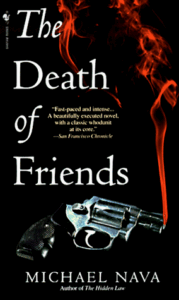
Michael Nava’s contemporary queer Chicano detective novels, including The Death of Friends and the broader Henry Rios series set in Los Angeles and the Bay Area, offer messy, romantic, and thrilling narratives. They successfully function as engaging page-turners while deeply exploring queerness, self-acceptance, homophobia, and the pressures characters face both within and outside their communities.
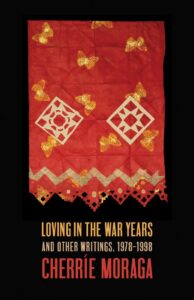
Cherríe Moraga’s Loving in the War Years stands as a foundational text of literary theory, poetry, and creative nonfiction. Blending genres with seamless grace, Moraga’s work—along with essays like "Art in América con Acento"—continues to serve as a vital starting point for literature classrooms, challenging readers to rethink creative boundaries.
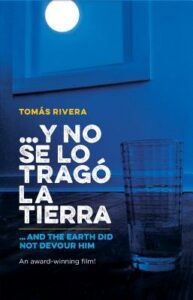
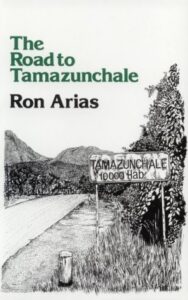
Early pillars of the Chicano civil rights movement, such as Tomás Rivera’s …and the earth did not devour him and Ron Arias’s The Road to Tamazunchale, represent the literary abuelos of the genre. These brave works eschewed stereotypical narratives to offer complex, deeply human characters. By taking bold risks with form, theme, and style, Rivera and Arias created enduring texts that remain essential reading for their vulnerability and beauty.
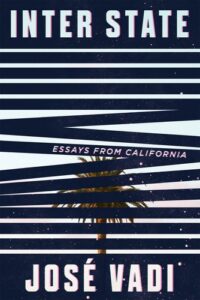
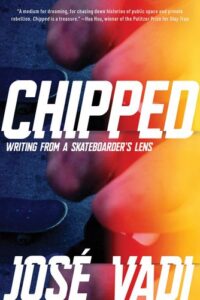
In the realm of long-form essays, José Vadi’s Inter State and Chipped weave personal narrative with rigorous research and dazzling prose. Covering subjects from California history and skateboarding to dive bars, gentrification, and jazz, Vadi’s work demonstrates immense joy, clarity, and curiosity.
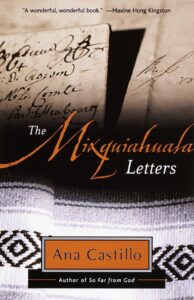
Ana Castillo’s epistolary novel The Mixquiahuala Letters utilizes the slow, deliberate format of correspondence between two lovers to explore identity, sexuality, and cultural history. By instructing readers on how to navigate the book based on their own personality types, which actively changes the chronology of the story, Castillo achieved a revolutionary feat of narrative structure.
While Leslie Marmon Silko may not identify specifically as Latinx, her massive scope of work in Almanac of the Dead earns it an honorary place in conversations surrounding the U.S. Southwest. The novel’s world-building and critical fabulation—imagining an invasion of the United States by Indigenous Mexican revolutionaries and armed homeless populations reclaiming Tucson, Arizona—serves as a sweeping literary antidote to traditional regional narratives.
Additional poetry collections, such as Donato Martinez’s Touch the Sky, F.G. Manos’s Papi’s Rift, and MK Chavez’s Dear Animal, published by vital small presses, further expand this rich chorus of voices.
Ultimately, the collective act of picking up the pen and scribbling away individual stories builds a shared narrative. The invitation remains open to all who wish to contribute to the ongoing conversation, keeping the list alive through shared recommendations sent to POB 3555, Berkeley, CA 94703. Because in the end, the community itself provides the healing power found within the pages.