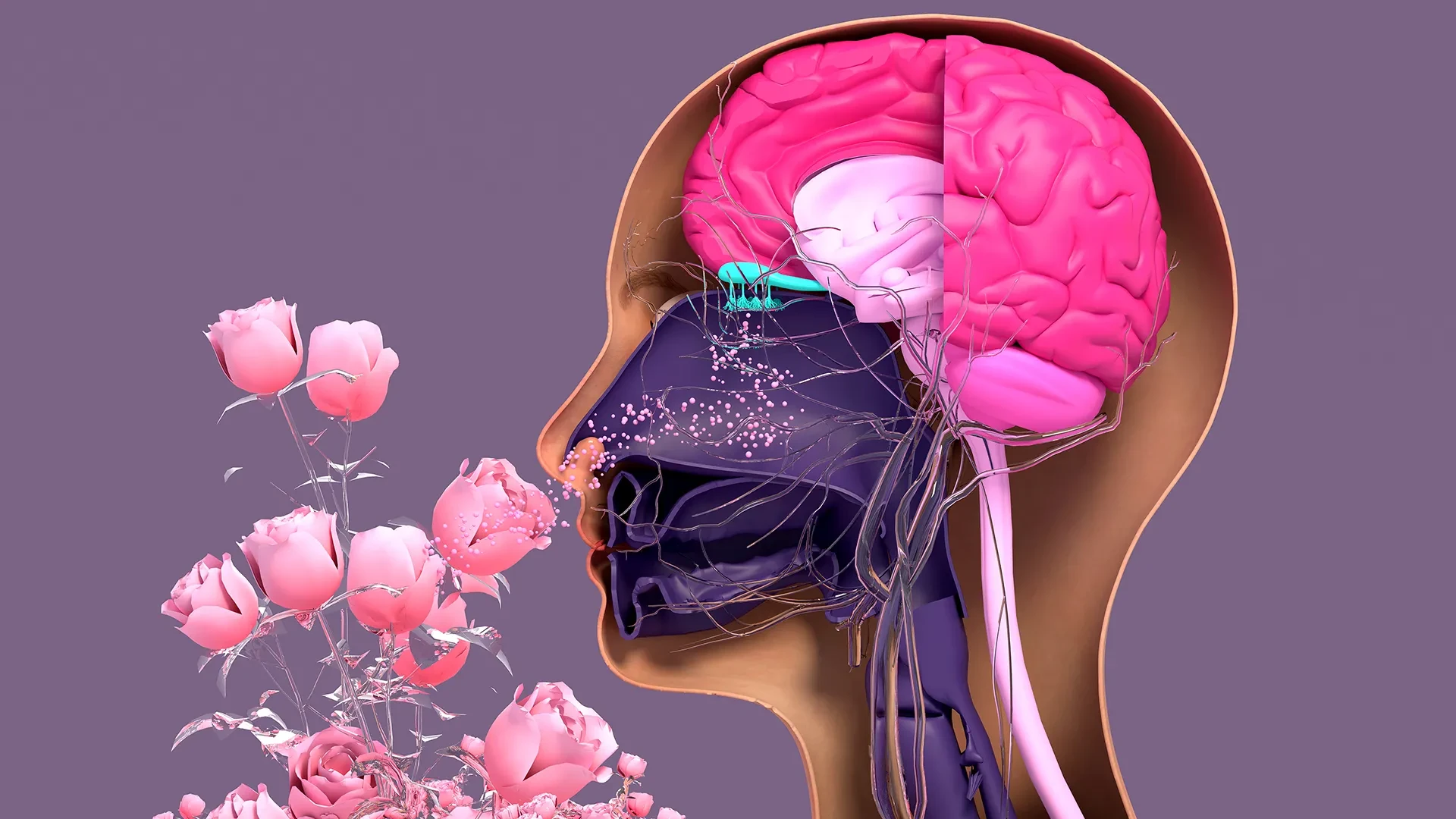
In a significant breakthrough for sensory biology, researchers at the Tufts University School of Medicine and the Graduate School of Biomedical Sciences (GSBS) have unlocked new insights into how the nose repairs itself. By utilizing a newly devised, three-dimensional model to study the regeneration of nerve tissue, the team discovered that a specific type of stem cell, long considered largely dormant, plays a far more critical role in preserving the sense of smell than scientists previously understood.
Unlike the cells found in the central nervous system—which are notoriously difficult to repair once damaged—sensory neurons in the nasal cavity possess a remarkable, lifelong capacity for regeneration. This biological resilience is vital, as the nasal cavity is in near-constant contact with the external environment, exposing it to a barrage of pathogens, toxins, and environmental stressors.
However, this regenerative capacity is not invincible. Viral infections, such as those caused by SARS-CoV-2, chronic exposure to environmental toxins, or the natural process of aging, can significantly diminish the function of these neurons. When these cells lose their ability to replicate or maintain their integrity, the result is often a partial or complete loss of smell, known clinically as anosmia. To better understand the mechanics behind this decline, the Tufts research team engineered an innovative, accessible three-dimensional olfactory tissue mouse model—often referred to as an organoid. This tool allows scientists to observe the continuous formation of neurons in a controlled setting and investigate why this vital process falters in disease states or as an individual ages.
The findings of this study, recently published in the journal Cell Reports Methods, provide a detailed look at the complex interplay between two primary types of stem cells in the nose: horizontal basal cells (HBCs) and globose basal cells (GBCs). The study demonstrates that these two cell populations are not merely existing side-by-side but are, in fact, communicating and supporting one another to facilitate the development of new smell-sensing nerve tissue.
“Our research suggests that these two stem cells may be interdependent,” explains Brian Lin, senior author on the study and a research assistant professor in the Department of Developmental, Molecular and Chemical Biology at Tufts. “One type that we thought was largely dormant—HBCs—may actually play a crucial role in supporting the production of new neurons and the repair of damaged tissue.”
The research team utilized their organoid model to identify a specific subpopulation of HBCs, which are distinguished by their production of the protein KRT5. Historically, these cells were characterized by their quiescent state, leading many researchers to assume they remained inactive unless triggered by severe injury. However, the Tufts study revealed that these KRT5-producing HBCs are actively involved in the ongoing generation of new olfactory neurons.
By selectively depleting these specific HBCs from the organoid cultures, the researchers observed a significant impairment in the generation of new neurons. This result serves as a compelling piece of evidence that these stem cells, once relegated to the status of "dormant" or secondary players, are essential components of the regenerative machinery of the nose.
The team also sought to understand why the sense of smell often declines with age. By harvesting cells from mice of varying ages and cultivating them within the organoid model, the researchers observed a marked decline in the regenerative capacity of cells derived from older subjects. Lin notes that the team suspects this decline is linked to a reduction in the GBC population over time, though he emphasizes that further investigation is required to confirm this hypothesis. Should this link be proven, it could open doors for the development of targeted therapies designed to rejuvenate these cell populations and potentially restore olfactory function in aging populations.
An Accessible Model for Global Research
A primary driver behind the creation of this model was the need for accessibility. Juliana Gutschow Gameiro, the lead author of the study and a former visiting Ph.D. student at GSBS who joined the team from the State University of Londrina in Brazil, focused her efforts on ensuring the model was straightforward to replicate. The team recognized that the global urgency surrounding olfactory loss—exacerbated by the COVID-19 pandemic and the increasing recognition of smell loss as an early symptom of neurodegenerative conditions like Parkinson’s disease—demanded a more widely available research tool.
“Because loss of smell is associated with COVID-19, as well as with Parkinson’s disease and other conditions, a much larger number of researchers from a variety of different fields have begun researching olfactory epithelial cells in the last few years,” Lin says. “We wanted to develop an easy-to-use model so that non-stem cell biologists and those working in labs with limited resources could use it to better understand how olfactory neurons regenerate and what happens that causes that process to diminish or fail completely.”
By reducing the barrier to entry, the researchers hope to accelerate the pace of discovery across the scientific community. Organoids, which are miniature, simplified versions of organs grown in three dimensions, have become a cornerstone of modern biomedical research. They offer a significant advantage over traditional animal models or two-dimensional cell cultures because they more accurately mimic the structural complexity and functional interactions of real tissues. While organoids have been successfully developed for lungs, kidneys, and various other organs, the creation of a functional, reliable model for human olfactory tissue has remained an elusive goal.
Toward a Human Organoid
The successful validation of the mouse-tissue model is viewed by the Tufts team as a critical stepping stone toward the development of a human organoid. The ultimate objective is to create a platform that can be used for high-throughput drug screening. Such a tool would allow researchers to test the efficacy of various pharmacological agents in a human-like environment, potentially leading to new treatments for those suffering from chronic smell loss.
However, transitioning from a mouse model to a human one presents unique logistical and biological hurdles. “It’s challenging to get pure olfactory tissue from humans,” Lin explains. The standard collection process involves an anesthetized procedure where a brush, similar to those used in COVID-19 diagnostic tests, is inserted deep into the nasal cavity. A significant challenge in this process, compared to the mouse model, is that the collected sample contains a mixture of both respiratory stem cells and olfactory stem cells, which are notoriously difficult to isolate from one another.
The research team is now focused on solving this technical puzzle. Their current challenge involves developing a simple, cost-effective technique to isolate human olfactory stem cells from these mixed samples and successfully coax them to grow in a laboratory environment. If successful, this would provide a vital new tool for drug discovery and regenerative medicine. By bridging the gap between basic stem cell biology and clinical application, the team at Tufts hopes to turn these findings into tangible therapeutic pathways for patients whose sensory loss has long been considered irreversible. As the project moves forward, the focus remains on refining these laboratory techniques, ensuring they remain accessible to the broader scientific community, and eventually moving toward the goal of restoring one of the most fundamental human senses.