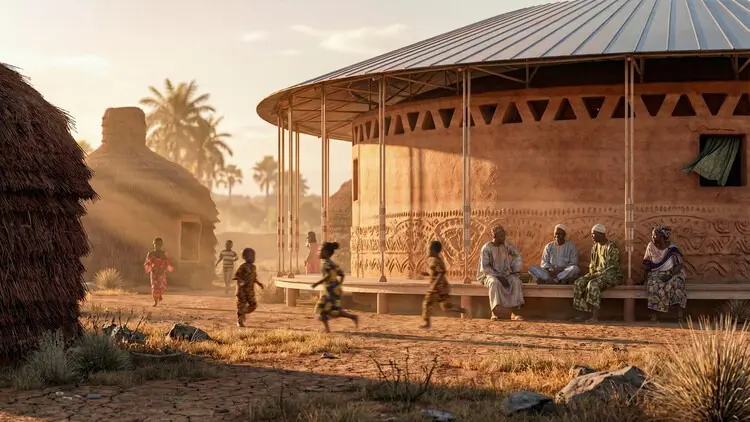
As modern cities undergo continuous transformation, our collective expectations of urban environments are shifting in profound ways. Contemporary society increasingly demands more caring spaces—public domains that welcome individuals of all ages and genders, natural elements that remain within reach across every social stratum, and settings deliberately engineered to foster genuine human connection. Among the various typologies in modern architecture, few design intentions synthesize these ideals as effectively as spaces dedicated to children. A compelling new selection of unbuilt projects submitted by the ArchDaily community showcases a diverse array of approaches to care-based architecture, highlighting how visionaries around the world are rethinking environments for the youngest members of society.
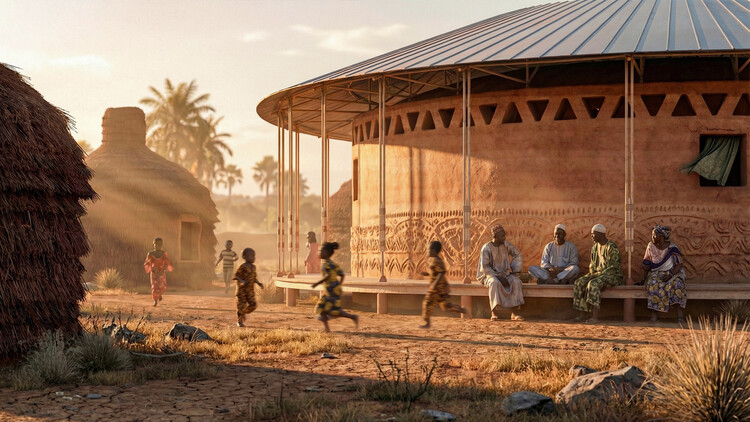
Encompassing a wide spectrum of educational and developmental facilities, the curated proposals feature innovative concepts for schools, daycare centers, a dedicated children’s library, a vibrant youth center, and a pioneering new architectural model for orphanages. Each of these unbuilt designs takes on the critical mission of providing a safe, inclusive, and deeply stimulating environment capable of nurturing children through every essential stage of their personal and intellectual development. While these architectural visions have not yet materialized in the physical world, their meticulous detailing and thoughtful conceptual frameworks offer an inspiring glimpse into future spaces optimized for play, learning, and calm. Ultimately, these designs demonstrate how environments tailored to the developmental needs of children can successfully fuel creativity and well-being for people of all ages.
When architects and urban designers ponder spaces tailored for children, a familiar palette of sensory elements typically comes to mind: vibrant colors, playful volumes, abundant natural daylight, and an uninterrupted connection to the open air. Elements of this traditional imagery are vibrantly reflected in this new selection of conceptual projects, yet they are deeply grounded in the distinct local realities, cultural contexts, and physical landscapes of six different countries: Senegal, Brazil, Vietnam, India, Italy, and Ukraine. Rather than applying a universal formula, the creators of these six distinct projects have rooted their designs in the fundamental human pillars of learning, social encounter, play, and absolute safety.
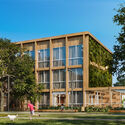
These ambitious intentions are translated into physical forms through curved earthen or brick buildings, dynamic and colorful playscapes, light-filled interiors, and, most prominently, a permanent and intentional reference to plant life. Across every proposal, biophilic design emerges as a definitive cornerstone of the environment envisioned for future generations, though its application varies significantly in context, scale, and architectural expression. Whether driven by a sense of professional nostalgia, accumulated practical experience, or a primal protective instinct, an enduring connection to nature—or an idealized interpretation of it—serves as a common thread weaving through all six proposals.
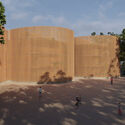
Presented as fully lived spaces rather than sterile conceptual drawings, the projects highlight their differences to reflect the various evolving stages of childhood. They achieve this through the careful integration of movement, atmospheric lighting, and the diverse opportunities they offer for the collective care of multiple generations within a community. By reimagining how architecture can serve as an active participant in child development, these conceptual works by the ArchDaily community underline a broader cultural shift. As cities continue to grow and face the complex challenges of the 21st century, the architecture of care stands out as a vital reminder that the design of our public and institutional spaces must begin with the most vulnerable and imaginative members of our society.