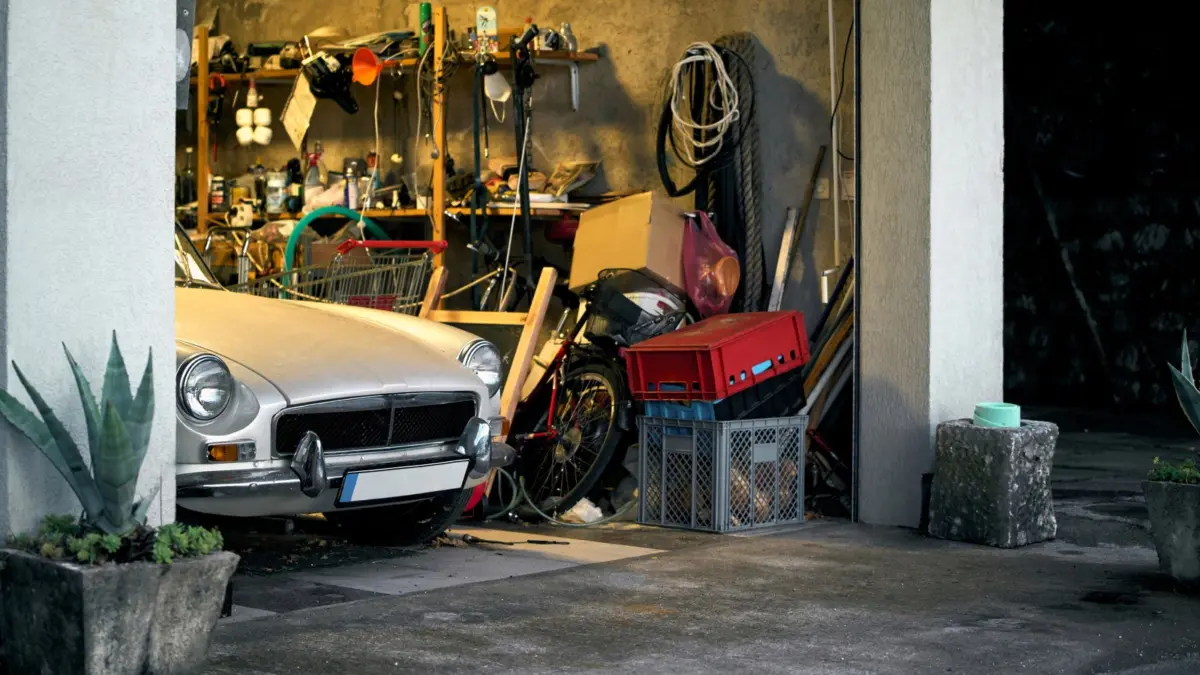
For many automotive enthusiasts, the garage is arguably the most sacred and important part of the entire residential property. It is a sanctuary for weekend projects, a shrine to mechanical engineering, and a reliable shelter against the elements. Indeed, many car lovers have deliberately bypassed otherwise perfect homes simply because the garage setup did not meet their standards, choosing real estate based entirely on whether it could accommodate a hydraulic lift, a proper tool chest, or a multi-car collection.
Yet, despite its hallowed status in car culture, the reality for the average American homeowner often looks drastically different. According to a comprehensive study conducted by CRAFTSMAN back in November 2022, between a quarter and a third of all American homeowners with a garage actually struggle with a very common modern dilemma: they have accumulated so much household clutter that they cannot even park a single vehicle inside it.
For purists who view the garage as a dedicated automotive shelter, the idea of having a garage and failing to use it to protect vehicles from rain, snow, and sun feels almost sacrilegious. And yet, statistical reality suggests that a significant portion of the population is utilizing this valuable square footage for entirely different purposes. This has sparked a broader conversation across the automotive community about how people actually utilize these spaces, prompting a public inquiry into what is truly hiding behind closed garage doors across the country.
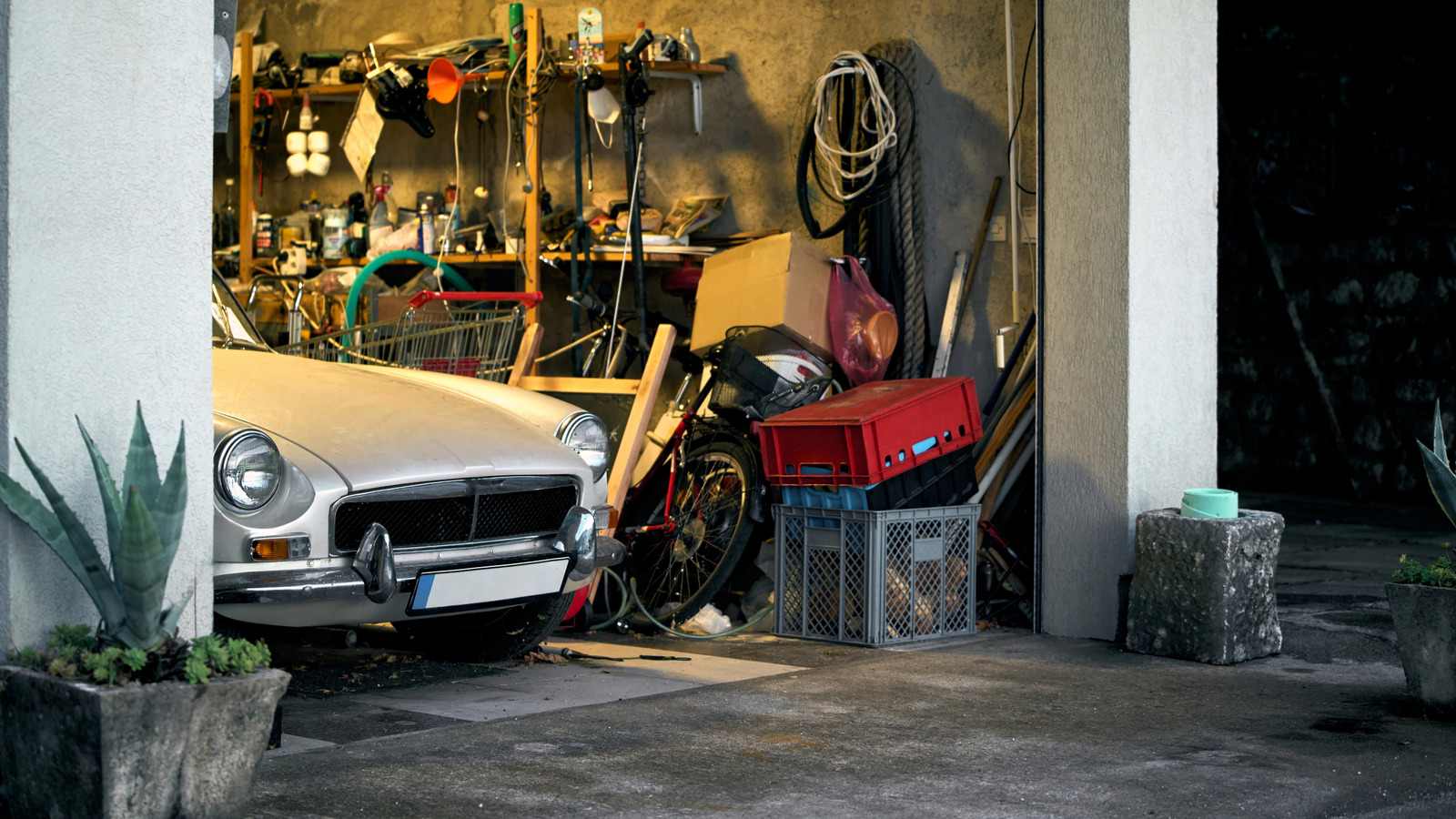
Garages have evolved into the Swiss Army knives of residential architecture. Over the years, these spaces have proven to be remarkably versatile, serving as blank canvases capable of adapting to the shifting needs of homeowners. Those who have traveled widely and observed residential trends have seen garages transformed into spaces that defy traditional expectations. It is no longer surprising to find a former car shelter converted into a sprawling indoor laundry room, a professional home recording studio, or a specialized craft beer brewing station. Many small-business owners even run their day-to-day commercial operations directly out of these structures, utilizing the roll-up doors for loading and ventilation.
In urban areas facing economic pressures, the versatility of the garage takes on an even more practical, if unconventional, role. With the rising cost of living, some urban dwellers who have fully committed to a car-free lifestyle—relying entirely on bicycles for transportation—no longer have any mechanical need to park a vehicle at home. In response, some property owners have permanently sealed off the large garage door openings, transforming the interior into additional residential bedrooms. These converted spaces are then rented out to help make ends meet in a difficult economy. Ultimately, a garage is whatever the owner needs it to be at any given moment, functioning primarily as a blank slate.
While a garage can theoretically be used for almost anything, automotive enthusiasts still harbor a deep appreciation for spaces that fulfill their original mechanical destiny. This dynamic creates a natural opportunity for car owners to showcase and celebrate their vehicles. Whether it is a pristine weekend cruiser tucked safely away while the daily driver sits outside exposed to the elements and falling debris, or a long-term restoration project resting on jack stands, the contents of a garage often tell a deeply personal story about its owner. Even for those enthusiasts who currently lack a garage and must dream about what they would store inside one if they had the space, the fantasy remains a central pillar of car culture.
I Understand the Clutter
The tension between automotive aspirations and everyday domestic reality is a struggle that even experienced automotive journalists know all too well. Consider the unique logistical challenge posed by older residential architecture. Homes built in the early 1920s—an era when automobiles were still a relatively rare commodity for the average household—frequently were constructed without any attached or detached garage facilities whatsoever.
For homeowners living in these historic properties, adapting to a car-centric lifestyle requires creative solutions. This often means renting a separate industrial or commercial shop space located miles away just to store and service a personal collection of cars and motorcycles. Unfortunately, these remote spaces often fall victim to the same thermodynamic law of clutter that plagues standard home garages: they tend to become repositories for miscellaneous items that simply do not have anywhere else to go.
In practice, managing a remote shop space requires balancing multiple competing priorities. A dedicated 18-foot-wide by 60-foot-deep shop should theoretically offer more than enough square footage to comfortably house up to six vehicles. However, when that same space must double as a workspace for a spouse’s small vintage clothing business and a remote writing office equipped with a computer and a standing desk for blogging on pleasant days, the math changes quickly.
When clutter accumulates and shared uses take precedence, the practical capacity of the space diminishes rapidly. In such scenarios, a large footprint might end up realistically restricted to holding only a fraction of its intended vehicular load—perhaps limiting storage to just three cars and a couple of motorcycles. Consequently, essential daily drivers and classic weekend vehicles alike—such as vintage European sports cars—are forced to remain parked outside, exposed to harsh weather conditions like the frigid winters of the American Midwest.
This ongoing struggle highlights a universal human tendency: life and physical possessions inevitably expand to fill whatever storage space is made available to them. Experience suggests that even if a shop’s usable square footage were doubled overnight, the extra room would likely be consumed by new projects, spare parts, and household overflow within a matter of days. It raises fundamental questions about material accumulation and space management. If given a significantly larger garage, would people actually use it to curate a cleaner, more efficient automotive sanctuary, or would the expanded footprint simply invite an even larger accumulation of clutter? It remains one of those enduring domestic questions that suggests people everywhere share remarkably similar habits and challenges when it comes to managing their personal spaces.