Sitting in the opulent ballroom of a historic Italian villa outside Rome, an international assembly of automotive executives, engineers, and journalists awaited a major announcement. Following a series of presentations highlighting technological advancements and corporate strategy, Bridgestone’s chief executive took to the stage to pull the covers off a brand-new product.
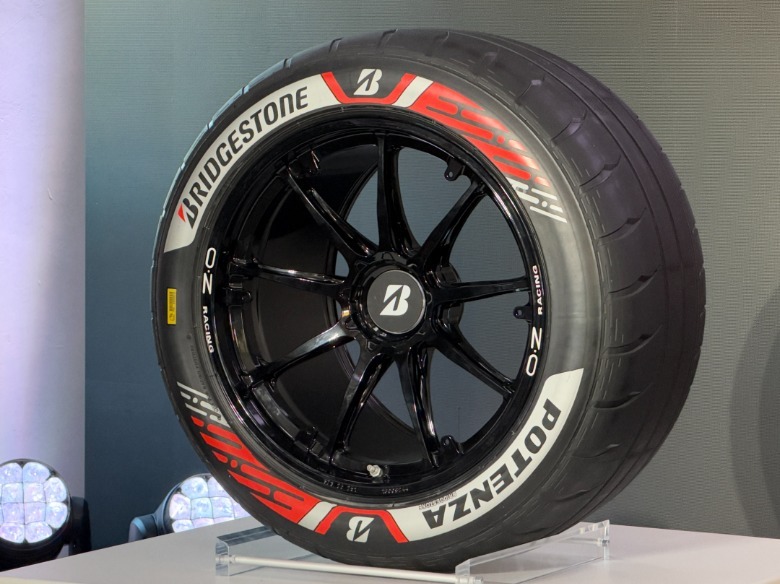
It was not a new passenger car or a futuristic concept vehicle, but a tire. Specifically, it was Bridgestone’s official unveiling of its new tire lineup for the FIA Formula E World Championship.
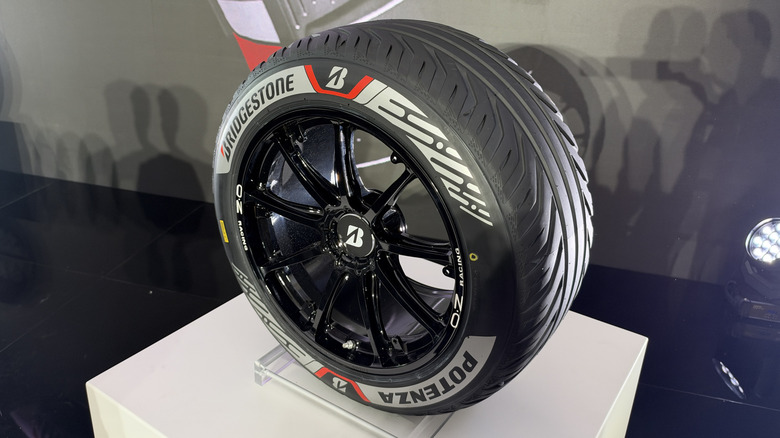
The 95-year-old Japanese tire manufacturer is officially returning to top-tier FIA motorsport after a 16-year absence, stepping in as the sole tire supplier for the 2026/27 season of Formula E. This return marks a monumental chapter for the company, which has been involved from the ground up in the development of the upcoming Gen4 race car. However, the revelation that generated the most immediate excitement among the gathered press was the introduction of the "Typhoon" tire—Formula E’s first-ever dedicated heavy rain tire.
Hiroshi Imai, vice president of motorsport for Bridgestone, described the new partnership as a definitive showcase of advanced technology, focusing equally on high performance and ecological sustainability. Backed by an illustrious racing heritage that includes 242 starts and 175 victories in Formula 1, Bridgestone is approaching its Formula E reentry with meticulous seriousness. That dedication was readily apparent during behind-the-scenes briefings at Bridgestone’s Technical Center Europe, where the championship’s race tires are engineered and manufactured.
Partners From the Start
The incoming Gen4 Formula E car represents a staggering leap forward in performance capabilities. Featuring heavily revised, aggressive aerodynamics, the open-wheel racer boasts a maximum output of 815 horsepower and permanent all-wheel drive. By comparison, previous generations utilized part-time all-wheel drive restricted to qualifying sessions or specific race modes like Attack Mode.
The performance metrics of the Gen4 machine are staggering. It accelerates from zero to 62 miles per hour in a blistering 1.8 seconds, putting it on par with the fastest hypercars on earth and rendering it roughly half a second quicker off the line than a modern Formula 1 car. With a targeted top speed of 208 mph, the car pushed Bridgestone’s engineers to rethink tire design entirely.
James Rossiter, a former professional racing driver and current Formula E development driver, recounted his initial experience behind the wheel of a Gen4 prototype. Speaking to journalists during a roundtable discussion, Rossiter admitted that the car’s extreme velocity caught him off guard initially. He noted that the step forward from the Gen1 car to the Gen4 platform is so vast that it genuinely surpassed anything he could have previously imagined.
Because of this monumental surge in power and grip requirements, Bridgestone had to engineer the new Potenza Gen4 tire completely from scratch, initiating development even before the physical Gen4 chassis existed. Marco Adami, research and development program manager for the project, explained that enormous effort went into ensuring the tires achieve rapid operating temperatures while maintaining consistent grip levels throughout a full race distance. Unlike Formula 1, where tire preservation and frequent pit stops dictate race strategies, Formula E rules prohibit mid-race tire changes. According to Rossiter, the new Potenza Gen4 compound can easily endure well over 100 laps at maximum racing intensity with virtually zero performance degradation, lasting far beyond the demands of a standard ePrix.
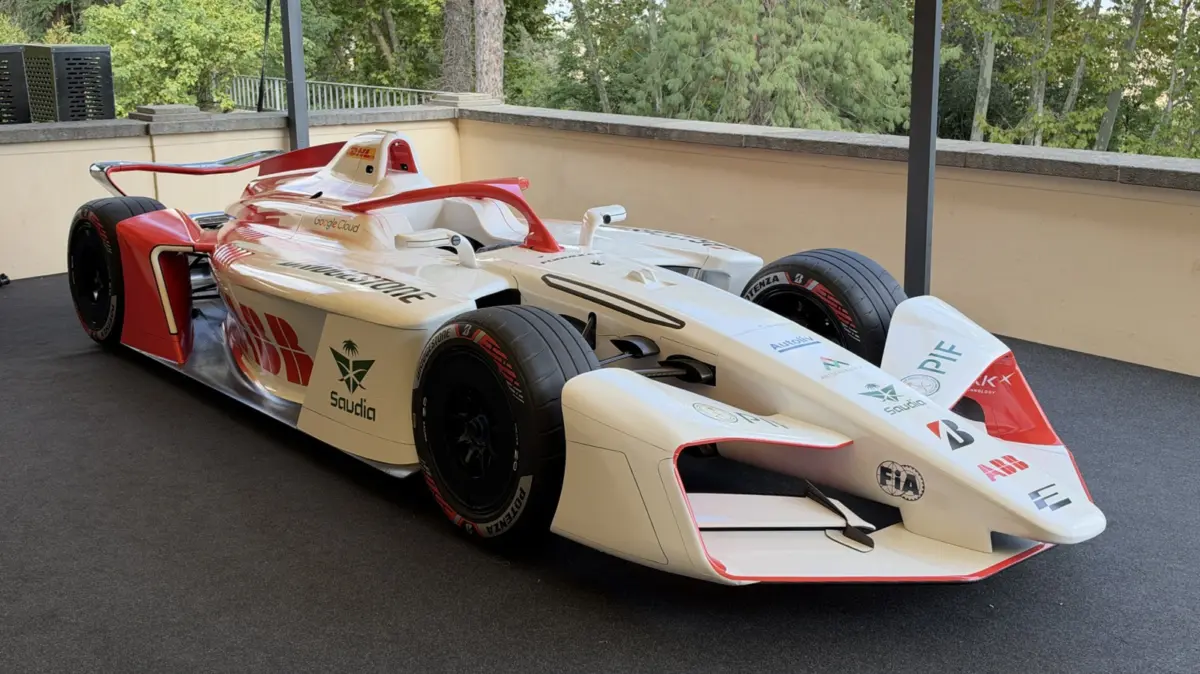
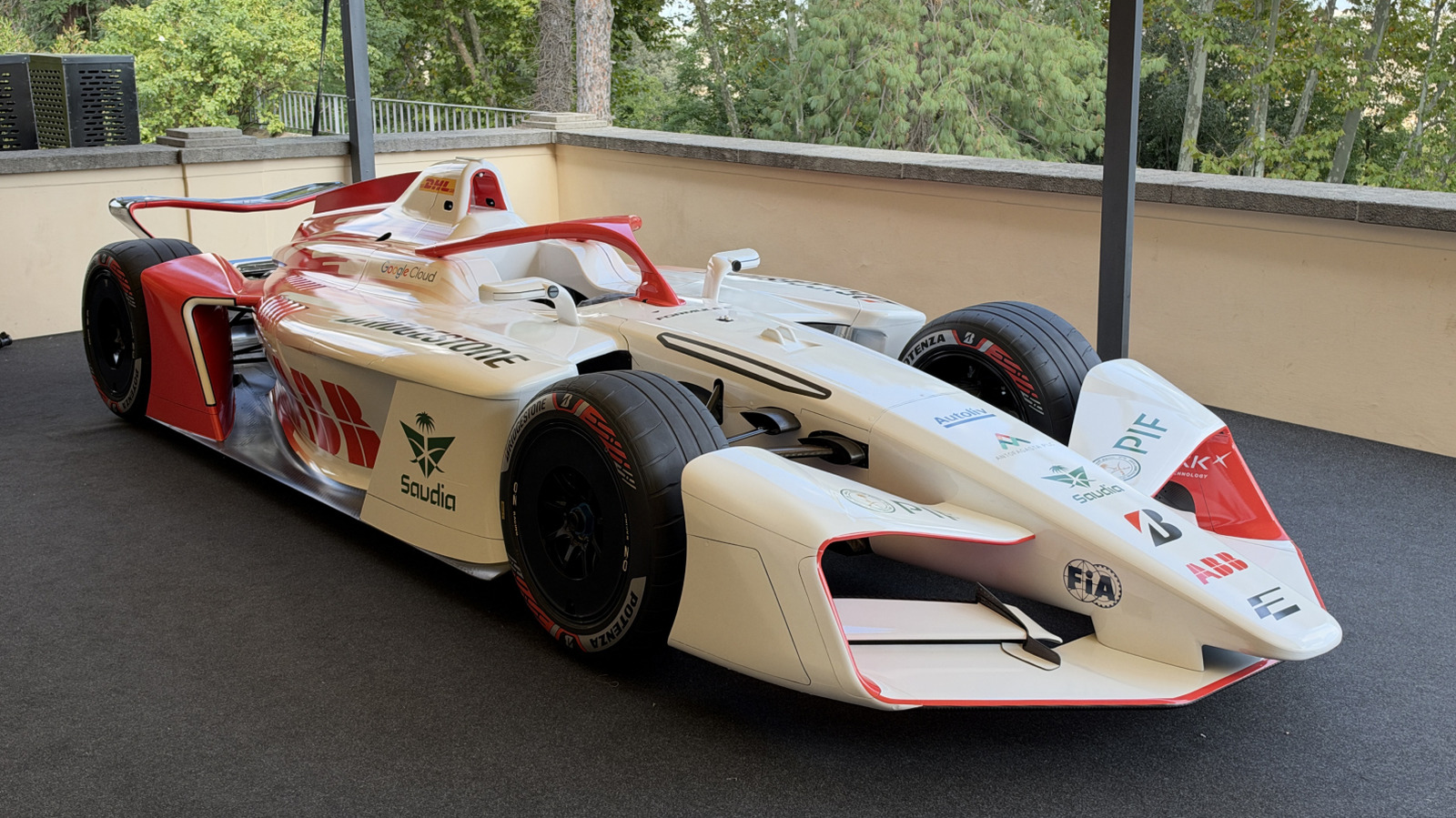
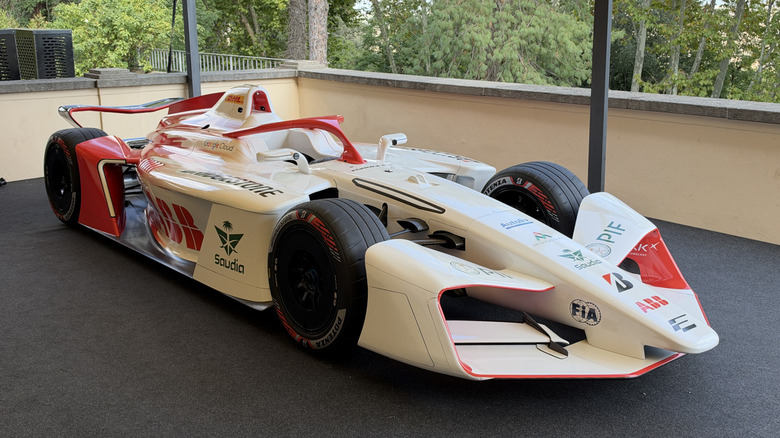
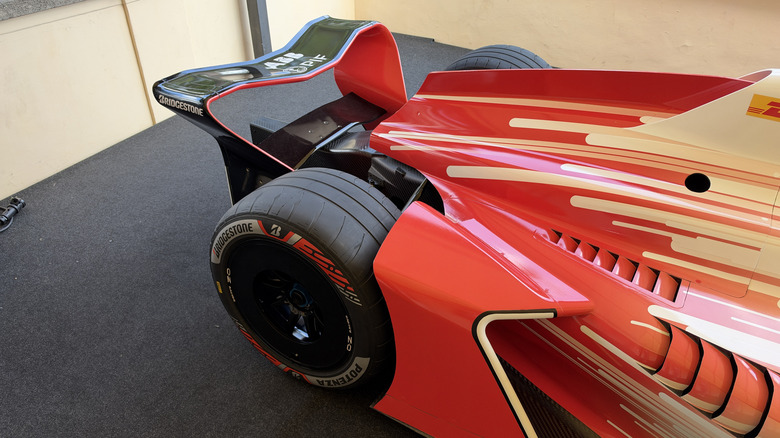
Alongside the technical achievements, Bridgestone Motorsport introduced updated corporate branding and logos, prominently displayed on the sidewalls of the tires and the livery of the showcase race car.
With All the Force of a Great Typhoon
While the standard all-weather tires will handle most racing conditions, the introduction of the specialized "Typhoon" wet-weather tire is arguably the most significant operational shift for the series. Historically, Formula E rarely encountered wet conditions during its early years; the series did not experience its first wet-weather race until Paris in 2019, more than 50 races into its existence. Previously, heavy precipitation routinely forced organizers to delay or cancel sessions. However, shifting global climate patterns and adjustments to the championship calendar have made wet weather a much more frequent reality for the venues Formula E visits.
To ensure the Typhoon tire could handle extreme downpours, Bridgestone subjected the Gen4 car to rigorous testing at a specialized Spanish facility equipped with an integrated track sprinkler system. Engineers flooded the circuit to simulate torrential rain, then monitored performance continuously as the asphalt dried out completely. This testing helped establish precise crossover thresholds, defining the exact moment teams must switch from all-weather compounds to the heavy-rain Typhoon tire. Because wet weather can evolve with unpredictable swiftness on a street circuit, designing a wet tire with a wide operating window was a critical engineering challenge.
Rossiter expressed immense enthusiasm after testing the Gen4 car outfitted with the Typhoon tires in simulated wet conditions. He reported that the grip levels allowed him to drive nearly flat out, braking five to eight meters earlier at 200 mph while still effortlessly hitting the apex. He remarked that the combination of the high-downforce Gen4 chassis and Bridgestone’s wet compound produces performance that feels outside conventional racing reality, going so far as to suggest that a wet-weather-equipped Formula E car could comfortably outpace an equivalently configured Formula 1 car in a severe downpour.
The Circle of Life
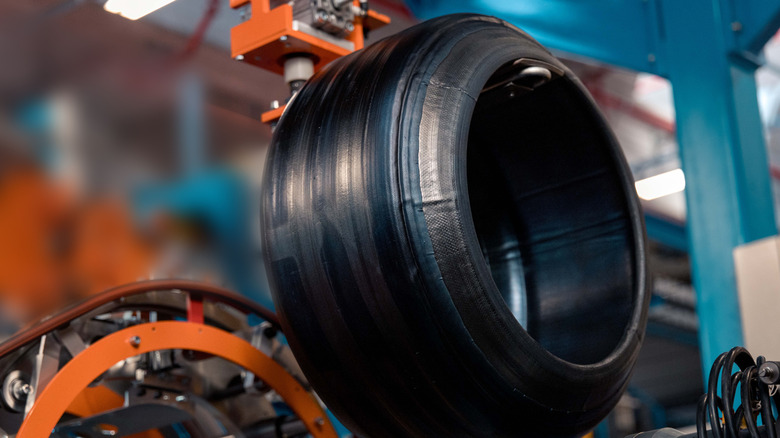
Following the presentation sessions and a lunch hosted at the villa, journalists boarded a fleet of coaches bound for Bridgestone’s European Technical Center, located roughly an hour outside of Rome. Globally, Bridgestone invests heavily in research and development, allocating approximately 800 million euros annually across a network of seven R&D facilities and ten proving grounds. While the Italian technical center already encompassed administrative offices, engineering laboratories, a wind tunnel, and multiple evaluation tracks, a dedicated manufacturing line was established specifically to produce the Formula E race tires.
A walk through the production floor revealed a small, highly skilled workforce operating specialized, brightly colored machinery alongside traditional manual techniques. Workers handled strips of raw rubber compounds with meticulous care as they prepared them for assembly. In alignment with the zero-emissions mandate of the all-electric racing championship, sustainability formed a core pillar of the manufacturing process.
Approximately 65 percent of the materials used in each Formula E tire are derived from recycled or renewable sources. This includes carbon black harvested from end-of-life consumer tires and silica sourced from agricultural rice husks rather than traditional sand mining, which yields a tougher molecular polymer structure. Furthermore, Bridgestone has committed to a closed-loop recycling initiative where spent race tires will be fully reprocessed into raw materials for future racing rubber.
Operational logistics have likewise been structured to minimize environmental impact. Every kilowatt of electricity consumed during the production of the race tires comes from 100 percent renewable energy sources. Eschewing the conventional motorsport practice of air-freighting equipment around the globe, Bridgestone utilizes ocean freight to transport the tires between continents. While this maritime strategy requires strict adherence to advance scheduling and eliminates last-minute manufacturing adjustments, it is supported by secondary production at Bridgestone’s Japanese manufacturing facility, which services races in Asia, the Middle East, and the Americas. Additionally, Bridgestone limits production strictly to the exact number of tires required for each event, eliminating unnecessary surplus waste.
The First Race Is in Two Months
The factory tour concluded with a demonstration of Bridgestone’s advanced "driver-in-the-loop" simulator. The system mounts the actual front cockpit section of a race car atop a complex multi-axis motion platform, positioned in front of a wraparound panoramic screen displaying a virtual racing circuit. As a test engineer operates the controls, the rig tilts and accelerates rapidly across a five-meter range of motion to replicate lateral and longitudinal G-forces. Observers watched from an adjacent control room lined with monitors tracking detailed vehicle telemetry and real-time simulator video feeds.
The debut of the Gen4 race car and its new Bridgestone tire range is scheduled for December 18 and 19, when the 2026/27 Formula E season opens with a double-header at the Jeddah ePrix in Saudi Arabia. The calendar will then move to Mexico City on January 16, Austin on February 6, and Miami on February 20, followed by a demanding schedule of 16 subsequent rounds culminating in a season-closing double-header in Tokyo on July 24 and 25, 2027.
With the advent of the high-performance Gen4 platform and the specialized Typhoon wet-weather tire, the upcoming Formula E season promises intense on-track action. Should conditions turn adverse during any of the championship’s global rounds, drivers and fans alike may find themselves looking forward to the rain.