As the rather oversimplified adage goes, your reputation is all you have. Though that sentiment might not always apply neatly to individuals, it holds profound relevance when discussing businesses, and particularly automotive manufacturers. Car buyers want reassurance that they are making a sound financial and practical investment. Because purchasing a vehicle represents one of the largest financial commitments most people will make in a lifetime, brand reputation matters immensely.
Automakers frequently find themselves forced to pivot their corporate and engineering strategies in order to keep pace with an ever-changing global marketplace. Sometimes, survival and growth require breaking into completely uncharted territory, abandoning decades of institutional habits, and building something that shocks both loyal consumers and industry critics alike. This phenomenon raises a fascinating question for automotive enthusiasts and historians: What car was truly the biggest departure for its maker?
Every major automaker has built a distinct identity over decades of production. Mercedes-Benz is traditionally known in the United States and global markets as a purveyor of uncompromising luxury and technological advancement. Mini carved out its enduring legacy by building exceptionally small, efficient, and clever city cars. Toyota earned its worldwide following by manufacturing sensible, highly reliable, and dependable cars, trucks, and utility vehicles. Mazda established a reputation for building affordable vehicles that emphasize driving dynamics and driver engagement, often styled as the everyday enthusiast’s choice. Meanwhile, Subaru built a fiercely loyal following on the back of quirky, highly capable all-wheel-drive vehicles designed for outdoor lifestyles and adverse weather conditions, just to name a few prominent examples.
Yet, almost all of these established manufacturers have, at one point or another, released a vehicle that seems to represent a total 180-degree shift from the rest of their corporate fleet. These are the kinds of paradigm-shifting machines that defy expectations, rewrite corporate design language, and challenge the very core of what a brand represents.
I Think the Dodge Viper Was the Biggest Departure for Its Maker
Dodge has a long, storied, and proud history of manufacturing massive American muscle cars powered by even more massive V8 engines tucked deep under long, aggressive hoods. From the legendary chargers and challengers of the golden muscle car era to powerful modern iterations, the brand’s identity was fundamentally built on accessible, straight-line American power and traditional rear-wheel-drive layouts.
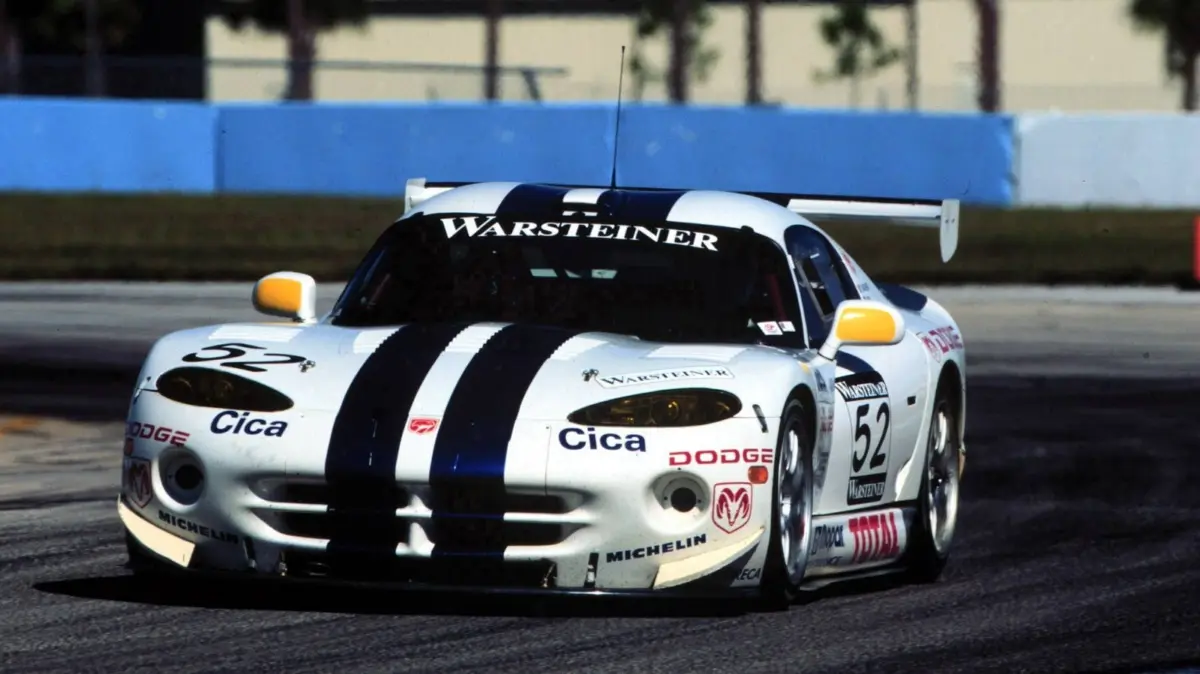
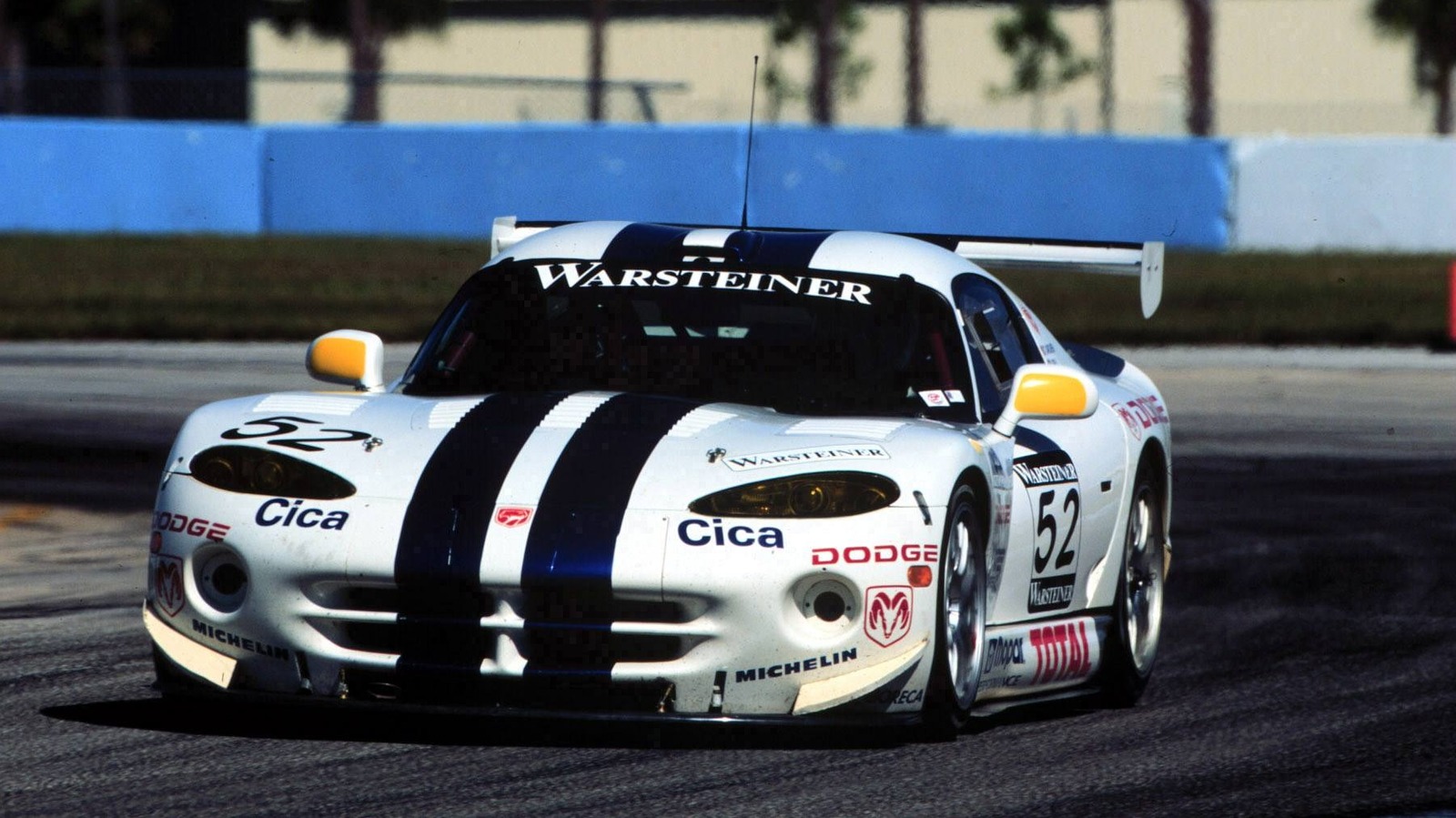
Given this deeply ingrained heritage, releasing a dedicated, wildly untamed, V10-powered, two-seat supercar was a drastically different undertaking. At the time of its development, Chrysler Corporation was still riding high on the raging, mainstream commercial success of its groundbreaking minivan—a vehicle that practically invented the modern family transport segment—alongside its economical K-Car era. Despite being anchored by practical, high-volume family vehicles, Dodge dove head-first into the unforgiving world of high-end sports cars with the Viper. The company went so far as to take the ambitious platform straight to the legendary 24 Hours of Le Mans just two years after its official commercial introduction in 1992.
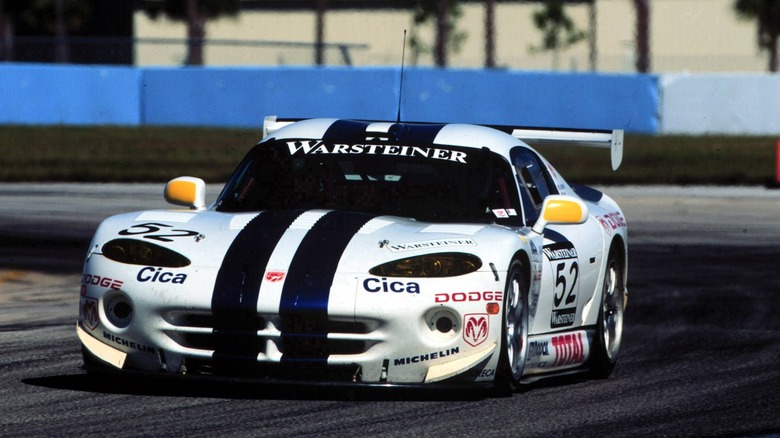
Though the Viper still retained a heaping helping of traditional Mopar muscle under its elongated hood, its entire purpose and execution represented a massive digression for a mainstream American brand known primarily for volume and affordability. The car soldiered on through a handful of successive generations over the course of more than two decades, but it never strayed far from that first Viper’s uncompromising, raw ethos. In doing so, it cemented its status as an undisputed automotive legend.
Looking back, it is hard to deny the profound impact of the project. As much as many purists might hate to admit it, Dodge likely pulled the plug on the Viper at the right time. The rapidly changing automotive landscape, combined with increasingly strict safety and environmental regulations, would have inevitably resulted in a very different kind of snake if production had continued into the modern era. As it stands, the Viper went out of production precisely as the raw, maniacal, V10-laden supercar that it was when it first came into the world. There is considerable value in a car that stays true to its violent, uncompromising roots from inception to final send-off.
The Dodge Viper stands as a remarkable monument to a time when a mainstream manufacturer could take an enormous corporate gamble and build something entirely outside of its comfort zone. But it is far from the only example of an automaker breaking its own mold. As the automotive industry continues to evolve, the question remains open for debate across eras and brands: What car do you think was the biggest departure for its maker?