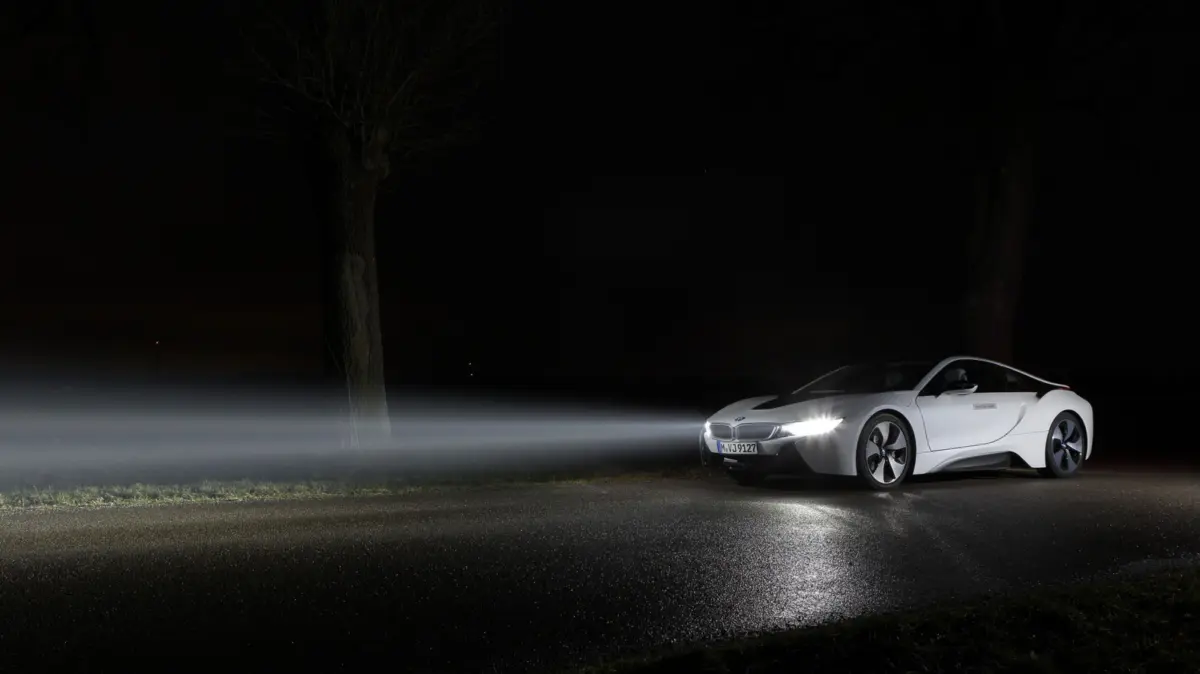
The U.S. National Highway Traffic Safety Administration establishes regulations for virtually everything on all cars sold in the country, but NHTSA is not known for being especially progressive or proactive with its legislation. For decades, American drivers have looked across the Atlantic and wondered why vehicles sold in North America lagged behind the rest of the world when it came to illumination technology. Ever notice how U.S.-market cars of the early 1980s had uglier, less integrated headlights than the same car had in different markets? That was due to an outdated NHTSA regulation requiring sealed-beam headlights. Even today, still-outdated NHTSA headlight regulations prohibit carmakers from selling us their most advanced headlight technologies, including crucial safety-oriented features like adaptive matrix lights that actively avoid blinding oncoming and preceding drivers.
To tackle these persistent issues, NHTSA announced on Monday that it will be working closely with industry experts and key stakeholders to address these concerns and finally bring American automotive lighting standards into the modern era—for real this time.
Federal Motor Vehicle Safety Standard No. 108 is the primary rule that governs vehicle lighting in the United States, dictating everything from headlamp placement and output to reflector design and side marker requirements. Though NHTSA last amended the lighting standard in 2022 following a congressional mandate buried within infrastructure legislation, that revision ultimately proved insufficient. Because the previous update failed to fully harmonize U.S. rules with global standards, it did not result in the widespread adoption of adaptive driving beams that drivers in Europe and other regions had enjoyed for years. By actively collaborating with 18 different vehicle lighting manufacturers, safety organizations, motor vehicle equipment associations, research institutions, and engineering associations, NHTSA wants this new revision to be the one that finally sticks and transforms the American driving landscape.
It could be the first meaningful update to the rules in 25 years
The scope of this collaborative effort is broad, aiming to overhaul regulations that have largely remained stagnant for a quarter of a century. NHTSA Administrator Jonathan Morrison addressed the urgency of the initiative during the announcement, stating, "Today’s standards do not allow automakers to deploy the latest safety-improving lighting technologies, so we are bringing key experts and stakeholders together to modernize our standards and address potential causes of glare."
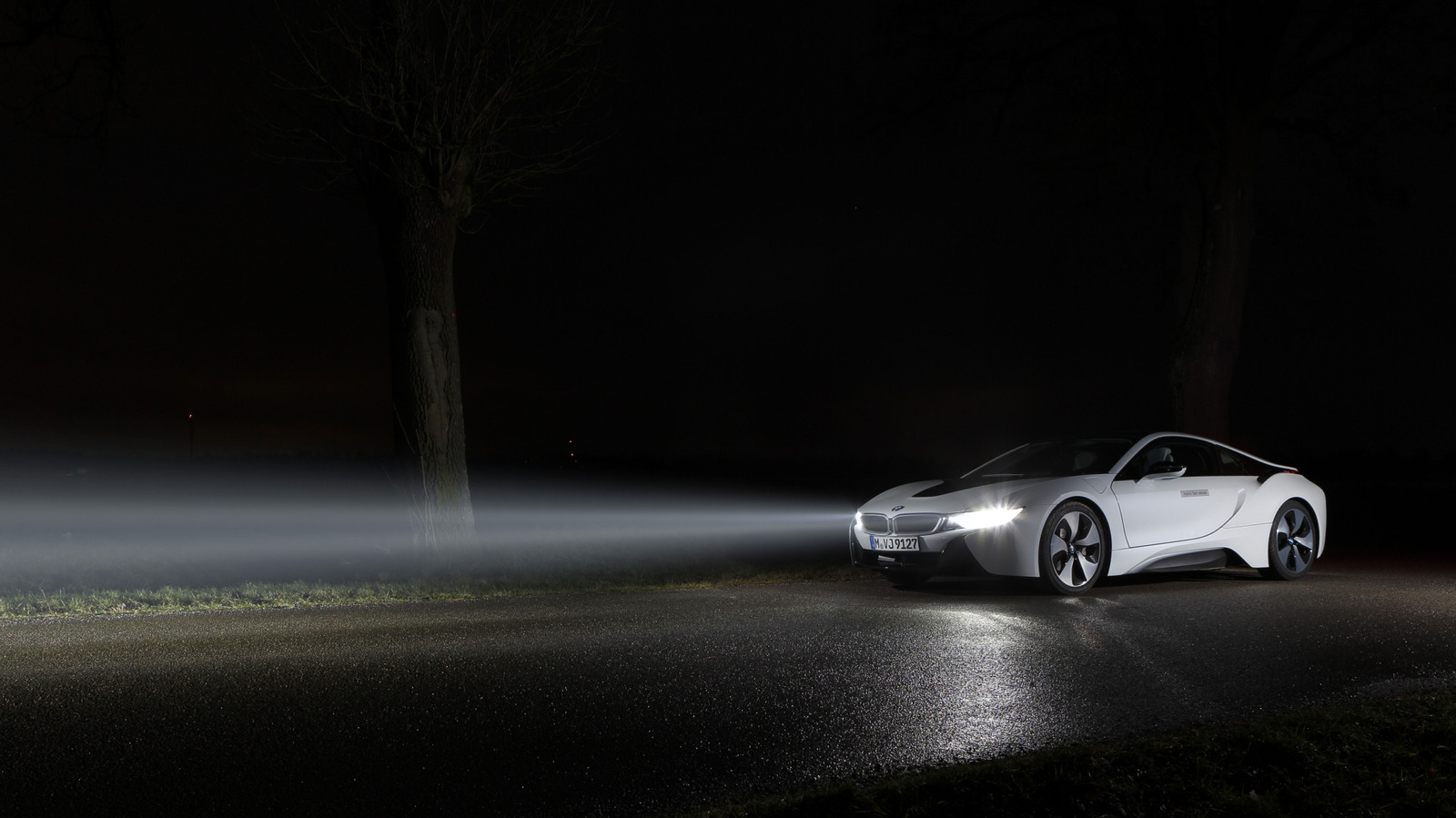
There are five key areas that this comprehensive update will focus on: aligning U.S. regulations with international safety standards, addressing headlight glare on other road users, improving overall illumination performance, updating testing procedures and material specifications, and modernizing lighting technology with forward-thinking rules for LEDs, dusk sensors, automatic high beams, and replaceable light sources.
For years, the debate surrounding automotive lighting in America has centered on a frustrating paradox. On one hand, U.S. regulations have kept advanced, safety-enhancing technologies off the market, forcing automakers to disable or omit features like high-definition adaptive matrix headlights that can carve out dark spaces around other vehicles while keeping the rest of the road brightly lit. On the other hand, the absence of smart, adaptive systems combined with the rising popularity of tall crossovers and SUVs has meant that American roads are increasingly plagued by excessive, blinding headlight glare from poorly aimed or overly bright standard LED and high-intensity discharge headlights.
Hopefully, these ongoing negotiations and technical evaluations will allow the headlights on new cars to be significantly more effective, inherently safer, and substantially less blinding to other motorists sharing the road.
Beyond safety and visibility, the update also promises to address mounting consumer complaints regarding repairability and maintenance costs. As of now, the design of most modern LED headlights and taillights requires the entire housing unit to be replaced when a single component or diode goes out. This design flaw frequently costs vehicle owners thousands of dollars out of pocket for what used to be a simple, inexpensive bulb replacement.
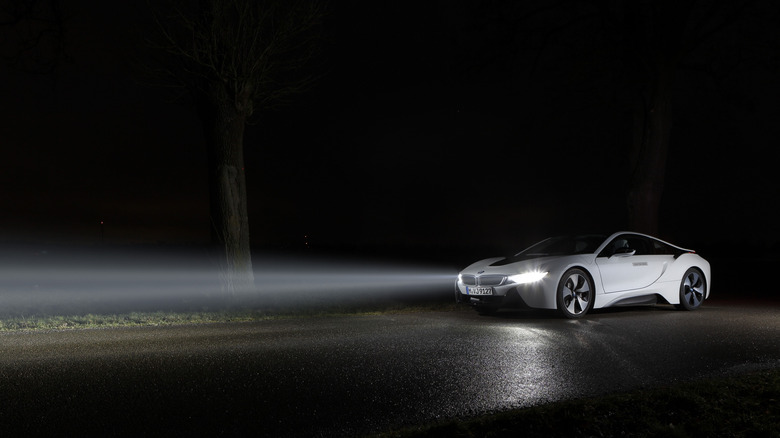
The specific line item dedicated to updating testing and materials includes a crucial provision for streamlining test procedures for plastic optics and replaceable lenses. Furthermore, there is a distinct note regarding the use of replaceable light sources. This inclusion suggests that future regulations governing the component replacement process of modern headlights could make maintenance far cheaper and more practical for everyday vehicle owners, reducing electronic waste and easing financial burdens.
As of now, this recent announcement represents the formal decision by the agency to undertake the much-needed revision in partnership with industry experts and safety advocates, meaning no immediate regulatory changes have been codified just yet. The rulemaking process will take time as stakeholders review data, conduct testing, and draft proposed rules.
Despite the current regulatory bottleneck, some automakers have recently managed to begin navigating the complex approval process to bring slightly more advanced lighting technology to American shores. Notable examples include the sophisticated lighting elements seen on vehicles like the newly redesigned Audi Q7. However, until Federal Motor Vehicle Safety Standard No. 108 undergoes a comprehensive and permanent modernization, the full spectrum of global automotive lighting innovation will remain restricted for drivers in the United States.