The rapid rise of GLP-1 receptor agonists—a class of medications that includes blockbuster drugs like Ozempic, Wegovy, Mounjaro, Zepbound, Victoza, and Trulicity—has fundamentally changed the landscape of obesity and type 2 diabetes management. By mimicking hormones that regulate blood sugar and appetite, these therapies have become essential tools for millions seeking to improve their metabolic health. However, as these drugs reach unprecedented levels of global adoption, researchers are beginning to scrutinize the physiological "side effects" that extend beyond the metabolic system. A groundbreaking multinational study presented at the European Academy of Dermatology and Venereology (EADV) Congress 2026 has now shed light on an unexpected consequence: a significant association between these medications and a range of nail, hair, and scalp disorders.
For the first time, a controlled study has investigated the connection between GLP-1 therapy and dermatological changes. The findings, which suggest that users of these medications are more than four times as likely to experience nail detachment—a condition medically known as onycholysis—have opened a new dialogue about the holistic impact of these drugs. While the medications are celebrated for their efficacy in weight reduction and glucose control, this research underscores the complexity of human biology and the importance of monitoring how systemic hormone-modulating treatments affect the body’s peripheral structures.
Investigating the Nail Health Connection
The study, which drew from a diverse cohort of 575 GLP-1 users and 1,329 control participants from the United States, France, Brazil, and Mexico, sought to move past the realm of anecdotal evidence. Historically, clinicians have relied on scattered reports from individual patients experiencing adverse reactions; this new data provides a more structured look at the prevalence of these issues.
The data revealed that nail disorders are surprisingly common among those in the treatment group. Overall, 66% of individuals taking GLP-1 medications reported at least one nail-related issue, compared to 53% in the control group—a cohort composed of individuals with obesity or type 2 diabetes who had never used these specific drugs. When researchers delved into specific symptoms, the discrepancies became even more pronounced. Nail discoloration, for instance, affected 46% of GLP-1 users, compared to only 17% of nonusers.
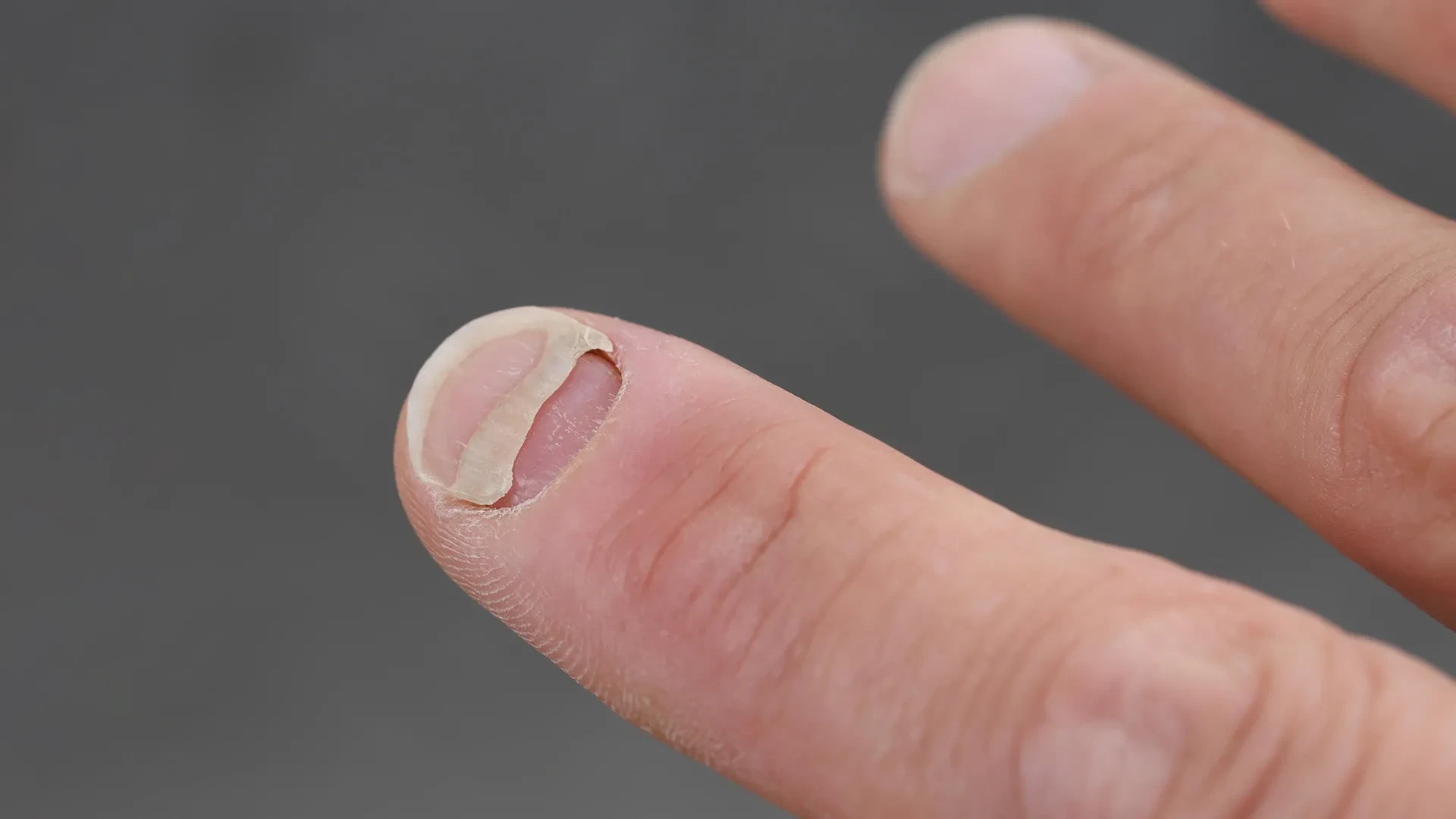
Perhaps most striking was the frequency of nail detachment. The study found that 39% of GLP-1 users reported their nails separating from the skin underneath, a rate more than four times higher than the 9% reported by the control group. These findings represent a significant departure from common expectations regarding medication side effects, which typically center on gastrointestinal distress rather than external physical changes.
Disentangling Weight Loss from Medication Effects
A primary challenge in this research was determining whether the observed nail changes were direct pharmacological effects of the GLP-1 drugs or simply secondary symptoms of rapid weight loss. It is well-documented that significant, sudden shifts in body weight can impact nutritional status, protein intake, and other physiological processes, all of which are critical for the health of hair, skin, and nails.
To address this, researchers performed a granular analysis, isolating participants who had experienced weight loss to see if the disparity persisted. The results suggested that weight loss alone could not account for the findings. Even within the subset of participants who had lost weight, those on GLP-1 therapies still reported significantly higher incidences of nail problems than those who achieved weight loss through other means.
Dr. Charles Taïeb, a lead author of the study, noted that while the association is clear, it does not necessarily imply a direct cause-and-effect relationship. "Until now, nail changes associated with GLP-1 therapies had essentially been anecdotal," Dr. Taïeb remarked. "Our findings show a clear association, but they also underline an important point: not everything that happens during GLP-1 treatment is necessarily caused by the treatment itself."
It is important to note that the study did not conclude that the drugs are the sole cause of these disorders. In fact, approximately half of the medication users reported having experienced nail issues prior to initiating their treatment. Even after researchers adjusted for pre-existing skin conditions and potential nutritional deficiencies, the prevalence of nail detachment and discoloration remained two to three times higher in the medication group, suggesting a complex interplay between the drug’s mechanism and the patient’s underlying health profile.
Hair Loss and Scalp Inflammation: A Broader Trend
The scope of the research extended beyond the hands, revealing that the "unexpected" dermatological impacts of GLP-1s also manifest on the scalp. A companion study, which tracked the same group of participants, identified patterns in hair loss and density that diverged sharply from the control group.
Half of the GLP-1 users (50%) reported unusual hair loss, compared to 34% of the non-medicated group. Furthermore, 42% of users reported a reduction in hair volume or density, whereas only 19% of the control group noted similar changes. When focusing specifically on hair loss that began after the initiation of treatment, the disparity remained, with 26% of GLP-1 users reporting this phenomenon compared to just 12% of the control group.
Perhaps more revealing than the hair loss itself was the presence of concurrent symptoms. Scalp redness was found to be three times more common in the GLP-1 cohort. Most notably, researchers found that hair loss rarely occurred in isolation; it was almost always accompanied by symptoms such as itching, redness, or flaking skin.
Dr. Bruno Halioua, an author of the companion study, suggested that these findings point toward an inflammatory component. "This suggests that what is happening on the scalp may go beyond the classical shedding seen after rapid weight loss and involve an inflammatory component," Dr. Halioua explained. "Scalp inflammation was the rule rather than the exception, which clinicians do not currently look for and which may be treatable. Taken together, our findings suggest that factors beyond weight loss alone may contribute to the hair, scalp and nail changes observed among GLP-1 users."
Clinical Implications and Future Research
For the millions of patients currently using GLP-1 medications, these findings are a call for heightened awareness rather than a cause for alarm. The researchers were careful to emphasize that the reported symptoms, while frequent, are generally considered benign. They strongly discouraged patients from discontinuing their medication regimen on their own initiative. Given that these drugs are often used to manage chronic, life-altering conditions like type 2 diabetes, the benefits of the treatment generally outweigh the aesthetic or minor discomforts associated with nail and hair changes.
However, the study serves as a valuable reminder for both patients and clinicians. Patients who observe changes in their hair, scalp, or nails should bring these concerns to their healthcare provider. By doing so, they may be able to access treatments for the inflammatory component of these symptoms, potentially improving their quality of life while continuing their metabolic health journey.
The research does carry inherent limitations. As cross-sectional studies, these investigations provided a snapshot of the participants’ experiences at a single point in time, rather than tracking their progress over the course of their treatment. Furthermore, the findings were based on self-reported symptoms rather than standardized clinical examinations.
To bridge these gaps, the research team is already planning future prospective studies. These upcoming investigations aim to follow patients from the very start of their medication journey, incorporating standardized skin, hair, and nail evaluations, as well as biological monitoring. The ultimate goal is to identify the precise mechanisms at play, determine if these symptoms follow a specific timeline, and establish whether they resolve as the body adjusts to the therapy.
This research, which received institutional support from DUCRAY Laboratories (a division of the Pierre Fabre Group), highlights the evolving nature of medical science as it relates to new, high-impact therapeutics. As GLP-1 agonists continue to be prescribed globally, ongoing vigilance and rigorous scientific inquiry will be essential to ensure that patients receive comprehensive care that addresses not only their metabolic health but their overall well-being. For now, the takeaway is clear: as our understanding of these transformative drugs grows, so too does our awareness of the nuanced, often surprising ways they interact with the human body.