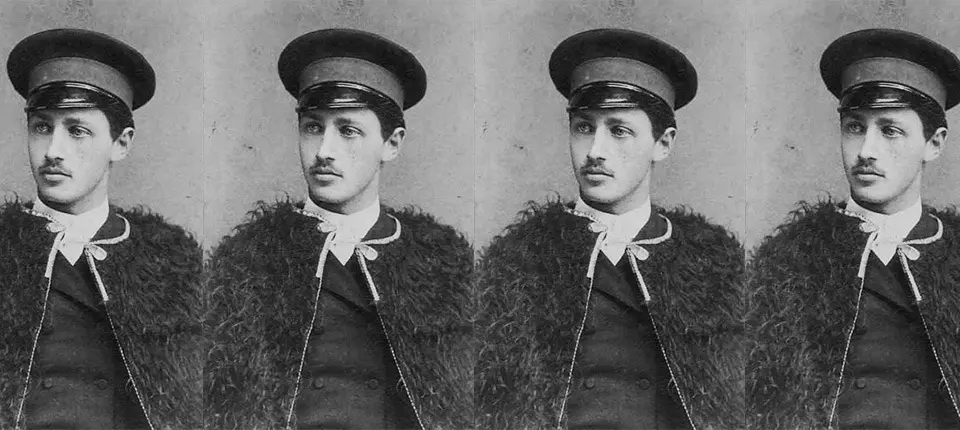
As the literary world navigates an increasingly digital and automated landscape, conversations surrounding the preservation of human creativity, historical legacy, and the sheer resilience of storytelling take center stage this week. Looking back at the literary calendar, today marks the birth anniversary of Nobel Prize-winning Russian author Ivan Bunin, born in 1870, whose masterworks of prose continue to inspire discussions on the depth of human observation. From the ongoing debates surrounding artificial intelligence to urgent dispatches on global politics, censorship, and personal essay craft, the digital literary ecosystem offers a profound look at the state of letters today.
In the age of artificial intelligence, writers and critics are increasingly grappling with what makes human art irreplaceable. A prominent discussion on Literary Hub explores how, despite rapid technological advancements, the writer’s soul remains the singular element that algorithms and machine learning cannot replicate. This existential inquiry into creativity parallels discussions on how contemporary authors navigate modern identity, language, and culture. Among these vital cultural dialogues is an examination of the shifting and evolving language surrounding Latinx identity in literature, highlighting how writers continuously redefine the lexicon of their lived experiences to better capture nuance and community.
Historical legacies and the preservation of literary giants also command significant attention this week. Scholars and critics are revisiting the profound impact of feminist activist Robin Morgan on the enduring legacy of Sylvia Plath. Through deep dives into Plath’s relationship with mortality, life-death cycles remain a central motif examined in her timeless body of work. Complementing these archival explorations, Mabel Capability Taylor offers a fresh look at Ettie Stettheimer’s century-old novel Love Days, shining a light on an unsung work from a brilliant and intellectually vibrant New York family.
Craft, form, and personal vulnerability continue to drive some of the most compelling essays published online. Readers are treated to a diverse array of perspectives on the writing life, ranging from the practical to the deeply existential. Barbara Kingsolver recently shared the physical reality behind her creative process, explaining the unique mechanics of why she writes standing up. Meanwhile, Lydia Millet sits down with Jane Ciabattari to discuss the intricate architecture required to write a double novel centered on grief and loss. Writing as a mechanism for survival and coping is further explored through personal essays detailing how navigating the grueling demands of academia helped authors process terrible personal loss, while Nafissa Thompson-Spires reflects on how a bizarre, life-altering lightning strike fundamentally altered her identity and bled into her fictional characters.
Other reflections on craft touch on the boundaries of genre and imagination. Adam Wilson explores the delicate balance between plot and concept, offering sharp notes on craft while maintaining his humorous vow never to write a New York Falls or Yankees fan into his fiction. Deesha Philyaw examines the crucial literary mechanics of raising the stakes in fiction to transform a narrative from a dull draft into a delicious piece of storytelling. Poets and cross-genre writers are also making their voices heard; an Anishinaabe poet reflects on the unique challenges and triumphs of navigating a predominantly fiction-driven literary world, while Patricia Lockwood offers readers a striking and unconventional poem titled "Sensual Songs for Eight-Year-Olds."
Poetics and the limitations of language are further scrutinized in broader cultural and socio-political essays. Writers are investigating trans poetics and the inherent failures of language to fully capture transgender becoming and identity. These linguistic struggles intersect with global political anxieties, as essayists analyze what Brazil’s turbulent political convulsions reveal about the rise of the global far-right, drawing chilling historical parallels between Adolf Hitler’s 1933 electoral victory and contemporary democratic decay, including the 2026 American midterms.
The cost of war and systemic violence remains a heavy and pervasive theme across recent literary commentary. Oleksandr Mykhed writes poignantly about writing in times of war, detailing the devastating loss of Ukrainian books and libraries to Russian bombs. Similarly, critics examine America’s deportation machinery, framing the domestic bureaucracy as an undocumented war driven by structural violence. On a more historical and artistic note, essays trace the fascinating, decades-long friendship between political theorist Hannah Arendt and writer Mary McCarthy, as well as a brief, colorful history of iconic women spies immortalized in comic books.
Beyond political commentary, travel, place, and historical memory offer moments of intimacy and rediscovery. Paul Theroux provides a surprisingly intimate and observant visit to Toronto, capturing the city’s quiet complexities. In the realm of non-fiction and cultural history, critics explore the confident, commanding stage presence of Whitney Houston during her unforgettable performance at Super Bowl XXV. Archivists and historians are also celebrating unsung heroes of literacy, such as the dedicated army librarian who brought the joy of reading directly to the front lines during World War II, and the vibrant literary gatherings found inside the Frankfurt Book Fair, highlighted by the Heinrich Maria Ledig Rowohlt translation prize dinner.
Readers seeking current reading material can browse the Independent Press Top 40 Bestsellers lists for both fiction and nonfiction, alongside a curated roundup of five essential book reviews to read this week. Additionally, publishers and critics are highlighting the delicate, foundational role of the editor in shaping the intimate relationship that forms between a reader and a writer, a sentiment echoed in Jean Echenoz’s reflections on his enduring relationship with publisher Jérôme Lindon. From exploring the complex, often estranging dynamics of queer family recognition to reading Alice Elliott Dark’s reflective new afterword for her acclaimed short story "In the Gloaming," the literary internet continues to serve as a vital repository for empathy, historical reckoning, and artistic survival.