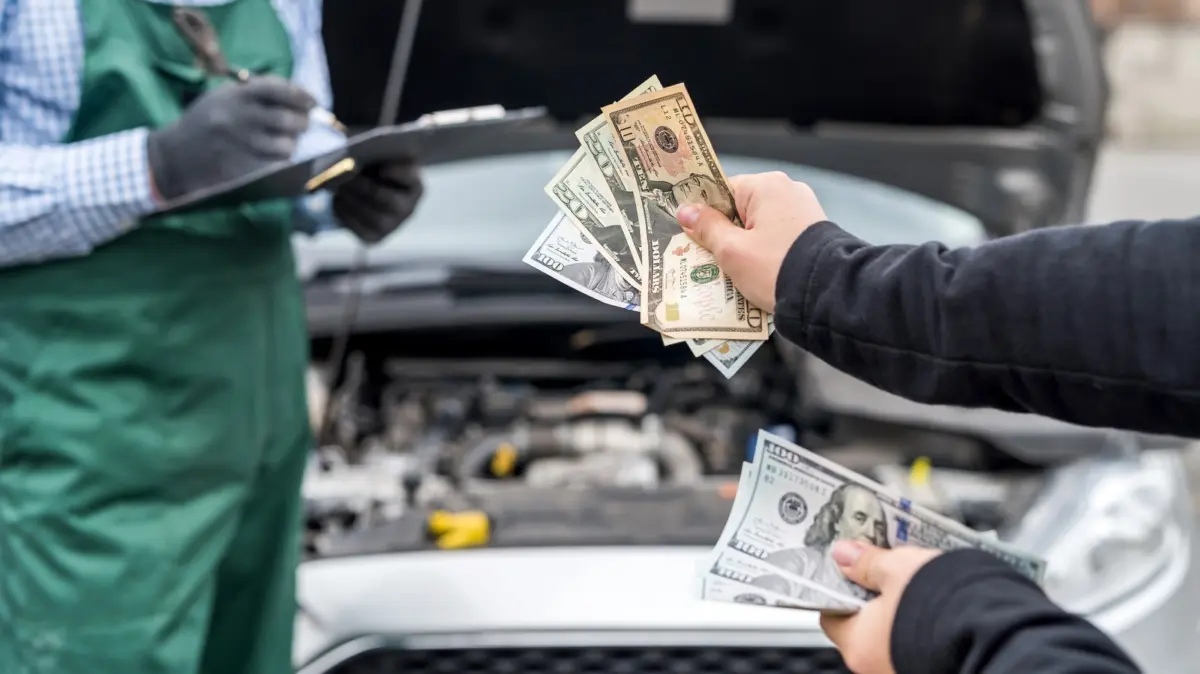
Everyday expenses have climbed noticeably over recent years, stretching household budgets to their absolute limits. While consumers are well aware that the prices of fuel, utilities, and groceries have soared—with the reasons behind spiking fuel costs frequently dominating headlines—another financial drain has grown quietly in the background. Keeping a vehicle on the road has become remarkably more expensive, outpacing broader economic trends by a staggering margin.
According to a report by the St. Louis Federal Reserve, the cost of car repairs and maintenance has skyrocketed by 60 percent since January 2019. Over that exact same period, overall inflation has risen by roughly 32 percent. This means that automotive repair inflation is running at nearly twice the rate of the general consumer price index, leaving motorists facing an unexpected and punishing financial burden every time their vehicle needs attention.
Car dealerships naturally shoulder a portion of the blame for this trend. Dealership service centers traditionally charge significantly higher labor rates and parts markups compared to independent mechanics, operating under a business model that many consumers view with skepticism. However, independent repair shops are also jacking up their rates out of sheer necessity. The rising costs are not driven by greedy local mechanics, but rather by profound shifts in how modern automobiles are built, diagnosed, and repaired.
A visit to Emil’s All-Tire in Brooklyn, New York, highlights the root causes of these inflating bills. Shop owner Ralph Czeisler recently detailed to CNBC the hidden technological hurdles that accompany routine maintenance. During a standard oil change on certain modern luxury vehicles—a service that would normally cost around $400—Czeisler noted that technicians are often required to interface with specialized digital systems just to reset the dashboard oil change indicator light.
Simply popping the hood and manually clearing the warning light is no longer an option on many contemporary vehicles. Accessing the necessary software to communicate with the car’s onboard computer adds an immediate $75 surcharge to the service. Mechanics must pay for data downloads to update their own diagnostic computers and upload instructions to the customer’s vehicle computer just to clear a simple maintenance light. If this digital handshake does not happen, the warning light will remain illuminated indefinitely. The shop absorbs these software fees, which ultimately means the consumer pays more, creating a frustrating cycle for both repair technicians and vehicle owners alike.
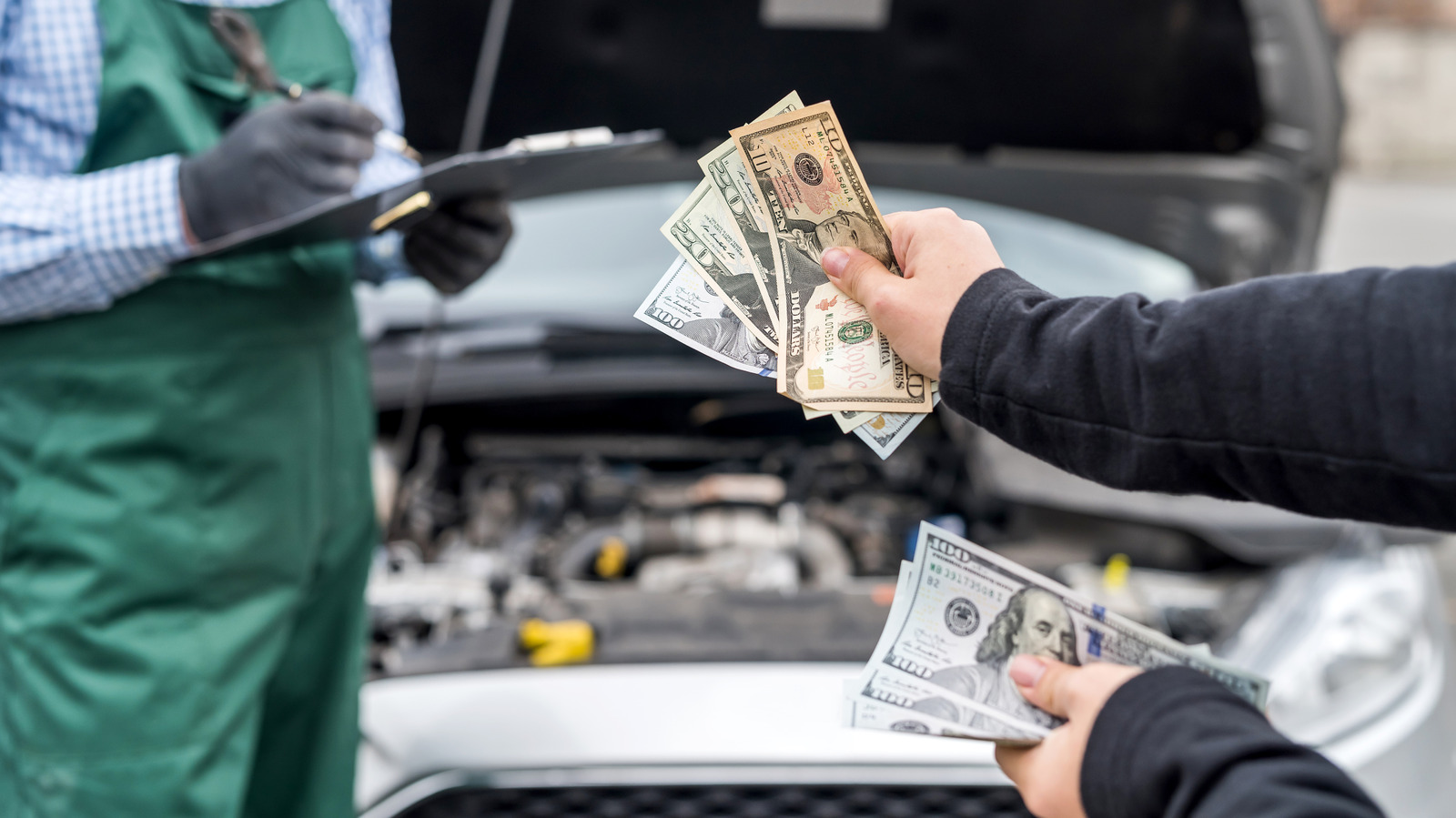
As contemporary culture and political figures alike have increasingly observed, modern automobiles are no longer purely mechanical machines; they are essentially rolling computers packed with countless microprocessors, sensors, and electronic control units. Diagnosing even a minor mechanical fault or performing basic preventative maintenance now requires specialized hardware, proprietary software licenses, and advanced digital integration.
The More Complex, The More Expensive
Automakers are not deliberately engineering vehicles to be overly complicated out of spite. Consumer demand and evolving safety standards have driven the widespread adoption of advanced driver assistance systems, commonly known as ADAS. These features rely on a sophisticated array of cameras, radar units, and ultrasonic sensors to monitor the vehicle’s surroundings, lane markings, and potential road hazards.
While these technologies have undoubtedly improved vehicle safety, they have also fundamentally transformed the nature of collision and body repair. According to data from AAA cited by CNBC, the inclusion of ADAS technology can increase the total cost of a standard collision repair by over 36 percent.
The financial ripple effects extend far beyond major accident repairs. Consider something as routine as a windshield replacement. A straightforward windshield swap that might have cost a couple of hundred dollars on an older, utility-focused vehicle can easily approach or exceed $1,000 for a modern passenger van or family crossover equipped with basic driver aids like automatic high beams or rain-sensing wipers. While the physical size of modern automotive glass contributes to the expense, a substantial portion of the bill is driven by the precise recalibration required for the cameras and sensors mounted directly behind the glass.
For independent auto repair shops, keeping pace with this technological evolution requires a massive capital investment. Servicing a diverse fleet of vehicles—ranging from American pickups to European luxury sedans and Asian imports—means a shop cannot rely on a single diagnostic tool. Technicians often need multiple computer systems, and in some cases, brand-specific diagnostic hardware to properly communicate with different manufacturers’ architectures.
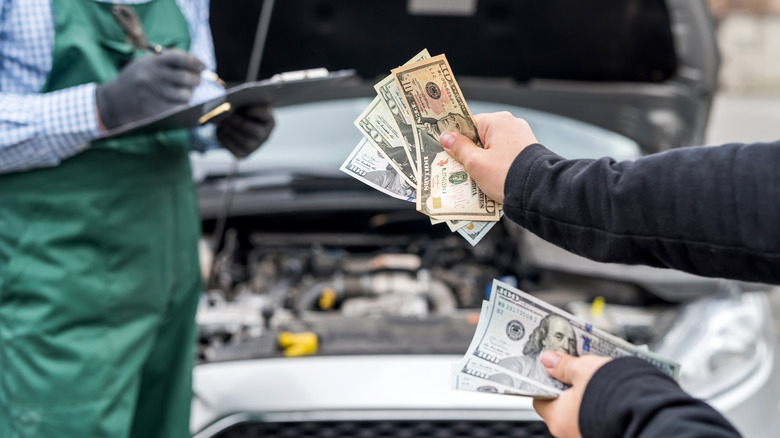
Furthermore, these diagnostic systems are not a one-time purchase. They require frequent software updates to incorporate new vehicle models and account for rolling firmware updates issued by automakers for existing cars. This operational reality binds independent repair shops to expensive, ongoing subscription plans just to maintain the capability to diagnose and fix the vehicles that arrive at their bays.
The financial burden does not stop with software licenses and diagnostic machinery. A single professional calibration machine can cost nearly $30,000, with required accompanying computer systems adding tens of thousands more. Comprehensive calibration setups, complete with specialized target boards designed to align specific manufacturer cameras, can push total equipment costs as high as $90,000 for an independent garage. For premium luxury brands, individual target boards alone can run into thousands of dollars.
When independent garages face these mounting overhead expenses alongside external pressures such as tariffs on imported replacement auto parts, they have very little margin to absorb the blow. Consequently, these costs are inevitably passed along to everyday consumers.
With new vehicle purchase prices remaining out of reach for a vast majority of Americans, motorists are compelled to hold onto their existing vehicles for longer periods. Yet, keeping those older, increasingly computerized cars on the road has become a punishing financial endeavor. As technology continues to advance beneath the hood and behind the dashboard, the cost of automotive maintenance remains on a trajectory that outpaces the rest of the economy, leaving drivers with fewer viable options for affordable transportation.