It is remarkable how far automotive technology has progressed over the past few decades. Looking back to the 1960s, few engineers could have predicted that internal combustion engines would routinely achieve a specific output of 100 horsepower per liter, a feat demonstrated by modern powerplants like the 5.0-liter V8 found in the Ford Mustang Dark Horse. Similarly, advanced chassis technologies such as adaptive dampers—once reserved exclusively for high-end exotic cars—have become commonplace in the modern luxury market, appearing on vehicles like the Acura Integra A-Spec equipped with the Technology Package.
Yet, amid these sweeping high-tech revolutions, one fundamental mechanical transition often goes overlooked by the casual observer: the evolution of how drivers actuate the clutch between an engine and a manual transmission. While the basic mechanical principles of manual shifting have remained relatively straightforward over the generations, the shift from one form of actuation to another has significantly improved the everyday driving experience in several distinct ways. Specifically, the automotive industry’s gradual transition from traditional cable-operated clutches to modern hydraulically actuated systems marked a major turning point in how manual-transmission vehicles drive, feel, and operate on a daily basis.
Manual cars ultimately transitioned from cable clutches to hydraulic clutches because the latter engages more seamlessly, providing a noticeably smoother and more consistent pedal feel. Hydraulic clutches are also significantly easier to package within modern, tightly packed engine bays and require less manual upkeep over time because they compensate much better for system wear. However, like any automotive component, hydraulic systems are not without their drawbacks. If an owner or technician has to deal with a rounded or stuck clutch bleeder nipple during routine maintenance, a hydraulic setup can quickly turn into a frustrating repair challenge, even if a total hydraulic failure brings a different kind of immediate roadside stress. Taking a closer look at the mechanics, engineering advantages, and inherent downsides of both systems reveals why the automotive industry ultimately favored hydraulics.
A Closer Look at the Pros and Cons of Hydraulic and Cable Clutches
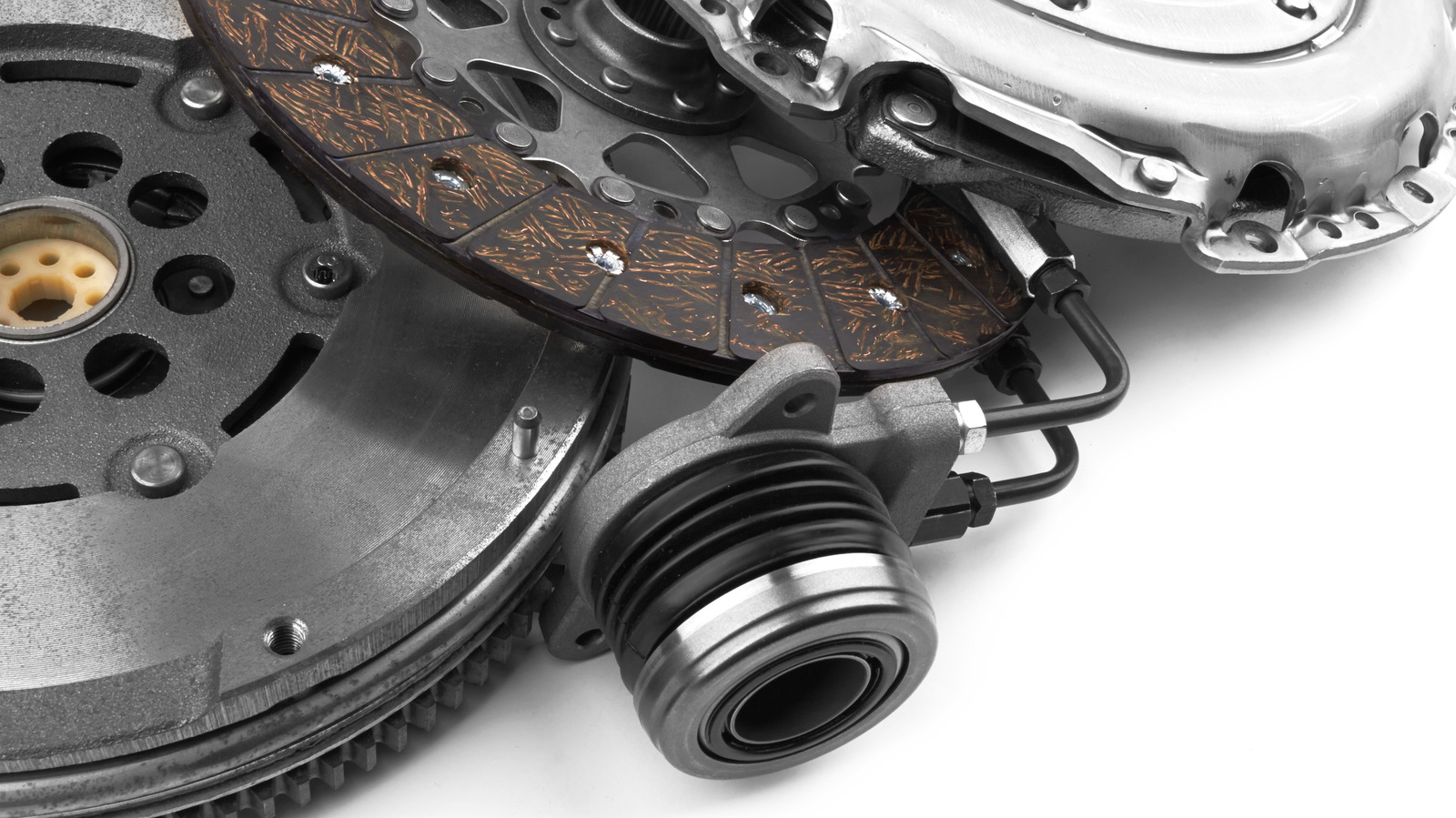
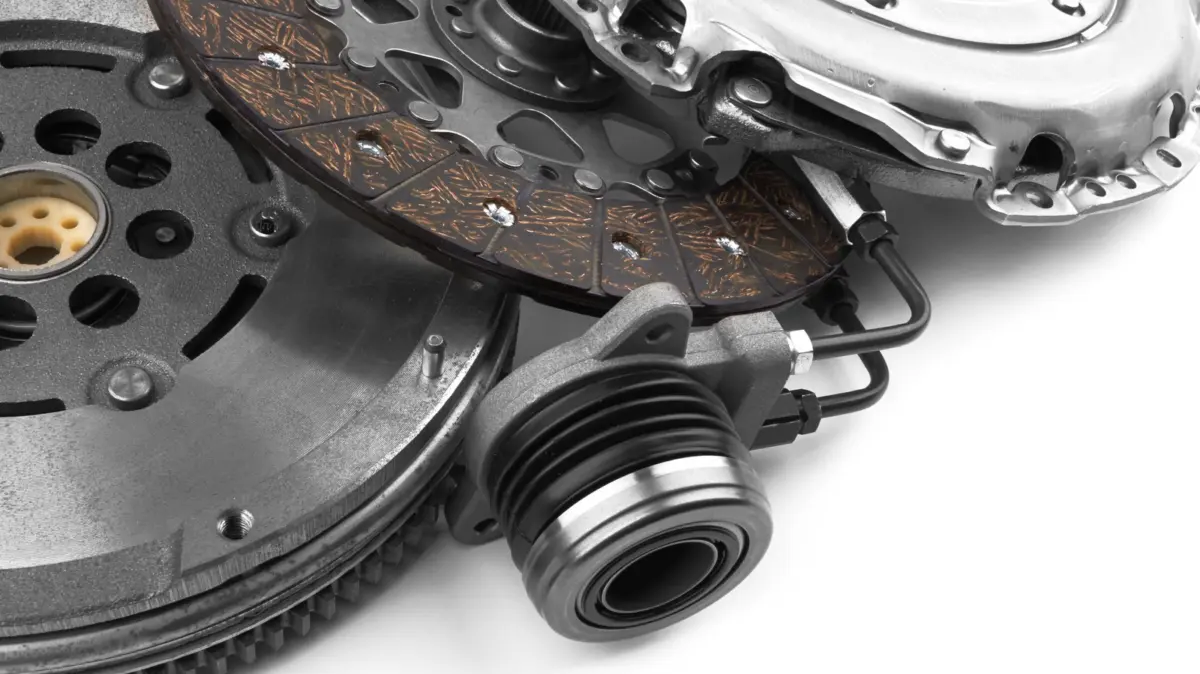
One of the primary reasons why automotive engineers, manufacturers, and driving enthusiasts generally hold a higher regard for hydraulic clutches comes down to their consistently smoother and more isolated engagement. In a traditional cable-operated system, a physical metal wire runs from the clutch pedal directly to the clutch fork on the transmission. This physical linkage often introduces slack, friction, and a certain degree of pedal play before the clutch actually begins to load against the pressure plate. In comparison, a hydraulic system operates on fluid dynamics, matching every millimeter of a driver’s foot movement with a calculated transfer of hydraulic fluid through master and slave cylinders. This fluid-based connection results in a much more precise, linear, and predictable clutch motion from the moment the driver presses the pedal to the exact bite point of engagement.
Beyond the distinct feel at the pedal, there are substantial packaging upsides to utilizing hydraulic clutches in modern vehicle design. Cable clutch components can frequently create clutter and routing challenges within a crowded engine bay, particularly in performance vehicles where complex exhaust headers snake tightly through the chassis. Because a metal cable requires a relatively straight or gently curved path to function without excessive binding, routing it around hot exhaust components, steering shafts, and other engine accessories can be a logistical headache for assembly lines and aftermarket builders alike. Conversely, hydraulic systems are significantly easier to route cleanly and efficiently throughout the engine compartment and undercarriage because of the inherent flexibility of high-pressure fluid lines.
Another major benefit that drivers notice immediately is that it often feels considerably easier to depress a hydraulic clutch pedal. This is largely due to the presence of significantly less internal friction within a hydraulic line compared to a long, metal cable sliding inside a protective rubber or plastic sleeve. Rather than relying on a direct, high-friction mechanical cable pull, hydraulic clutches balance and transmit the driver’s physical input via fluid pressure, reducing leg fatigue during heavy traffic conditions. Finally, hydraulic units often feature self-adjusting mechanisms that continually compensate for disc and pressure plate wear over the lifespan of the clutch assembly. This automatic compensation ensures that the pedal travel and bite point remain relatively uniform as the vehicle ages, preventing the engagement point from drifting drastically over tens of thousands of miles.
Despite these clear mechanical advancements, hydraulic clutches certainly carry their own set of potential complications and long-term baggage. Because these systems rely on fluid moving through flexible lines, master cylinders, and a clutch slave cylinder—as opposed to a simple, solid cable—they inherently create more potential points of failure and fluid leakage opportunities. If a master cylinder seal fails or a slave cylinder begins to leak internal fluid, the driver can lose pedal pressure entirely, rendering the vehicle unable to shift gears properly. Furthermore, routine maintenance and repair procedures present unique hurdles. For instance, when bleeding air out of a hydraulic clutch system during maintenance, technicians occasionally encounter seized or rounded-off bleeder nipples. If a bleeder nipple becomes damaged or strips out, resolving the issue requires meticulous extraction or component replacement, turning a simple maintenance procedure into an involved repair job.
However, it is worth noting that traditional cable clutches require a distinct type of maintenance and monitoring as well. Cable systems are prone to wearing out over time simply by stretching under repeated tension, and they can easily become bound up or corroded if moisture and dirt penetrate the outer protective housing. As this wear progression occurs, cable clutches typically begin to offer a less-positive, spongier feel and require progressively more physical effort from the driver to actuate the clutch mechanism. While some manufacturers attempted to solve this with automatically adjusting cable clutches, the vast majority of cable-operated systems required regular manual adjustments to maintain proper pedal play and prevent premature clutch slip. Ultimately, when weighing the engineering trade-offs between traditional cable clutches and modern hydraulic clutches, the industry’s widespread adoption of hydraulics swings decisively in the direction of technological progress, permanent refinement, and a more refined everyday driving experience.