For decades, television has been dominated by a very specific formula when it comes to covering the world of cars. From the classic iterations of Top Gear in the United Kingdom to its American adaptations and the global phenomenon of The Grand Tour, gearheads have grown accustomed to a familiar archetype: a trio of charismatic presenters standing in an open-air studio or sitting inside a modified vehicle, bantering, arguing, and putting various machines through their paces. While this format has undoubtedly produced some of the most memorable moments in automotive broadcasting history, it has also left many enthusiasts wondering if the medium has evolved as quickly as the industry it covers.
The tired trope of "three guys in cars" complaining about ergonomics, racing across continents, or turning a casual road trip into a chaotic challenge has entertained millions, but it is far from the only way to celebrate automotive culture on screen. This realization opens up a much larger, more creative question for television executives and viewers alike: What if we threw out the rulebook entirely?
Imagine being handed the keys to a network or streaming platform as an executive producer, complete with a blank-check budget and absolute creative freedom. The mandate is simple yet daunting: create the greatest automotive television show on Earth. The format, the subject matter, and the cast are entirely up to your imagination, constrained only by the requirement that cars remain the primary focus.
The possibilities span across every genre of entertainment. One could pitch a sweeping, high-budget narrative biopic series for a premium network like HBO, chronicling the turbulent lives, fierce rivalries, and brilliant engineering breakthroughs of legendary automotive designers. Alternatively, a production could take a deeply immersive, documentary-style approach for the Discovery Channel, pulling back the curtain on the sprawling, automated choreography of modern assembly plants. For those leaning toward gritty drama, a fictionalized series blending high-stakes automotive culture with serialized storytelling—something akin to a high-octane crime drama—could fill a massive gap in the current television landscape. The scope is entirely wide open, limited only by what a creator can dream up.
This creative exercise is not merely a hypothetical thought experiment; it touches on a long-standing desire within the enthusiast community to see television networks take bigger risks with automotive programming. Too often, car shows play it safe, relying on familiar personalities and formulaic challenges rather than exploring the vast, rich tapestry of car culture, motorsport, history, and engineering.
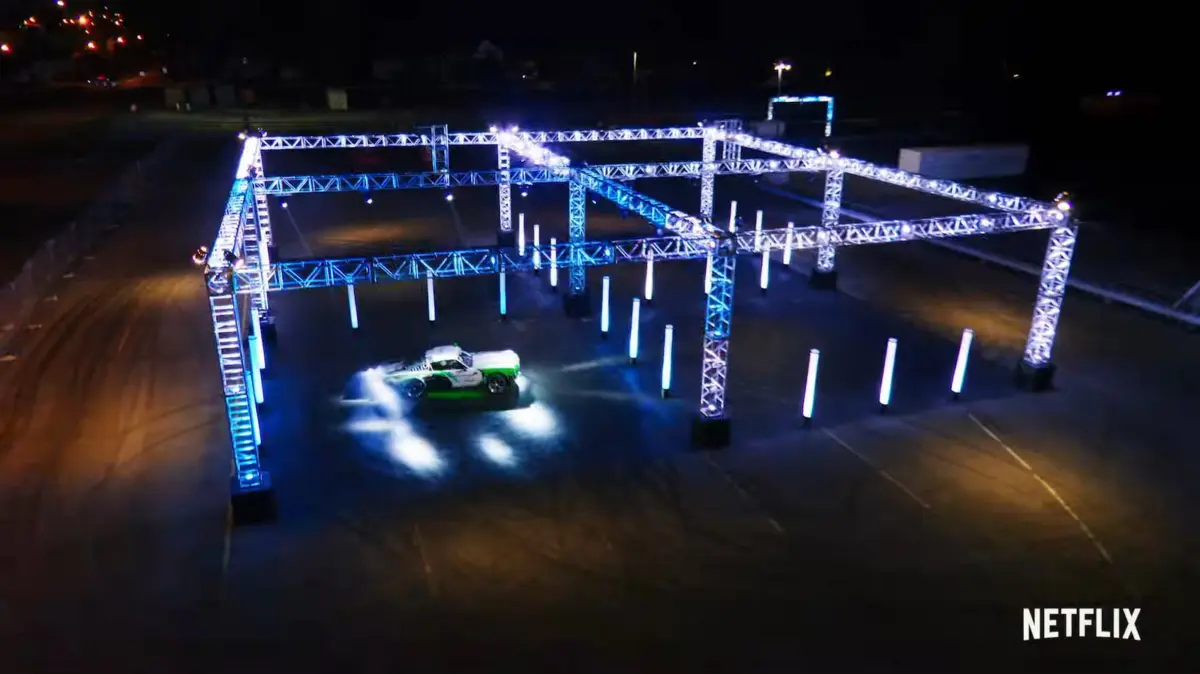
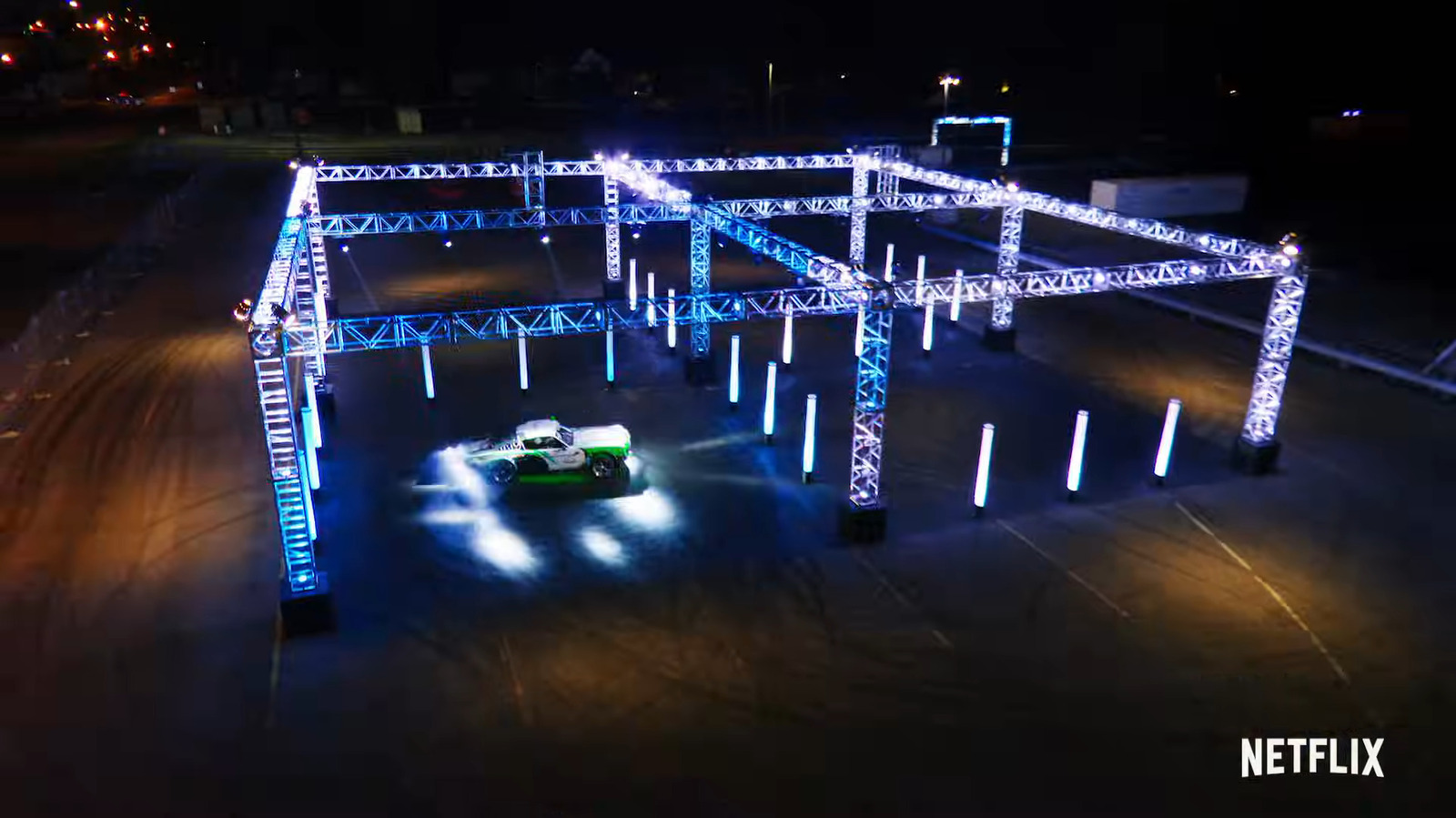
To understand what a fresh approach might look like, one only needs to look at past attempts to reinvent the genre. A prime example is Netflix’s Hyperdrive, a series that debuted with a genuinely intriguing concept. Filmed in Rochester, New York, the show sought to merge the worlds of motorsport and extreme precision driving, effectively creating an obstacle course designed specifically for cars. It was pitched as a motorized cross between traditional time-attack racing and obstacle-based reality competitions like American Ninja Warrior.
Yet, despite its strong underlying premise, the execution left many purists cold. The production was heavily weighed down by the typical trappings of modern reality television: manufactured drama, bloated spectacle, and an overwhelming commitment to neon lights, pyrotechnics, and dramatic cutaways. Rather than letting the raw skill of the drivers and the physics of their eclectic machines speak for themselves, the show leaned heavily into flash over substance.
The core idea, however, remains remarkably strong. Stripping away the excess theatricality and pyrotechnics reveals the skeleton of a truly compelling television program. Picture a series that brings together a diverse array of drivers from completely different racing backgrounds—ranging from grassroots drifters and rallycross veterans to stunt drivers and time-attack specialists—behind the wheel of an equally diverse garage of vehicles. Instead of relying on artificial drama, the tension would stem purely from the physics of precision driving, vehicle setup, and the ticking clock. It would be an automotive competition show that respects both the machines and the audience watching at home.
Reimagining concepts like Hyperdrive is just one avenue among countless possibilities. The core question remains for automotive enthusiasts everywhere: If you were given the ultimate budget and total creative control, what kind of automotive show would you bring to the screen? Whether it is a deep-dive historical documentary series, an unscripted technical breakdown of legendary engines, a gritty narrative drama, or a pure, unadulterated precision driving competition, the automotive world offers endless material waiting for the right storyteller to capture it.