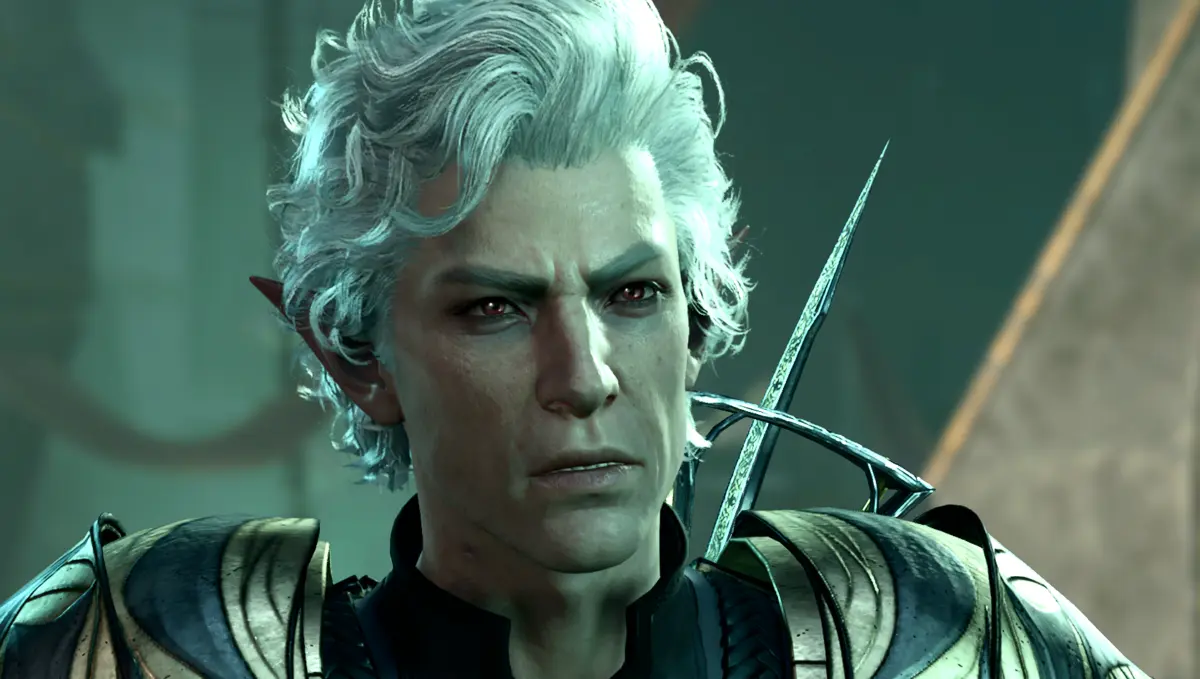
The rich, high-fantasy universe of the Sword Coast is officially making the leap from gaming monitors to prestige television. HBO and Hasbro Entertainment have announced that a live-action television series based on the critically acclaimed Baldur’s Gate 3 is officially in development. Steering the ambitious project is Craig Mazin, the acclaimed co-creator of HBO’s The Last of Us adaptation and creator of the Emmy-winning historical miniseries Chernobyl.
Titled simply Baldur’s Gate, the upcoming HBO series is set to break new ground by picking up the narrative thread directly where Larian Studios’ massive role-playing game concluded. While the video game has been universally celebrated for its sprawling branching storylines, deeply memorable cast of characters, and unprecedented level of player agency since its launch, its monumental success is now paving the way for a brand-new continuation in a different medium.
According to initial details shared about the production, Mazin will wear multiple hats on the series, serving as co-creator, writer, executive producer, and showrunner. This marks another major video game adaptation for the writer-producer, who has earned a reputation in the industry for handling complex source material with narrative weight and cinematic scope.
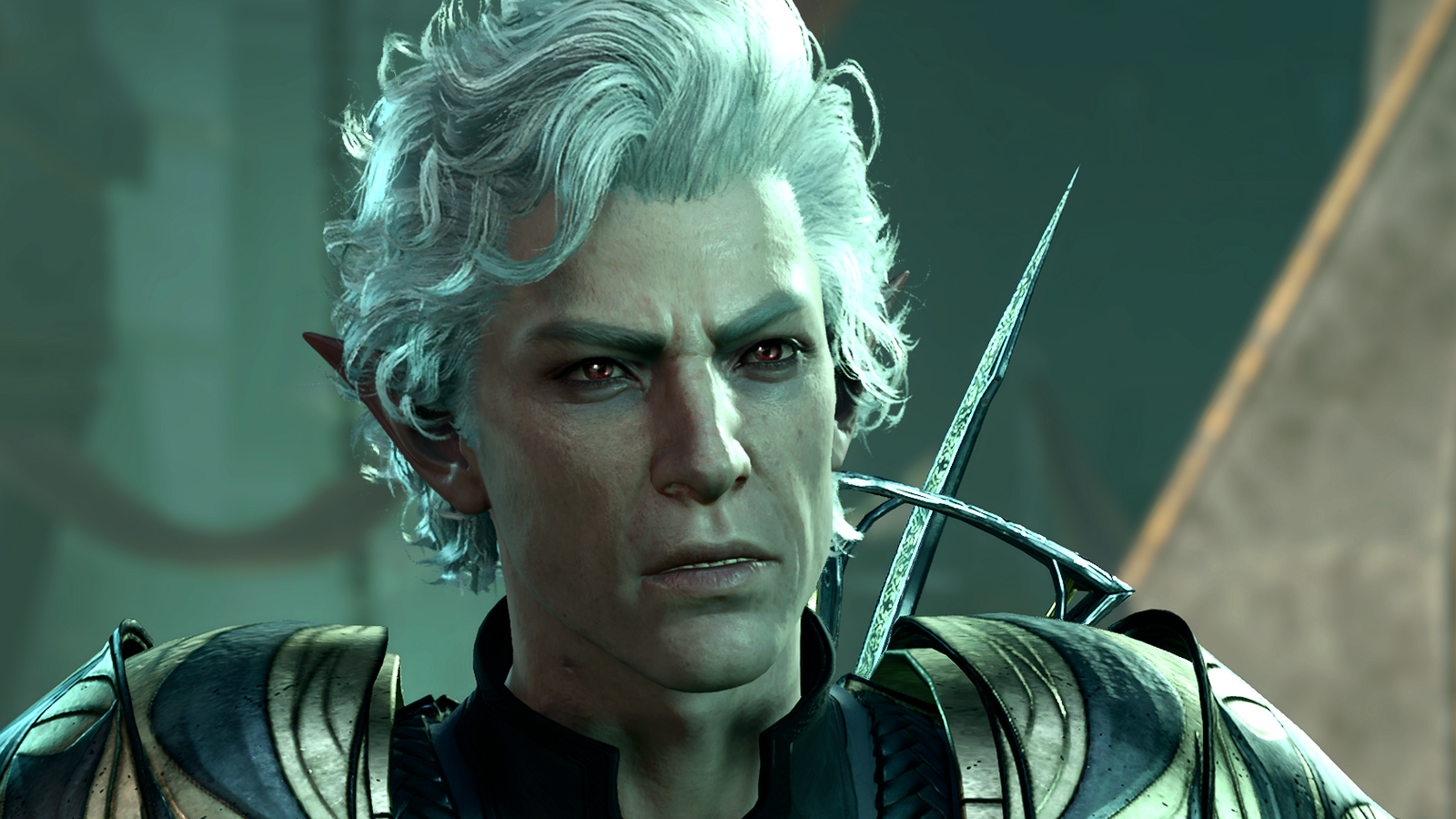
The announcement comes despite Larian Studios—the developer behind the smash-hit role-playing masterpiece—having previously stated that they are moving away from the Baldur’s Gate franchise to focus on a different project within their own Divinity universe. Consequently, Larian is not directly involved in the development of the HBO television series. Instead, the production is a collaborative effort between HBO and Hasbro Entertainment, the corporate parent of Wizards of the Coast, which oversees the overarching Dungeons & Dragons intellectual property.
To ensure the series honors its tabletop origins, former Dungeons & Dragons head of creative Chris Perkins will serve as a consultant on the set. Perkins’ involvement is intended to help bridge the gap between the interactive digital world crafted by Larian and the linear storytelling demands of a high-end television production, keeping the series firmly anchored in official D&D lore.
A Creative Labor of Love for Mazin
For Craig Mazin, taking on the Baldur’s Gate universe is more than just a professional assignment—it is a deeply personal endeavor. The showrunner has openly professed his profound fandom for the game, revealing in previous interviews that he has poured nearly 1,000 hours into experiencing everything the sprawling fantasy world has to offer.

In a statement addressing the partnership, Mazin expressed his excitement about extending the narrative established by the game developers and Wizards of the Coast. He noted that it feels like a dream come true to work with material created by Swen Vincke and his team at Larian, praising their brilliant adaptation of the iconic tabletop ruleset. Mazin pledged to approach the characters and the setting with the utmost respect and love, while offering words of gratitude to Hasbro’s head of television and co-executive producer, Gabriel Marano, for entrusting him with such a valuable and beloved property.
HBO executives have also shared their enthusiasm for reuniting with Mazin following their successful creative partnership on The Last of Us. Francesca Orsi, HBO’s head of drama programming, highlighted Mazin’s long-standing passion for the source material, stating that his distinct talent for constructing immersive worlds populated by complex, rich characters is expected to yield groundbreaking results for the network. Gabriel Marano echoed these sentiments on behalf of Hasbro, emphasizing that fans have long desired a faithful and ambitious screen adaptation of the iconic fantasy city and its surrounding realms, making HBO and Mazin the ideal creative home for the project.
Navigating a Blank Slate and Tough Choices
While Baldur’s Gate 3 captivated millions of players worldwide with its intricate web of choices and consequences, the transition to television forces a definitive narrative path. Because Larian Studios is not currently working on a Baldur’s Gate 4 video game, Mazin will enjoy a fair degree of creative freedom regarding where the story goes next. However, the show’s premise introduces a complex challenge that has already set off discussions within the community: the television series will inevitably have to canonize one specific outcome out of the myriad possible endings featured in Baldur’s Gate 3.
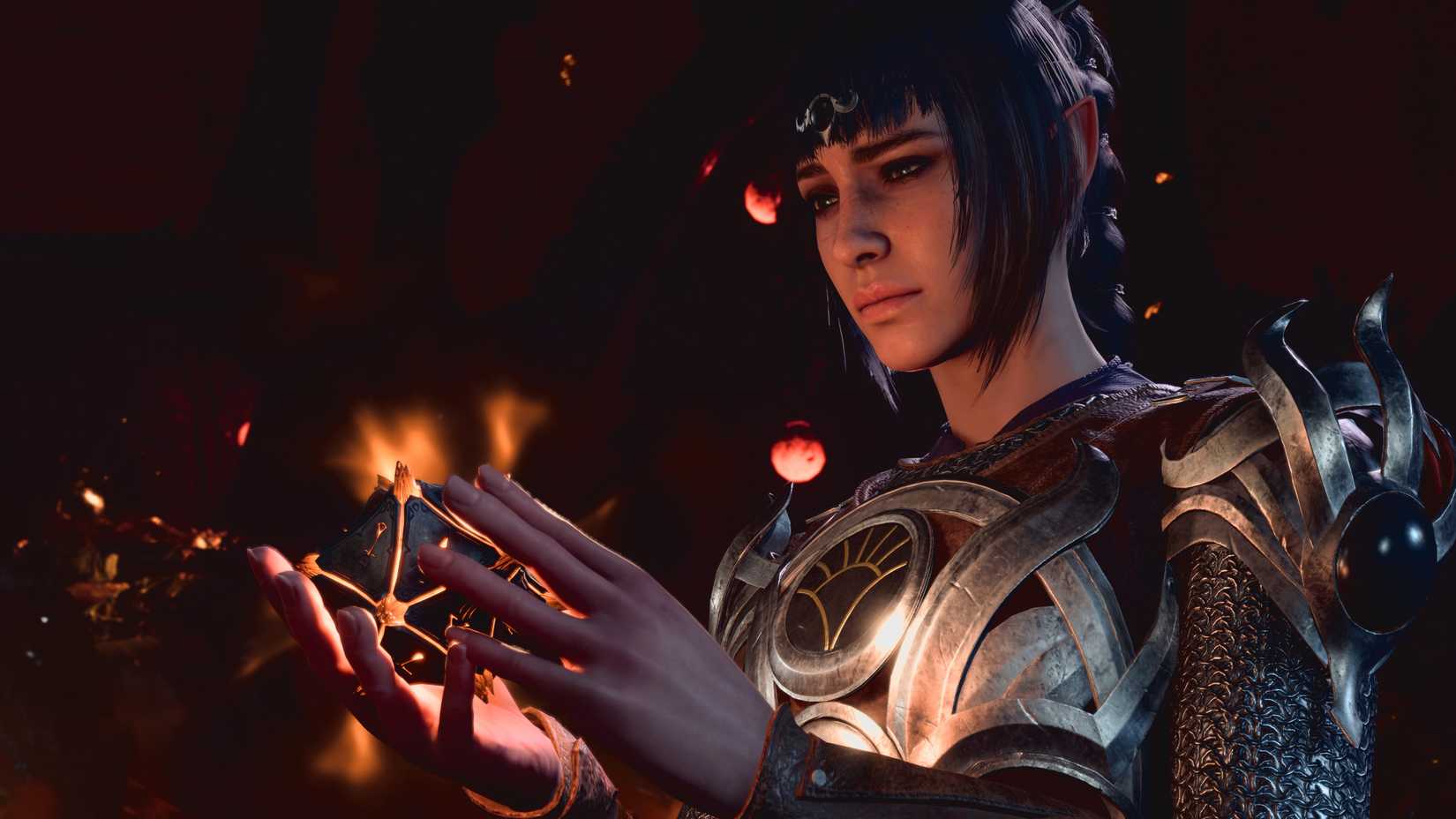
The video game allowed players to dramatically alter the political landscape of Faerûn, determine the fates of companions like Astarion and Shadowheart, and choose vastly different paths concerning the ultimate fate of the city and its inhabitants. By choosing to pick up immediately where the game left off, the television series must establish a definitive baseline truth for its universe, a creative necessity that is certain to spark passionate debates among fans who carved out their own unique paths through the digital campaign.
The series is expected to feature a blend of entirely new characters alongside familiar faces from the game, though casting details and specific character confirmations remain under wraps. Mazin’s track record in television suggests a deliberate approach to adaptation. Before helming The Last of Us, where the first season closely mirrored Naughty Dog’s source material while subsequent seasons introduced more narrative deviations, Mazin built a diverse resume spanning big-budget comedies like The Scary Movie franchise and The Hangover Part III, alongside his widely praised work on the historical drama Chernobyl.
As pre-production moves forward, the Baldur’s Gate series stands as one of the most anticipated upcoming projects in the fantasy television landscape. Combining HBO’s reputation for high-production-value dramas with one of the most successful tabletop and digital role-playing franchises in history, the series aims to transport viewers back to the Forgotten Realms for a brand-new chapter of adventure, danger, and intrigue.