For those who call New York City home, the Catskills have long served as a fundamental relief valve. As a lifelong New Yorker, the transition from the frantic rhythm of the city to the quiet, rolling majesty of this four-county region in southeastern New York feels less like a vacation and more like a necessary restoration. While the city provides an endless parade of Broadway shows, high-fashion shopping in SoHo, and the curated greenery of Central Park, the Catskills offer something that urban life cannot: an expansive, unhurried landscape where the seasons dictate the pace of life. It is a region that I have explored for as long as I can remember, and yet, I have yet to run out of reasons to return to its diverse array of mountain hideaways.
The appeal of the Catskills is multifaceted, shifting dramatically with the calendar. There are the ski towns that awaken with a kinetic, joyful energy the moment the first heavy snowfall blankets the slopes. There are the historic Main Streets, where the storefronts are lined with antique shops, dusty bookstores, and old-school diners that serve as the heartbeat of their communities. Then, there are the miles of winding mountain roads that seem to transform into something entirely new when the leaves begin their autumn transition, turning the canopy into a tapestry of gold, amber, and crimson. For the urban traveler, these sights are not just aesthetic; they are a profound reminder of the world beyond the concrete grid.
Located just a couple of hours north of the city, this region has been pulling urbanites into its orbit for centuries. The history of the Catskills is deeply layered, reflecting the shifting interests and demographics of the greater New York area. In the 19th century, the mountains were home to grand, sprawling resorts designed to lure city dwellers seeking the curative properties of fresh mountain air and sweeping, romantic scenery. These grand hotels were the precursors to a tourism culture that would eventually bloom into the mid-20th-century phenomenon of the "Borscht Belt."
This southern stretch of the Catskills holds a particularly storied place in American social history. During a time when many American resorts practiced exclusionary policies, the Catskills became a sanctuary for Jewish travelers, offering a collection of hotels, summer camps, and social clubs that fostered a unique cultural identity. It was a place where, in the face of systemic antisemitism, a community built its own landscape of leisure, music, and comedy. Today, that rich, complex history exists in a fascinating dialogue with a new generation of visitors and residents. The region has evolved into a hub for creative small towns, where farm-to-table restaurants highlight the bounty of the Hudson Valley and the Catskill foothills, and where design-minded individuals have transformed rustic structures into sophisticated, modern retreats.
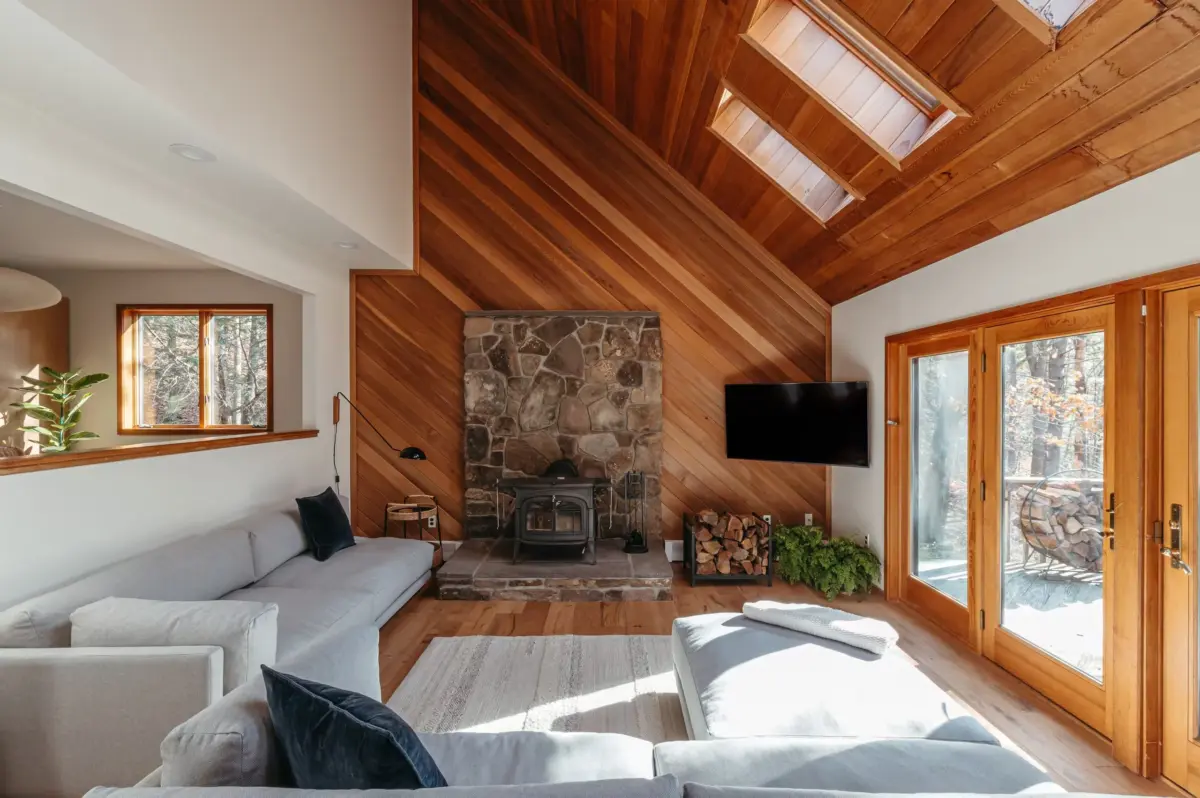
The current landscape of Catskills lodging is defined by this blend of the old and the new. Finding the right Airbnb has become an essential part of the travel experience, as the variety of available rentals allows for a highly personalized getaway. Travelers can choose to immerse themselves in the forest by staying in glass-walled A-frame cabins that offer a seamless view of the surrounding wilderness, or they can opt for renovated farmhouses that provide ample space for families to gather. For those seeking a more intimate experience, there are modern, minimalist cabins where the presence of a wood-burning stove makes the prospect of canceling dinner reservations and staying in for the night feel like the most productive decision one could make.
The geographical placement of these rentals is just as varied as their architecture. Some properties are positioned within minutes of challenging hiking trails that snake through the peaks, pristine swimming holes that offer a cool reprieve from the summer heat, and established ski slopes that cater to winter sports enthusiasts. Other rentals are tucked closer to the region’s most beloved towns—places like Woodstock, with its bohemian spirit; Phoenicia, which serves as a gateway to outdoor adventure; and Tannersville, known for its charm and proximity to seasonal festivals. Whether one is looking to hike, ski, or simply stroll through a village center, these vacation rentals act as a perfect base of operations for an upstate adventure.
For the traveler who appreciates both the comfort of a well-appointed home and the thrill of exploration, the search for the perfect accommodation is half the fun. A well-vetted rental can completely redefine a weekend away, turning a simple change of scenery into a true change of pace. Because the region is so close to the city, it allows for a sense of spontaneity that is difficult to find elsewhere; one can decide on a Tuesday to retreat to the mountains and be settling into a quiet, wood-paneled living room by Friday evening.
The criteria for selecting these stays have become increasingly rigorous as the region has gained popularity. Today’s travelers look for more than just a roof over their heads; they prioritize "Superhost" and "Guest Favorite" statuses, as these designations often speak to the reliability and thoughtfulness of the property owners. Other factors, such as the quality of amenities, the proximity to specific natural landmarks, and the aesthetic integrity of the decor, play a significant role in determining which properties make the cut for a seasoned traveler’s wishlist.
The enduring appeal of the Catskills lies in this ability to provide a consistent, high-quality escape that never feels repetitive. No matter how many times I have driven the Taconic State Parkway or the winding roads that lead into the deeper parts of the mountains, there is always a new corner to turn or a different season to experience. The region remains a vital part of the New York experience, a place where the pressures of urban life can be set aside in favor of the quiet, deliberate beauty of the mountains. Whether one is returning to a favorite cabin or scouting a new location for a long weekend, the Catskills continue to offer the restorative power of nature and the comfort of a well-earned rest. It is a destination that feels both like a discovery and a homecoming, a testament to the fact that sometimes, the best way to move forward is to take a few hours to head north.