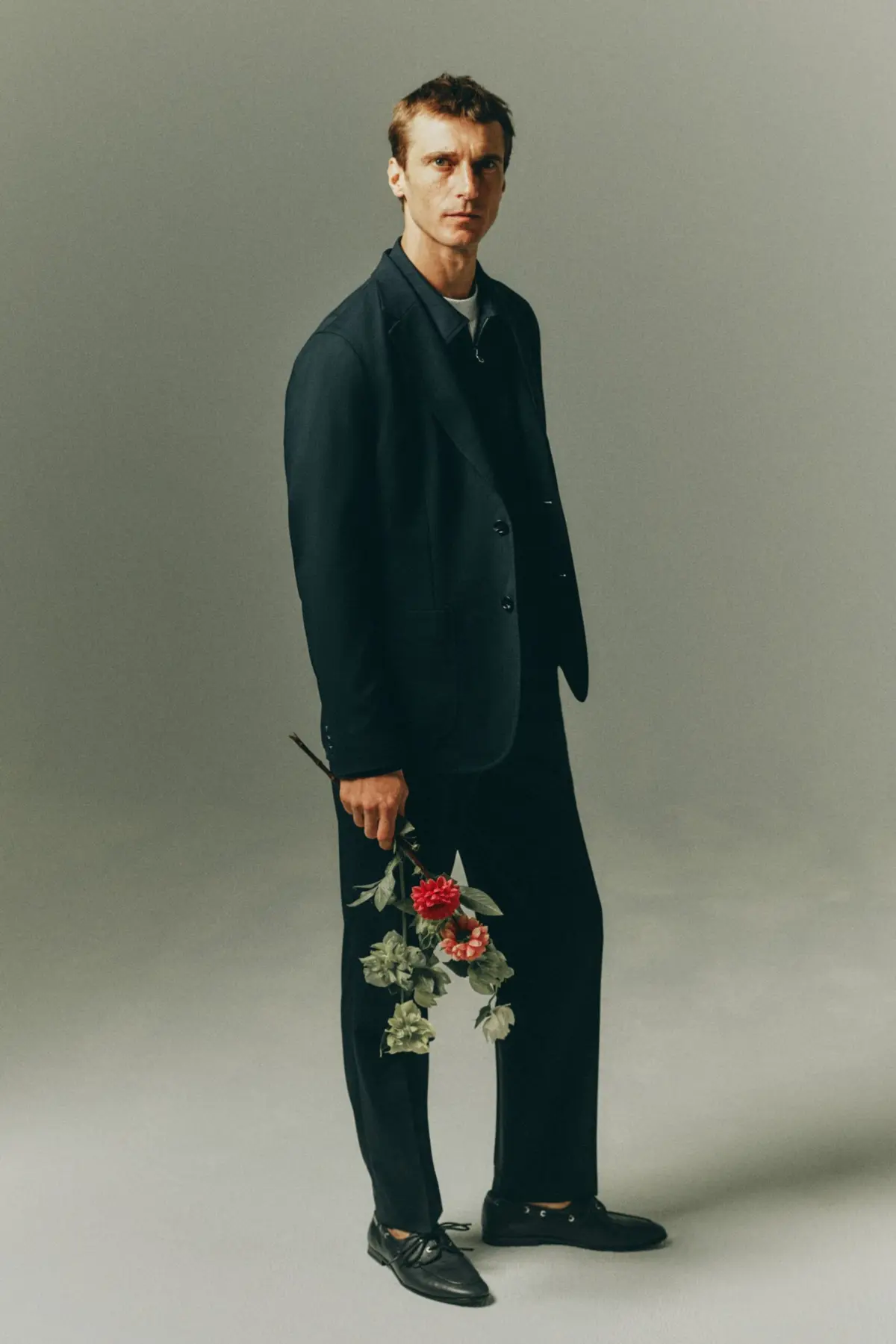
If Rag & Bone was once a sprawling garden of casual denim and everyday tees, Swaim Hutson now acts as its constant gardener, continuing to prune each season to make room for new and intentional growth. In the ever-evolving landscape of contemporary fashion, refining rather than reinventing has become the definitive name of the game for the brand. Summer, of course, presents a notoriously tougher season for designers, a time when consumers naturally want to wear less—a feeling that has only been amplified in recent years due to pressing meteorological necessities and rising global temperatures.
Reflecting on the climatic challenges that modern wardrobes face, Hutson recalled a particularly sweltering experience while previewing the collection. Sitting inside the brand’s sunlit Meatpacking District showroom, he shared a sentiment familiar to many modern travelers and city dwellers alike. He remembered being in Paris when the temperature soared to extreme heights, feeling the sudden paralysis of a wardrobe dilemma. That experience sparked a fundamental question that ultimately guided his latest creative direction: What does one actually wear when the heat becomes oppressive, yet the demands of daily life still require a sense of style and composure?
Hutson carries the effortless demeanor of a cool industry insider, and interacting with him gives the distinct impression that he allows his own intuition and personal desires to steer the brand’s design process. Rather than chasing fleeting internet trends or overcomplicating silhouettes, he focuses on what feels genuinely relevant and wearable to him and his peers. Discussing the trajectory of the collection, he emphasized a commitment to quality over quantity. The brand is actively pushing for more elevation, finer fabrications, and superior manufacturing techniques. Even though this latest offering is explicitly designed for the height of summer, Hutson wanted the pieces to feel a little bit—though certainly not totally—dressed up, striking a delicate balance between ease and sophistication.
To achieve this vision, Hutson gave a specific, highly relatable brief to his design team. He instructed them to think about what they would pack in a carry-on bag for a hypothetical four-day trip packed with varied events and unpredictable itineraries. When packing for such a journey, the modern dresser faces a specific set of logistical challenges: you have to look presentable and dressed up for certain occasions, it could be unexpectedly cooler at night, and it will almost certainly be warmer during the height of the day. Faced with these shifting conditions, the core question remains: How are you dressing to navigate all of these environments seamlessly?
The tangible result of this thoughtful exercise was a capsule defined by lighter fabrications, subtle and considered patterns, and a built-in sense of relaxed patina that looks lived-in rather than stiff. Consider, for instance, a pair of crisp poplin pants that emerged from the collection. These trousers came directly from Hutson’s own humble desire for a specific item and his growing frustration that he simply could not find any on the market to his exact liking. True to his practical approach, he created his own version, delivered in classic pajama stripes complete with a refined buttoned cuff. He also utilized this same crisp poplin fabric to craft slightly boxy, effortless button-down shirts that bridge the gap between loungewear and streetwear.
As for mastering that delicate balance between being dressed up and keeping things casual, Hutson offered a standout black matching set crafted from an innovative nylon-linen blend. The fabric featured just a whisper of tonal plaid, adding depth and visual interest without ever screaming for attention. Another matching set, executed in a sophisticated Prince of Wales tropical wool, was made available with a choice of either pleated shorts or full-length pants, highlighting the fact that coordinated sets served as a major thematic anchor throughout the entire presentation.
When it came to essentials, the approach remained equally considered. T-shirts were constructed from washed cotton that had undergone a special sun-dyed treatment, resulting in a slightly bleached-out appearance that suggested long days spent under the summer sun. This same sun-bleached aesthetic was similarly applied to canvas work jackets, which were accented with contrasting leather collars to add a touch of rugged texture. The few patterns that did make an appearance—such as classic mariner stripes and oversized windowpane checks—deliberately avoided digital perfection. Instead, they possessed a hand-drawn look, subtly lifted from the scribbled, expressive aesthetic of artist Cy Twombly.
Above all else, the collection felt notably smaller, more edited, and fiercely focused compared to the sprawling assortments of the past. In an industry historically driven by overproduction and endless options, Hutson’s restraint feels both timely and refreshing. Describing the deliberate scaling back of the lineup, Hutson noted that the selection is tighter because the brand is actively trying to become more selective. By trimming the excess and focusing exclusively on pieces with genuine purpose and utility, Rag & Bone under Hutson’s watchful eye continues to cultivate a wardrobe that speaks directly to the realities of modern life.