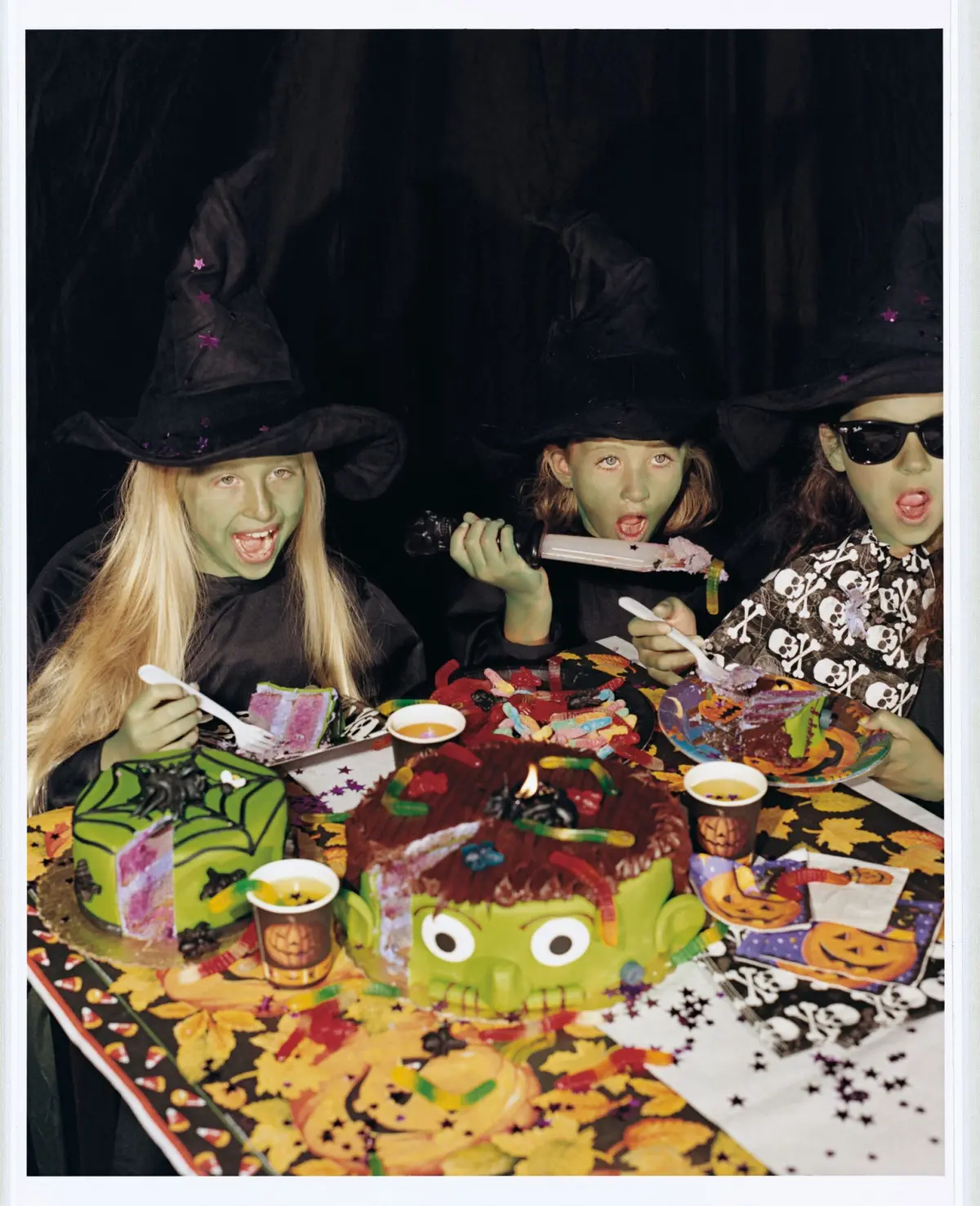
Whether you are four years old or four decades into life, the anticipation of Halloween serves as a universal reminder that it is never too early to begin planning for the season of sweets. For the average American, consumption reaches roughly a half-pound of candy per week, with that figure climbing significantly as October 31 approaches. While medical studies from institutions like the Harvard School of Public Health have occasionally flirted with humorous correlations regarding longevity and sugar consumption, the cultural imperative remains clear: candy is an enduring fixture of American life.
Before stocking up on provisions, however, it helps to establish a precise definition of the subject. The Oxford English Dictionary defines candy as "crystallized sugar, made by repeated boiling and slow evaporation, more fully called sugar candy; also any confection made of, or incrusted with this." While sensible, this definition omits the essential quality of sweetness, ignoring the fact that many sugars lack a distinctly sweet flavor, or that sugar is sometimes replaced by nonnutritive, noncaloric sweeteners that rarely succeed in replicating the genuine article. The U.S. Census Bureau offers a more pragmatic administrative boundary, excluding cough drops, medicated confections, roasted peanuts, and unsweetened popcorn, while dividing the remainder into chocolate confections, non-chocolate confections, and chewing gum.
True candy famously requires no utensils, a distinction that separates it from elaborate pastries. A visit to Damascus yielded a look at La Maison Pistache d’Alep, widely regarded as the premier sweetshop in the Middle East. There, confections consisted of tiny, exquisite pastries crafted from delicate, handmade phyllo dough and filled with nuts, dates, honey, and sugars, all eaten directly by hand—raising the eternal question of where pastry ends and candy begins. Meanwhile, the Census Bureau neatly categorizes non-chocolate confections into six distinct groups: hard candy, such as sour balls, candy canes, and lollipops; chewy candy, including caramel, toffee, taffy, and nougat; soft candy, like fudge, candy corn, jellies, and gummy worms; iced or coated candy; panned candy, which features multiple protective shells rolled in circular pans like jelly beans and jawbreakers; and licorice.
Alternatively, candy can be defined simply as whatever is sold within dedicated candy stores. Manhattan boasts a handful of pivotal destinations that define the city’s relationship with sweets, beginning with Dylan’s Candy Bar. Founded by Dylan Lauren, daughter of fashion designer Ralph Lauren, the multi-level retail landmark is designed with bright colors and meticulous detail. Hundreds of spotless Plexiglas bins line the walls, complemented by fresh confections including ice cream, sodas, and a chocolate fountain, though it maintains a surprisingly modest licorice selection.
Down in Little Italy, Papabubble on Broome Street offers a window into artisanal craftsmanship. Having arrived from Barcelona, the shop sells exclusively hard candy made fresh daily by hand in plain view of customers. Each piece is a gaily striped cylinder reminiscent of holiday peppermint sticks, with rotating flavors like watermelon and passion fruit housed within a bright, modern interior of white tile, stainless steel, and pale wood.
In Chinatown, three nearby locations operate under the English name Munchies Paradise and the Chinese characters for Aji Ichiban, meaning "superior taste." Navigating the shops requires looking for specific Chinese characters that resemble a large rectangular box balanced atop two smaller square boxes. The proximity of these three Manhattan stores mirrors the brand’s expansive footprint in Hong Kong.
The offerings at Aji Ichiban reflect a different palate, demonstrating how cultural preferences redefine confectionery. Alongside cellophane-wrapped gums and jellies tailored to Asian preferences and hard candies wrapped around salted nuts, the shops stock mango leather and thin, cured, candied, spicy jerky made from beef and pork. For local shoppers, savory and sweet blur together, proving that what qualifies as candy is entirely in the eye—and palate—of the beholder.
For mass-market nostalgia, Economy Candy has anchored the Lower East Side near Rivington and Essex streets since 1937. Unpretentious and packed from floor to ceiling, the shop plays classic oldies while offering every familiar American brand imaginable. Hereditary owner Jerry Cohen embodies the spirit of an inveterate candy lover, sharing an unabashed fondness for candy corn—a polarizing confection that, despite its unique aesthetic, remains a staple for traditionalists. Surrounded by sweets from childhood, visitors encounter an overwhelming archive of treats: Skybars, chocolate Ice Cubes, French Chew Taffy, Adams Black Jack gum, bubble-gum cigars, Fruit Stripe gum, wax lips, Bazooka, and countless others.
The historical roots of these American favorites trace back to a golden era of confectionery innovation. The Snickers bar, introduced in 1930, grew to become the most popular candy bar in the United States and the world. Its birth arrived near the culmination of a remarkably creative period in American food history. While Whitman’s introduced prepacked boxed chocolates in 1854 and Richard Cadbury popularized Valentine’s chocolate boxes in 1861, the true foundation of modern candy emerged later. The Wunderle Candy Company created the first candy corn in the 1880s, followed by Wrigley’s Juicy Fruit in 1893, Hershey’s milk-chocolate bar in 1900, Necco Wafers in 1901, and LifeSavers in 1912.
The 1920s brought an explosion of iconic brands, including Baby Ruth, Chuckles, Goldenberg’s Peanut Chews, Mounds, Milky Way, Heath bars, Bit-O-Honey, Milk Duds, and Reese’s Peanut Butter Cups. The early 1930s added Snickers, Tootsie Roll Pops, Red Hots, and 3 Musketeers, culminating in the 1941 debut of M&Ms. Remarkably, nearly two-thirds of all American candy brands remain at least half a century old, a testament to the enduring dominance of these historic recipes.
Despite the deep nostalgia attached to these legacy brands, contemporary retail shifts have introduced friction for consumers. Modern movie theaters increasingly stock unfamiliar, lower-cost candies while maintaining high concession prices, often squeezing out classic favorites in pursuit of wider profit margins.
Back at Economy Candy, surrounded by the aromatic history of old-fashioned favorites, a visitor’s thoughts might naturally turn toward more sophisticated, adult confections. Seeking an alternative to mass-market sweets, one might recall Fauchon, the famed Parisian delicacy outpost that once operated on Park Avenue in Manhattan. Specializing in refined treats like pâte de fruits—vibrantly flavored fruit jellies dusted with sugar crystals—and meticulously candied citrus peels dipped in chocolate, the shop represented an upscale approach to sugarcraft. However, retail shifts wait for no one, and following the closure of the Manhattan location, enthusiasts of artisanal French confectionery are occasionally left with only one recourse: crafting them by hand.
Recreating these delicacies at home requires patience and precision, such as preparing candied grapefruit rind following techniques popularized by pastry chefs like Pierre Hermé. The process involves boiling thick-cut pink grapefruit sections multiple times to temper bitterness, then simmering them overnight in a rich syrup infused with fresh lemon juice, star anise, split vanilla bean, and bruised black peppercorns. After drying on racks for a day or two with the assistance of an electric fan, the translucent rinds are tossed in coarse sanding sugar, yielding a sophisticated homemade confection that bridges the gap between childhood nostalgia and adult culinary appreciation.
Sweet Spots Reference:
- Dylan’s Candy Bar: 1011 Third Ave; (646) 735-0078.
- Economy Candy: 108 Rivington Street; (212) 254-1531.
- Munchies Paradise (Aji Ichiban): 23 East Broadway; 167 Hester Street; 37 Mott Street; (212) 233-7650.
- Papabubble: 380 Broome Street; (212) 966-2599.