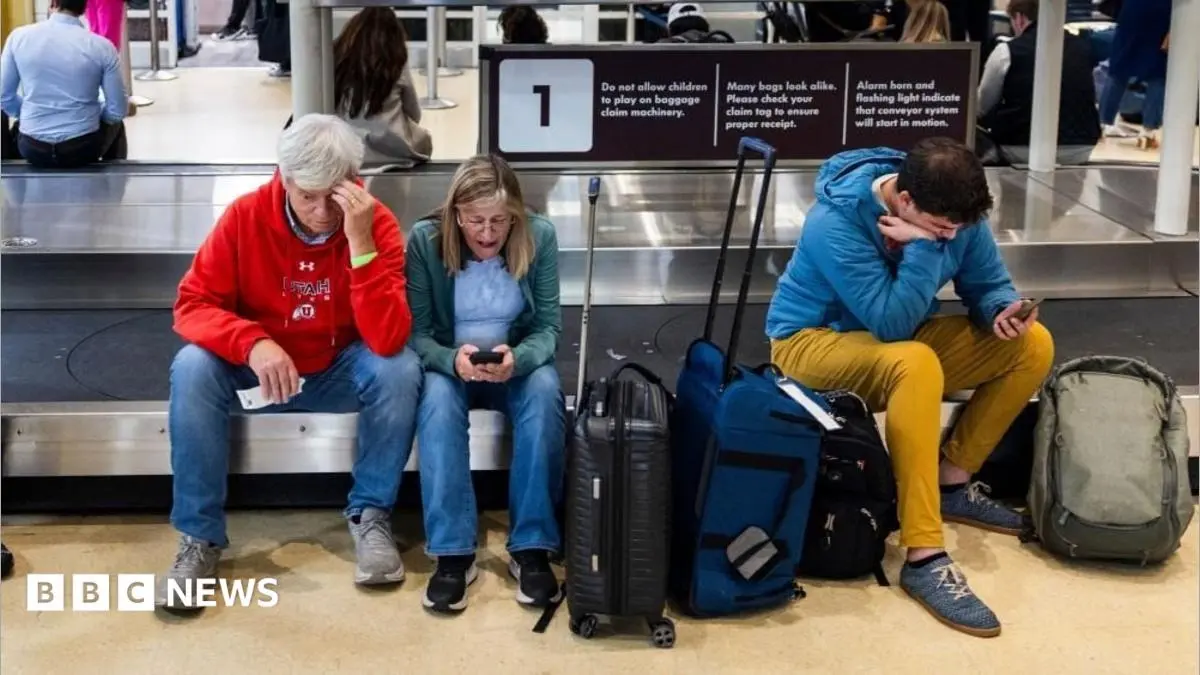
Recent systemic failures within air traffic control networks have once again brought the fragility of global aviation infrastructure into sharp focus. As flights across the United States and beyond were grounded or significantly delayed, thousands of passengers found themselves stranded in terminals, grappling with the complex web of airline policies and legal protections. The incident, which paralyzed air travel for a significant period, has ignited a broader debate about the aging technology underpinning modern aviation and the adequacy of current passenger compensation frameworks.
At the heart of the disruption lies an aging, overburdened air traffic control system that industry experts warn is nearing a breaking point. Preliminary investigations suggest that the implementation of new software and equipment—intended to modernize the network—triggered a catastrophic overload. The system, which relies on legacy telecommunications infrastructure, proved unable to handle the data demands of the new upgrades. According to reports from the field, the fundamental issue stems from an attempt to integrate sophisticated, modern software into a system that still relies on decades-old copper wiring.
The technical failure was stark and immediate. Officials noted that the switches and routers responsible for maintaining data flow simply could not cope with the influx, leading to a total system shutdown. Aviation analyst Miles O’Brien, speaking on the matter, offered a grim assessment of the current state of the nation’s air traffic control capabilities. He likened the system to "a house that’s about to be condemned," explaining that the thin, outdated copper wiring used to connect regional control centers was overwhelmed by the bandwidth requirements of the new software. This created a domino effect, resulting in inconsistent and intermittent signals between control centers, rendering the safe management of aircraft impossible and forcing the grounding of flights.
The economic and operational implications of such a failure are immense. There are already calls for a comprehensive, multi-billion-dollar overhaul of the entire system. Industry figures estimate that a total modernization could carry a price tag of approximately $50 billion. Without such an investment, experts warn that the risk of recurring failures remains high, as the current "patchwork" approach to maintenance and upgrades is increasingly viewed as unsustainable. Homeland Security officials have echoed this sentiment, emphasizing that the current strategy of piecemeal improvements is fundamentally flawed and inadequate for the demands of 21st-century aviation.
Beyond the technical failure, the timing of the upgrade has drawn intense scrutiny from critics. Juliette Kayyem, who served as an assistant secretary of Homeland Security during the Obama administration, questioned the decision to execute such a significant systems update during one of the busiest travel periods of the week. She argued that operational changes of this magnitude require a more cautious approach, suggesting that upgrades should be staggered or implemented in a way that avoids widespread, simultaneous disruptions. Furthermore, she noted the necessity of having robust, redundant systems ready to deploy should an upgrade threaten to compromise the stability of the primary network.
As the aviation industry grapples with the fallout of the technical collapse, the primary concern for many travelers remains the confusion surrounding compensation and passenger rights. In the United States, the United Kingdom, and the European Union, the rules governing airline liability are nuanced and often depend on the root cause of the delay. Generally, airlines are considered liable for compensation if the reason for a disruption is deemed to be within their direct control, such as mechanical failures, aircraft maintenance issues, or instances of pilot sickness.
However, air traffic control problems typically fall outside the scope of airline responsibility. Because these delays are the result of external infrastructure issues managed by government agencies, airlines are not legally required to provide monetary compensation to passengers. This distinction often creates a gap in expectations, as passengers are left bearing the brunt of the delay without the financial recourse they might receive if the issue had been an airline-specific operational failure.
Despite this, passengers remain protected to a degree under a combination of federal mandates and international law. In the United States, the landscape of passenger rights was recently clarified by the FAA Reauthorization Act of 2024. This legislation provides specific definitions for significant travel disruptions, categorizing them as cancellations or delays of three hours for domestic flights and six hours for international routes. Under these conditions, airlines are legally obligated to offer passengers either alternative travel arrangements or a full refund of their fare should the traveler decide not to proceed with the trip.
The FAA Reauthorization Act also introduced standardized timelines for refund processing. Carriers are now required to issue refunds for tickets purchased via credit card within seven business days of a formal request. For tickets purchased using other payment methods, the window is set at 20 business days. It is important to note, however, that these protections are conditional: if a passenger accepts an alternative flight offered by the airline, they forfeit their right to a refund.
While the US has made strides in codifying refund processes, it remains notable for its lack of a federal mandate requiring airlines to provide meal vouchers or hotel accommodation during delays. While many carriers may choose to offer such support as a gesture of goodwill or to maintain customer satisfaction, there is no legal requirement for them to do so in the event of an air traffic control-related delay.
The situation changes significantly for travelers flying under the jurisdiction of the United Kingdom or when traveling on UK-based carriers. Under UK aviation law, airlines have a broad duty of care toward passengers regardless of the cause of the disruption. If a flight is delayed or cancelled, the carrier is responsible for providing assistance, which typically includes provisions for meals, refreshments, and hotel accommodation if the disruption requires an overnight stay.
This "duty of care" is a critical protection for passengers. If an airline fails to arrange this necessary assistance during a period of disruption, passengers have the legal right to organize these services themselves and subsequently claim back the reasonable costs from the airline. To ensure success in such claims, the UK Civil Aviation Authority strongly advises that travelers keep itemized receipts for all expenses incurred. Furthermore, they caution that passengers should exercise restraint; the right to claim does not cover luxury expenses, and passengers are expected to keep their spending reasonable and necessary given the circumstances.
The divide between the US and UK approaches highlights the varying levels of consumer protection in the global aviation market. While the US system focuses heavily on the transactional aspect of refunds for significant delays, the UK system emphasizes a more holistic duty of care, ensuring that the physical and logistical needs of the passenger are met during the wait.
As the aviation industry continues to operate on strained and aging infrastructure, the tension between operational efficiency and passenger rights is likely to persist. The recent failures have served as a stark reminder that the technology facilitating global travel is struggling to keep pace with modern demand. For the flying public, understanding the specific legal protections available—and recognizing the limitations of airline liability in the face of infrastructure-wide collapses—has become an essential part of the travel experience. With calls for a $50 billion overhaul looming and a clear consensus that the status quo is increasingly untenable, the future of air traffic management remains a critical concern for regulators, airlines, and the millions of passengers who rely on the system every day. For now, travelers are encouraged to stay informed of their specific rights based on their airline and the regulatory jurisdiction of their flight, keeping meticulous documentation should they need to seek reimbursement for expenses during future disruptions.