There is a noticeable absence of the usual A-list Hollywood cohort in Netflix’s new three-part docuseries, "The One About Matthew Perry." For those expecting a parade of his former "Friends" castmates sharing anecdotes from the soundstage, the documentary offers something quite different. None of the five actors who stood alongside Perry for a decade participated in the project. Similarly absent are longtime confidants like Hank Azaria, who witnessed Perry’s early, hungry days as a struggling actor in Los Angeles, and creative collaborators like Bradley Whitford and Aaron Sorkin, with whom Perry worked during his post-sitcom career.
One could interpret these absences as a logistical failure—a sign that director Mary Robertson, known for her work on "Quiet on Set," and her production team were unable to secure the necessary access. However, as the series unfolds, it becomes clear that the lack of star power is not a deficit, but a deliberate pivot toward a more intimate, grounded perspective. In place of celebrity testimonies, the series constructs a poignant, often devastating portrait of a man whose immense talent, sharp wit, and global success were perpetually overshadowed by the crushing weight of a chronic, life-altering disease. Through the eyes of family members, close friends, former partners, and fellow survivors of addiction, the series tells the story of a man whose internal struggles were as complex as his public persona was iconic.
The unofficial heart of "The One About Matthew Perry" is the actor’s younger half-sister, Mia Perry Bowick. A therapist by trade, Bowick provides a grounding, insightful narrative of what it is like to love someone who effectively belongs to the world. She articulates the unique tension of sharing a brother with the public at the height of the 1990s monoculture, a time when Perry’s face was synonymous with the comfort of a primetime living room. Bowick is joined by Perry’s longtime friends Roger Castillo and David Pressman, who transport viewers back to pre-fame nights at the Formosa Cafe in West Hollywood, painting a picture of a young, ambitious Perry before the pressures of international celebrity took their toll.
The documentary also features several of Perry’s ex-girlfriends and, notably, a Gen Z woman who crossed paths with the actor during one of his numerous stints in rehab. Their connection serves as a rare, candid moment in the series; she recalls their bond being strengthened by the very age gap that others might have seen as a barrier. "I was born in 1997; you’re not that big a deal to me," she remarks, highlighting a moment of genuine human connection that existed outside the realm of Perry’s fame. While some contributors, such as "The Whole Nine Yards" director Jonathan Lynn, offer insight into Perry’s undeniable artistic craft, the vast majority of the documentary’s participants are there to testify to the private life that remained largely hidden until Perry himself chose to pull back the curtain.
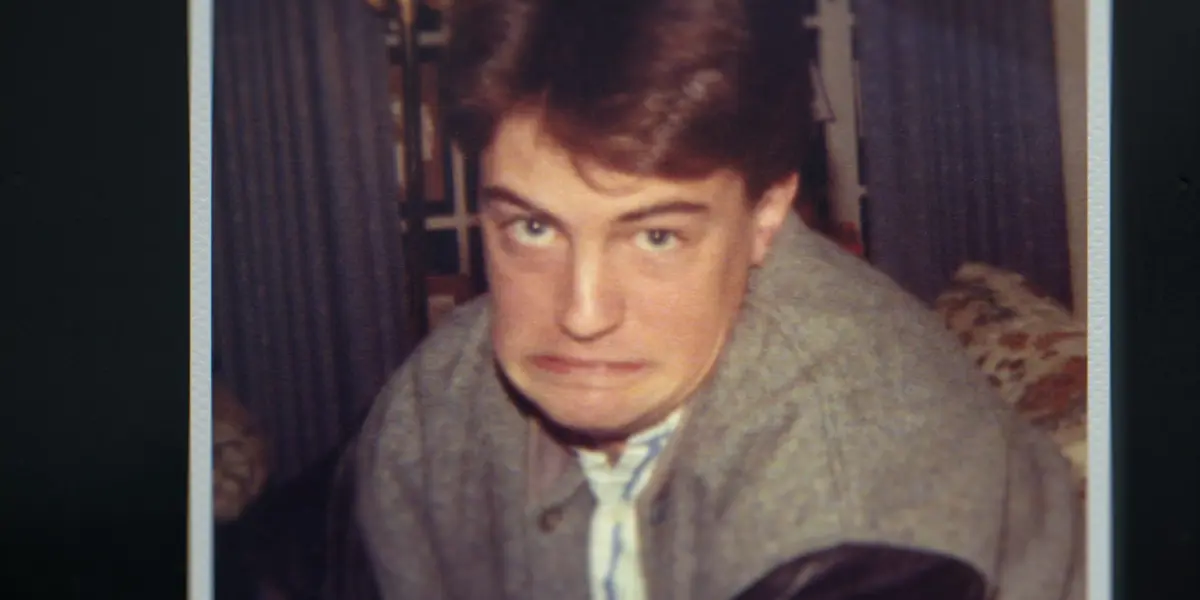
Because Perry spent his final years being remarkably candid about his journey—most notably in his 2022 memoir—there are no startling revelations or shocking bombshells in this docuseries. An introductory title card explicitly frames the project as the story of his life, told by his friends, family, and, crucially, by Matthew himself. In an era where the use of AI-generated voices or "digital necromancy" has become a point of ethical contention in Hollywood, Robertson’s approach is refreshing in its simplicity. She eschews such gimmicks, relying instead on archival clips of Perry’s screen work and his own previously recorded, publicized words to provide the narrative arc. The result is a series that feels respectful of his legacy rather than exploitative of his tragedy.
"God, you can do anything you want to me; just please make me famous," Perry is heard admitting in the series, recalling a prayer from his youth. While his plea was answered with the unprecedented success of "Friends," he ruefully reflects on the cost, noting that "God didn’t forget" about the first part of his request. The series functions less as a search for new information and more as a collation of established facts, re-examined through the lens of those who lived through them alongside him. It recounts the harrowing details of his life, including the 2018 sepsis-induced coma that nearly took his life following years of opioid use. Yet, the documentary offers something more than a medical timeline; it provides emotional snapshots, such as the haunting observation from a loved one that "intimacy was his greatest fear and his greatest wish."
While the documentary inevitably centers on his most famous role, it does so by situating the "Friends" era within the broader, often turbulent context of his life. The series features perspectives from industry insiders like writer Jeff Strauss and former NBC Entertainment president Warren Littlefield, who help contextualize the immense pressure Perry was under. The show frames his childhood—spent feeling like an outsider caught between his parents’ respective new families—as the foundation for his later struggles. By the time the documentary reaches its halfway point, the "Friends" chapter of his career is effectively closed, allowing the narrative to explore the long, winding road of his career and his repeated, painful attempts at sobriety.
The 2021 "Friends" reunion is highlighted as a particularly painful moment for Perry. While the world watched what was meant to be a joyous celebration, Perry was dealing with immense internal anxiety, hurt by online commentary that dissected his appearance and mannerisms. Viewers at the time were unaware that he was still in the fragile stages of recovery following his 2018 health crisis. The documentary uses this as a lens to show the disconnect between the public’s perception of a sitcom star and the private reality of a man struggling to survive.
The series is deliberate in its pacing, allowing the viewer to understand the start-and-stop nature of addiction. It traces the journey from his initial exposure to painkillers after an on-set injury while filming "Fools Rush In" in 1997 to the cycles of relapse, detox, and rehabilitation that followed. It is a grueling, repetitive narrative, one that mimics the reality of the disease itself.
The final minutes of the series address the circumstances surrounding Perry’s death in the fall of 2023, which was caused by the acute effects of ketamine. The documentary briefly covers the subsequent legal proceedings, which resulted in multiple criminal convictions for those who supplied the drugs, including his live-in assistant, Kenneth Iwamasa, who admitted to administering the fatal dose. While this section feels a bit abrupt compared to the deeply emotional tone of the preceding hours, it provides a necessary, factual conclusion to the story.
Mia Perry Bowick anchors these final, cold legal facts with an impassioned plea, criticizing Iwamasa’s role as an enabler and arguing that he should have alerted the family to the severity of the situation. It is a moment of raw, unresolved grief that underscores the ultimate purpose of the series. "The One About Matthew Perry" does not offer a sanitized version of the actor’s life. Instead, it takes the headlines that have already been written and re-frames them through the voices of those who were deeply, inextricably affected by the man behind the fame. It is a somber, straightforward, and deeply human examination of a life that was far more than the punchlines for which it was best known.