The Singapore International Film Festival (SGIFF) reached a climactic peak on Saturday as it celebrated the conclusion of its 37th edition with the prestigious Silver Screen Awards. Held at the iconic Singtel Waterfront Theatre, the ceremony served as a vibrant showcase for the diversity and depth of contemporary Asian cinema. Amidst the gathering of regional filmmakers, critics, and industry professionals, Singaporean talent took center stage, with filmmaker Ang Geck Geck Priscilla securing the festival’s top honor for her debut feature, "Ah Girl."
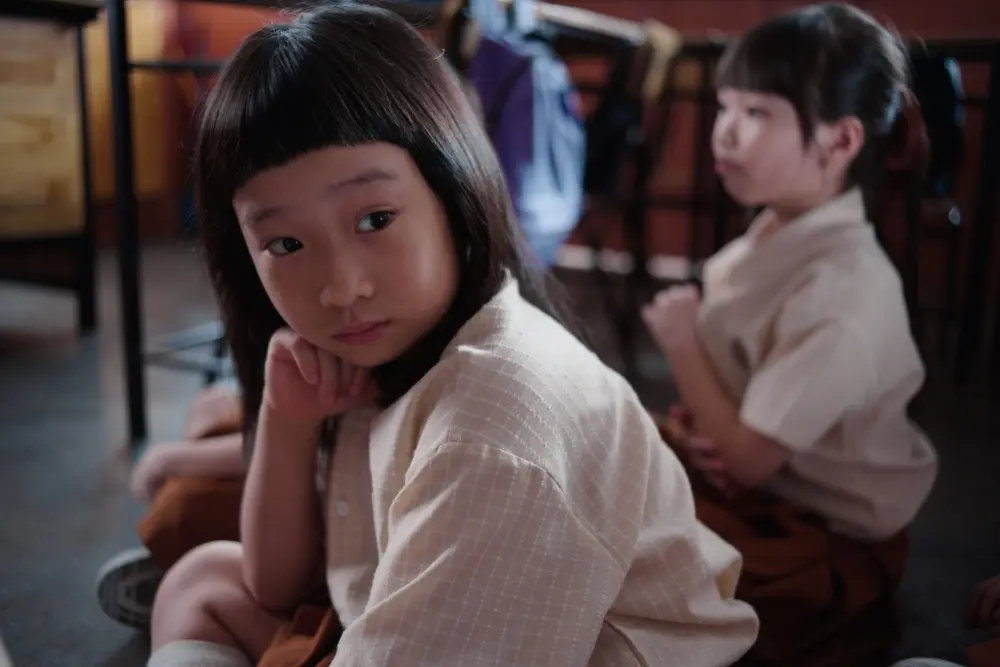
The recognition of "Ah Girl" as the Best Film in the Asian Feature Film Competition marks a significant milestone for Priscilla, whose journey with the project began years before its successful premiere. The film, which offers an intimate, poignant look at a seven-year-old girl navigating the turbulence of her parents’ separation in 1990s Singapore, was first workshopped at the SGIFF’s Southeast Asian Film Lab in 2015. Its evolution from a development project to a critically acclaimed feature demonstrates the efficacy of the festival’s long-term nurturing programs. Priscilla, an alumna of the Busan Asian Film Academy and a previous winner at the Singapore Short Film Awards for her 2012 short "Broken Crayon," has seen her work resonate far beyond local borders, previously taking home the Youth Jury Award at the International Film Festival Rotterdam.
The festival’s commitment to championing distinct voices was further evidenced by the Best Director award, which was presented to the acclaimed Afghan filmmaker Shahrbanoo Sadat for her latest drama, "No Good Men." The film, which previously opened the Berlinale, offers a searing perspective on the precarious nature of life in Kabul just before the return of the Taliban. By focusing on a female camerawoman whose professional autonomy, familial ties, and fundamental freedoms are suddenly cast into doubt, Sadat continues her tradition of creating socially conscious, humanistic narratives. Having resided in Germany since 2021, Sadat is no stranger to global acclaim, having previously made her mark with the 2016 Cannes premiere "Wolf and Sheep" and the 2019 feature "The Orphanage."
The jury’s decision-making process for the Best Performance prize resulted in a shared honor, highlighting two powerful portrayals of resilience and identity. Pushpa Thing Lama was recognized for her work in "Elephants in the Fog," a film that explores the lived reality of a member of Nepal’s third-gender Kinnar community as she embarks on a desperate search for her missing daughter. Sharing the accolade was Putri Marino, whose performance in the magical realist drama "Four Seasons in Java" captivated audiences. In the film, Marino portrays a woman who returns to her roots after spending two decades behind bars, a role that required a nuanced exploration of time, regret, and the search for belonging.
The Special Jury Prize in the feature category was awarded to Japanese director Nagahisa Makoto for "Burn," his second feature film. Following a successful premiere at Sundance, the film solidified Nagahisa’s reputation as a daring visual storyteller. His history with the festival is well-established, having previously received accolades for his 2017 short, "And So We Put Goldfish in the Pool," and his 2019 feature, "We Are Little Zombies."
In the highly competitive Southeast Asian Short Film Competition, the jury highlighted works that pushed boundaries in both subject matter and form. Yogyakarta-based artist-filmmaker Arief Budiman took home the award for Best Southeast Asian Short for "Golden Island." The film, which also competed at Rotterdam, is a meta-cinematic exploration of the filmmaking process itself, following two videographers—one from Java and one from Papua—as they attempt to collaborate on a project about Papua. The Best Director award in this category went to Thai filmmaker Ratchapoom Boonbunchachoke for "The Bovine Comedy," a visionary work set in a 2036 landscape where the world’s cow population has reached the brink of extinction. Boonbunchachoke’s recent success is notable; his feature debut, "A Useful Ghost," earned the Critics’ Week Grand Prize at Cannes and also received a special mention at this year’s SGIFF.
The shorts program also recognized the work of German-Indonesian filmmaker Berthold Wahjudi, who received the Special Jury Prize for "‘Vaterland’ or A Bule Named Yanto," a film that premiered at Cannes’ Critics’ Week. Meanwhile, Sarah Lingam was honored with the Best Performance award for "Flame of the Forest," a tense drama about a young nurse who finds herself unfairly blamed for the death of her grandmother upon returning to her hometown. Local talent was further spotlighted as Singaporean experimental animator Exyl was awarded the prize for Best Singapore Short for "Singapore God."
Audience engagement remained a cornerstone of the festival, with the Audience Choice Award going to the Singapore Panorama Programme 2, titled "Second Life, Second Skin." This collection of five shorts—"Kiss Me Climax" by Shara Tay, "Subterranea" by Ash Goh Hua, "Reanimator" by Syahmi Iman, "Orang Minyak" by Leon Cheo, and "Encik" by Ewan Leong—struck a chord with viewers, reflecting a diverse array of storytelling styles that define the current generation of Singaporean filmmakers.
Beyond the competitive categories, the SGIFF Pro Pitching Forum, held on October 30, served as a vital platform for project development and international networking. The SGIFF Pro Pitching Forum Award went to "Agape," directed by Yamaguchi Shin and Miyahara Takuya. The Asian Producers Network award was presented to Lã Diễm Hằng for "Dear Son An." Additionally, the SGIFF Abroad Award supported by Sony was given to Tong Khoon Mun and Zhou Ke Xin for "Beg, Borrow, Steal," while the SGIFF Abroad Award was presented to the team of Sam Chua Weishi and Rein Maychaelson for their project, "Primal."
The 37th edition of the SGIFF, which runs through November 1, also took time to pay tribute to titans of the industry. On October 22, Indian cinematic icon Aamir Khan engaged in an "In Conversation With" session, where he was presented with the SGIFF Screen Icon Award by director Peter Chan. Two days later, on October 24, the festival honored the legendary Japanese auteur Kore-eda Hirokazu with the SGIFF Cinema Honorary Award, presented by filmmaker Boo Junfeng. Kore-eda’s prolific output this year, including his features "Sheep in the Box" and "Look Back," continues to influence global cinema and underscored the festival’s dedication to honoring masters of the craft.
The Silver Screen Awards, which were launched in 1991, hold a historic place in the film festival circuit as the first international competition to dedicate a specific section to Asian cinema. By continuing to bridge the gap between emerging voices and established industry figures, the SGIFF remains an essential anchor for the development and appreciation of regional film. As the festival draws to a close, the recognition of these filmmakers serves as a testament to the enduring power of stories that reflect the complex, evolving narratives of the Asian experience.