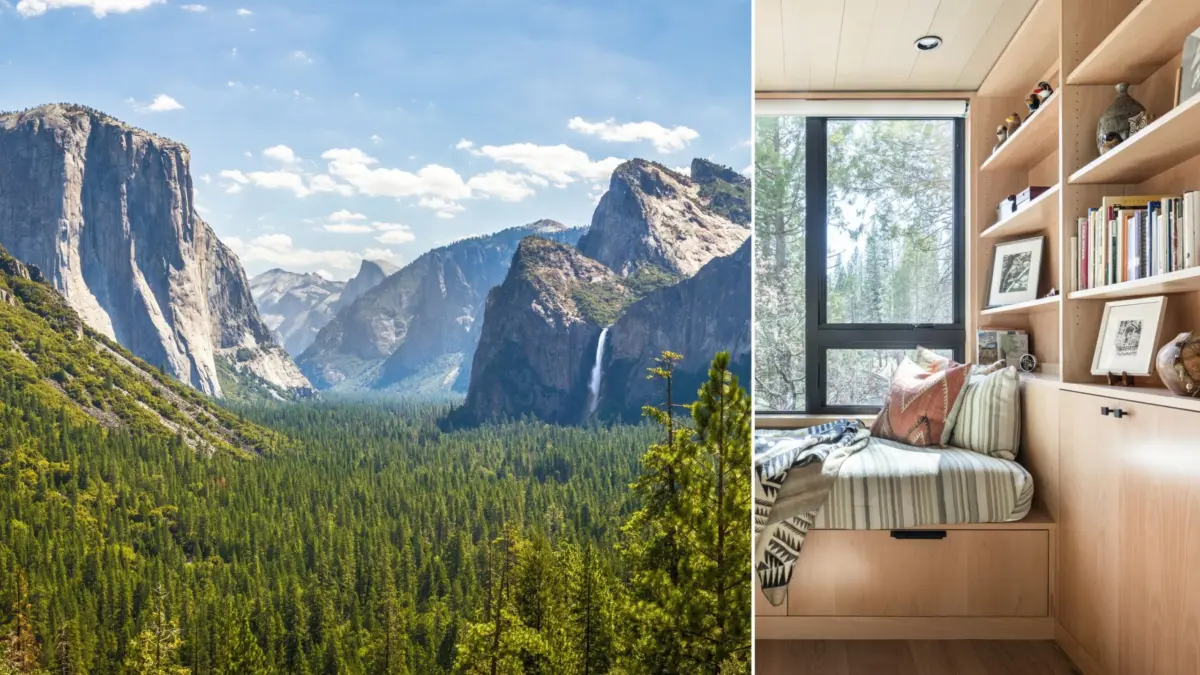
Planning a trip to one of America’s national parks is an exercise in complex logistics. For most travelers, the process begins with a daunting checklist: researching the most rewarding hiking trails, curating a gear list that balances comfort with safety, mapping out refueling stops, and carefully calibrating a daily schedule to ensure every minute of daylight is maximized. Amidst the flurry of preparation, the choice of where to stay often becomes an afterthought, relegated to whatever is available just outside the park gates. However, travel experts and seasoned park enthusiasts are increasingly emphasizing that the most transformative decision a visitor can make is choosing a home base that places them directly within the heart of the landscape.
The difference between staying an hour’s drive away and staying inside the park boundary is more than just a matter of convenience; it changes the entire essence of the experience. When you base yourself within the park, the day begins not with a commute, but with a quiet cup of coffee overlooking a mountain range or a forest canopy. Instead of battling the morning entrance lines that have become a hallmark of popular parks, you are already where you need to be. The logistical friction of traveling back and forth—the pre-hike stress and the post-hike exhaustion compounded by hours behind the wheel—is entirely removed, granting travelers the luxury of time, which is the most precious commodity in the wilderness.
The allure of waking up inside a national park is deeply immersive. It allows for a rare, uninterrupted connection to the natural world. Imagine stepping out onto a private patio as the early morning mist lifts off the peaks of the Great Smoky Mountains, or watching the first light of dawn ripple across the glassy surface of a pond in Glacier National Park. There is a profound stillness in being inside these protected spaces before the day-trippers arrive and long after they have departed for the evening. In places like Yosemite, opening the door of a cabin to views framed by towering pines offers a sense of seclusion that is difficult to replicate when commuting from a gateway town.
From the rugged, high-altitude peaks of the Rocky Mountains to the windswept, dramatic coastline of Acadia, selecting a lodging option within the park boundaries makes these expansive landscapes feel significantly more attainable. These stays provide a home base that acts as a gateway to adventure, putting the best trails and scenic lookouts practically at your doorstep. By positioning yourself in the center of the action, you move from being a visitor who merely observes the park to one who temporarily lives within it.
Despite the obvious benefits, finding these accommodations requires a level of diligence that goes beyond the standard vacation rental search. Short-term rentals located within the actual boundaries of U.S. national parks are exceptionally rare. Due to strict land-use regulations and the preservation mandates of the National Park Service, private ownership within these federal lands is highly restricted. Consequently, the inventory of available cabins, lodges, or private homes within park borders is extremely limited. This scarcity makes competition for these properties intense, often bordering on fierce.
For travelers who have their hearts set on this kind of immersive experience, strategy is essential. Because availability is so tight, the window to secure these properties is often quite narrow. If you find a listing that aligns with your travel dates, the consensus among travel professionals is to book immediately. Waiting even a few days to finalize plans can result in losing the reservation to a more decisive traveler. Securing a spot months, or in some cases a full year in advance, is often the only way to ensure success.
The process of selecting the right stay should also involve a rigorous vetting process. In an era of digital travel planning, it is easy to be swayed by a high-quality photograph, but the reality of the experience depends on more than just aesthetics. To ensure a stay that truly enhances the trip rather than complicating it, travelers are encouraged to look for specific indicators of quality and reliability. This includes prioritizing listings that carry "Superhost" or "Guest Favorite" designations on major booking platforms. These labels, while not perfect, provide a baseline of trust, indicating that a property has a proven track record of meeting guest expectations.
Beyond titles, the most effective way to evaluate a property is by digging into the details provided by previous visitors. Guest reviews are an invaluable resource for understanding the nuances of a property—such as the quality of the amenities, the proximity to specific trailheads, the reliability of local services, and the accuracy of the listing’s decor and layout. A home base that is impeccably decorated but poorly maintained or difficult to access will only serve as a distraction from the park experience. Ideally, the decor should reflect the environment, but the functional aspects—such as kitchen facilities for preparing meals after a long day of hiking, reliable heating or cooling systems, and clear instructions for navigating the local terrain—are what truly provide value.
Ultimately, the goal of choosing a stay within a national park is to reduce the barriers between the traveler and the environment. By removing the need for long, repetitive drives, you gain back hours of time that can be better spent exploring the backcountry, photographing the wildlife, or simply sitting in silence and taking in the scale of the landscape. It turns a standard sightseeing tour into an authentic, slow-paced exploration.
The logistical benefits of this approach extend to every aspect of the trip. With a home base nearby, the temptation to rush through a park’s offerings disappears. You can spend an entire afternoon at a single vista point without worrying about the return journey. You can plan your hikes for the "golden hours" of early morning or late afternoon, when the light is most dramatic and the crowds are thinnest. You are better positioned to respond to changing weather conditions, and you have a sanctuary to return to that feels like a part of the landscape rather than an intrusion upon it.
While the rarity of these accommodations makes them a challenge to book, the investment of time and effort is widely considered to be worth the reward. It is an approach that prioritizes quality over quantity, depth over breadth, and tranquility over the frantic pace of modern tourism. For those who view national parks as more than just a vacation destination—but as places of reflection and discovery—the choice of lodging is not merely about having a bed for the night. It is about creating the conditions necessary for a truly memorable, seamless, and deep-seated connection with the natural wonders of the United States. As you look forward to your next adventure, consider the difference that location makes, and prepare to book early to ensure your next trip to the park is one defined by proximity, peace, and unparalleled access to the wild.