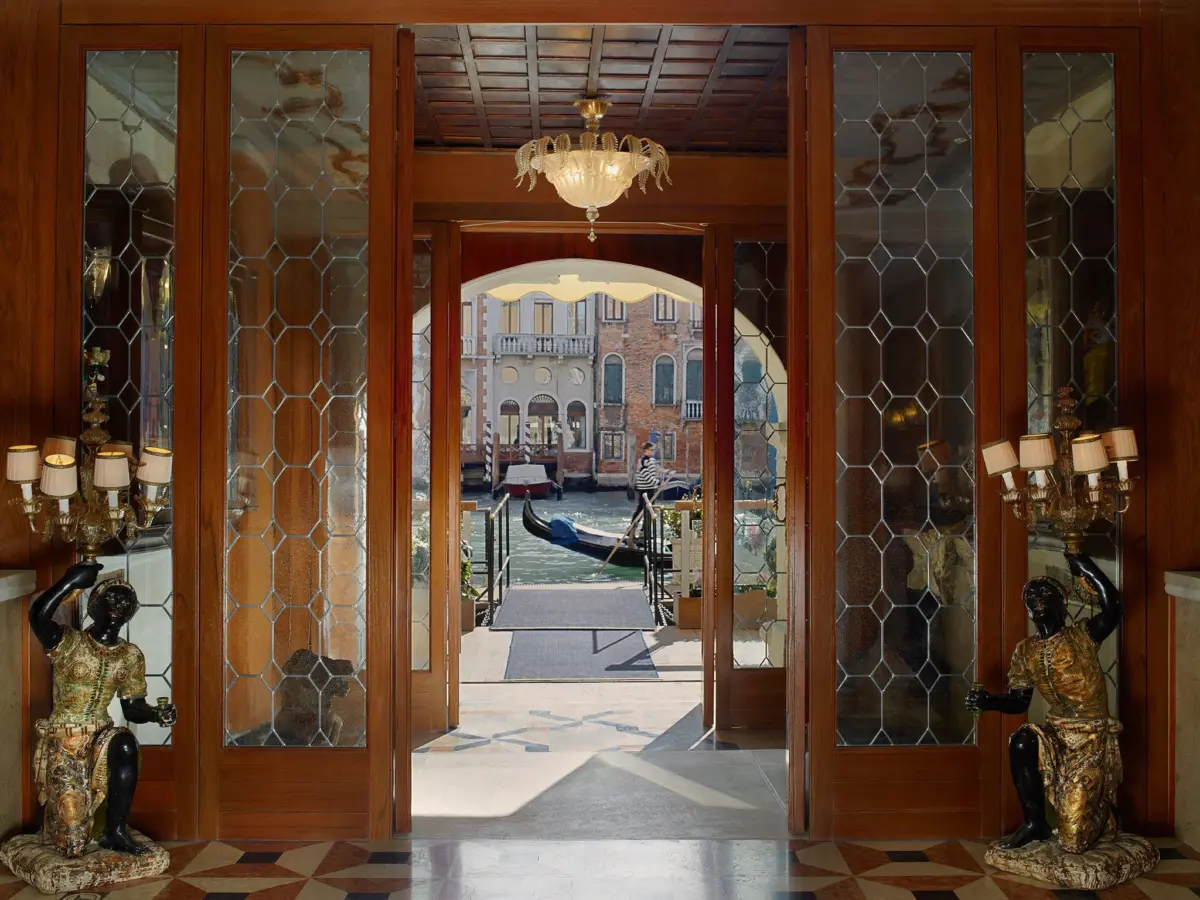
If you are planning to indulge in a truly singular travel experience, there is perhaps no destination on earth that commands the same level of reverence as Venice. Italy’s “City of Water” is a realm where the laws of modern infrastructure seem to lose their grip, replaced by a fluid, dreamlike pace dictated by the rhythmic lapping of the canals and the graceful glide of gondolas. With every narrow alleyway—or calli—and every centuries-old stone bridge, Venice preserves an atmosphere that feels entirely detached from the linear progression of time. It is a place that remains stubbornly, beautifully, and transportively archaic, despite the relentless march of the modern world.
Yet, this otherworldly allure comes with a price. Each year, more than 20 million travelers descend upon these islands to witness the phenomenon of a city built entirely on water. Across an intricate network of 150 canals and over 400 bridges, the reality of Venice oscillates between a cinematic masterpiece and a location that can, at times, feel crushingly overrun. For the discerning traveler, the challenge lies in finding a vantage point from which to appreciate this fragile beauty without being swept away by the sheer density of the crowds. The answer, inevitably, is to choose your accommodation with extreme precision.
The Midnight Transformation of Venice
There is a distinct duality to the Venetian experience, one that is best understood after the sun sets. During the day, the primary thoroughfares can feel claustrophobic, but at night, Venice undergoes a profound transformation. As the day-trippers depart and the cruise ships pull away from the lagoon, the city becomes remarkably tender.
La Serenissima, as it is historically known, truly earns its name after dark. The frenetic energy of the afternoon dissolves into a hushed, melodic serenity. The only sounds that remain are the gentle slap of water against the weathered marble of the canal banks, the distant, muffled hum of a late-night vaporetto engine, and the faint, rhythmic echo of footsteps against stone. Even the logistical heartbeat of the city—the arrival of delivery boats carrying supplies to the local restaurants and residents—takes on a soothing, almost ritualistic quality. Waking up in a room that overlooks a quiet canal, listening to the soft thud of packages being offloaded, is perhaps the most authentic way to experience the city. It is in these quiet, private moments that the magic of Venice is truly revealed.
Deciphering the Sestieri: Where to Lay Your Head
Choosing where to stay in Venice is less about selecting a hotel and more about selecting a neighborhood, or sestiere. The city is divided into six of these historic districts, each with its own distinct character, architectural style, and level of accessibility.
Many of the city’s most famous properties are clustered within the San Marco district. As the administrative and historical heart of Venice, San Marco is home to the icons that define the postcard image of the city: the opulent Saint Mark’s Basilica, the imposing Doge’s Palace, and the evocative Bridge of Sighs. Staying here puts you at the epicenter of the action, which is a significant advantage for those who want to be steps away from the major landmarks. However, the convenience comes with the inevitable reality of the highest foot traffic in the city.
For those who crave the prestige of a central location but wish to retain a sense of autonomy, there are properties that manage to straddle the line between accessibility and seclusion. Take, for example, the Venice Venice Hotel. While it is technically positioned within the central cluster of islands, it sits at the edge of the Cannaregio district, where the Rio dei Santi Apostoli flows into the Grand Canal. By simply crossing the first bridge to the left of the hotel, you are immediately transported into a more authentic, residential, and tranquil corner of the city. Here, you are often moving against the tide of the tourist crowds, allowing for a far more relaxed pace of exploration.
Finding Reprieve in Dorsoduro and Beyond
If your priority is a genuine departure from the fray, the Dorsoduro district offers a sophisticated alternative. Often considered the artistic soul of Venice, Dorsoduro is home to major galleries and a more residential, scholarly atmosphere. Properties like Il Palazzo Experimental, located at the eastern end of Le Zattere, exemplify this shift in tone. Le Zattere itself has become a burgeoning culinary hub, providing an elegant promenade that is far removed from the sensory overload of the central squares.
Similarly, the area near the Arsenale provides a compelling, slightly removed experience. Hotels such as Ca’ di Dio occupy a strategic position on a scenic stretch of waterfront, offering a sense of history—being the former hub of the city’s maritime power—without the clamor of the more commercial districts. It is a perfect base for those visiting during the Biennale, providing easy access to the gardens while remaining a quiet sanctuary to retreat to after a long day of viewing art.
For those who wish to step entirely outside the chaos of the historic center, the outer islands offer a different kind of luxury. The Giudecca Canal acts as a natural moat between the main city and the island of Giudecca, creating an environment that feels disconnected from the mainland. The Hotel Cipriani, A Belmond Hotel, has long defined this category of secluded luxury, providing an expansive, resort-like experience that feels worlds away from the narrow, winding streets of the main islands.
Further afield, the JW Marriott Venice Resort & Spa on the Isola delle Rose offers a comprehensive escape, emphasizing wellness and expansive green spaces—a rarity in a city defined by its lack of land. For a more boutique, intimate experience, the island of Burano offers a colorful and vibrant alternative. Casa Burano, for instance, allows travelers to immerse themselves in the local culture of the island, famously known for its lace-making and bright, multi-colored houses, providing a stay that feels more like a private residence than a traditional hotel.
An Expert Approach to Selection
The methodology behind selecting these hotels is rooted in the philosophy that a visit to Venice should be an exercise in immersion. Every property recommended by our editorial team is vetted by journalists who possess a deep, lived-in knowledge of the city. The criteria for these selections are rigorous, prioritizing properties that provide an authentic, insider’s view of the Venetian experience.
When evaluating these hotels, we look far beyond surface-level aesthetics. We consider the nuances of service, the integration of design into the historic fabric of the buildings, and, increasingly, the sustainability credentials of the property. Venice is a fragile ecosystem, and the impact of hospitality on its environment is a critical consideration for the modern traveler. We aim to highlight establishments that contribute to the city’s longevity rather than merely extracting value from it.
Whether you are looking for the grandeur of a historic palace overlooking the Grand Canal or the quiet, understated elegance of a boutique hotel in a sleepy residential neighborhood, the goal remains the same: to find a place that respects the unique rhythm of the City of Water. Venice is a destination that demands patience and a willingness to step off the beaten path. By choosing the right base, you can ensure that your time in the city is spent not just visiting, but truly living, if only for a few nights, in the most serene corners of one of the world’s most enduringly magical places.