In a breakthrough that could reshape our understanding of how the human body repairs sensory damage, researchers at the Tufts University School of Medicine and the Graduate School of Biomedical Sciences (GSBS) have discovered that a specific population of stem cells—previously dismissed as largely dormant—plays a vital, active role in the regeneration of olfactory tissue. Using a newly developed three-dimensional laboratory model, the team has shed new light on the complex cellular communication required to maintain the sense of smell, offering a potential roadmap for future treatments targeting smell loss.
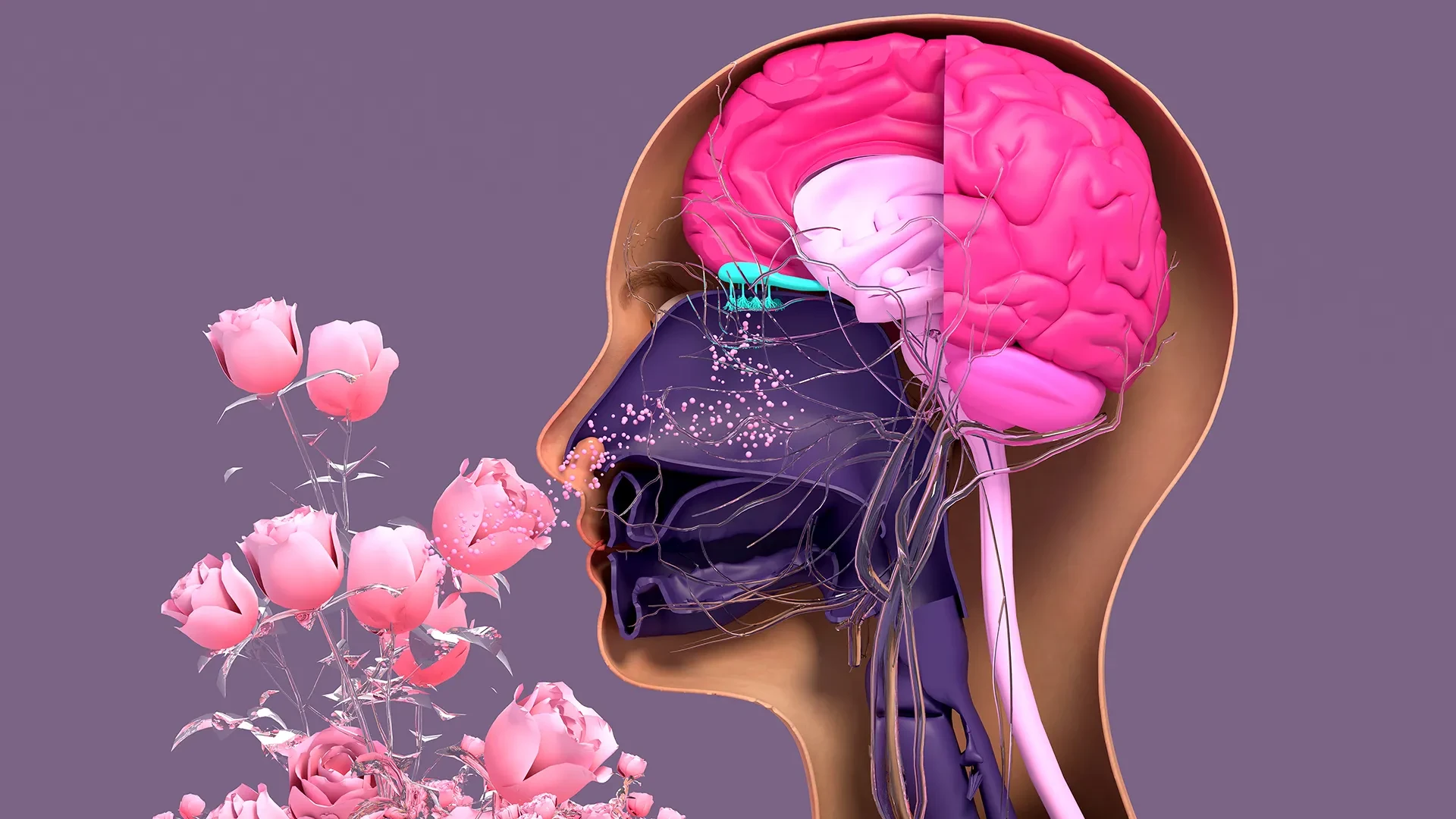
Unlike the neurons found in the central nervous system, which are notoriously difficult to repair once damaged, the sensory neurons within the nasal cavity possess an extraordinary capacity for regeneration. Throughout a person’s life, these cells are tasked with the daunting responsibility of detecting odors while being exposed to the harsh, often toxic elements of the external environment. Despite this constant barrage, the olfactory system typically manages to replenish itself. However, this delicate biological process can be disrupted by viral infections—most notably COVID-19—as well as long-term exposure to environmental toxins or the inevitable biological decline associated with aging. When these regeneration pathways falter, the result is often a partial or total loss of smell, a condition that can have profound impacts on a person’s quality of life, nutritional health, and psychological well-being.
To better understand why this regenerative mechanism sometimes fails, a team of researchers led by Brian Lin, a research assistant professor in the Department of Developmental, Molecular and Chemical Biology at Tufts, developed a novel three-dimensional olfactory tissue mouse model. Their findings, published recently in the journal Cell Reports Methods, provide a detailed look at how two distinct types of stem cells—horizontal basal cells (HBCs) and globose basal cells (GBCs)—work in tandem to generate new smell-sensing tissue.
Unlocking the Secrets of Cellular Cooperation
For years, the scientific community has focused heavily on globose basal cells as the primary engines of olfactory regeneration. Meanwhile, horizontal basal cells were largely characterized as a dormant "reserve" pool, waiting in the wings to be called upon only in the event of catastrophic injury. The new study from Tufts challenges this traditional view, suggesting that the relationship between these two cell types is far more interdependent than previously realized.
"Our research suggests that these two stem cells may be interdependent," says Brian Lin. "One type that we thought was largely dormant—HBCs—may actually play a crucial role in supporting the production of new neurons and the repair of damaged tissue."
Through the use of their 3D organoid model, the team identified a specific subpopulation of HBCs, which are distinguished by their production of the protein KRT5. When the researchers monitored these cells in the organoids, they observed that these KRT5-positive HBCs were not merely sitting idle; they were actively facilitating the generation of new olfactory neurons. To confirm the necessity of these cells, the researchers selectively depleted them from the organoid cultures. The results were stark: the generation of new neurons was significantly impaired, confirming that these "dormant" stem cells are, in fact, essential architects of the regenerative process.
The study also delved into the impact of biological aging on this system. By comparing cells harvested from mice of different ages, the team observed a clear decline in the regenerative capacity of older cells. While the researchers believe this decline is linked to a reduction in the GBC population over time, they emphasize that this remains a working hypothesis. Further investigation will be required to confirm this mechanism and, more importantly, to determine whether it is possible to "rejuvenate" these aging cell populations to restore lost function.
A Democratized Approach to Olfactory Research
The development of this 3D model was not merely a technical achievement; it was a deliberate effort to make high-quality regenerative research more accessible. The lead author of the study, Juliana Gutschow Gameiro, a former Ph.D. student visiting GSBS from the State University of Londrina in Brazil, focused her efforts on creating a system that would be easy to replicate in laboratories with limited funding or specialized equipment.
The urgency of this work has been amplified by the global health landscape. The COVID-19 pandemic brought the phenomenon of olfactory loss into the public consciousness, as millions of people reported persistent anosmia following infection. Beyond the pandemic, the loss of smell is a well-documented precursor or associated symptom of neurodegenerative conditions such as Parkinson’s disease.
"Because loss of smell is associated with COVID-19, as well as with Parkinson’s disease and other conditions, a much larger number of researchers from a variety of different fields have begun researching olfactory epithelial cells in the last few years," says Lin. "We wanted to develop an easy-to-use model so that non-stem cell biologists and those working in labs with limited resources could use it to better understand how olfactory neurons regenerate and what happens that causes that process to diminish or fail completely."
By simplifying the experimental setup, the Tufts team hopes to catalyze a broader, more collaborative effort across the scientific community to tackle the mysteries of the olfactory system.
The Path Toward Human Organoids
While the mouse-tissue model has provided the team with invaluable insights, the ultimate objective is to translate these findings into a human-derived organoid. Such a model would be an indispensable tool for pre-clinical drug screening, allowing researchers to test therapeutic interventions in a human context without the need for expensive, time-consuming, and ethically complex animal trials.
Organoids have already transformed research in other fields, with successful models developed for the lungs, kidneys, and other major organs. However, the nose presents a unique set of challenges. Extracting pure olfactory tissue from human patients is a delicate procedure, often involving the use of a brush-like device inserted deep into the nasal cavity under anesthesia. Even when the tissue is successfully collected, researchers face the hurdle of separating the olfactory stem cells from the surrounding respiratory stem cells, which are often collected simultaneously.
"It’s challenging to get pure olfactory tissue from humans," explains Lin. "Unlike in their mouse model, human respiratory stem cells and olfactory stem cells collected in this process are difficult to separate."
The team’s next major challenge is to refine a technique for isolating these human olfactory stem cells, ensuring they can be successfully cultured and maintained in a laboratory setting. If they succeed, they will have cleared a major hurdle in the development of personalized treatments for smell loss. For the millions of people worldwide suffering from the isolation and reduced quality of life associated with the loss of their sense of smell, this research represents a critical step forward, transforming the hidden, quiet biology of the nose into a target for modern, life-changing medicine.