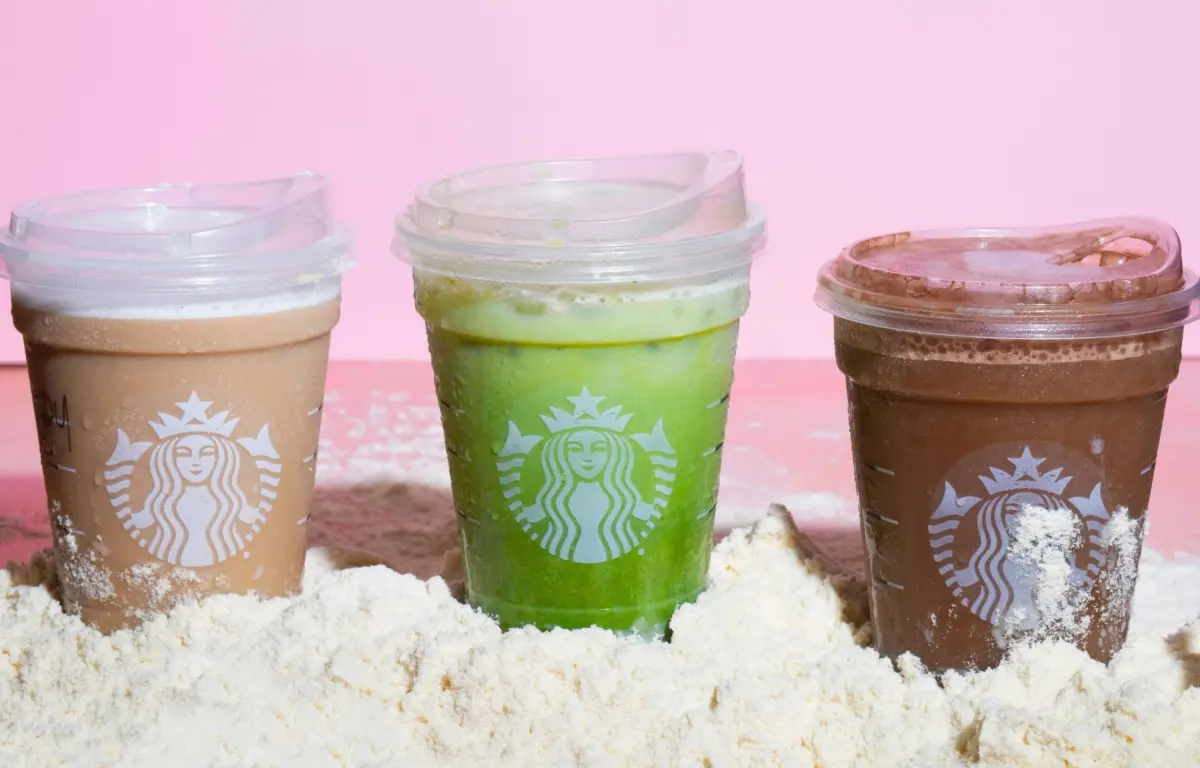
For millions of daily customers, the Starbucks menu is more than just a place to grab a morning caffeine fix; it is a carefully curated ecosystem of wellness-oriented choices. In recent years, the global coffee giant has leaned heavily into the health-conscious market, introducing protein-boosted cold foams and specialized matcha drinks designed to appeal to fitness enthusiasts and those monitoring their sugar intake. However, a significant new legal challenge now threatens to undermine that reputation, as a federal lawsuit alleges that the company’s "sugar-free" branding is fundamentally misleading to the average consumer.
The class-action lawsuit, filed by the prominent law firm Hagens Berman, contends that Starbucks has engaged in deceptive marketing practices regarding several of its popular protein-infused beverages. According to the complaint, which represents a group of consumers from California, New York, and Washington, these drinks—marketed as being free of sugar—contain substantial amounts of the sweet additive, sometimes reaching levels comparable to a standard candy bar. The legal filing highlights a discrepancy between the marketing language used at the point of sale and the actual chemical composition of the beverages, raising questions about how companies navigate the line between nutritional transparency and effective product labeling.
At the heart of the litigation is the definition of "sugar-free." The plaintiffs argue that when a consumer sees a product labeled as "sugar-free," they reasonably assume the drink contains little to no sugar. The lawsuit asserts that these specific protein lattes and matcha drinks, which have been a major focus of Starbucks’ recent menu expansion, actually contain between 13 and 21 grams of sugar per serving. To put those numbers in perspective, the legal team points to the Kit Kat bar—a standard snack often associated with high sugar content—to illustrate that the beverages are not the healthy, sugar-less alternatives that customers believe they are purchasing.
The significance of this case extends beyond the specific drinks in question, touching on the broader issue of consumer trust in the food and beverage industry. As more individuals prioritize low-sugar diets for health reasons, including diabetes management and weight loss, the reliance on front-of-package claims becomes critical. The plaintiffs argue that by utilizing the "sugar-free" label, Starbucks has influenced purchasing decisions in a way that is inherently deceptive, regardless of whether the nutritional data is technically accessible elsewhere.
In response to the filing, Starbucks has maintained a firm stance, expressing its intention to "vigorously defend" its business practices against these allegations. In a statement released shortly after the lawsuit became public, the company denied any intent to mislead its customers, emphasizing that it has been transparent about the nutritional content of its menu items. Starbucks points to its official website and digital ordering platforms, where it lists the nutritional breakdown for every drink, including the specific sugar content found in these protein-boosted options.
The core of the company’s defense rests on the distinction between "added sugar" and the naturally occurring sugars found in the ingredients it uses. Starbucks clarified that the sugar present in these controversial drinks originates from the protein-boosted milk utilized in the preparation process. According to the company, it does not add granular sugar or sweeteners to the base of these drinks. Furthermore, the company notes that it explicitly uses sugar-free syrup to provide flavoring, which they argue supports their claim that the drinks themselves are not formulated with added sugars. From the perspective of the coffee chain, the label "sugar-free" is a truthful description of its preparation process—which avoids the inclusion of extra sweeteners—rather than a guarantee that the finished product contains zero sugar molecules.
This defense highlights a recurring tension in the modern food industry: the difference between "added sugar" and "total sugar." While food manufacturers often prioritize the distinction between ingredients added during processing and those naturally occurring in components like milk or fruit, consumers often view "sugar-free" as an absolute term. The lawsuit filed by Hagens Berman aims to challenge this industry-standard interpretation.
"This case is about false and misleading product names," the lawsuit states, explicitly pushing back against the idea that the dispute is merely about a lack of nutritional information. The plaintiffs are arguing that a company cannot hide behind a technical, ingredient-based definition of "sugar-free" when the name of the product itself creates a fundamentally different impression for the average person standing at the counter. The lawsuit contends that when a customer orders a product labeled as "sugar-free," the burden should not be on the consumer to cross-reference a website to see if the dairy or protein base contains hidden sugars.
The implications for Starbucks could be substantial. The suit seeks damages on behalf of a nationwide class of U.S. consumers who have purchased these beverages under the impression that they were avoiding sugar. Beyond the potential for financial restitution, the plaintiffs are asking the court to issue an injunction that would effectively bar Starbucks from using the "sugar-free" label on any of its products that contain significant amounts of sugar, regardless of the source.
As the case moves through the federal court system, it will likely draw significant attention from both the legal community and the food industry at large. For Starbucks, the stakes involve both its bottom line and its public image. The company has spent considerable effort pivoting toward high-protein, "functional" beverages as part of its strategy to remain relevant in an increasingly competitive cafe market. If the court finds that the branding of these products is deceptive, it could force the company to rethink its entire approach to health-focused marketing and product naming.
The legal battle also highlights the growing power of consumers in holding major corporations accountable for their marketing claims. With the rise of digital tools and increased access to nutritional data, customers are becoming more sophisticated, and class-action law firms are increasingly focused on the intersection of consumer perception and corporate terminology. The "sugar-free" debate is just one example of a broader trend where companies are being asked to prove that their marketing language aligns with the reality of what their customers are actually consuming.
For now, the situation remains in a state of legal impasse. Starbucks continues to stand by its nutritional disclosures, asserting that it has provided all the necessary information for customers to make informed choices. The plaintiffs, meanwhile, are digging in, prepared to argue that the convenience and allure of a "sugar-free" label should not be used as a marketing tool for products that still pack a significant caloric and glycemic punch.
As the litigation proceeds, industry analysts will be watching to see if this case prompts a shift in how major chains communicate the health benefits of their products. If a verdict is reached in favor of the plaintiffs, it could signal a major shift in how the industry handles labeling for products that contain naturally occurring sugars but are marketed as "free" of the substance. For the millions of customers who visit Starbucks stores every day, the outcome of this case may ultimately change how they view the menu boards they look at each morning—and whether they take the label at face value or look for the fine print.
The case, which is being handled by Hagens Berman—a firm known for taking on large-scale consumer protection cases—serves as a reminder that in the eyes of the law, the specific language used to sell a product is just as important as the product itself. Whether the courts decide that "sugar-free" refers to the act of adding sugar or the total content of the beverage will likely set a precedent for how similar claims are handled across the food and beverage landscape for years to come. For the moment, the dispute remains a stark reminder of the complexities involved in modern nutrition, marketing, and the legal responsibility of corporations to ensure their messaging is as clear as it is profitable.