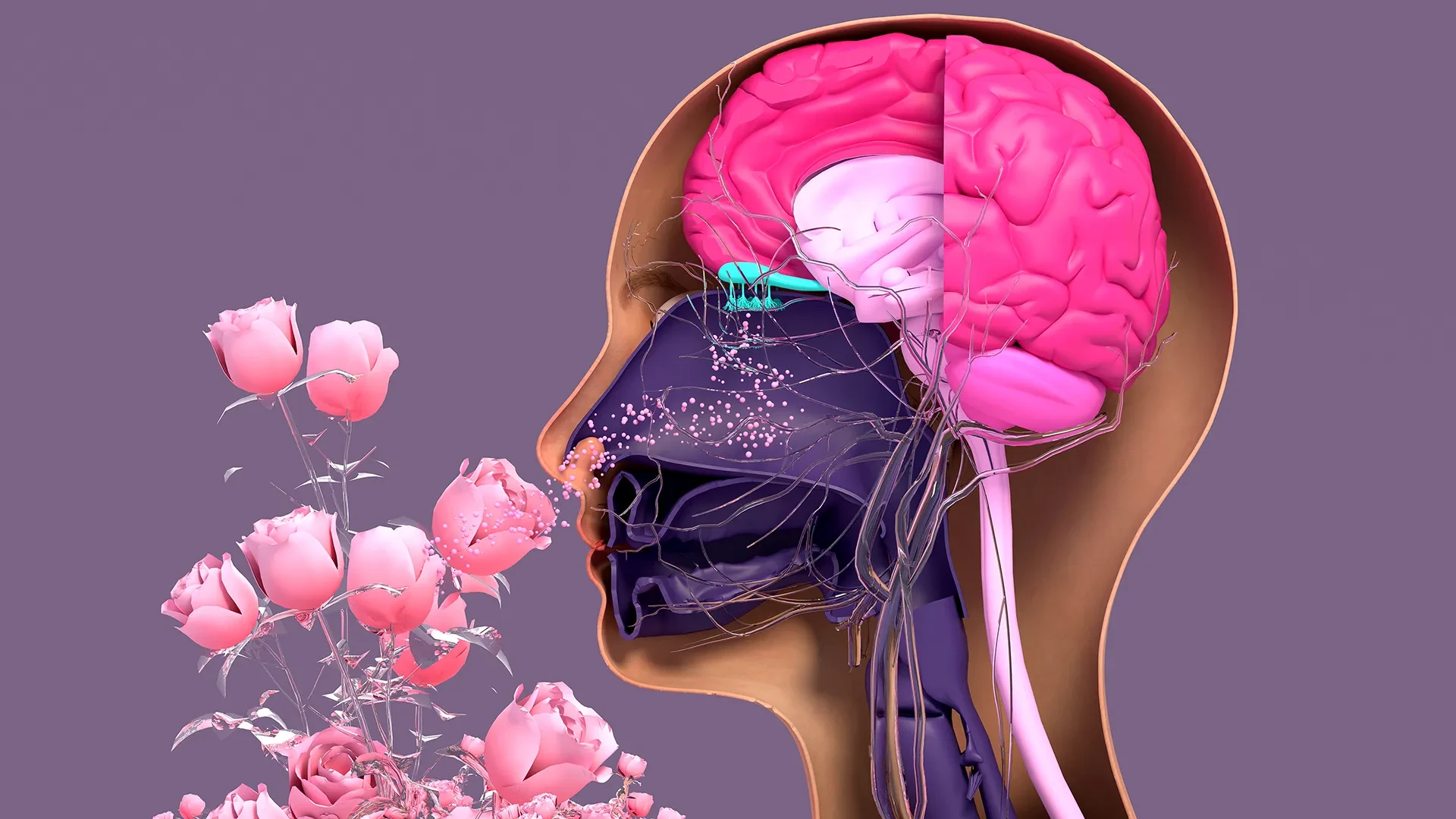
A team of researchers at the Tufts University School of Medicine and the Graduate School of Biomedical Sciences (GSBS) has unveiled a significant breakthrough in our understanding of how the nose regenerates sensory nerve tissue. By employing a newly devised, three-dimensional model, the investigators have discovered that a specific type of stem cell, long assumed to be largely dormant, plays a far more active and essential role in preserving the sense of smell than previously theorized.
The study, which was recently published in the journal Cell Reports Methods, offers a promising new avenue for addressing the loss of smell—a condition that has gained global attention due to its prevalence among patients recovering from COVID-19. Beyond viral infections, the loss of olfactory function is a common symptom associated with aging, exposure to environmental toxins, and neurodegenerative conditions such as Parkinson’s disease.
The Regenerative Mystery of the Nasal Cavity
Unlike the neurons found within the central nervous system, which are notoriously difficult to repair once damaged, the sensory neurons located in the nasal cavity possess a remarkable, lifelong capacity for regeneration. Despite the nasal lining being in near-constant contact with the harsh external environment—including airborne pollutants, pathogens, and fluctuating temperatures—the olfactory system typically maintains a steady supply of new neurons.
However, this regenerative capability is not infallible. When the system is overwhelmed by severe viral infections, chronic inflammation, or the cumulative effects of aging, the rate of neurogenesis can decline, leading to partial or complete anosmia—the total loss of smell. Understanding the precise mechanisms that fuel this renewal process has been a significant hurdle for the scientific community, largely due to the complexity of the tissue and the difficulty of isolating the specific stem cells responsible for creating new neurons.
To bridge this gap in knowledge, the Tufts research team developed a sophisticated three-dimensional olfactory tissue mouse model, or organoid. By creating a controlled environment that mimics the cellular architecture of the nose, the researchers were able to observe, in real-time, how neurons are continuously formed and, crucially, why this biological assembly line begins to falter as an organism ages or encounters disease.
Interdependent Stem Cells: The New Paradigm
At the heart of the team’s discovery is the complex interplay between two distinct populations of stem cells: horizontal basal cells (HBCs) and globose basal cells (GBCs). Traditionally, scientific consensus held that GBCs were the primary engine of neurogenesis, acting as the "workhorses" that divide and differentiate into new sensory neurons. Meanwhile, HBCs were largely categorized as a dormant, reserve pool, only activated in response to massive tissue injury.
The new study, however, suggests that this binary view is far too simplistic. "Our research suggests that these two stem cells may be interdependent," explains Brian Lin, senior author of the study and a research assistant professor in the Department of Developmental, Molecular and Chemical Biology at Tufts. "One type that we thought was largely dormant—HBCs—may actually play a crucial role in supporting the production of new neurons and the repair of damaged tissue."
By utilizing the new organoid model, the researchers identified a specific subpopulation of HBCs, distinguished by their expression of the protein KRT5. These cells were found to be actively involved in the support and generation of new olfactory neurons. When the team performed an experiment to selectively deplete these KRT5-expressing HBCs from the organoid cultures, the results were striking: the generation of new neurons was significantly impaired. This finding forces a recalibration of the current model of olfactory regeneration, elevating the status of HBCs from passive reserves to essential, active participants in the maintenance of smell.
Aging and the Decline of Regeneration
In addition to mapping the communication between stem cell types, the team investigated how these processes change over the lifespan. By growing cells from mice of varying ages within their three-dimensional model, the researchers observed a clear, age-related decline in the ability to generate new neurons.
"We found a decline in the ability of the older mice cells to generate new neurons," says Lin. "We think this is due to a decrease in the GBC population as we age, but we need to do more work to test this hypothesis and if so, develop ways to rejuvenate them." This observation aligns with clinical observations that the sense of smell often dulls with age, contributing to a reduced quality of life and potential nutritional issues for the elderly. By pinpointing the decline in GBCs as a potential culprit, the team has opened a specific target for future therapeutic interventions aimed at "rejuvenating" the nasal epithelium.
Democratizing Research with an Accessible Model
A critical aspect of the study was the design philosophy behind the organoid itself. Lead author Juliana Gutschow Gameiro, a former Ph.D. student visiting GSBS from the State University of Londrina in Brazil, focused on developing a methodology that was not only scientifically rigorous but also practical for laboratories with limited funding or specialized equipment.
"Because loss of smell is associated with COVID-19, as well as with Parkinson’s disease and other conditions, a much larger number of researchers from a variety of different fields have begun researching olfactory epithelial cells in the last few years," Lin notes. "We wanted to develop an easy-to-use model so that non-stem cell biologists and those working in labs with limited resources could use it to better understand how olfactory neurons regenerate and what happens that causes that process to diminish or fail completely."
By lowering the barrier to entry for this type of research, the team hopes to accelerate the pace of discovery across the global scientific community. The ability to create these organoids easily allows labs to test various experimental conditions, such as the impact of different drugs or environmental factors, without the need for extensive, time-consuming animal studies.
Looking Toward Human Organoids
The ultimate goal for the Tufts team is to translate these findings into a human-specific organoid model. Such a tool would be invaluable for pre-clinical drug screening, potentially allowing researchers to identify compounds that could restore smell in patients suffering from permanent olfactory loss.
Currently, organoids have been successfully developed for a variety of human organs, including the lungs and kidneys, but human olfactory tissue remains a challenging frontier. "It’s challenging to get pure olfactory tissue from humans," Lin explains. The collection process, which involves inserting a brush deep into the nasal cavity under anesthesia—similar to a COVID-19 nasal swab—inevitably collects a mixture of respiratory and olfactory stem cells.
In the mouse model, the cells are distinct enough to be managed, but in humans, these cell populations are difficult to separate, making it challenging to grow pure, functional olfactory organoids. The team’s next major challenge is to refine a technique that is both simple and inexpensive, allowing them to isolate human olfactory stem cells and successfully coax them to proliferate in the laboratory.
If successful, the development of a human olfactory organoid would mark a transformative step in otolaryngology. It would provide a platform to study the human-specific mechanisms of olfactory loss in a dish, potentially leading to personalized medicine approaches where a patient’s own cells could be used to screen for effective treatments. As the research continues, the focus remains on transforming the understanding of these "dormant" cells into viable, clinical solutions for the millions of people worldwide who experience the profound impact of losing their sense of smell.