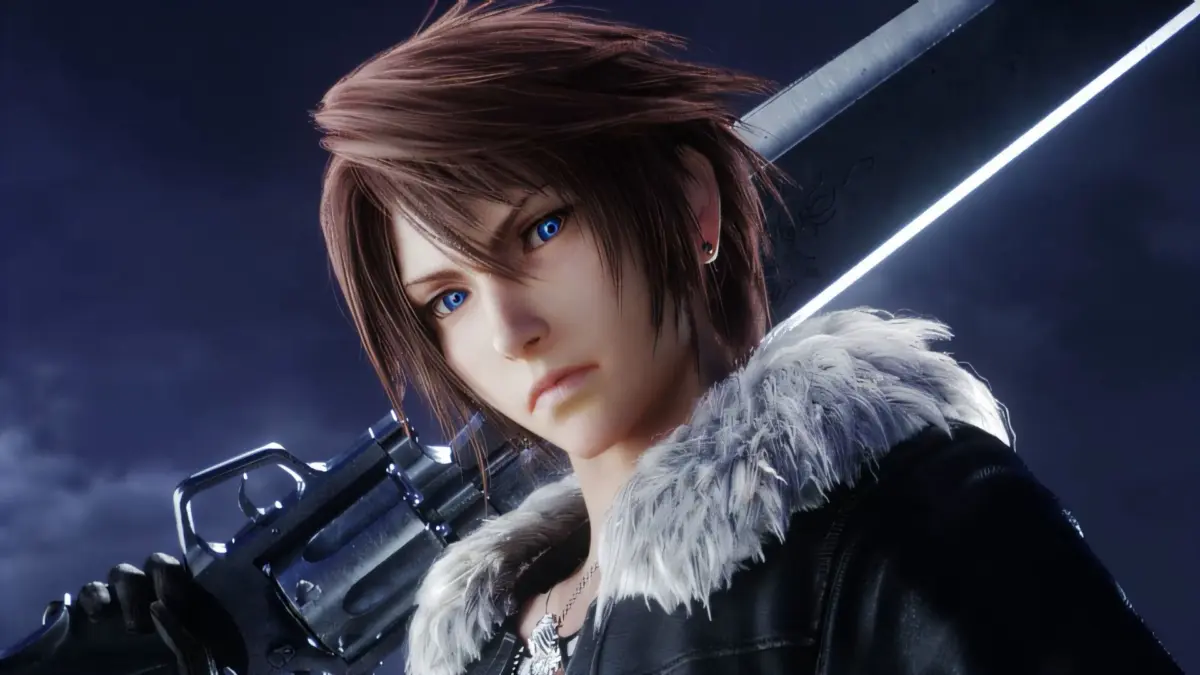
Square Enix’s signature HD-2D art style has captivated the hearts and eyeballs of role-playing game fans since the release of Octopath Traveler back in 2018. Now, the company is bringing that beloved aesthetic to its marquee franchise for the very first time with Final Fantasy Resonance. The newly released title draws its core inspiration from the Final Fantasy Brave Exvius mobile game, which operated a decade-long service from 2015 to 2025. However, Resonance notably breaks away from its predecessor by completely eliminating all the gacha mechanics and microtransaction elements that defined the free-to-play mobile version. Instead, it reworks the foundational concept into a traditional console and PC experience, complete with a 16-bit-inspired overworld map and turn-based combat that calls back to the early, foundational entries of the long-running Final Fantasy series.
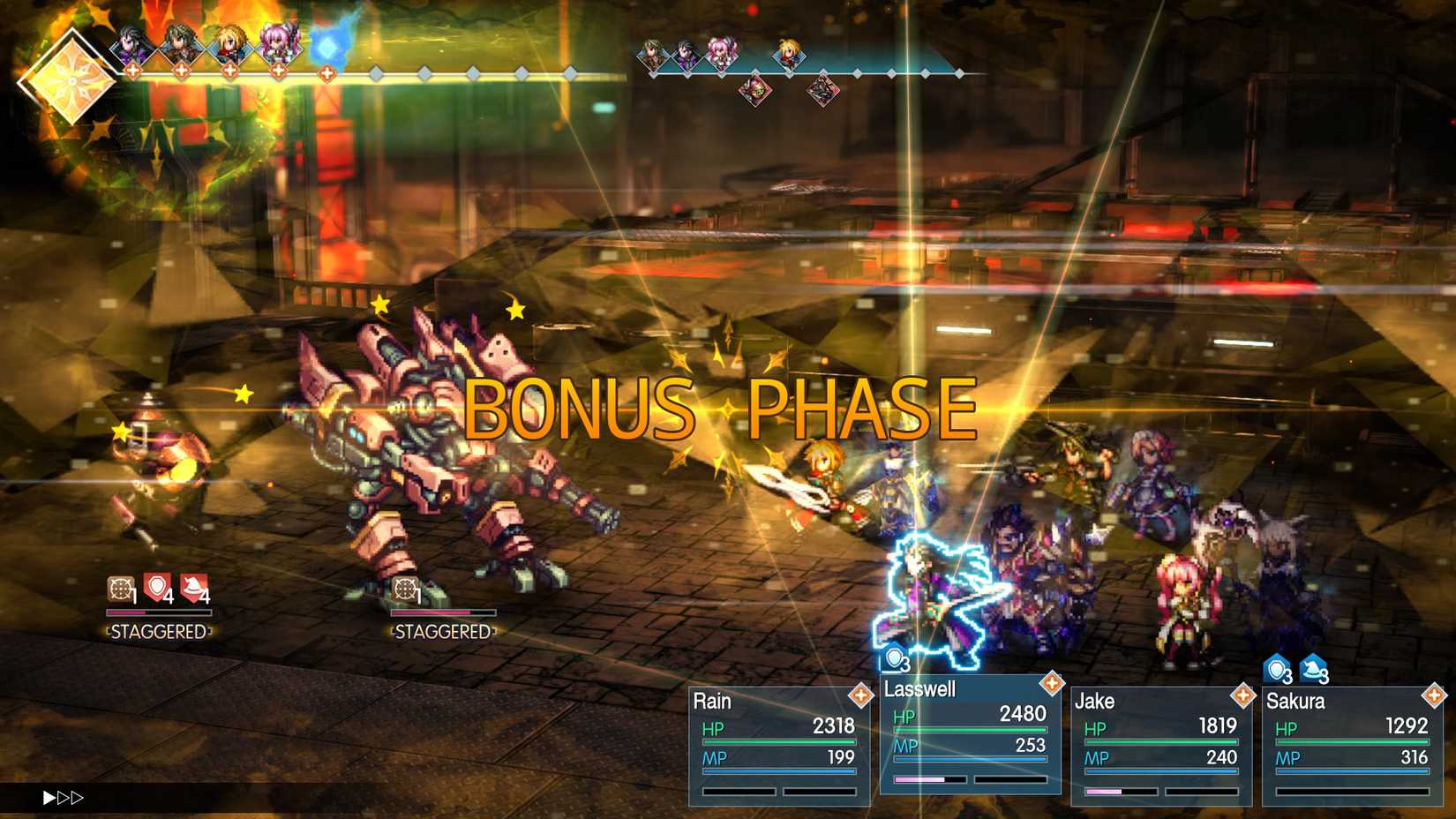
This release follows Square Enix’s ongoing experimentation with retro-styled RPG revivals. In June, the company launched The Adventures of Elliot: The Millennium Tales, which blended hack-and-slash action with classic Zelda-like exploration. That title currently holds a solid 78 rating on Metacritic, but Final Fantasy Resonance appears to be meeting an even warmer reception from critics as review scores trickle in from around the industry. The PlayStation 5 version of Final Fantasy Resonance is currently sitting at an impressive average critic score of 85 based on 30 reviews, while the newly released Nintendo Switch 2 version is tracking closely behind with a respectable 82 average score across 24 reviews.
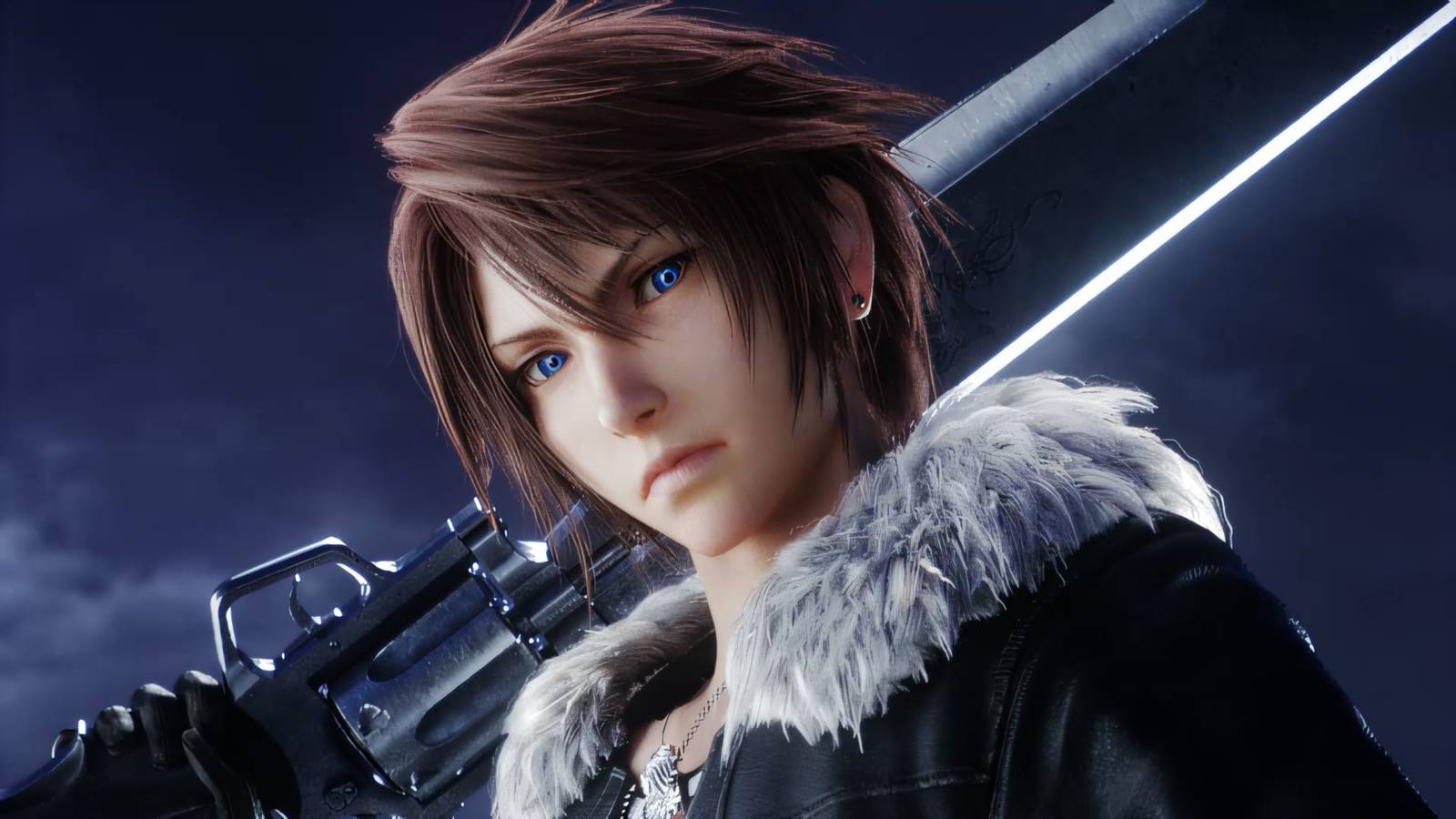
As players and critics dive deep into the adventure, a clear picture is emerging regarding what works in Square Enix’s latest experiment and where the ambitious spin-off falls short.
A Gorgeous Art Style
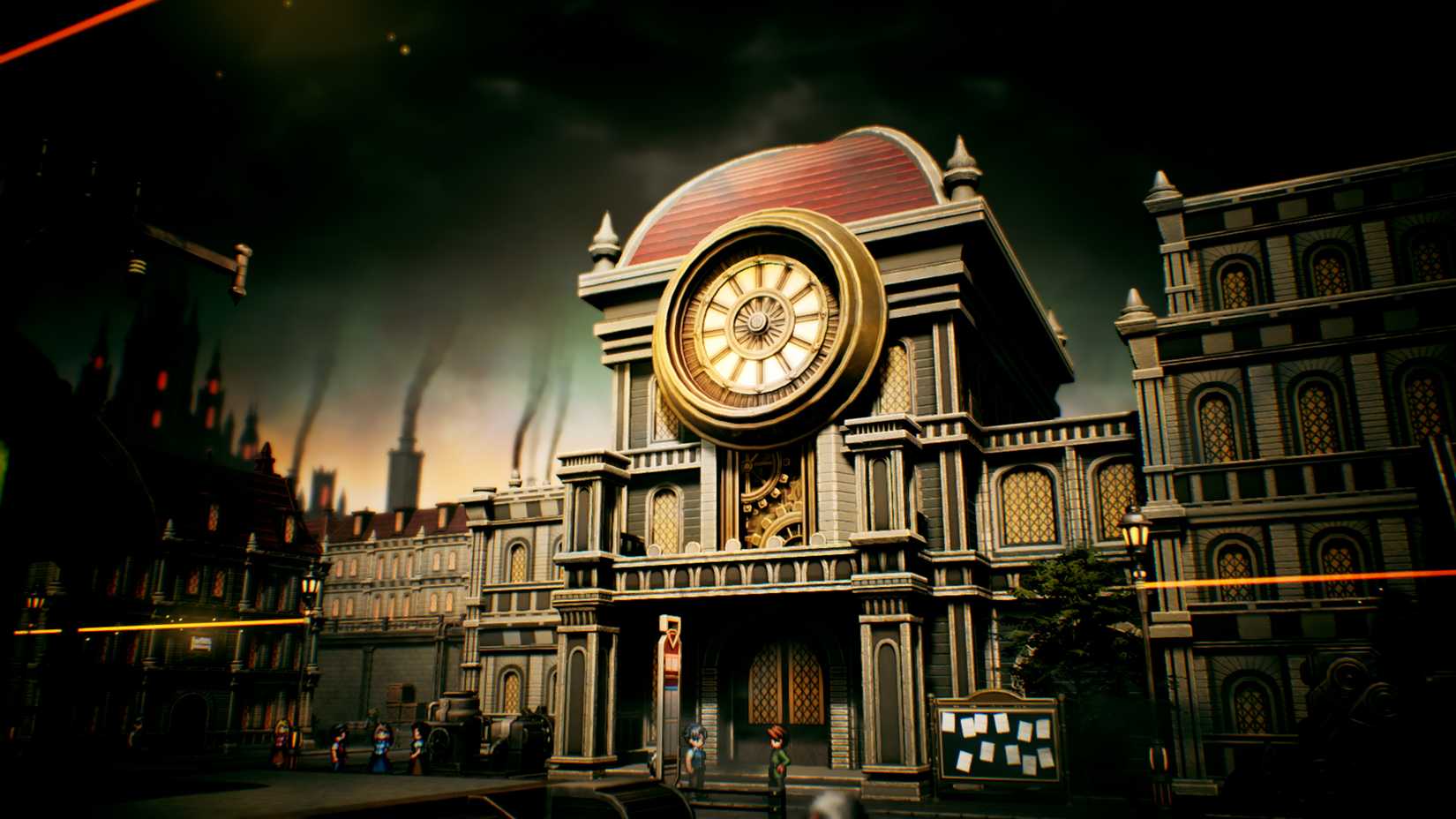
Pretty much across the board, critics and reviewers who spent time with Final Fantasy Resonance came away deeply impressed by the game’s visual presentation and how it adapts the HD-2D engine for a major franchise. Writing for Game Informer, Nadia Oxford noted that the title wears its aesthetic with confidence, indicating that Square Enix has clearly listened to past criticisms leveled against its beloved graphical style. Oxford pointed out that the effort has paid off handsomely, distinguishing Resonance from both the Octopath Traveler series and the recent Dragon Quest HD-2D remakes through highly detailed character sprites and occasional, jaw-dropping pixel-based cinematic sequences.

In his review for IGN, Michael Higham similarly highlighted the game’s seamless mashup of two-dimensional sprite work and three-dimensional environments as a major highlight of the overall experience. Higham admitted that it usually takes more than pure visual spectacle to win him over, but found that Final Fantasy Resonance proved to be a notable exception to the rule. When it matters most, according to Higham, the game’s strongest emotional beats are elevated by some of the best cutscene direction seen yet in an HD-2D project. By wielding camera movements effectively within a three-dimensional plane while character sprites and pixelated special effects coalesce through fluid animations, the game successfully conveys emotional depth that dialogue alone might struggle to capture. Higham suggested that while the art style may have originally been born out of pure nostalgia, Resonance proves that the medium has moved past that phase, demonstrating how classic aesthetics can lead to new and evocative ways of constructing worlds and telling stories.
Despite the widespread praise for its diorama-inspired look, the game’s visual design is not entirely without technical or ergonomic drawbacks. Several reviewers pointed out that the fixed camera perspective is not always conducive to thorough, comfortable exploration of the game’s environments. Writing for Shacknews, Ozzie Mejia observed that wandering through bustling towns often locks the camera into a static angle, making it difficult to discern which direction the player is heading. Mejia noted that environmental set pieces can occasionally obstruct the player’s view, creating frustrating roadblocks when searching for hidden treasure chests. Navigating towns and settlements should ideally be a relaxing and engaging part of a classic-style role-playing game, but the reliance on a fixed camera choice proved to be a distinct low point for some critics during their playthroughs.
A Lightweight Story
While the praise for Resonance’s visual presentation has been near-universal, reviewers as a whole have expressed a more mixed sentiment regarding the game’s narrative depth, pacing, and character development. Eurogamer critic Dom Peppiatt suggested in his review that Resonance can frequently feel more like a cobbled-together collage of the broader franchise’s greatest hits rather than a truly distinctive, standalone entry in its own right. Peppiatt argued that the game tries hard to fit in alongside its esteemed siblings, but in doing so, it collects familiar tropes without fully grasping why those narrative beats worked so effectively in the original games, ultimately leaving players with a scattered narrative experience.
Echoing these concerns, Video Games Chronicle critic Dave Aubrey noted that the game’s fresh cast of original characters often takes a frustrating backseat to longtime franchise favorites and references, even during moments that are ostensibly supposed to center on their own personal arcs. Aubrey pointed out that, with a single major exception, most of the party members are sidelined by the overarching plot once their introductory chapter concludes, functioning primarily as combat tools to expand tactical options in battle rather than fully realized narrative participants.
These sentiments were similarly echoed by Polygon’s own Willa Rowe, who observed that while Resonance’s narrative can occasionally find its rhythmic footing to deliver wonderful moments of emotional catharsis—such as a standout sequence centering on an Aerith- or Yuna-style priestess balancing the heavy burden of sacred duty with a personal desire for self-determination—the overarching experience suffers from a different issue. Too often, the game’s persistent tendency to evoke memories of past Final Fantasy titles invites direct comparisons that ultimately do not work in Resonance’s favor.